Pour-Over Coffee Bean Buying Guide: 10 Regions and Roast Tips
Introduction: From Brazil to Ethiopia, this selection of representative beans from ten of the world's specialty coffee regions explains in detail the flavor characteristics cultivated by each origin's unique terroir. This article not only provides professional-level flavor descriptions but also includes roast level selection, brewing parameter references and a beginner's guide to avoiding pitfalls, helping you find the pour-over coffee beans best suited to your taste.
The core of specialty coffee lies in regional flavor—coffee cherries grown under specific microclimates and altitude conditions, after meticulous processing, present unique aromatic layers. For enthusiasts just beginning to explore pour-over coffee, understanding the typical flavor characteristics of each region is the key first step in choosing beans.
In the current global specialty coffee supply chain, fresh roast level directly affects flavor expression. It is recommended to choose roasted beans with a roast date within 7-21 days, when aromatic substances are at their optimal release period. Professional roasters adjust roasting curves according to the characteristics of different regions; for example, light roast highlights floral and fruity notes, while medium-dark roast strengthens nutty and chocolate undertones.
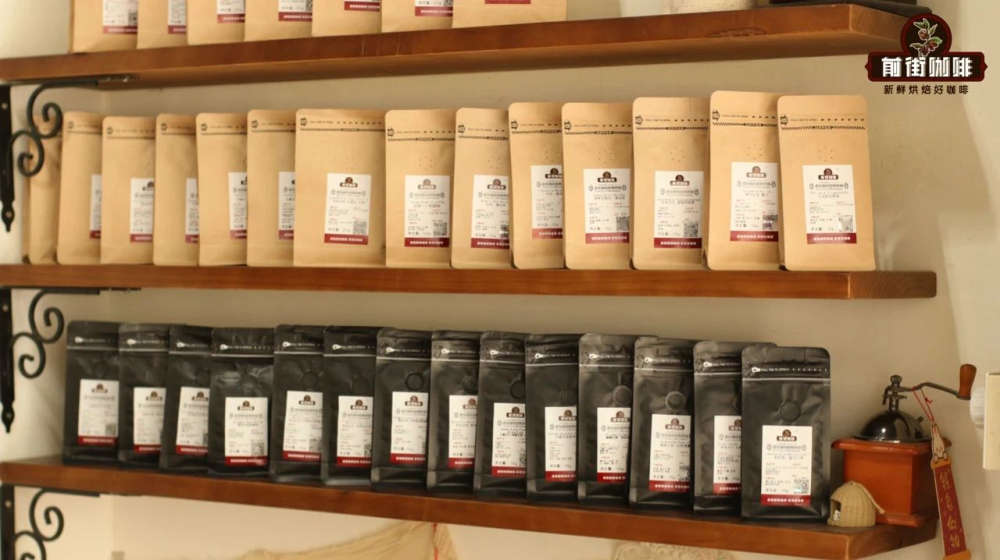
Brazil Cerrado Red Bourbon, as a representative of the world's largest coffee-producing region, displays typical South American bean characteristics.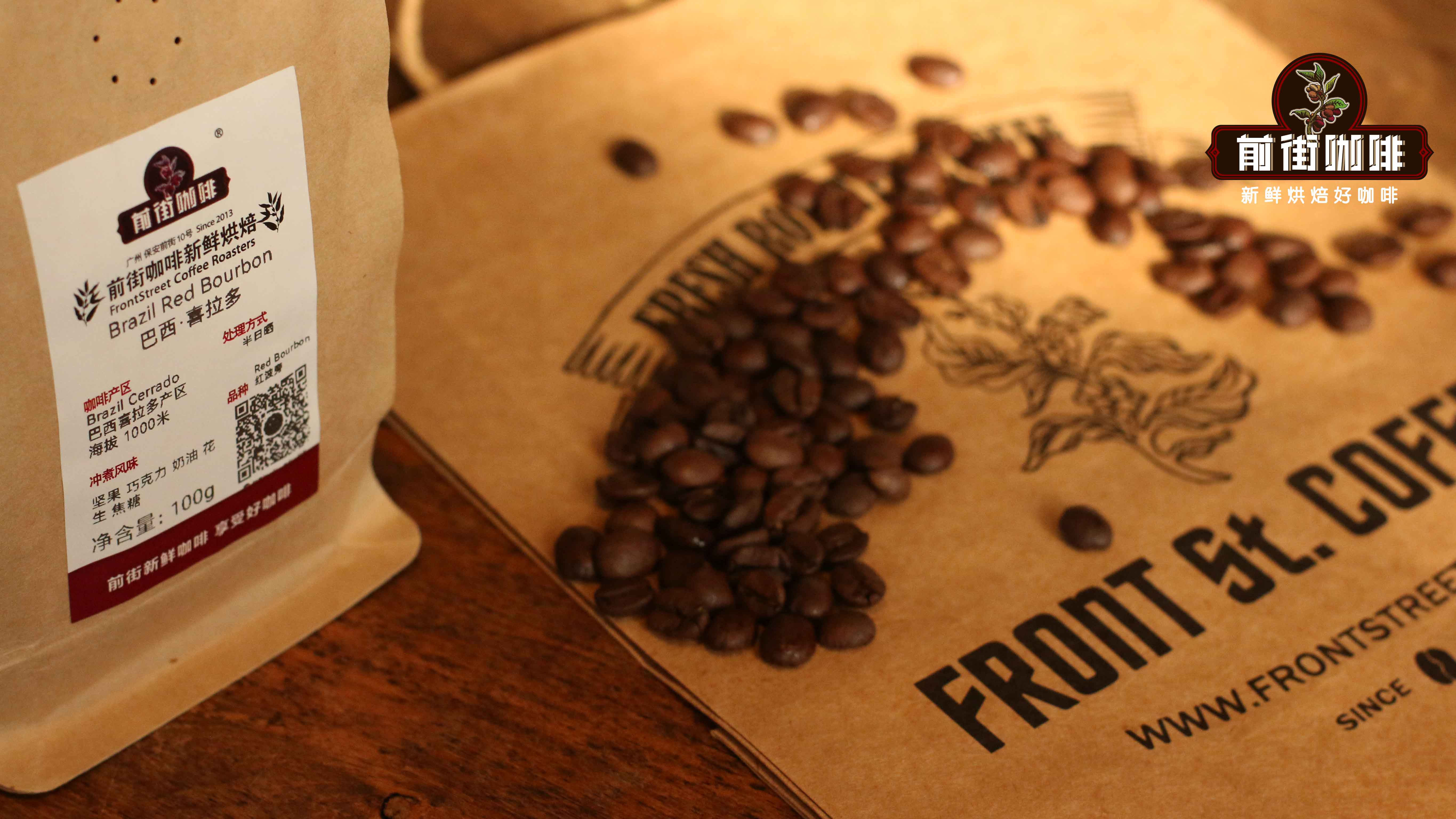 Its low acidity and full body stem from the diurnal temperature difference in high-altitude planting areas (800-1200 meters); when roasted to a medium-dark level, cocoa, roasted nut and caramel flavors are particularly prominent, making it an ideal base bean for espresso blends. Suggested grind size is medium (70% passing a Chinese standard No. 20 sieve), water temperature 90-92°C, using the center-pour method for extraction.
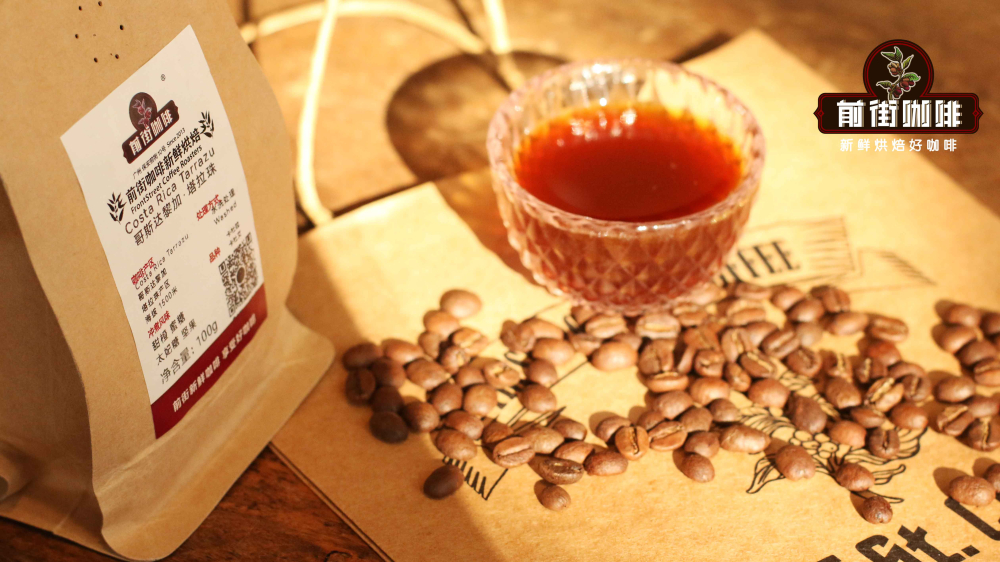
The volcanic soil of Costa Rica's Tarrazú region gives coffee a bright citrus note. The strictly controlled shade-growing system in this area allows coffee cherries to mature slowly, developing a complex flavor of sweet orange, maple syrup and nuts. For pour-over, a V60 dripper is recommended, 1:15 coffee-to-water ratio, staged extraction (first pour to 1/3 of the water for a 30-second bloom, then pour in two stages to finish).
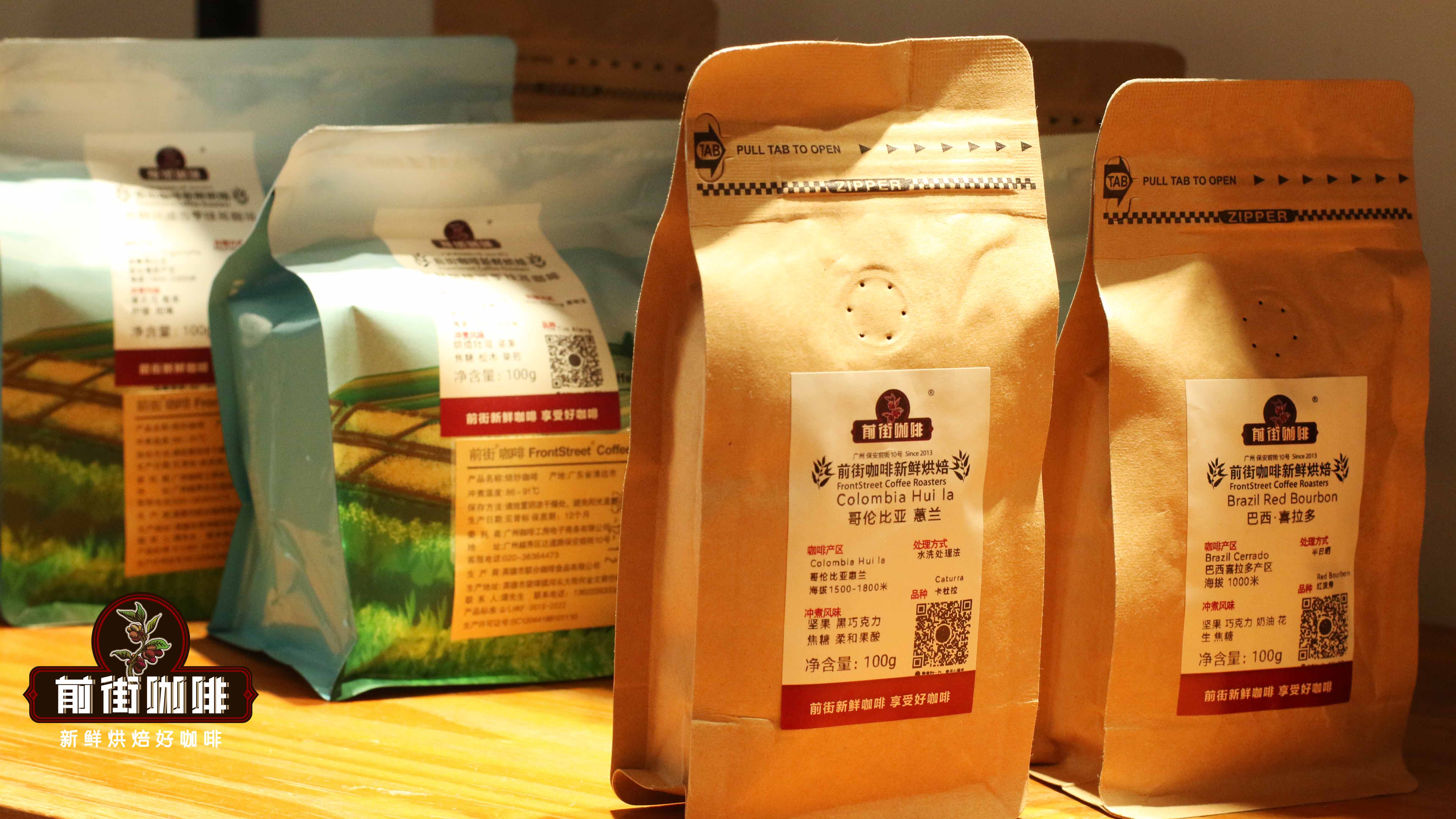
Colombia's Huila region is known for consistent high quality, and its high-altitude cultivation (1400-1800 meters) creates a full body. This bean often carries the sweetness of dark chocolate and caramel, paired with the nutty notes of almond cookies, suitable for drinkers who prefer a balanced cup. Avoid over-extraction; keep the coffee-to-water ratio within 1:16.
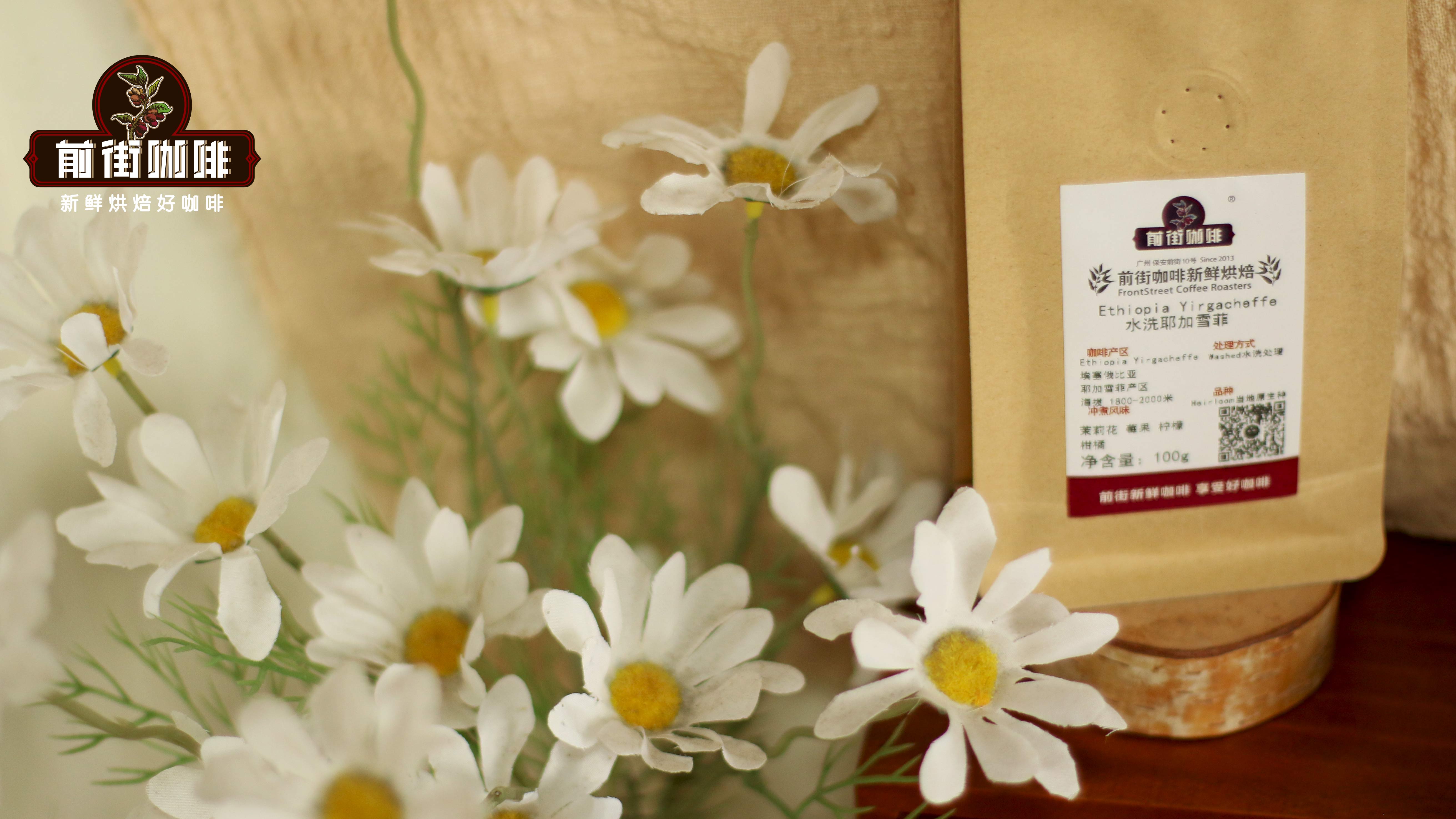
Ethiopia, the birthplace of coffee, and the Yirgacheffe region's Geisha variety display extreme floral expression. Its unique natural processing retains more of the mucilage layer, developing a fresh combination of white florals, lemon and green tea. For pour-over, shorten the bloom time (20 seconds is enough) and use a high water temperature (93-94°C) to release aromatic molecules.
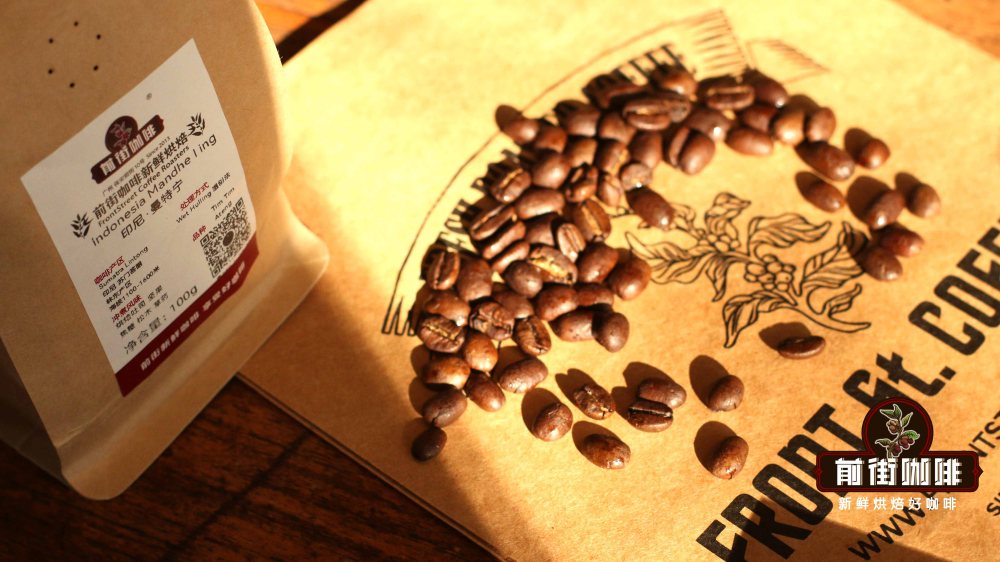
The herbal aroma of Indonesia's Sumatra Mandheling comes from its unique wet-hulling process. This accelerated drying method strengthens earthy and spicy notes, and with a medium-dark roast it presents a heavy mouthfeel of dark chocolate and caramel. It is recommended to use a flannel filter cloth to extend extraction time, and the water temperature can be slightly lower at 88-90°C to soften rough tannins.
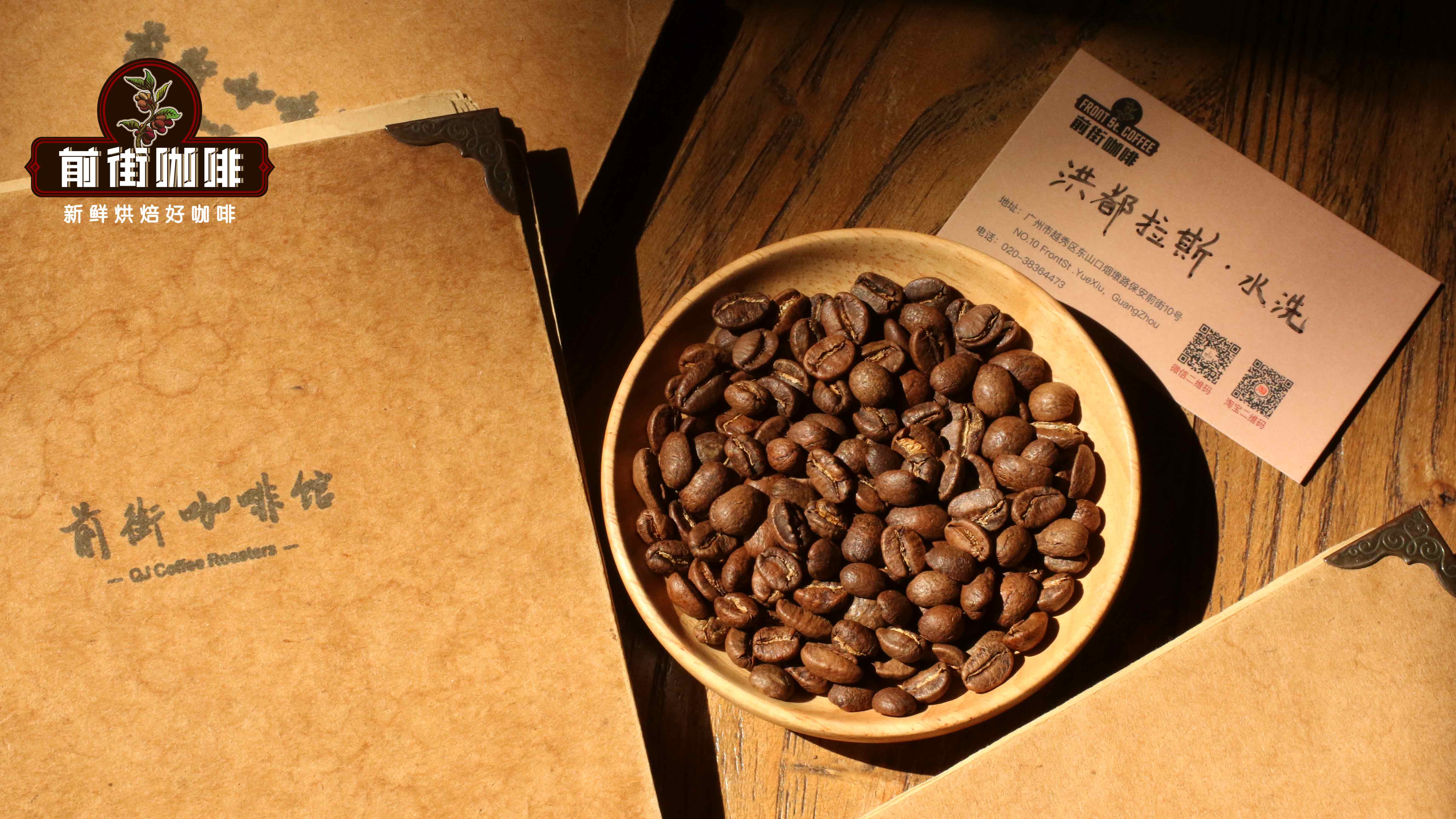
Honduras washed Catuai displays the balanced characteristics of Central American beans. Its nutty and maltose sweetness comes from strict fruit selection procedures. For pour-over, a trapezoidal dripper (such as Kalita Wave) is recommended to promote even extraction; a 1:14 coffee-to-water ratio better highlights its malt flavor.
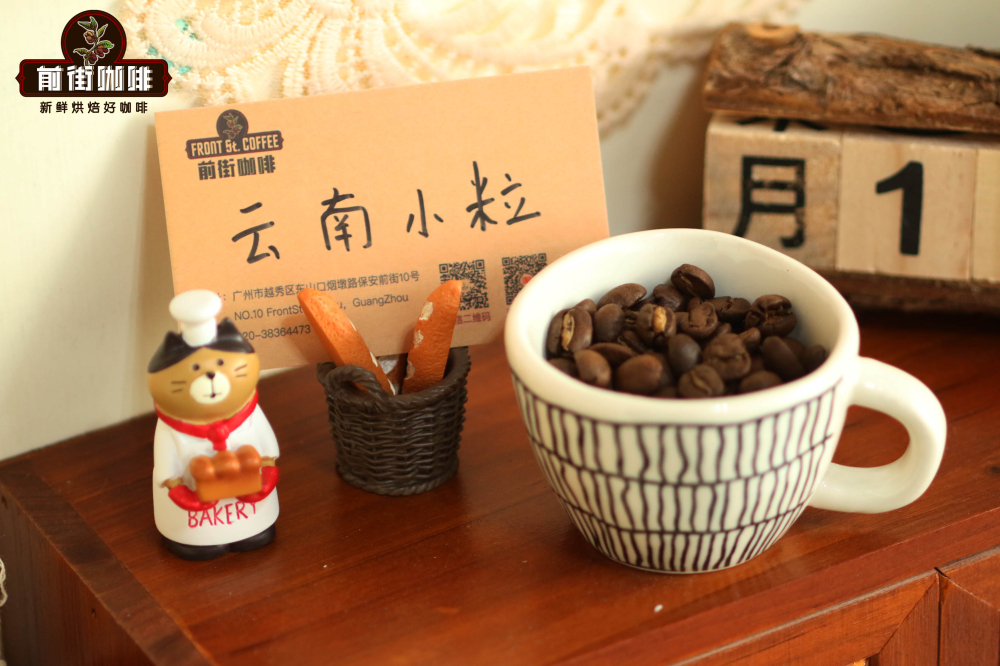
China's Yunnan small-bean coffee has improved significantly in quality in recent years, and the altitude advantage of the Lincang region (1200-1800 meters) gives it a clean acidity similar to Central and South American beans. The combination of brown sugar and tea notes is suitable for iced pour-over; it is recommended to extend the bloom time to 40 seconds to awaken dormant flavors.

Panama's Hacienda La Esmeralda Diamond Mountain series represents auction-grade Geisha quality, with planting altitudes above 1600 meters giving an elegant balance of citrus and black tea. This bean is sensitive to water quality; use filtered water and keep the grind slightly coarser (65% passing a Chinese standard No. 18 sieve).
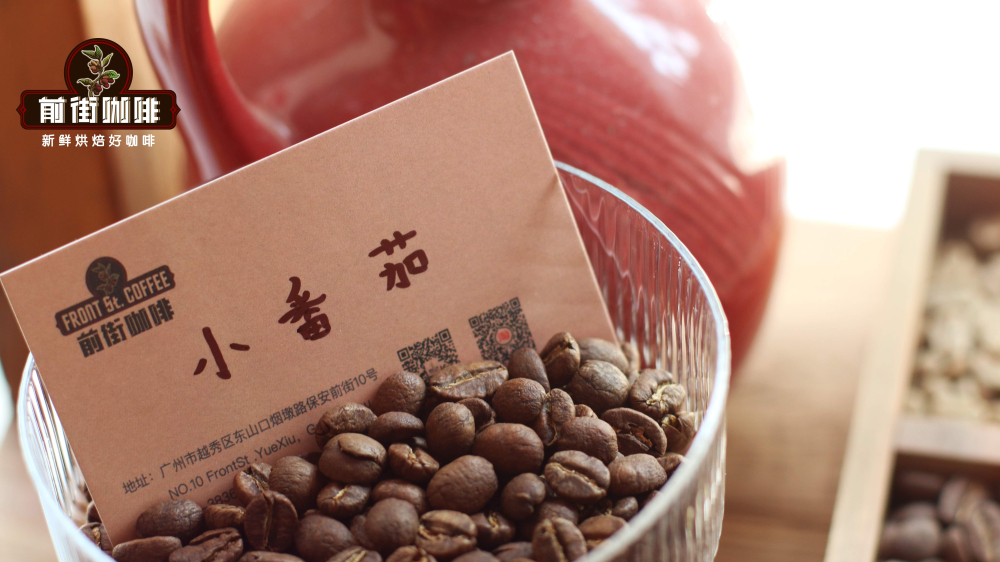
Kenya's SL28 variety, through its double fermentation process, creates a signature sour plum acidity, while the fruity notes of cherry tomato and black plum come from the intense ultraviolet stimulation of high-altitude growing areas (1700-2000 meters). Using a "pulse pouring" method during pour-over can effectively enhance acidity clarity.
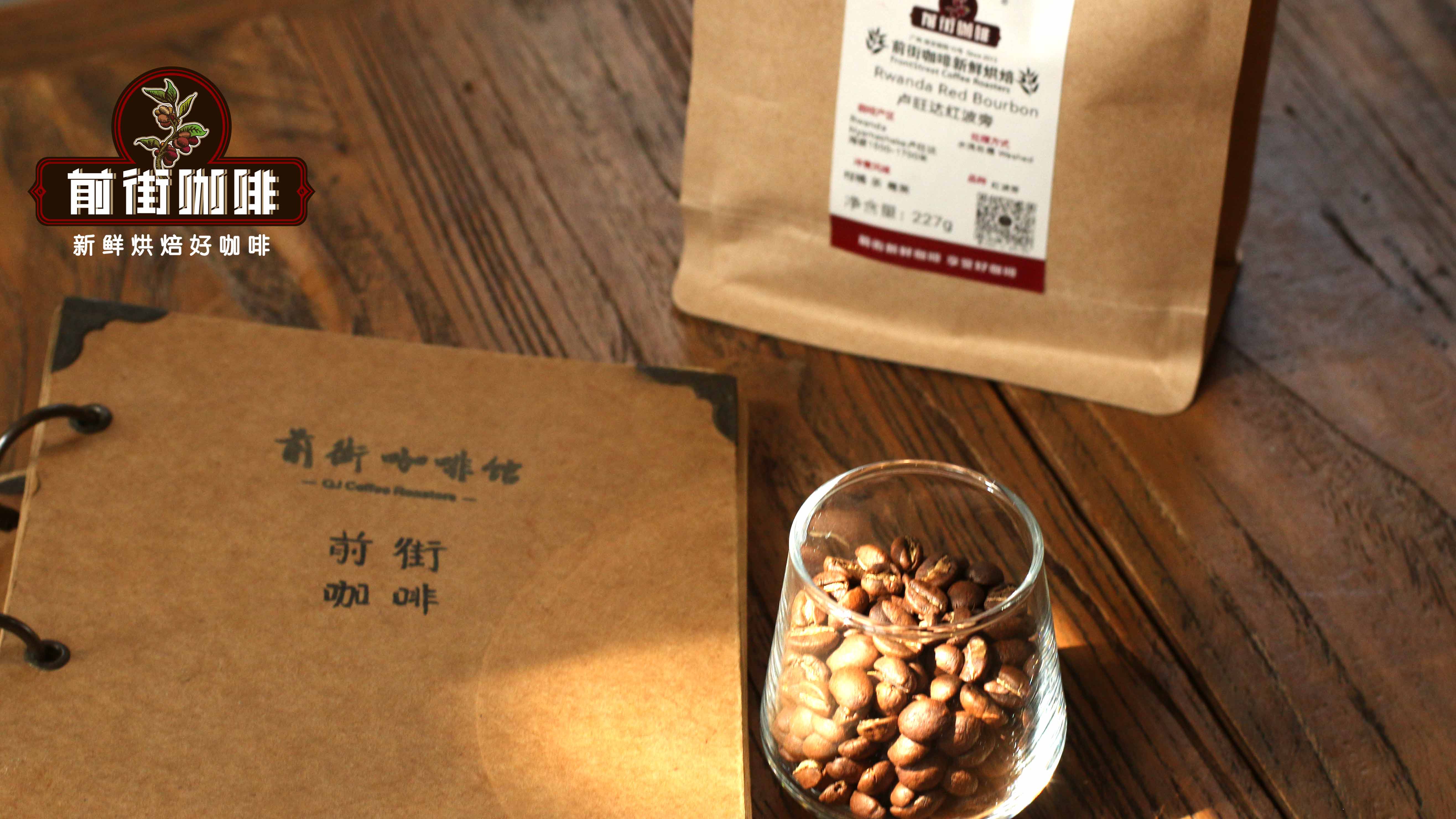
The refined processing of Rwanda's Red Bourbon demonstrates the potential of African beans, and the all-red-cherry selection system ensures the quality of every green bean. The fresh combination of apple and green tea is suitable for cold brew; extending the extraction time to 4 minutes better develops the berry notes.


