Coffee Bean Freshness Guide: 5 Key Tips for Buying Pour-Over Beans
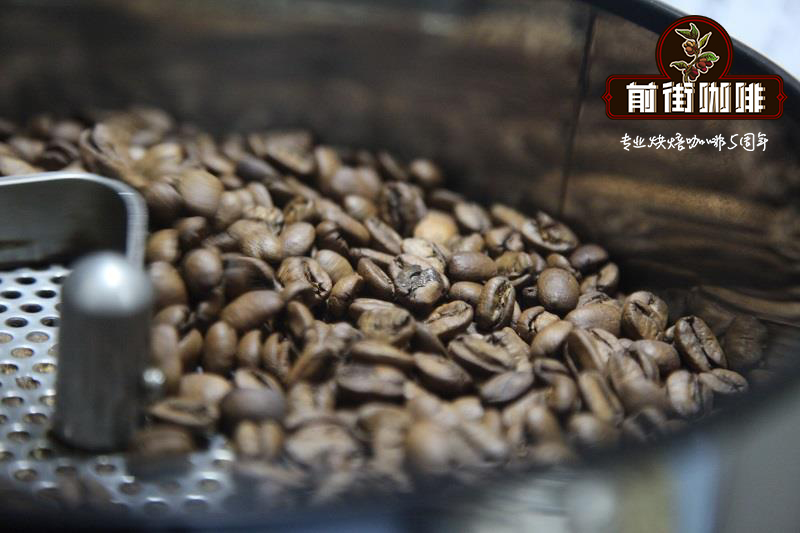
Introduction: Freshness is the core factor that determines coffee flavor. This article explains intuitive methods for judging whether coffee beans are fresh, including aroma, oil state, and brewing performance, exposes common storage traps for supermarket coffee beans, and provides tips for identifying roast dates and advice on purchasing channels, helping coffee lovers easily select products at their peak flavor window for pour-over coffee or everyday drinking beans.
To taste a cup of coffee with outstanding flavor, freshness and fresh grinding are two non-negotiable foundations. Compared with origin information, roast time has a more direct impact on the flavor coffee ultimately presents—coffee's aromatic compounds can usually remain stable for only about one month, which is also why those supermarket shelf beans with unclear production dates often struggle to show the layering they should have.
Coffee is similar to fresh ingredients, and its quality deteriorates significantly over time. Oxygen, humid environments, and light are the three main culprits that accelerate flavor loss, and even sealed packaging cannot completely stop this process. Professional advice is to use the coffee within 30 days after roasting is completed, when the balance of acidity, sweetness, bitterness, and saltiness, as well as body and sweet aftertaste, are at their peak. Yet most prepackaged coffee products on the market are already well past this golden window by the time they are actually sold.
The most noticeable feature of fresh coffee beans is reflected in the layers of aroma: the moment the bag is opened, there should be a clear nutty sweetness and a soft fruity acidity, rather than a stale warehouse smell or a sharp, burnt odor. During brewing, after fresh high-quality beans are ground, the coffee bed quickly releases carbon dioxide, forming an obvious "rising and swelling" phenomenon in the dripper (commonly known as the coffee bread effect), which is a sign that active substances are fully interacting with water molecules. Conversely, if the coffee bed shows no reaction after pouring, or even sinks, it means the internal gases have been completely lost; such beans not only taste flat but may also produce an unpleasant cardboard flavor.
Observing the oil state after brewing is also an important indicator. The oils of freshly roasted coffee should show a clear golden color, moderate fluidity, and even coating on the cup; coffee liquid that has been stored too long often has a cloudy oil film on the surface and a rough, gritty mouthfeel. Professional baristas recommend verifying through small-batch tests: take a small amount of ground coffee, add hot water, and let it sit for 30 seconds; fresh beans produce thicker, denser crema with a bright amber sheen.
Identifying the true roast date of coffee beans requires special attention to packaging labeling traps. Many supermarket channels only mark a "best before" date (usually 12–24 months after roasting), by which time more than half of the coffee's flavor compounds may have broken down. The correct approach is to look for the "Roast Date" embossed or laser-printed on the packaging; if only shelf-life information is available, it is advisable to estimate the roasting period by subtracting 12 months from the expiration date. It is worth noting that countries such as South Korea currently have no unified regulations on this, and some manufacturers even mark an ultra-long 24-month period; such products often perform far worse in actual flavor.
Recommended priority for reliable channels for purchasing fresh coffee beans: direct purchase at specialty coffee shops > brand official website e-commerce > offline professional roasteries > chain supermarkets. When buying online, be sure to confirm that the seller provides a clear screenshot of the roast date; after receiving the goods, check the packaging seal and transfer the beans as soon as possible to a container with a one-way degassing valve for storage. For daily storage, keep away from light and moisture; the ideal environment is a sealed cabinet at 10–20°C, and never put coffee in the refrigerator, where condensation can damage the flavor structure.


