Guatemala Antigua Coffee Bean In-Depth Review: Flavor Profile and Growing Regions
Introduction: Guatemala is the world's ninth-largest coffee producer, and its Antigua region's unique volcanic soil and climate nurture flavor-rich Strictly Hard Bean (SHB) coffees. This article details the terroir characteristics and signature flavors of Guatemala's eight growing regions, focuses on the secret to Antigua coffee's sweet-acid balance, and provides professional brewing parameters and a flavor cupping guide to help you precisely grasp the essence of Central American specialty coffee.
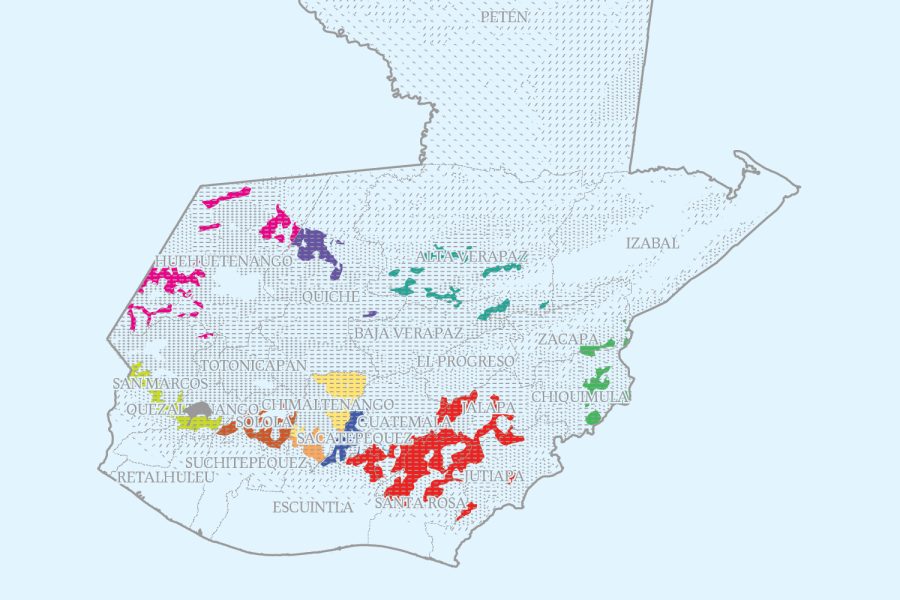
Guatemala lies in the Central American isthmus, where mountains and highlands shaped by extensive volcanic activity form a unique landscape, and this geological environment has established the country's status as a major producer of the world's high-quality Strictly Hard Bean (SHB). Among these, the Antigua region, with its signature rainforest smoky flavor and complex layering, is recognized by coffee lovers worldwide as the exemplary representative of Central American coffee flavor.
[Terroir Profiles of the Eight Regions]
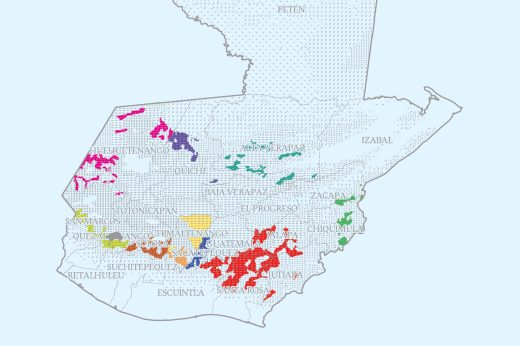
Guatemala's eight regions each have their own characteristics, together building the flavor map of this Central American coffee powerhouse. First among the three non-volcanic regions is the Huehuetenango Highlands (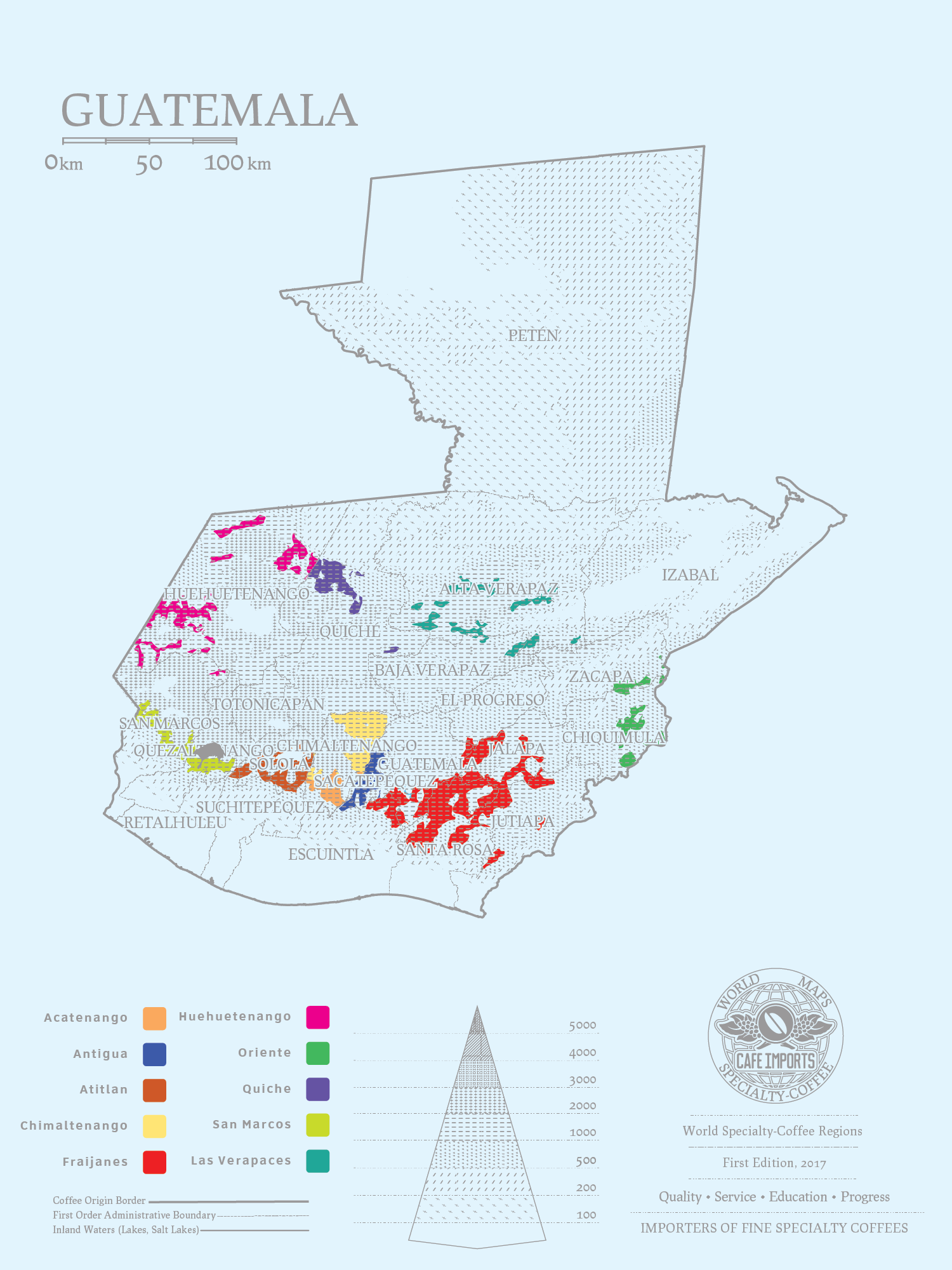 ), known for its dry climate at 1,800-2,000 meters, where S.H.B.-grade beans show a perfect balance of high acidity and rich vinous aroma, with a wine-like finish as their signature trait.
In sharp contrast, the Cobán Rainforest region (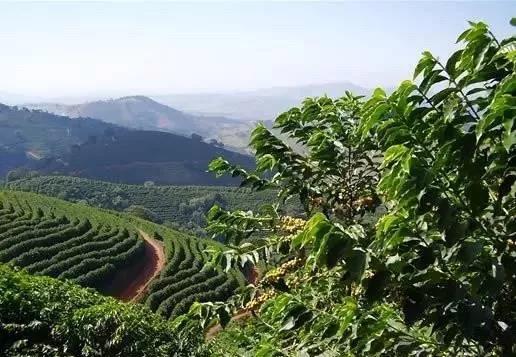 ), relying on year-round moist limestone soil, produces a tropical fruit bomb with green apple acidity, berry notes and jasmine aroma, often with an unexpected smoky aftertaste. The emerging New Oriente region, with the balanced minerals of its metamorphic rock soil, creates a full-bodied taste with prominent chocolate notes but soft fruit acidity.
[Analysis of the Core Antigua Region] (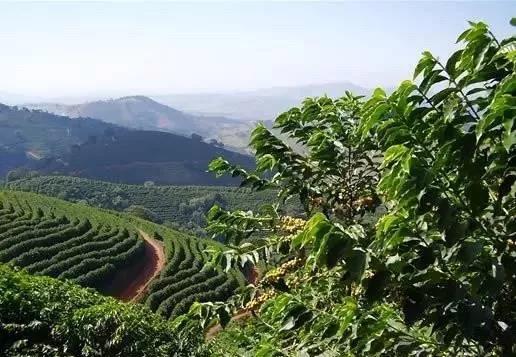 )
The Antigua region, crowned "classic," is encircled by three volcanoes—Agua, Fuego and Acatenango. Although rainfall is relatively low, a microclimate with a diurnal temperature difference of 10-15°C, combined with the water-retaining properties of volcanic pumice, successfully cultivates top-quality coffee with balanced acidity, sweetness, bitterness and aroma. Coffees from this region generally have a compound sweetness of tobacco and milk chocolate, and at a light roast they bloom with stunning tropical floral aromas.
The neighboring Acatenango Valley continues a similar style; its sandy soil at 2,000 meters is rich in volcanic minerals, and traditional family processing preserves more original flavor, with its layered dry and wet aromas and clear finish highly praised. The San Marcos region, the wettest area with the most rainfall (annual rainfall up to 5,000 mm), uses a combined process of pre-drying plus mechanical drying, producing medium-dark roast selections with caramel and stone-fruit notes.
[In-Depth Experience of a Representative Antigua Bean]
Taking a Bourbon and Caturra blended bean from the Antigua region as an example (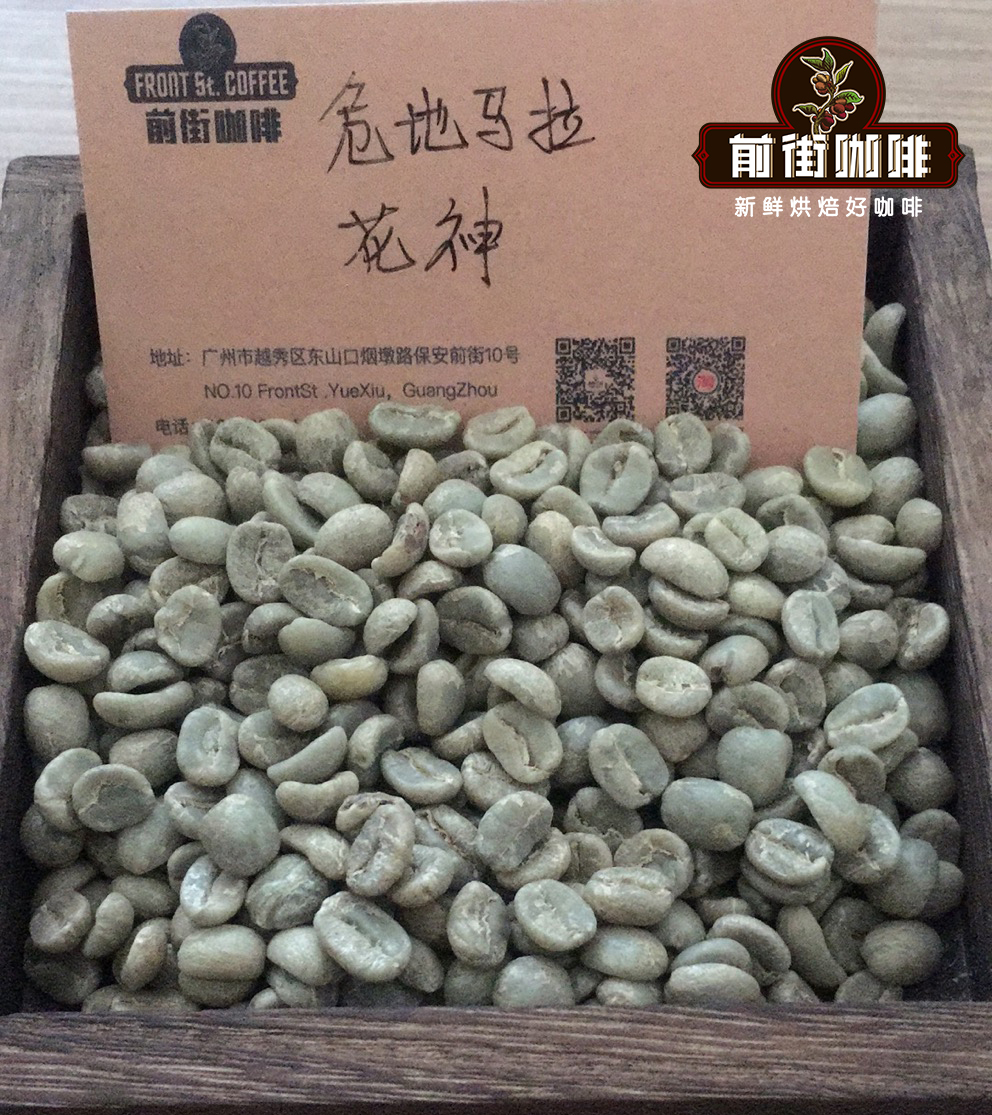 ), its washed processing includes strict flotation removal of defects (
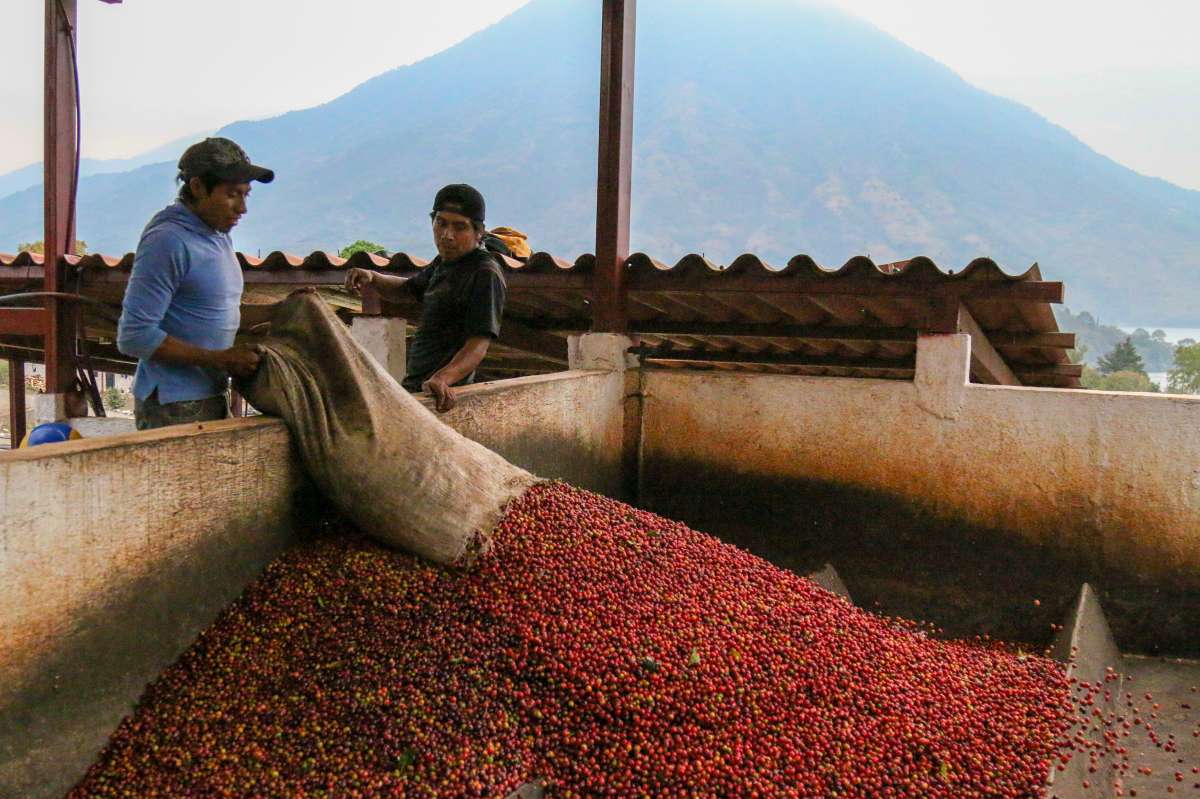 ), 16-36 hours of pectin fermentation (
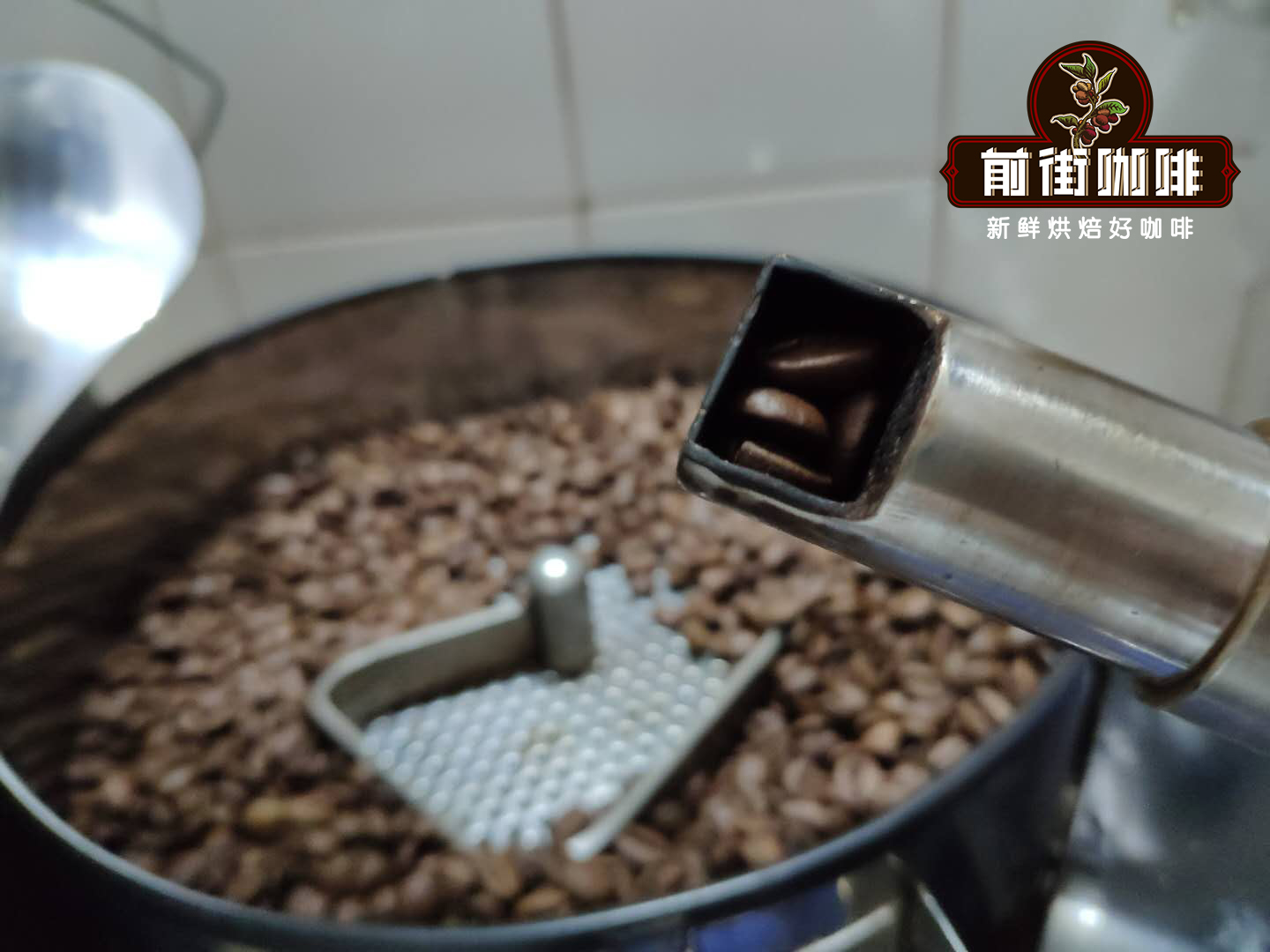
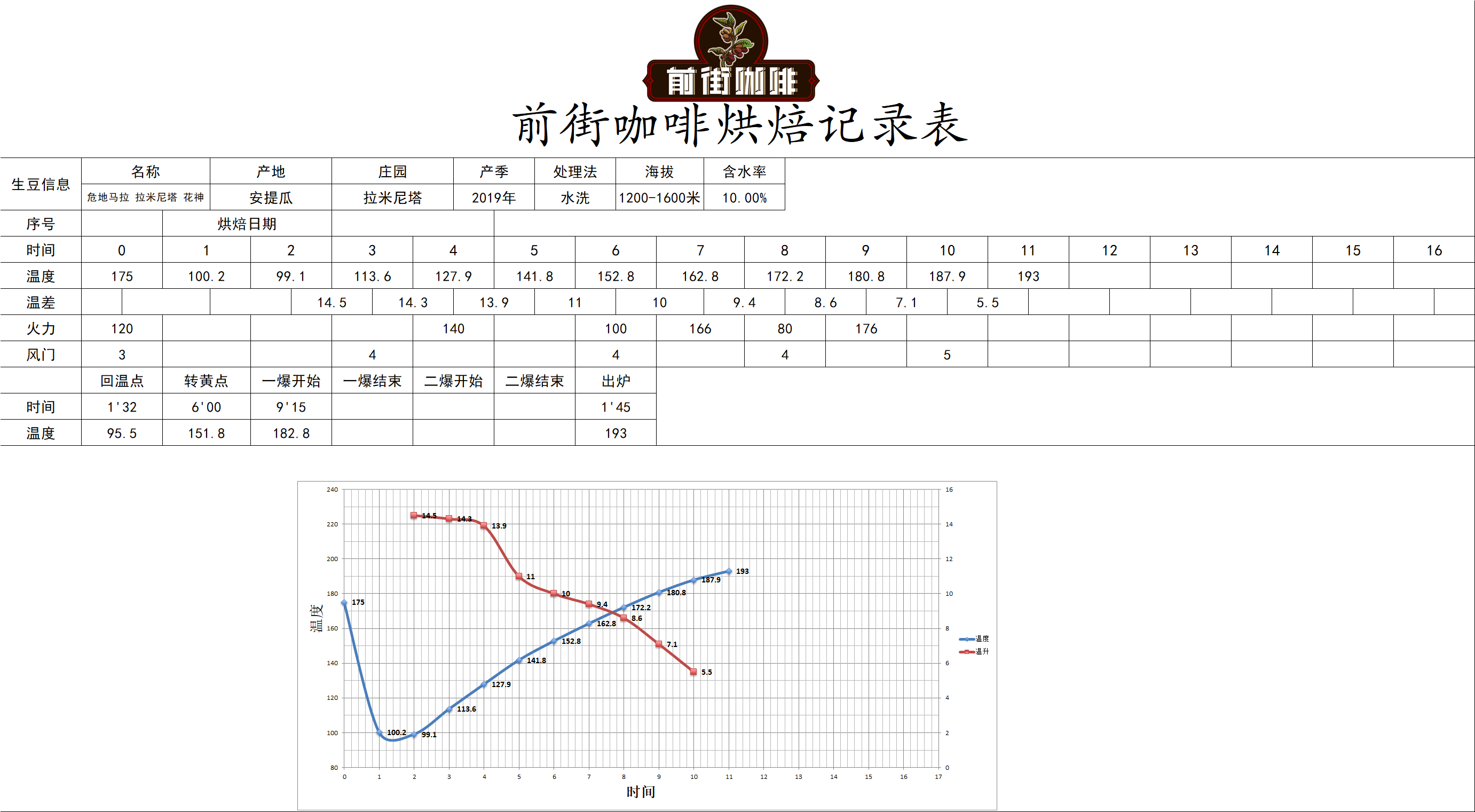
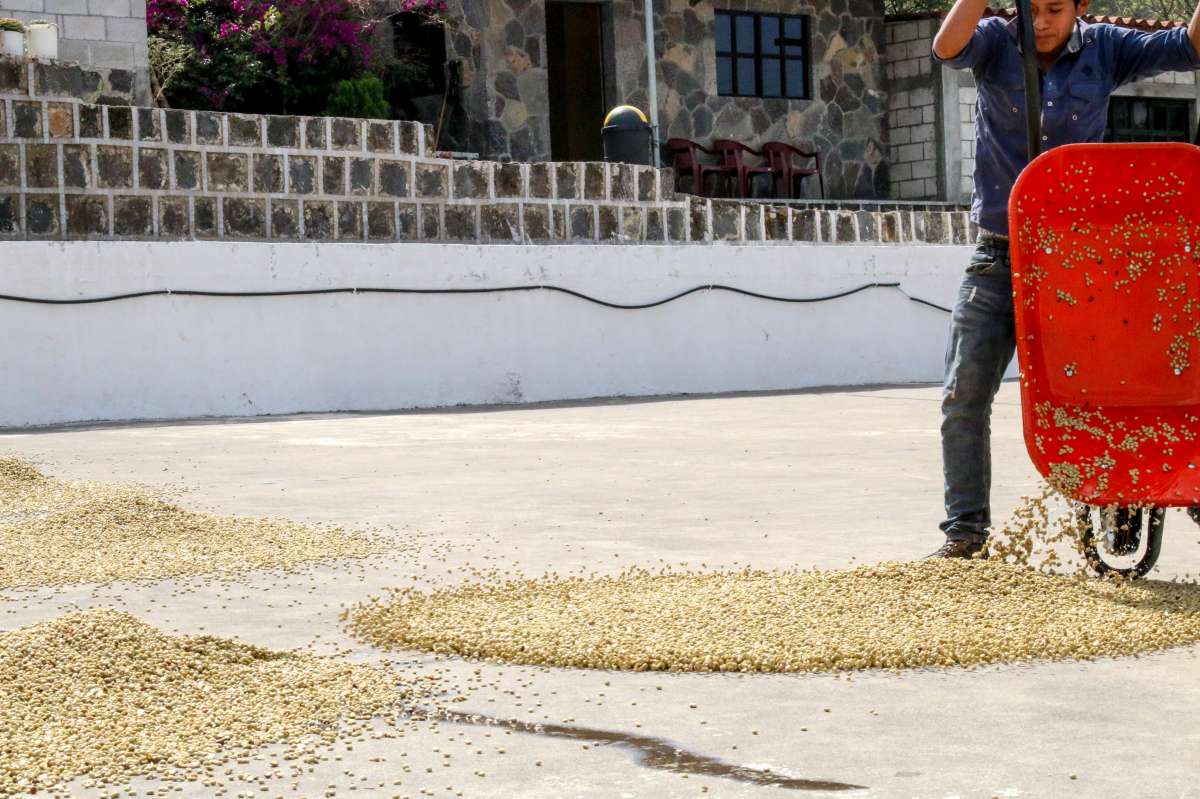 ) and precisely temperature-controlled drying (moisture content 10-14%). For professional roasting, a medium-roast plan is recommended (such as a Yangjia 600N semi-direct-flame model), with a curve design of charge temperature 200°C → first crack development 195.3°C, which balances floral-fruity aroma and body.
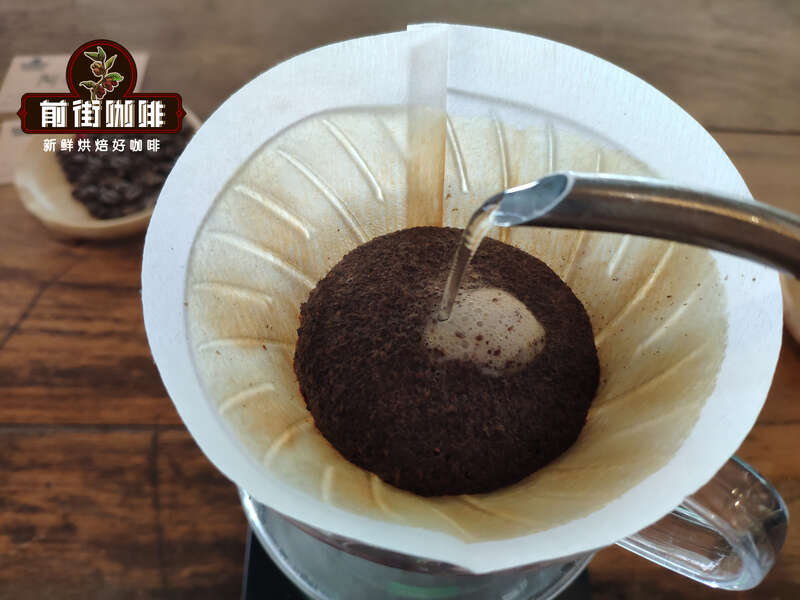
Cupping performance usually presents a three-stage layering of dry aroma of dried fruit and cocoa (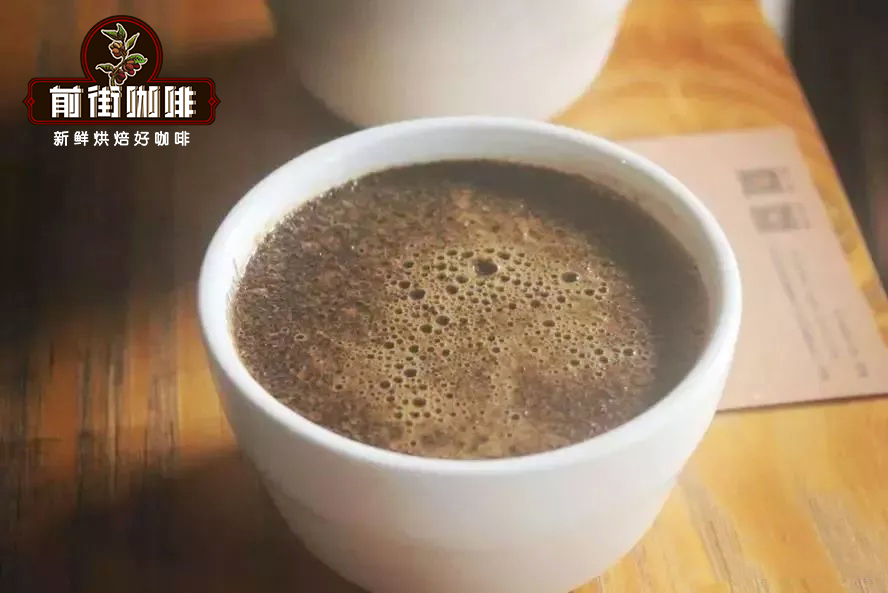 ), wet aroma of jasmine, and flavors of berry, smoked plum and chocolate. Recommended pour-over parameters: V60 dripper/15 g grounds/92°C water/1:15 coffee-to-water ratio; with the technique of 30 g bloom → staged pouring to 225 g, the transition from citrus acidity to honey sweetness is highlighted.
[Notes on Processing Differences by Region]
Particular attention should be paid to the full natural process used in high-altitude regions such as the Fraijanes Plateau, whose smoky flavor intensity differs markedly from the orange-peel freshness of the Atitlán region. Professional enthusiasts can observe bean density (Antigua beans are usually harder and denser) and the concentration of nutty aroma when grinding to help judge regional characteristics.
(Image placeholders retained: 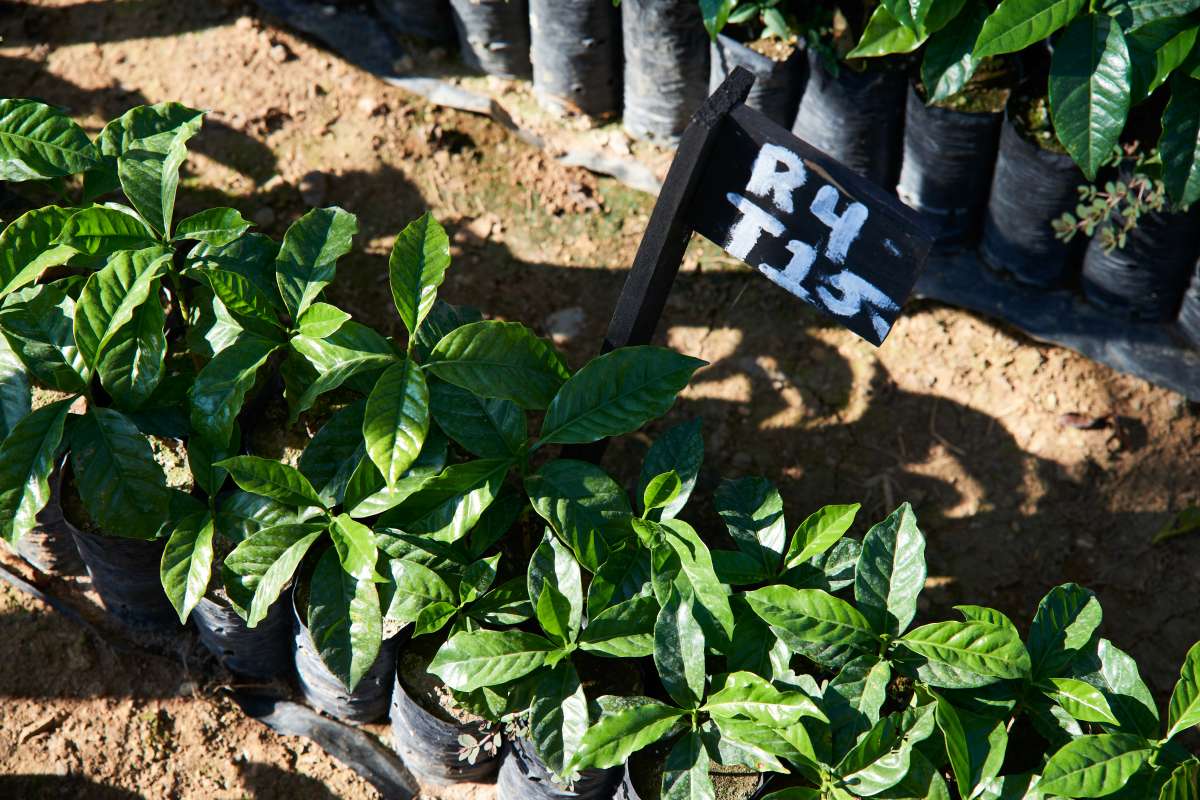
 )