Guatemala Coffee Guide: 8 Regions and Pour-Over Parameters
Introduction: Guatemala, a top Central American coffee origin, produces layered specialty coffee thanks to volcanic soil and high altitude. This article takes an in-depth look at the unique terroir of the country's 8 core regions, reveals the bright acidity and smoky finish created by washed processing, and offers professional-grade pour-over parameter suggestions to help you precisely grasp the flavor codes of each region from Huehuetenango to Acatenango.
Guatemalan coffee was once hailed as the "pearl of Central America," and its unique appeal stems from the vivid flavor layers nurtured by high-altitude volcanic soil. The coffee produced here not only has bright, high-quality acidity but also a rare smoky quality, giving the overall flavor structure clear dimension. The country's coffee cultivation is concentrated in highland areas above 1,500 meters, where the tropical rainforest climate and the temperature difference between day and night together create complex flavor expression.
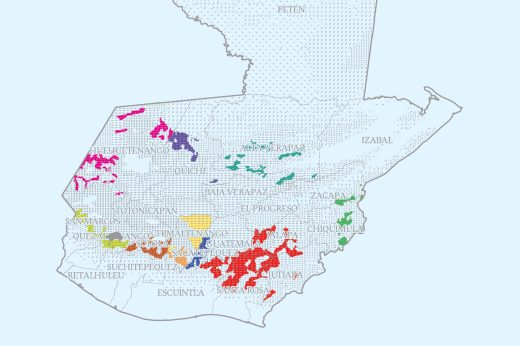
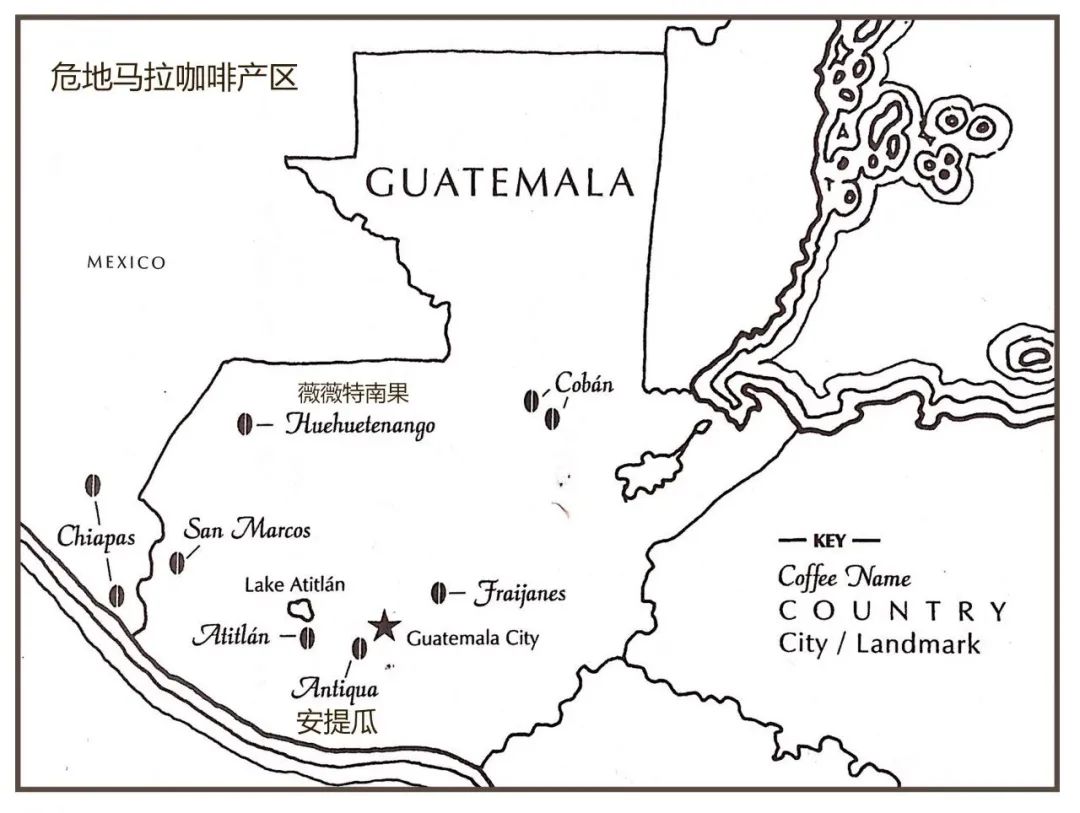
The country is divided into eight distinctive regions, among which the five volcanic regions (Atitlán, Antigua, Acatenango Valley, San Marcos, and Fraijanes Plateau) and the three non-volcanic regions (Huehuetenango, Cobán, and Nuevo Oriente) each have their own terroir characteristics. The highest-altitude Huehuetenango region (1,800–2,100 meters) is known for washed processing; its abundant water resources provide ideal conditions for this craft, which requires precise water control, creating the region's signature nutty notes and berry acidity.
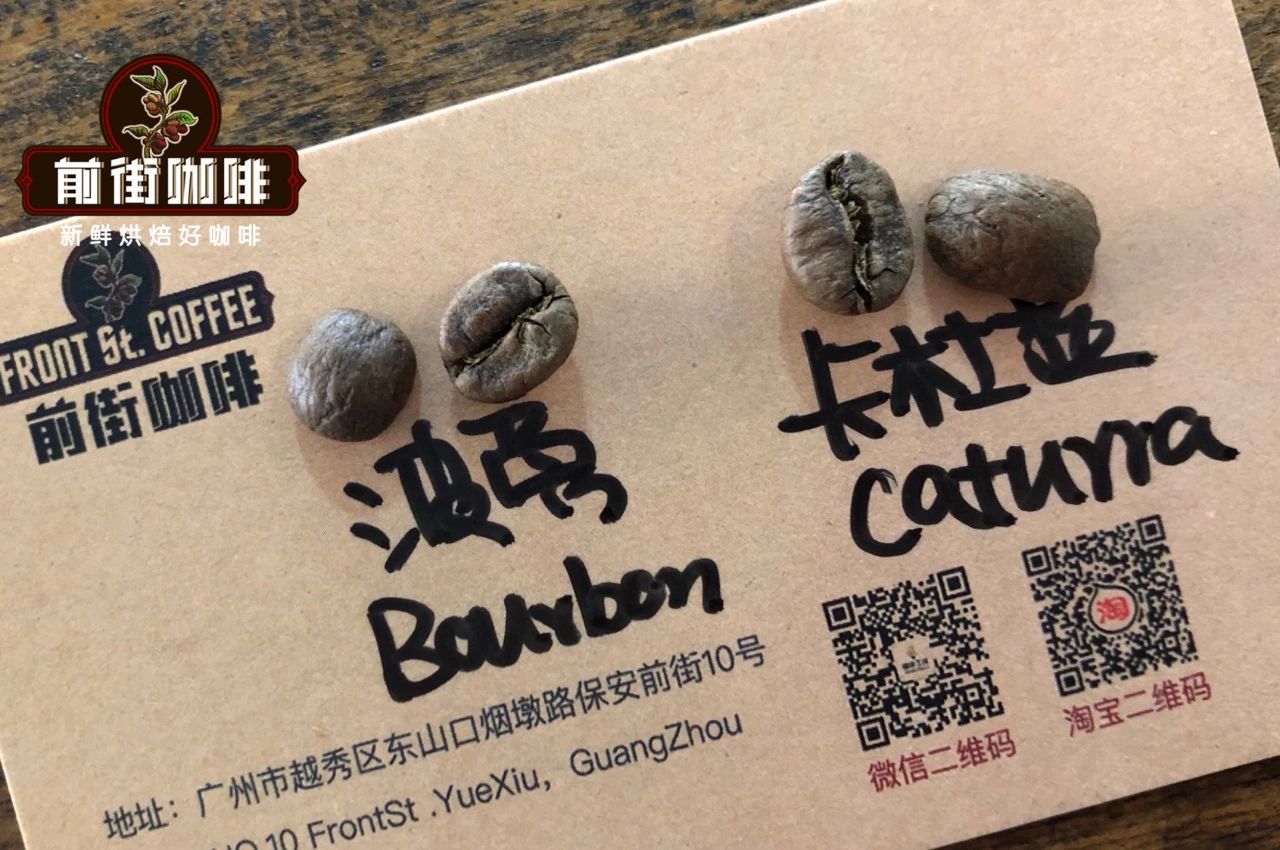
Guatemala mainly grows classic Arabica varieties such as Bourbon and Caturra, and the processing preferences of different regions directly affect the final flavor. Washed processing, the local mainstream method, removes defective beans by flotation, then depulps and ferments to remove mucilage, and finally dries to 11–13% moisture content. This process highlights white floral and citrus notes while softening potential smokiness, making cleanliness and acidity more prominent.
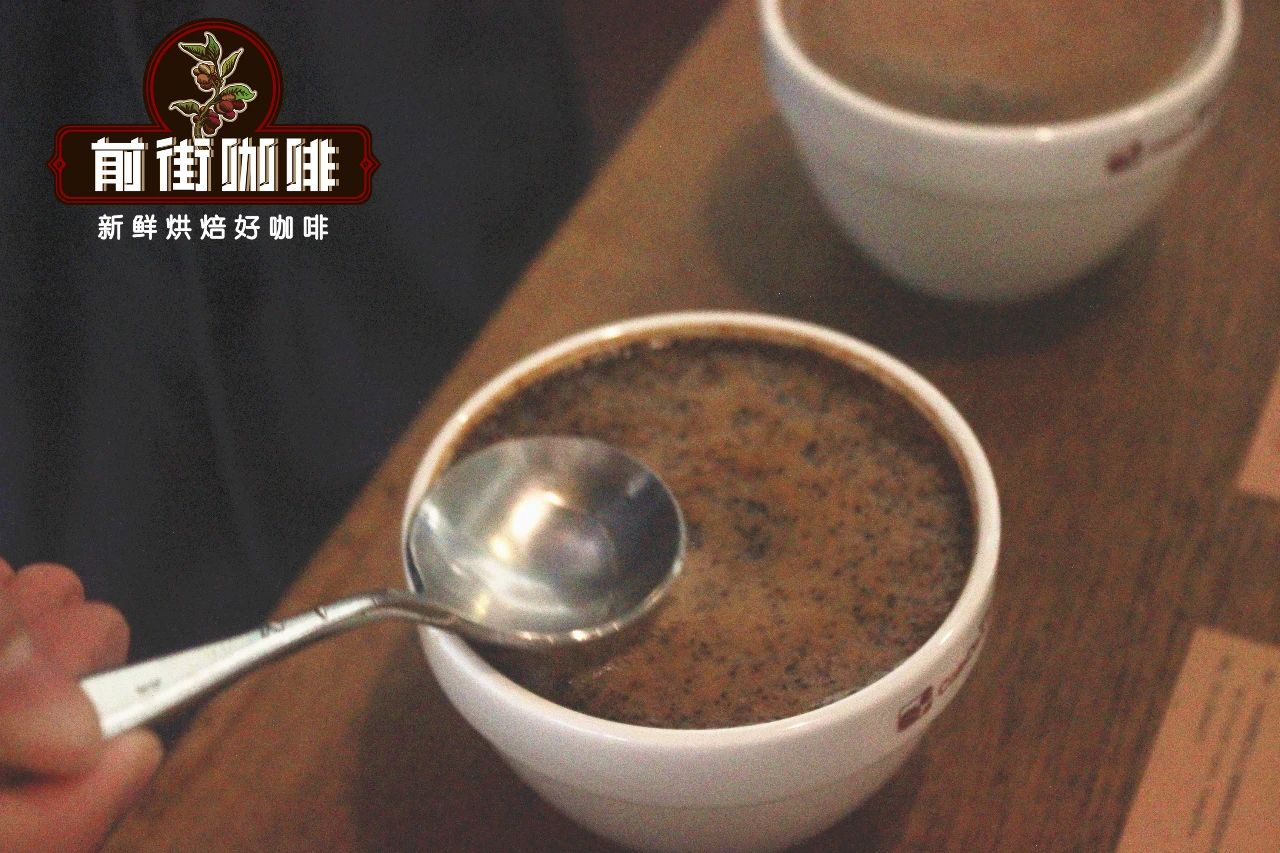
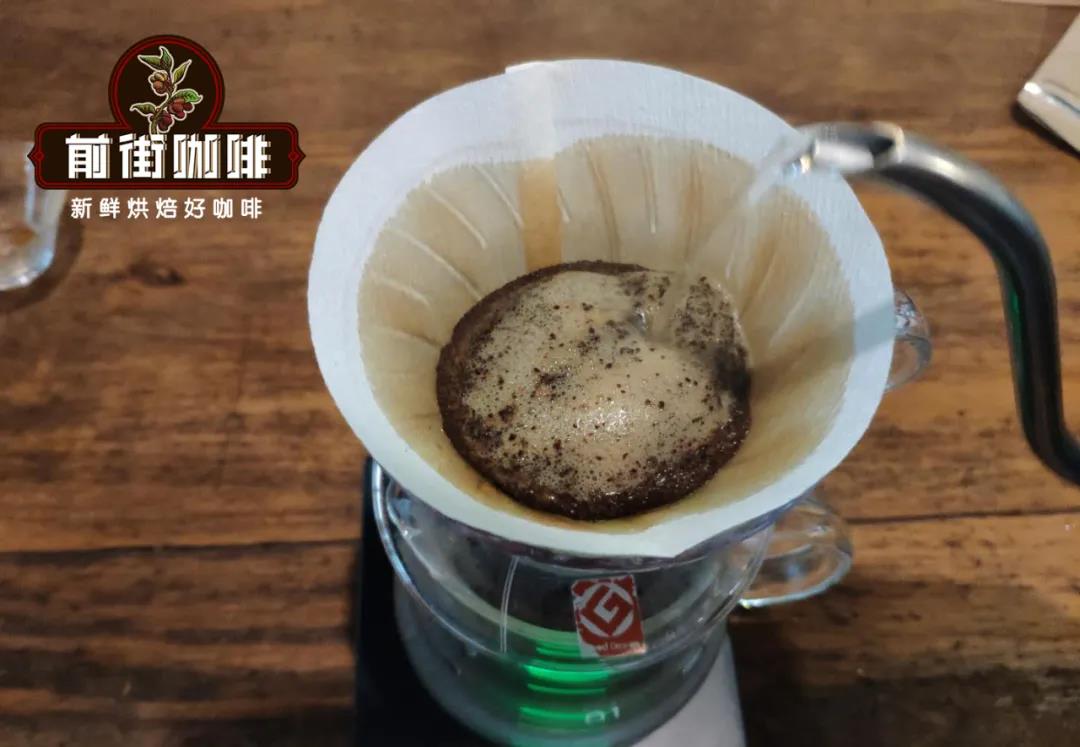
For actual tasting, a professional cupping method can be used: a standard 200ml cupping bowl, a grind with 70%–75% passing through a No. 20 sieve (about 11.3g of grounds), and 94°C water. Observe the floral and caramel aromas in the dry fragrance stage, and when breaking the crust 4 minutes after pouring, note the citrus wet aromas such as lemon. For pour-over, a V60 dripper is recommended, with 90°C water and a 1:15 coffee-to-water ratio; a three-stage pour (first stage 30g water for a 30-second bloom, second stage pour to 125g at 54 seconds, third stage pour to 225g at 1 minute 40 seconds, total time 2 minutes 10 seconds) can fully bring out the sweet-acid balance.
The flavor characteristics of each region differ markedly: coffee from Huehuetenango opens with citrus and berry acidity, reveals lemon peel and nutty aromas in the middle, and finishes with a distinctive tea-like note; the Antigua region shows fuller berry acidity, accompanied by a layered progression of citrus, chocolate, and cedar. The high-altitude Acatenango region, though near a volcano, has relatively restrained fruit acidity and is known for its full body and honey-like sweetness; the sugar accumulation brought by the day-night temperature difference gives it a long finish.
Guatemala's unique altitude grading system deserves attention: growing height directly affects coffee quality grade, and for every 100 meters of elevation gain, the coffee grows more slowly and accumulates more flavor compounds. Green beans from high-altitude regions are denser and usually receive higher ratings. Professional roasters often predict bean character from altitude parameters—high-mountain beans above 1,800 meters are suited to highlighting acidity and floral-fruity notes, while beans from 1,500–1,700 meters are more balanced and suited to showing a chocolate and nut base.
When buying, pay attention to the logic of matching processing method with region: washed processing strengthens cleanliness and bright acidity, suiting consumers who prefer a fresh profile; natural processing enhances body and sweetness, and fits better with the smoky potential of regions such as Huehuetenango. For storage, use foil bags with a one-way degassing valve, keep out of light at 10–20°C, and use within two weeks after opening to preserve the best flavor window.
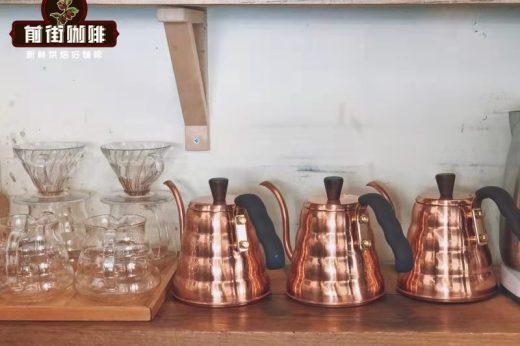
For advanced enthusiasts, blending experiments with different regions are worth trying: mixing Antigua's chocolate base with Huehuetenango's berry acidity at a 7:3 ratio can create a richly layered combined flavor. In terms of pour-over equipment, V60 is suited to showing acidity details, while Kalita Wave better balances body. For brewing water, filtered water is recommended, with TDS controlled in the 120–150ppm range to avoid hard water affecting extraction uniformity.