Asia's Six Major Coffee Regions: Yunnan, Indonesia, and Papua New Guinea Bean Guide
Introduction: Asian coffee is known for its rich, full-bodied character, with different regions developing distinct flavors due to differences in altitude, climate, and processing methods. This article details the core growing zones of three major producing regions—China's Yunnan, Indonesia, and Papua New Guinea—and compares the flavor performance of varieties such as Catimor and Typica under processes including natural, washed, and wet-hulled methods, covering the characteristics of 15 typical beans to help you precisely choose beans suited for pour-over or roasting.
Asian coffee often gives the impression of being heavy and full-bodied, with the common traits of rounded sweetness and prominent body, though aromatic brightness is relatively mild. From the highland small-bean varieties of China's Yunnan to the wet-hulled beans of Sumatra, Indonesia, each region nurtures specialty coffees of strikingly different styles due to geographical differences.
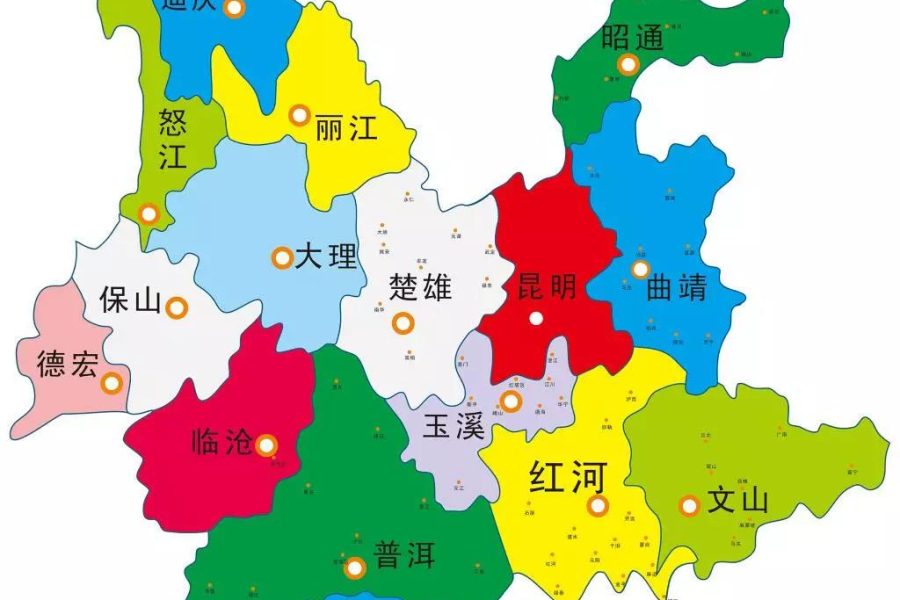
China's Yunnan is an important coffee-producing region in Asia. The main variety, Catimor, is widely planted in Dehong, Baoshan, Pu'er, and other areas, and has also been promoted in Panzhihua, Sichuan, and in Myanmar. The region's altitude generally exceeds 1,200 meters, with abundant annual rainfall, and its volcanic ash soil is rich in minerals. Baoshan's dry-hot valley climate is especially suited to coffee growing—large day-night temperature differences, ample sunshine, and red volcanic soil providing unique nutrients—creating Yunnan beans that are mellow without being bitter and fragrant without being harsh, often with nutty and fruity notes.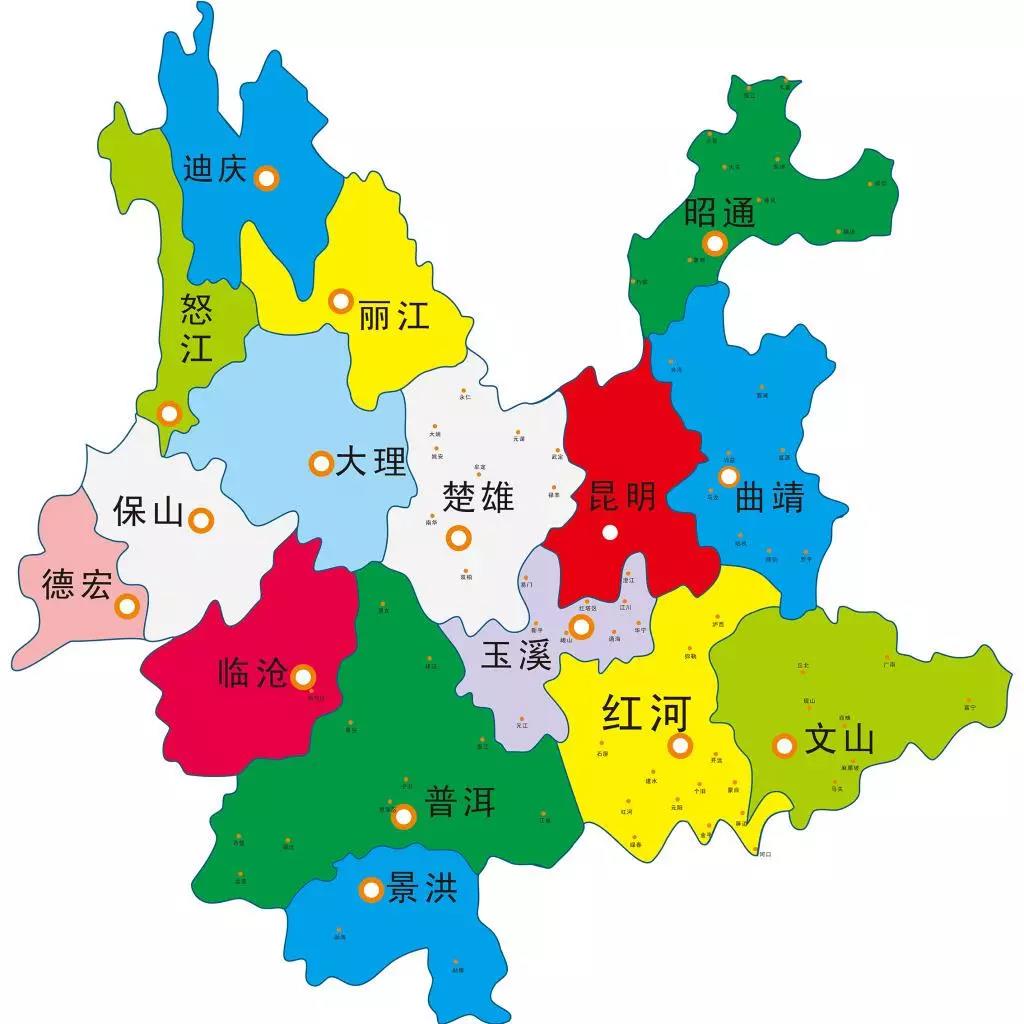
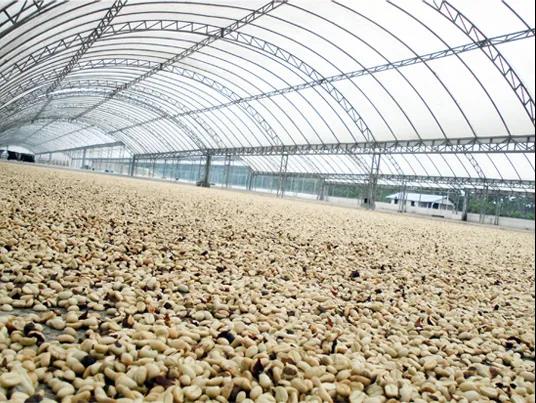
Yunnan's mainstream processing methods fall into two categories: natural and washed. Natural Catimor (at 1,450-1,550 meters) uses fully red cherries sun-dried, with floatation to remove defects, 2-4 weeks of sun drying, and mechanical hulling, ultimately presenting a complex flavor of nuts, chocolate, and spice. This process is low-cost and suited to arid regions, but the evenness of turning during drying must be strictly controlled to avoid mold.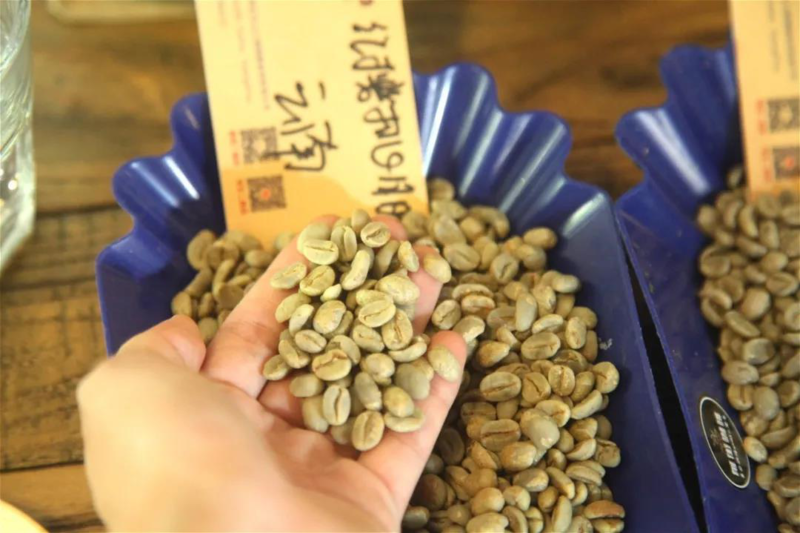
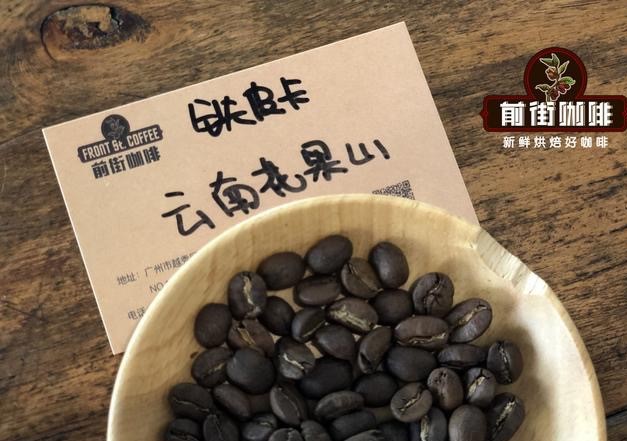
Washed Catimor, meanwhile, goes through pulp removal, fermentation to remove mucilage, and washing with clean water, producing a clean, balanced chocolate profile paired with brown-sugar sweetness and a creamy texture. Another washed Typica bean (Huaguoshan Coffee) differs due to variety, giving off citrus acidity and plum aroma, with a soft black-tea-like finish.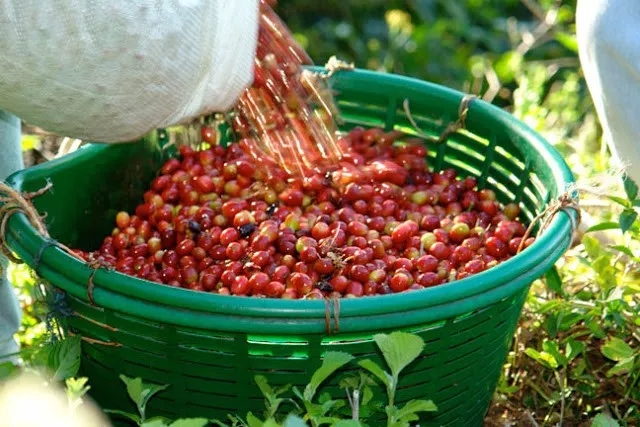

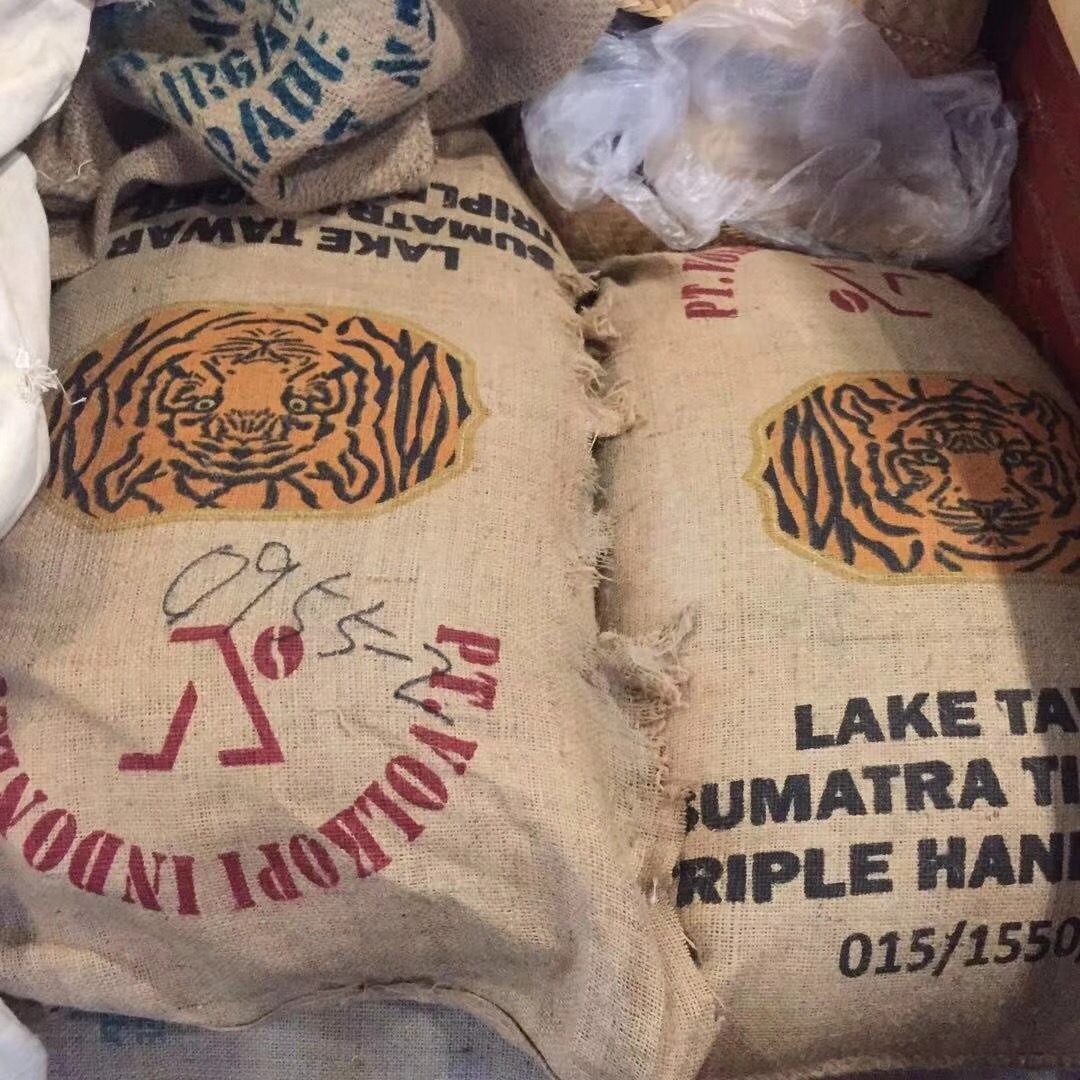
Indonesian coffee is most represented by Sumatra Mandheling, whose wet-hulled processing creates its signature full body. This method accelerates drying by removing part of the parchment layer, forming low-acid, high-body characteristics at altitudes of 1,100-1,600 meters, often accompanied by earthy and herbal notes.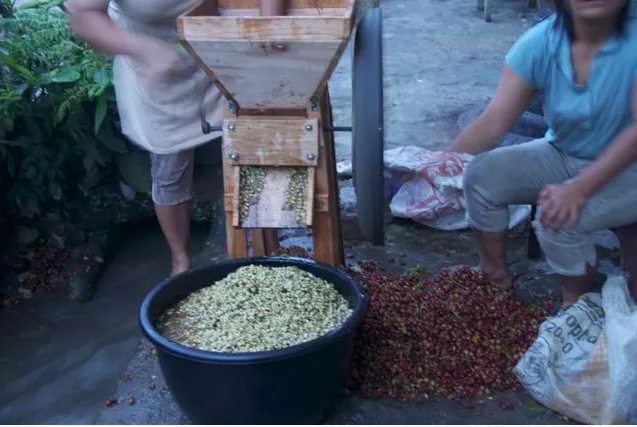
Lintong region Mandheling blends Typica, Caturra, and Catimor, presenting dark chocolate and caramel flavors; Tiger Manor's Tiger Mandheling, thanks to the estate's meticulous management, additionally carries creamy and nutty notes along with a distinctive herbal aroma. Aged Mandheling, stored at controlled temperature for 1-2 years, has reduced acidity that brings out caramel and aged pu-erh notes, with a rounder mouthfeel.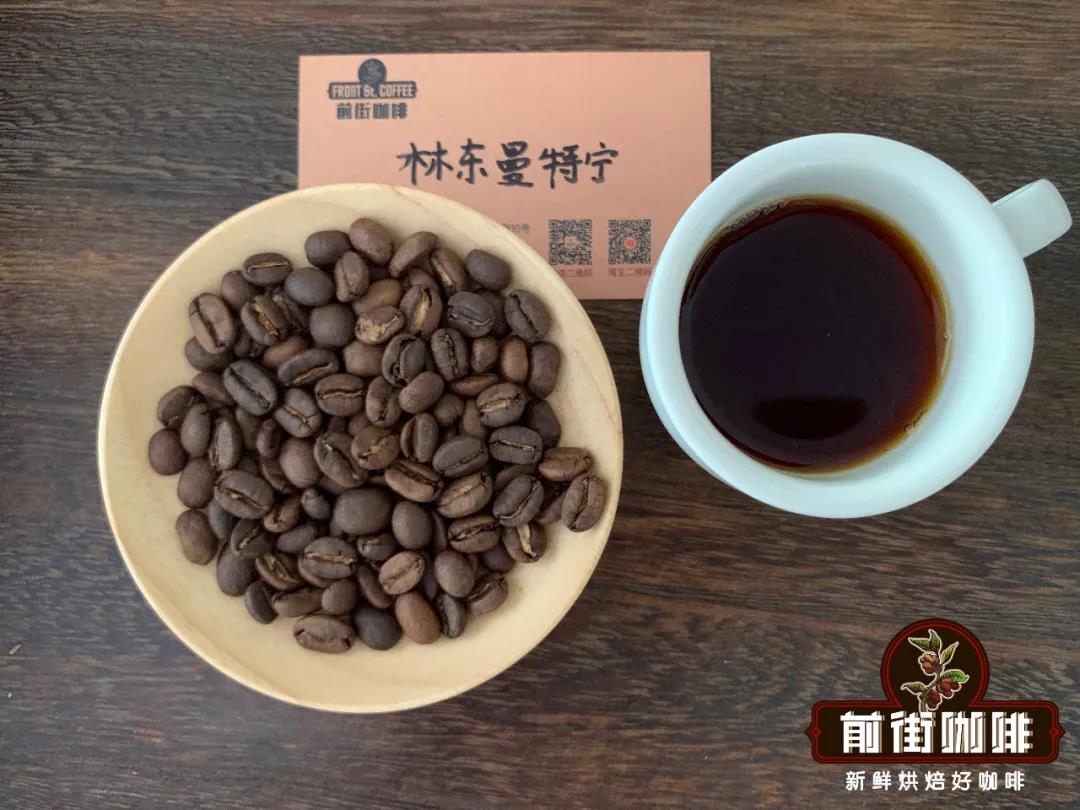
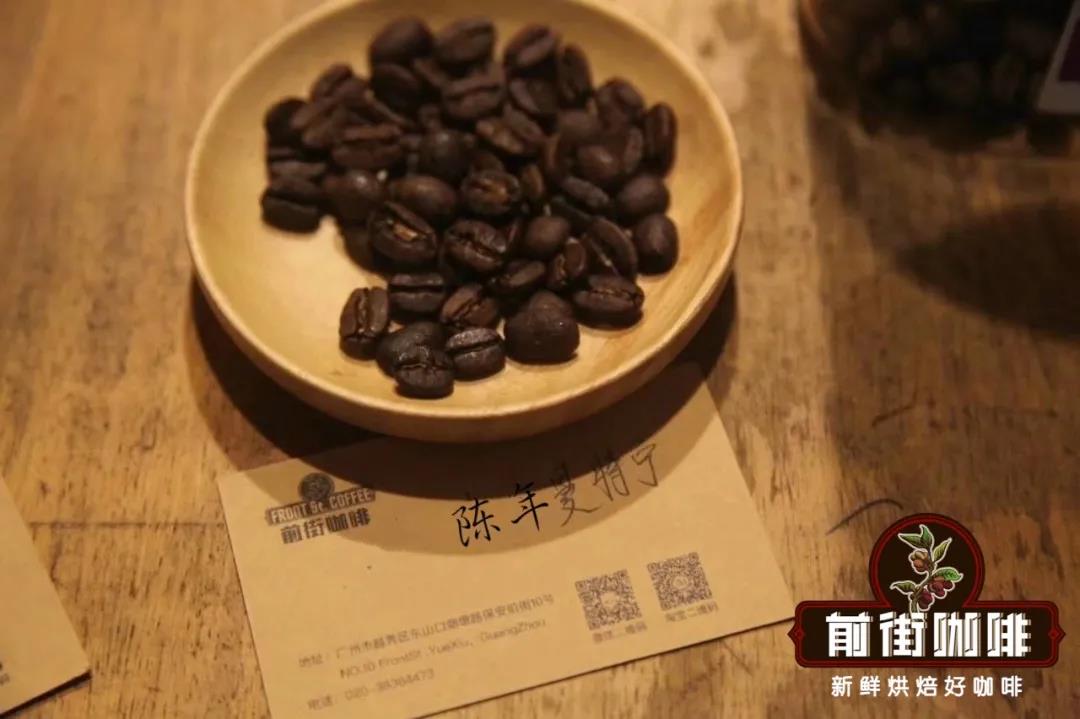
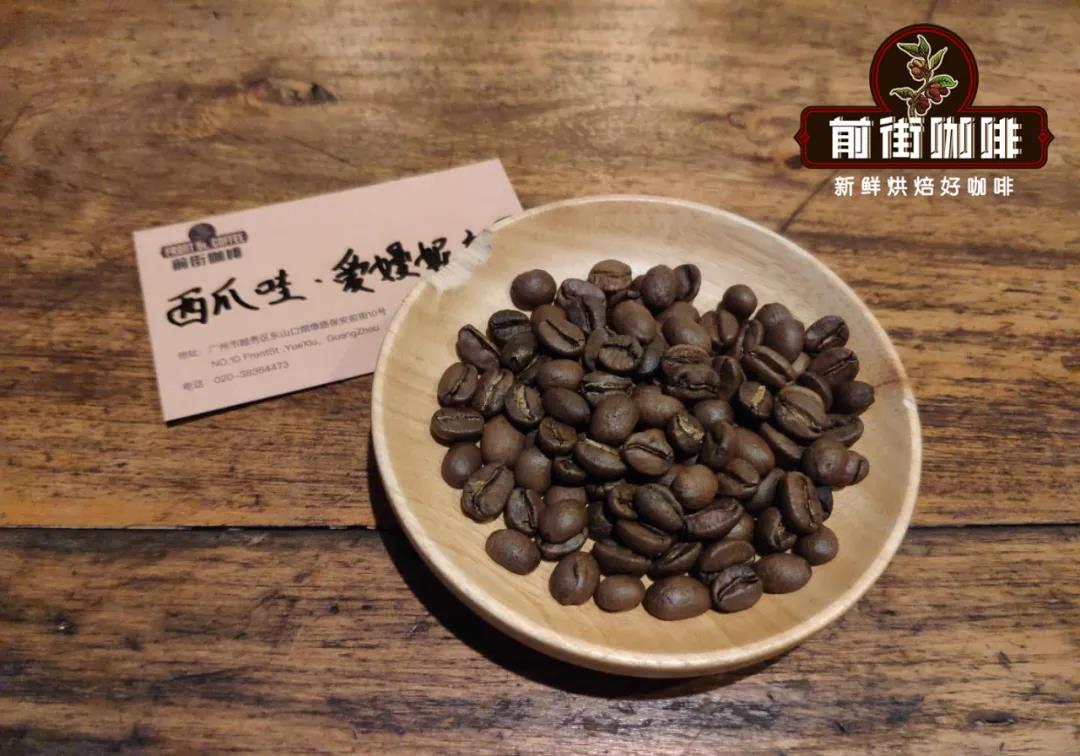
Golden Mandheling comes from Aceh, North Sumatra, with carefully selected plump beans, and its balanced, clean caramel-nut profile makes it a representative of Asian specialty coffee. West Java's Amani honey-processed beans, relying on high-altitude volcanic soil, retain part of the mucilage for fermentation, producing red-wine character and a marshmallow mouthfeel, with rich layers of fruitiness.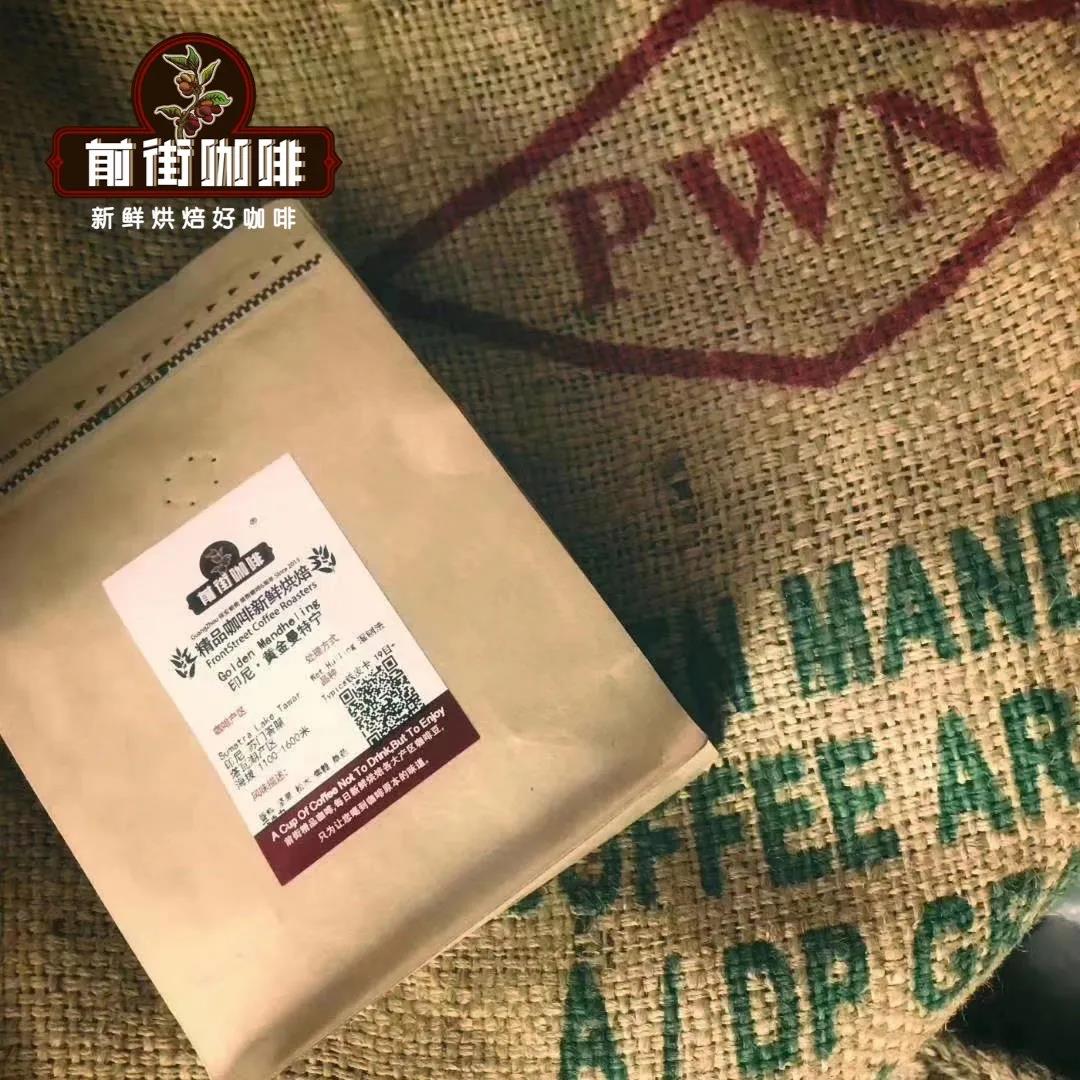
Papua New Guinea coffee cultivation is concentrated in the eastern part of New Guinea island, where volcanic rock and highland terrain at altitudes of 1,200-2,500 meters provide ideal conditions. Its washed beans, unlike the low, herbal notes of Indonesian beans, show bright berry sweetness and acidity with floral and fruity aromas, with a mouthfeel close to South American beans but more island-characteristic, often called "Little Blue Mountain."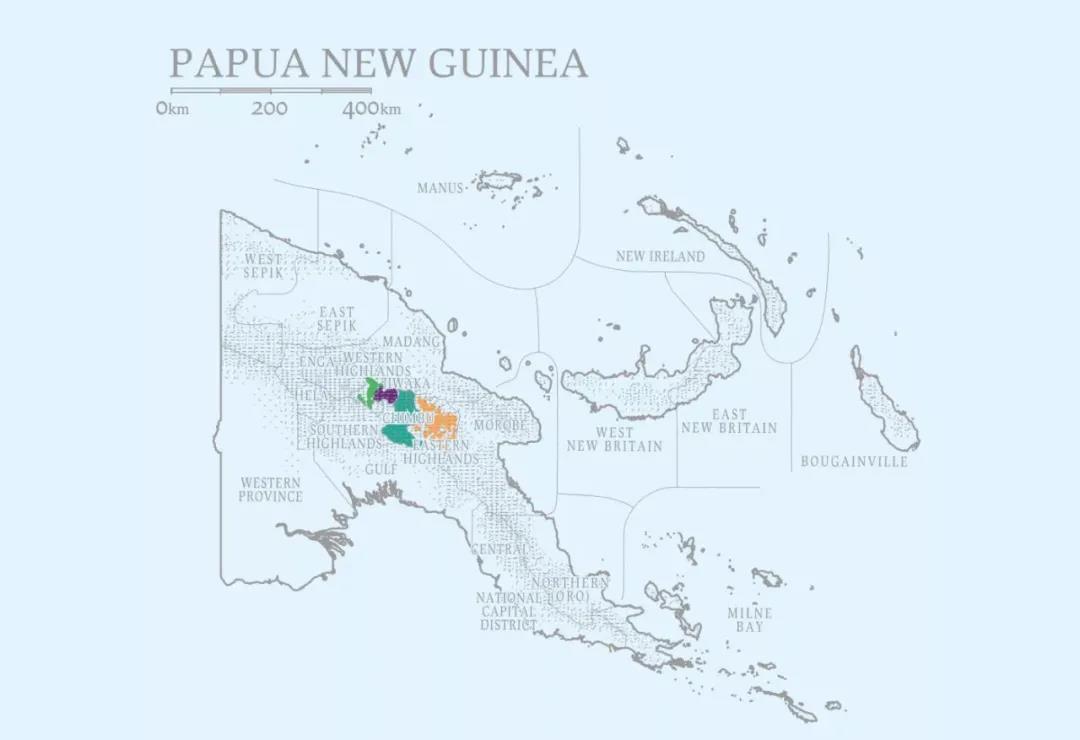
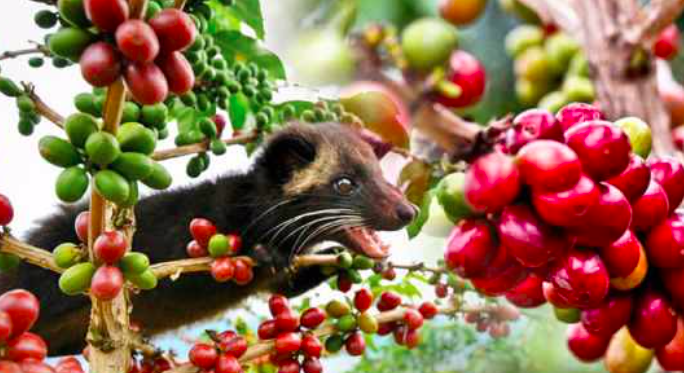
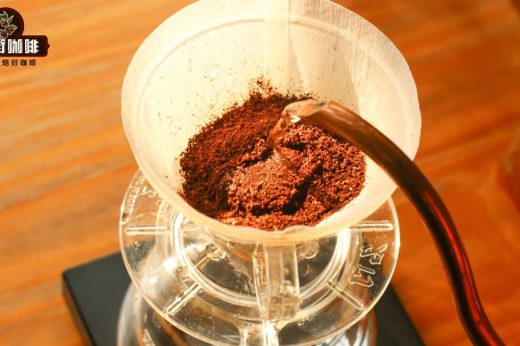
Other distinctive beans include: natural Mandheling (Wahana Estate), sun-dried for 2-3 weeks to develop tropical fruit and fermented wine aromas; and kopi luwak, which relies on fermentation in the civet's digestive tract to produce a unique dark chocolate and fermented complex flavor. Understanding these regional characteristics allows you to precisely match beans to your preferred brewing method (for example, pour-over suits bright, high-acid beans, while espresso favors full-bodied beans).