Beginner's Coffee Guide: 5 Low-Bitterness Beans and Roast Tips
Introduction: New to coffee and often put off by bitterness? This article covers roast levels, freshness assessment, and six flavor types to explain how to choose your first approachable cup of coffee. It highlights five beans with balanced acidity and sweetness and moderate body, and includes brewing parameter references to help you easily find your preferred flavor.
Faced with a dazzling array of coffee choices, the most common question beginners have is: which coffee doesn't taste bitter? The key actually lies in mastering three core elements—roast level, freshness control, and flavor type matching. Once you understand these basic principles, even fans of dark roasts can find a mild taste that suits them.
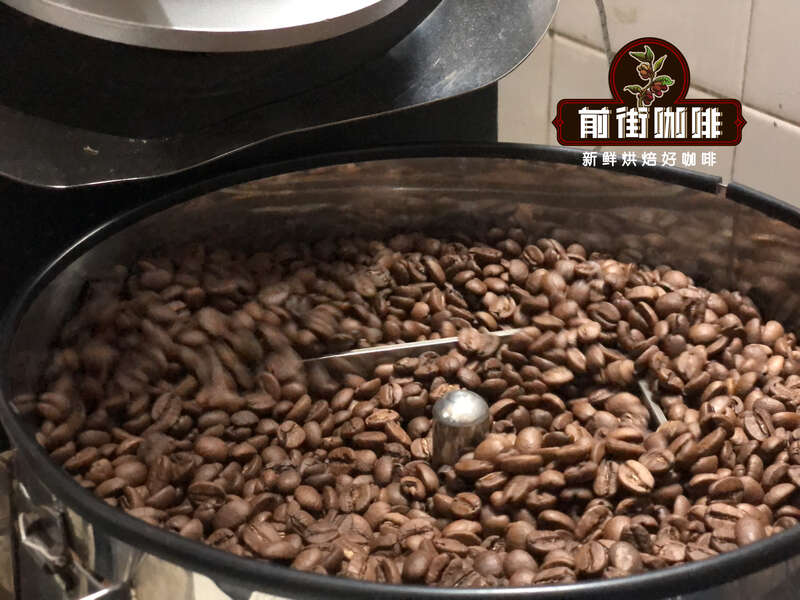
[Roast level determines the base flavor] The balance of acidity and bitterness in coffee is directly related to roast depth. Light roasts (below City roast) retain more floral and fruity acidity and original flavors. Beginners are advised to try medium-light roasts first (such as City roast); these beans have lighter bitterness and bright fruit acidity. Medium-dark roasts (Full City to Full City+) develop warm aromas like caramel and nuts, with a softer bitterness. Note that over-roasting (French/Italian) causes tannic acid to fully transform; although the bitterness is prominent, it masks the coffee's own layers.

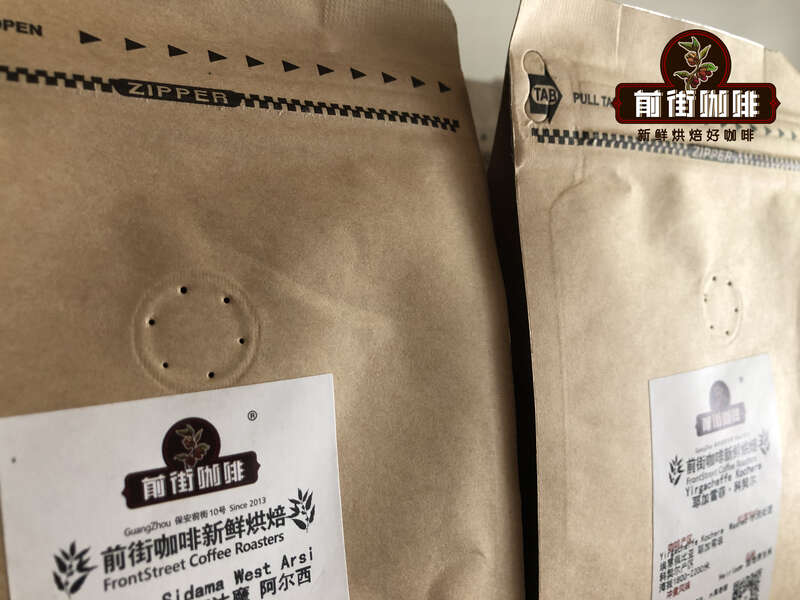
[Freshness is the soul of flavor] The optimal enjoyment period for coffee beans after opening is usually no more than 30 days (about 45 days unopened). To judge freshness, check two key indicators: first, look for the exact roast date on the packaging (not the expiration date); second, look for foil packaging with a one-way degassing valve—this design allows carbon dioxide released by the beans to escape while blocking oxygen from entering. For storage, keep unopened bags in a cool, dark place; opened beans can be kept in an airtight container and used within two weeks if possible.
[Six beginner-friendly flavor types] Based on common taste preferences, here are bean selection directions from representative low-bitterness regions:
• Floral-fruity fresh style (for those who like bright acidity): Recommended are beans from the Ethiopian highlands at 1900–2300 meters, typically sun-dried. These coffees have lively citrus acidity and white floral notes. Brewing suggestion: water temperature 88–92°C, coffee-to-water ratio 1:15–1:16, which highlights a honey-like finish.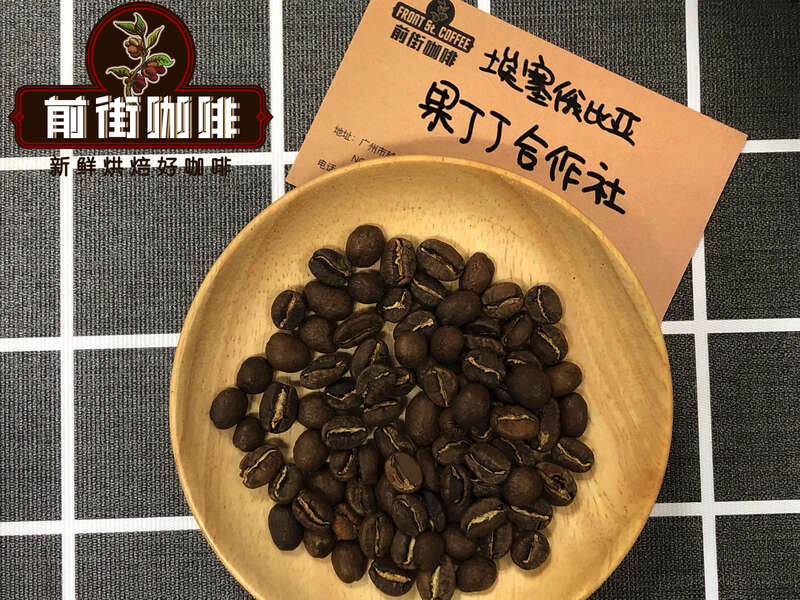
• Fermented sweetness style (for those who prefer fruity sweetness): Some estates in Central America use honey processing or raisin honey processing, creating unique sweetness through fermentation while retaining the mucilage layer. Flavor characteristics include strawberry marshmallow, raisin, and other tropical fruit aromas. Note that these beans need a slightly finer grind (medium-fine) to fully extract sweet compounds.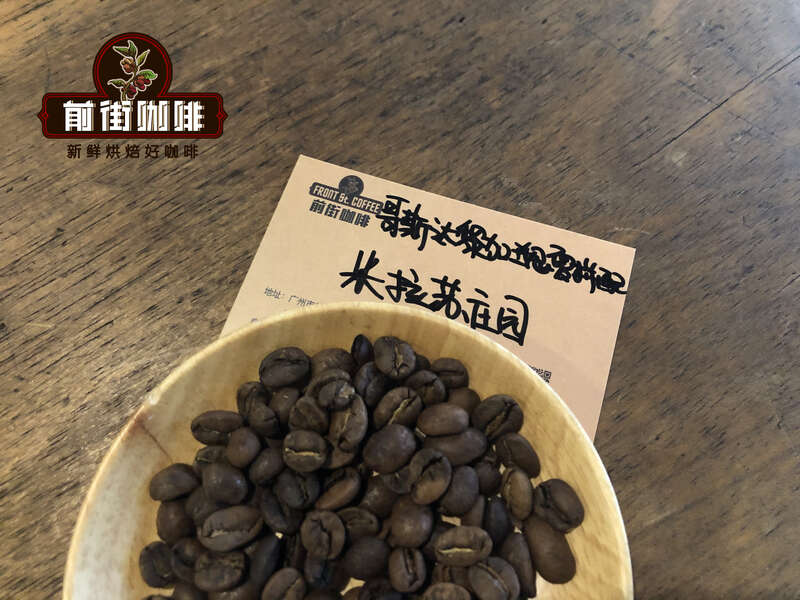
• Nutty-chocolate style (for those who resist acidity): High-altitude regions in South America, such as Brazil, commonly produce this style, with low acidity paired with distinct nut and dark chocolate notes. Recommended are Yellow Bourbon varieties with semi-washed processing. During brewing, extend the bloom time to 30 seconds to help release flavors.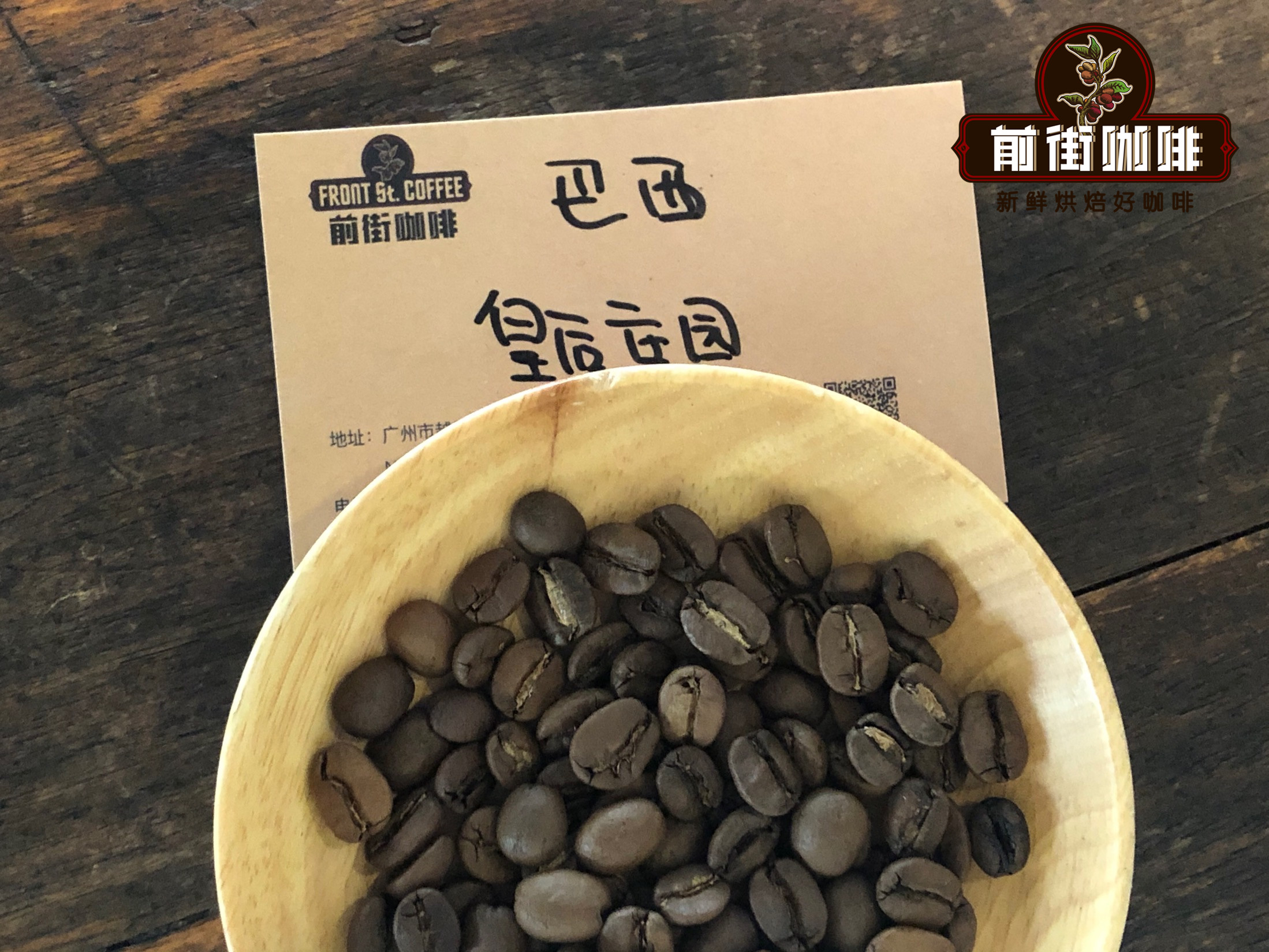
• Berry-honey style (for sweet-toothed enthusiasts): Specific sun-dried Ethiopian heirloom varieties, where fermentation produces rich berry and honey flavors. These beans are not suitable for high-temperature extraction; it is recommended to keep water temperature below 90°C to avoid burnt bitterness.
• Winey full-bodied style (for exploring special flavors): Special batches fermented in whiskey barrels, blending vanilla cream and oak barrel aromas. Note that these beans are best rested for 7–10 days to allow the fermented flavors to fully integrate.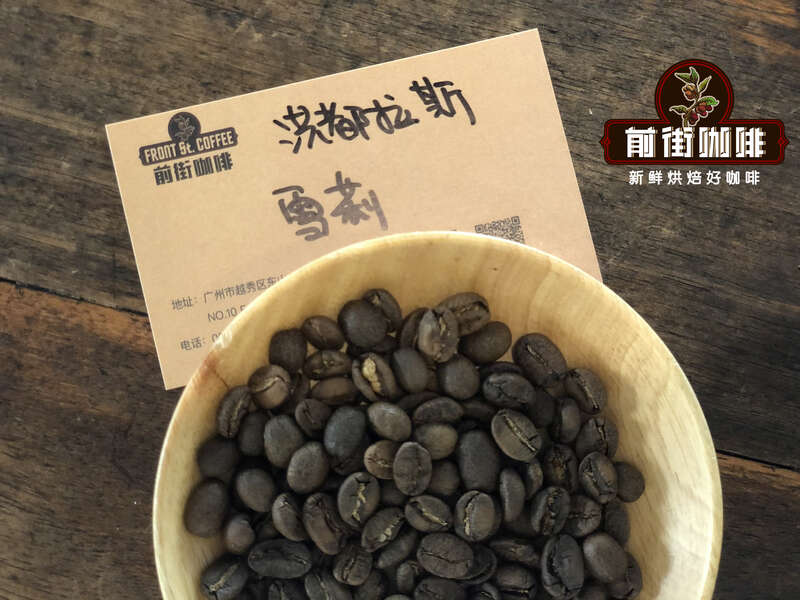
• Rich and balanced style (for transitioning from strong tastes): Sumatra Mandheling uses wet-hulling processing; although it is a dark roast, special techniques reduce roughness. Its body can reach 8/10 while maintaining a smooth mouthfeel, suitable for drinking with milk.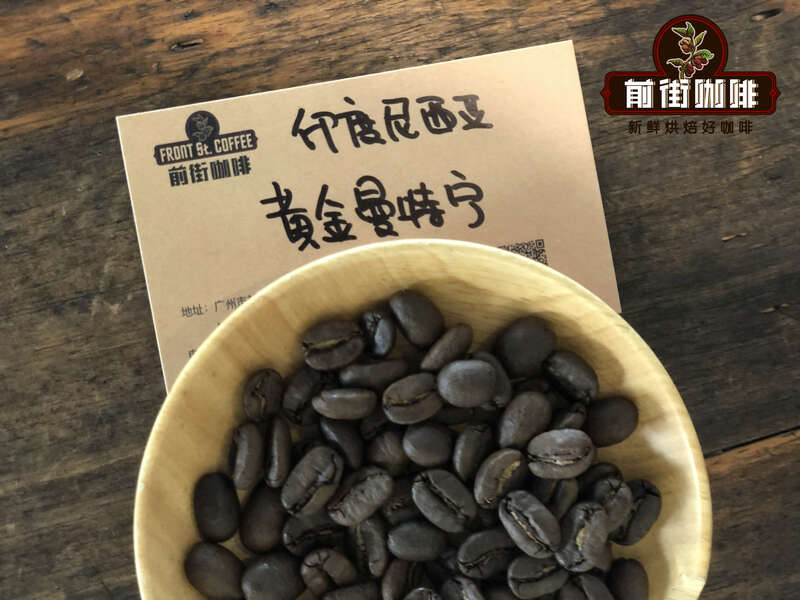
With these basics, beginners can start with medium-light roasted floral-fruity or nutty beans and gradually explore the flavor changes brought by different processing methods. Remember that the core of good coffee lies in freshness and correct extraction, not simply chasing a particular origin or roast level.