Indonesian Mandheling Coffee: From Golden Mandheling to Natural Process
Introduction: Indonesian Mandheling coffee is known for its full, rich body and is a favorite among many coffee lovers. Starting from the origin of the name Mandheling, this article introduces several classic types, including Golden Mandheling, Tiger Mandheling, Aged Mandheling, Lintong Mandheling and Natural Mandheling, and analyzes their growing regions, altitudes, varieties, processing methods and flavor characteristics. It also explains in detail the key steps of wet-hulling and natural processing, helping you fully understand and choose the Indonesian coffee beans you like.
Walk into any specialty coffee shop and Indonesian Mandheling coffee is often on the recommended list. With its pronounced full body and low acidity, it has become the representative of Southeast Asian coffee for many coffee lovers trying the region for the first time. But in fact, Mandheling is not a single variety; it is a composite concept covering multiple processing methods, origins and varieties. Understanding the differences among Mandheling types not only helps you find a choice that suits your taste, but also lets you appreciate the unique charm of Indonesian coffee more deeply.
There is an interesting misunderstanding about the origin of the name "Mandheling." It is said that when Japanese soldiers were stationed in Indonesia in the last century, they fell in love with the local coffee. After returning home, they sought out this coffee again through traders. When asked the name of the beans, the seller misheard it as a question about the origin or identity and answered "Mandailing" (an Indonesian ethnic group name). From then on, "Mandheling" became the byword for this coffee.
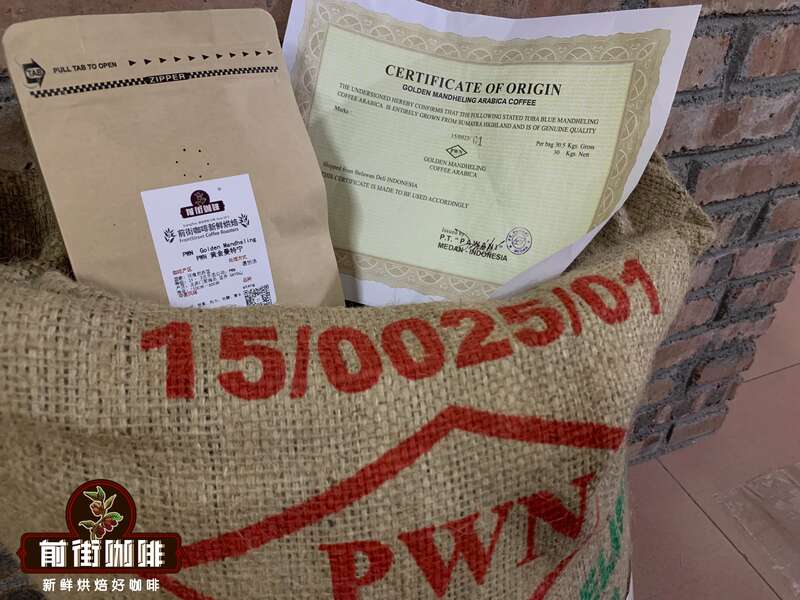
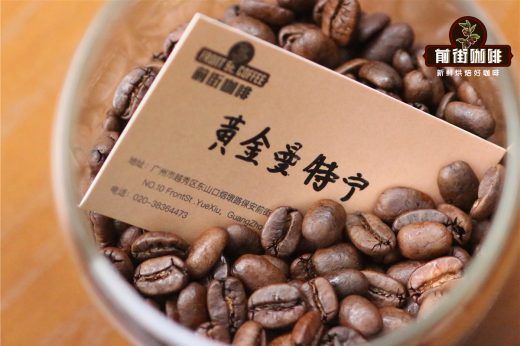
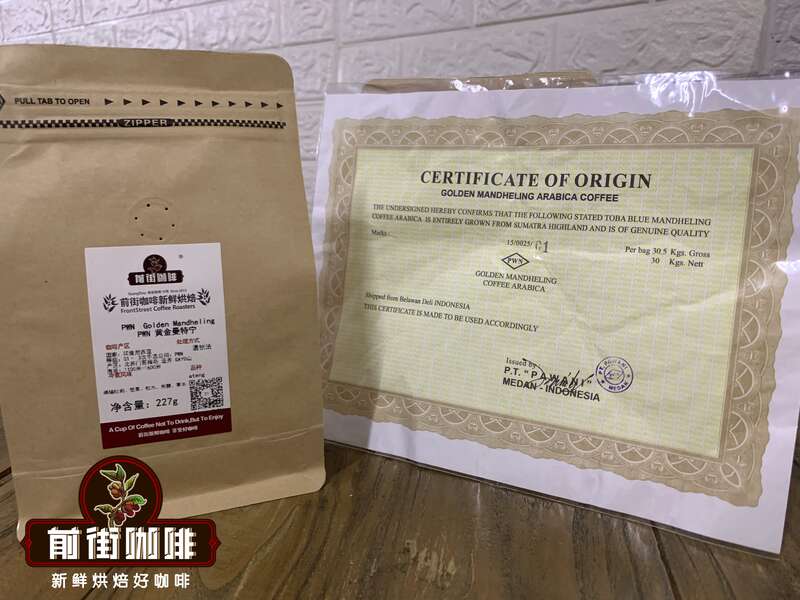
Among the many Mandheling types, "Golden Mandheling" is a classic representative. It comes from the highlands of Sumatra at an altitude of 1,100-1,600 meters, uses the traditional Typica variety, and is made by the wet-hulled process. This bean is sorted extremely strictly: it goes through density and color sorting and also multiple rounds of hand picking, finally presenting a high-quality appearance with uniform beans and a bright luster. Its flavor is mainly nuts, toast, pine and caramel, with a slight herbal note. The cup is clean and full-bodied with prominent sweetness and almost none of the earthy taste often found in traditional Mandheling, which is why it is praised as "golden" quality.
It is worth noting that the trademark rights to Golden Mandheling belong to the local Indonesian company PWN, not to the Japanese company that first promoted the name; the latter registered "Gold Top Mandheling." In addition, due to logistics issues in recent years, Golden Mandheling from some harvests may arrive slightly late, but this does not affect its stable flavor performance.
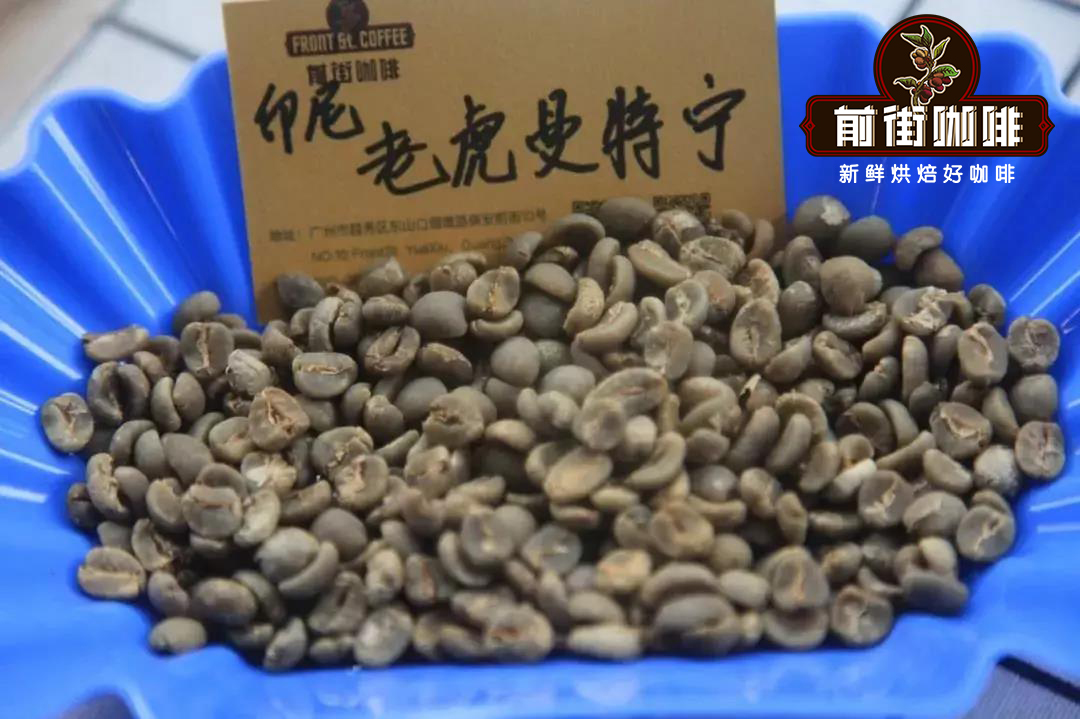
Another popular Mandheling is Tiger Mandheling, also from Sumatra at an altitude of about 1,500 meters. Its name comes from the "Tiger Estate" in the growing region, which has higher quality requirements: it requires high-quality beans of screen size 17 or above with a defect rate below 4%, and it often has a distinctive traditional Chinese medicine aroma. This bean is a mix of varieties, including Caturra, Typica and Sidikalong. After wet-hulled processing, it presents a balanced flavor of cream, dark chocolate and nuts, is smooth on the palate with obvious sweetness, and is an ideal choice for those who like a rich but not overly heavy body.
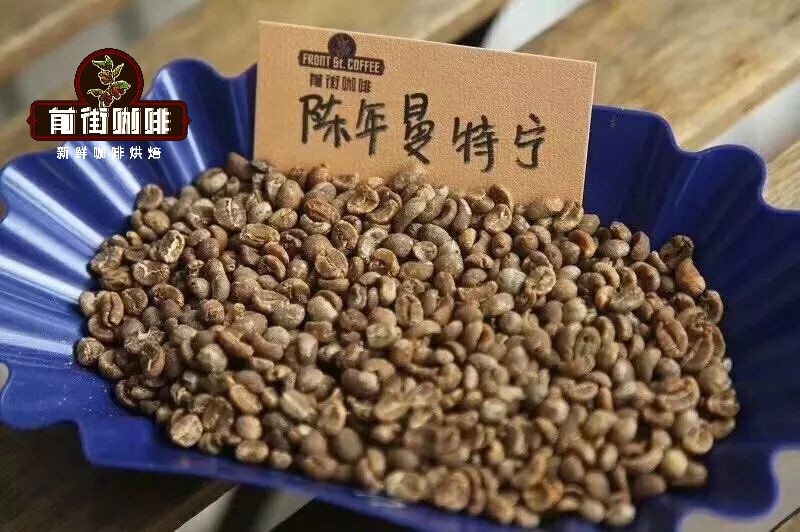
Aged Mandheling is the product of a special processing method. Its birth originally came from historical transportation constraints: in the past, coffee beans shipped from Indonesia to Europe developed a rounder, fuller flavor by accident because the sea voyage was long and exposed them to humid sea air, and this was gradually accepted by the market and continued to this day. Today's Aged Mandheling is carefully aged for 24 months in warehouses with controlled temperature and humidity, and turned regularly to ensure even aging. Its flavor shows low acidity, intense ripe pu-erh, caramel and herbal notes, with obvious chocolate character and rich layers, making it very suitable for drinkers who like depth and complexity.
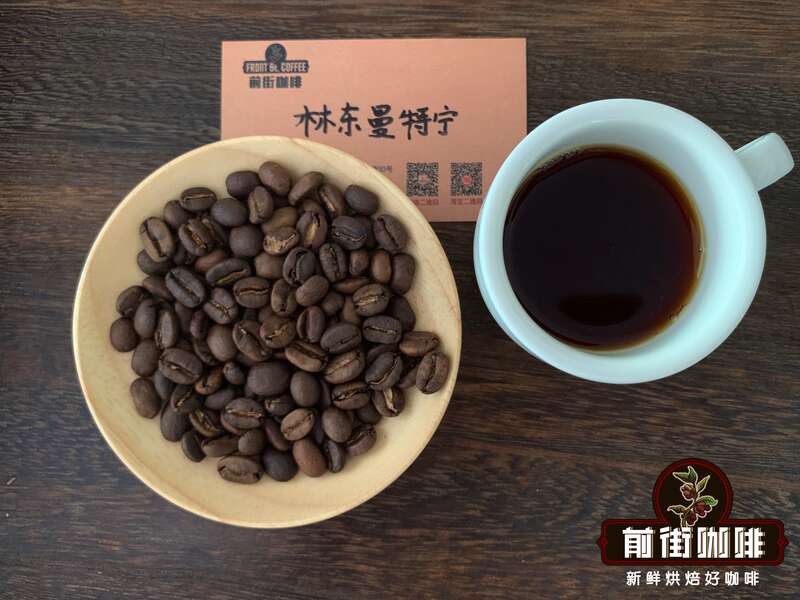
If you prefer a classic choice with good value, Lintong Mandheling is one you should not overlook. It comes from the Lintong growing region of Sumatra, also uses the common wet-hulled process, and mainly uses Typica and Caturra varieties. It does not go through excessive sorting, so the bean shape is relatively uneven, but it performs well in body and value. Its flavor is mainly baked toast, nuts, pine and herbs, with low acidity, making it a reliable choice for those who like the rich taste of traditional Indonesian coffee.
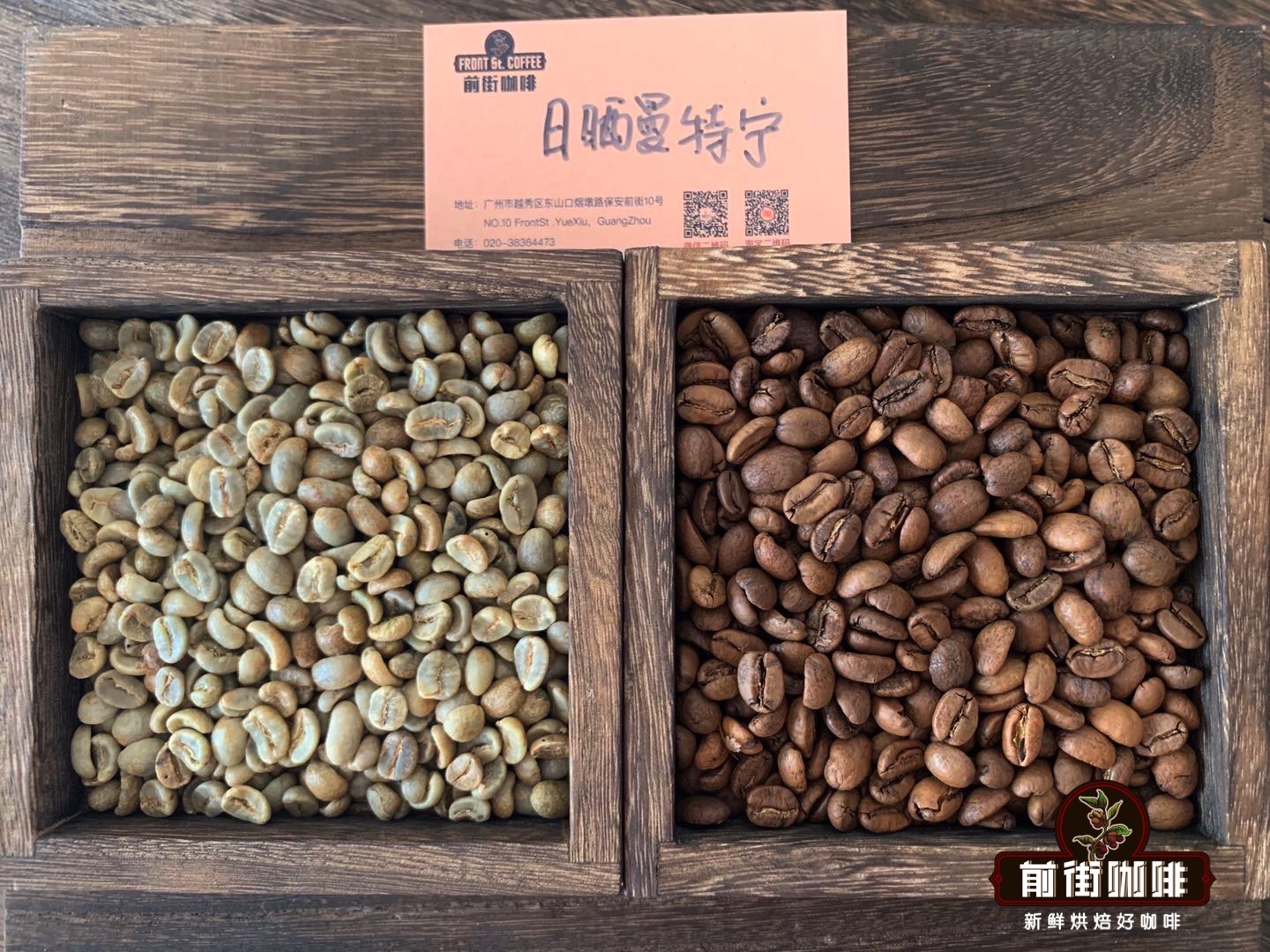
Among the many Mandheling types that are mainly wet-hulled, Natural Mandheling offers a very different flavor option. It comes from the Lake Toba area of Sumatra at an altitude of 1,000-1,700 meters, uses Bourbon and Typica varieties, and is processed by the natural method. This method is relatively rare in Indonesia because the local climate is humid and sun-drying is unstable, making it difficult to carry out. But it is precisely this processing method that gives the coffee brighter fruit aromas, including tropical fruit flavors such as melon, mango and peach, along with moderate acidity and a smooth mouthfeel, making it suitable for drinkers who want to try a different Mandheling flavor.
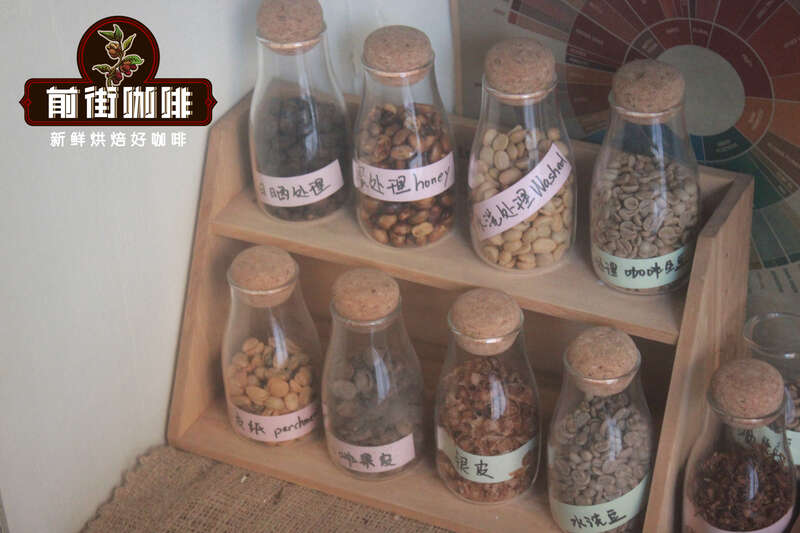
The key steps of natural processing include: first, hand-remove unripe or overripe defective cherries; then spread the coffee cherries evenly on the drying beds and turn them several times a day to ensure even drying; the whole drying process usually lasts 2 to 3 weeks, during which adjustments must be made according to the weather; finally, when the moisture content of the fruit drops to 11-13%, use a huller to remove the outer shell and obtain the green coffee beans.
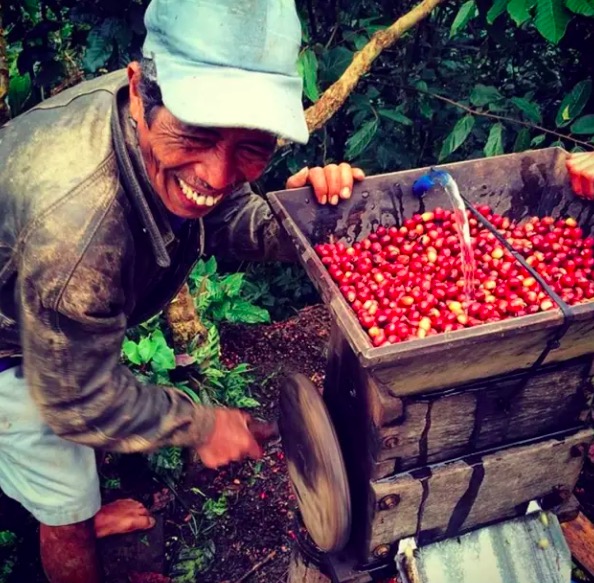
The wet-hulled process, the most representative of Indonesian Mandheling, comes from the reality of the local rainy climate and lack of stable sun-drying conditions. In this process, fully red coffee cherries are first picked, and after the skin and pulp are removed, "parchment coffee" is formed. After 12-36 hours of fermentation, it is dried to a moisture content of about 35-40%. Next, when the moisture content of the coffee beans drops to about 15%, the parchment is removed, and the beans go through both machine and hand sorting to remove defective beans, finally completing processing. This method not only lowers acidity but also enhances body and earthy flavor, creating the unique mouthfeel of Mandheling.
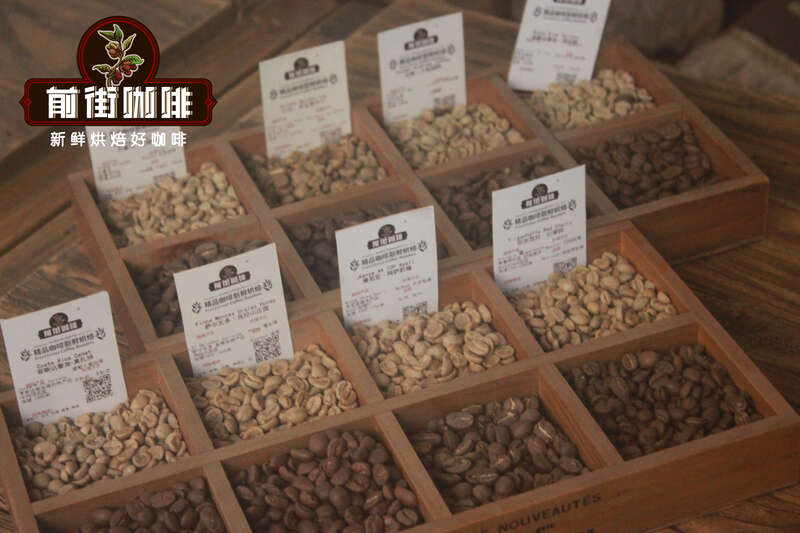
Besides processing method, coffee variety also significantly affects flavor. Common beans used for Mandheling include: Typica, elegant in flavor but weak in disease resistance and low in yield; Bourbon, whose green fruit turns bright red when ripe, with bright acidity and a sweet aftertaste; Caturra, with better yield and disease resistance than Bourbon and a shorter tree that is easier to manage but needs more fertilizer; and Catuai, a hybrid variety with strong resistance to wind and rain but a rather monotonous flavor and a shorter fruit life. Understanding these variety characteristics helps you make a more precise choice according to your flavor preferences.
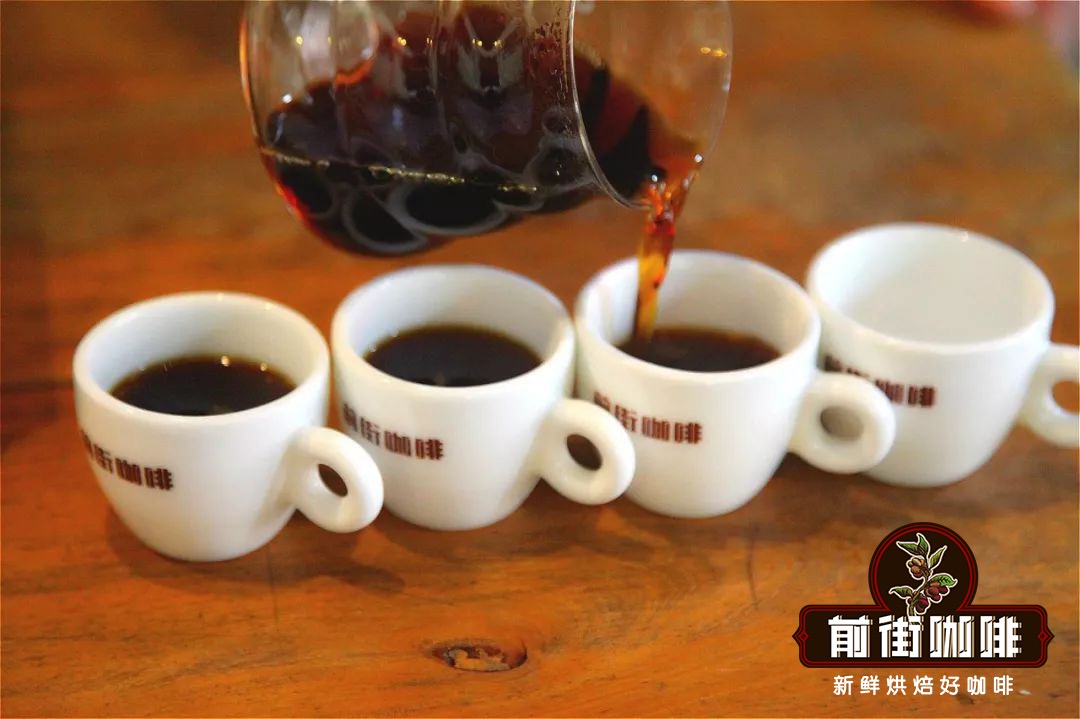
In summary, the charm of Indonesian Mandheling coffee lies in its diversity and the thick, mellow aroma brought by its unique processing methods. From the clean and bright Golden Mandheling to the herbal aroma of Tiger Mandheling, the time-mellowed Aged Mandheling, and the fruit-forward Natural Mandheling, each one shows the rich layers of Indonesian coffee. Whether you are a coffee lover just starting out or a seasoned drinker pursuing depth of flavor, you can find your own cup among them.