Pour-Over Coffee for Beginners: Four Core Techniques and Four Classic Beans
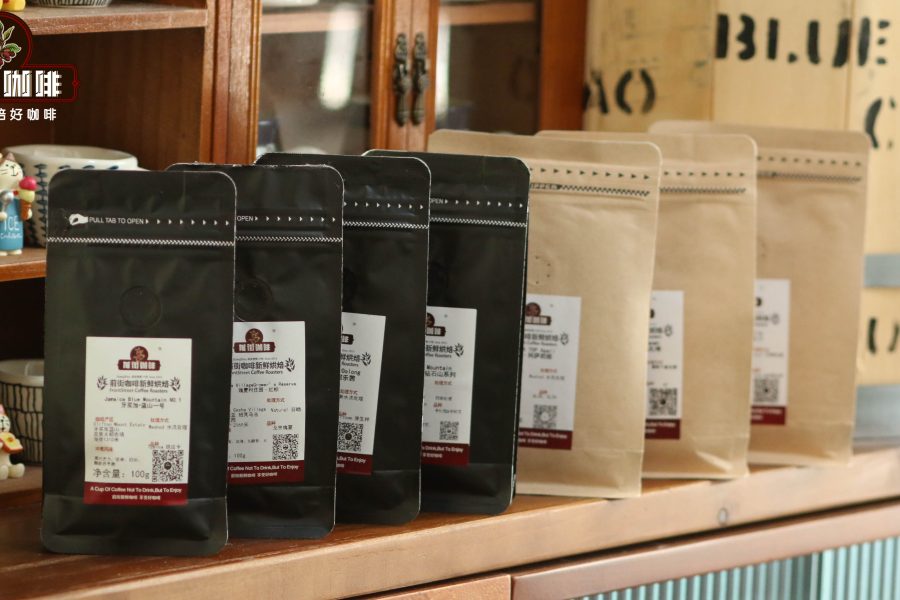
Introduction: Mastering pour-over coffee comes down to understanding water-pouring logic and technique details. This article systematically breaks down water distribution (such as the difference between one-pour and three-pour methods) and pouring techniques (blooming, circling speed, etc.), and through four highly recognizable origin bean profiles (covering classic flavors from Ethiopia, Costa Rica and more), paired with specific extraction parameters (water temperature, coffee-to-water ratio, grind size), helps beginners build a scientific brewing framework and quickly improve the flavor expression of single-origin coffee.
The essence of brewing coffee is the precise interaction between water and coffee grounds, and the keys that determine the final flavor are often hidden in the seemingly simple act of pouring water. Beyond basic parameters such as dose and water temperature, water distribution logic and technique control directly affect extraction uniformity and flavor layers.
Common pouring schemes such as the "one-pour" and "three-pour" methods are essentially strategies for dividing the remaining water into stages. One-pour means pouring all the water at once after blooming; the water level rises quickly, extraction time is short, and the flavor tends to be clean but thin. Three-pour divides the water into three additions; the water level climbs gradually, extraction is fuller, and the result often presents a complex, full-bodied mouthfeel. If an unbalanced multi-stage pour is used (for example, too large a proportion of water in the early stage for a light roast), it may lead to prominent acidity with insufficient sweetness; too much water in the later stage can easily bring out bitterness.
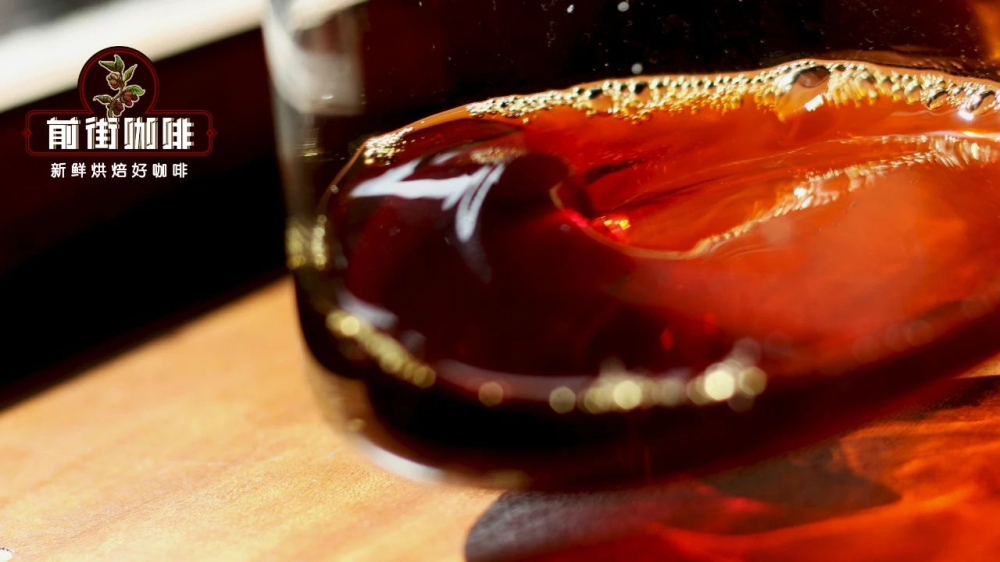
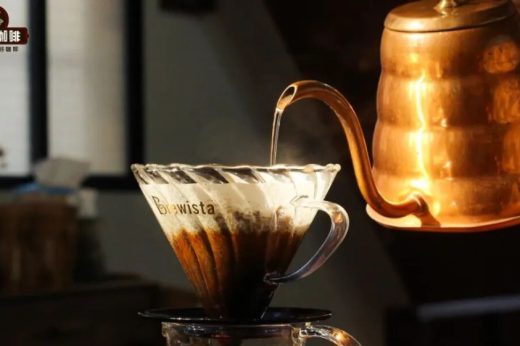
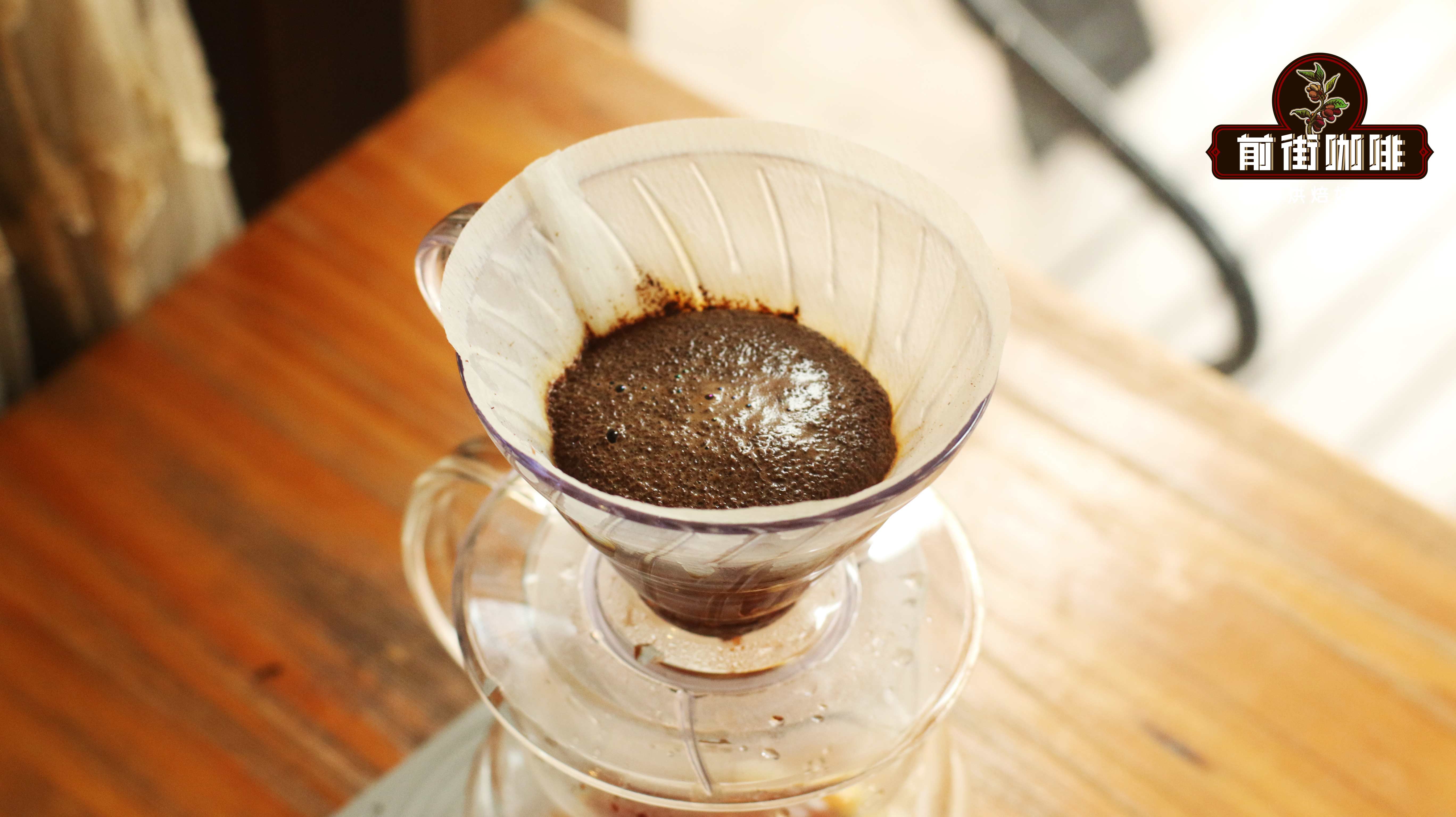
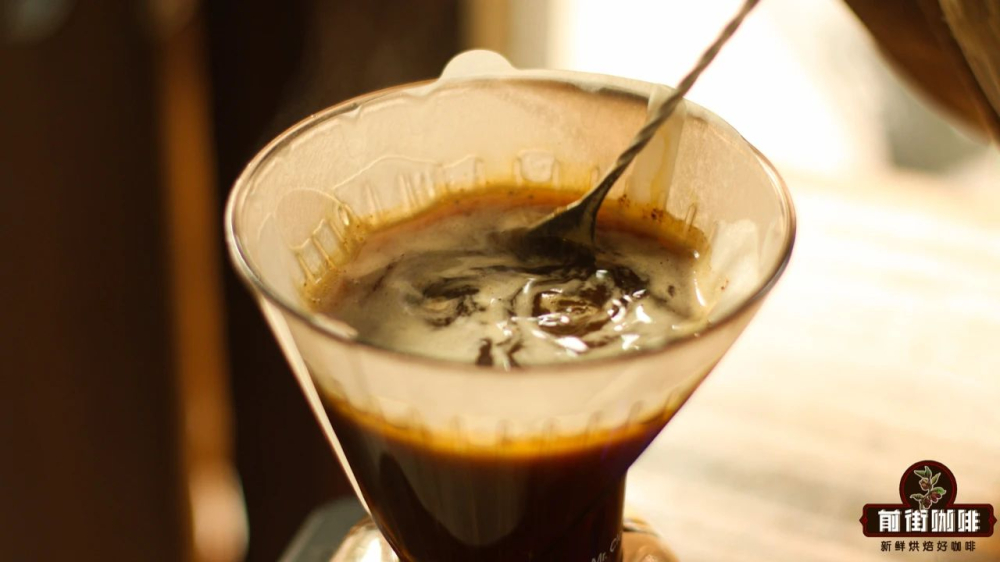
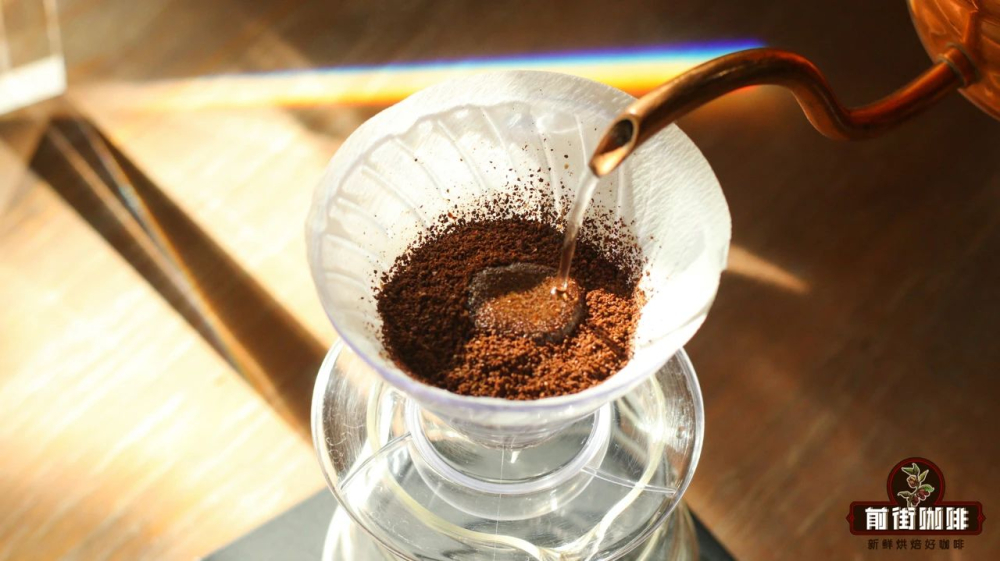
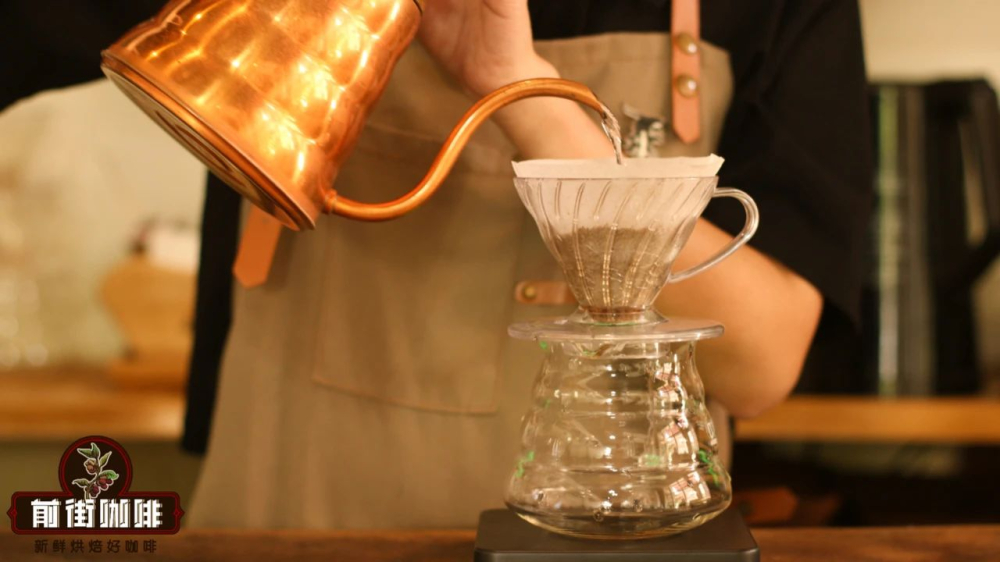
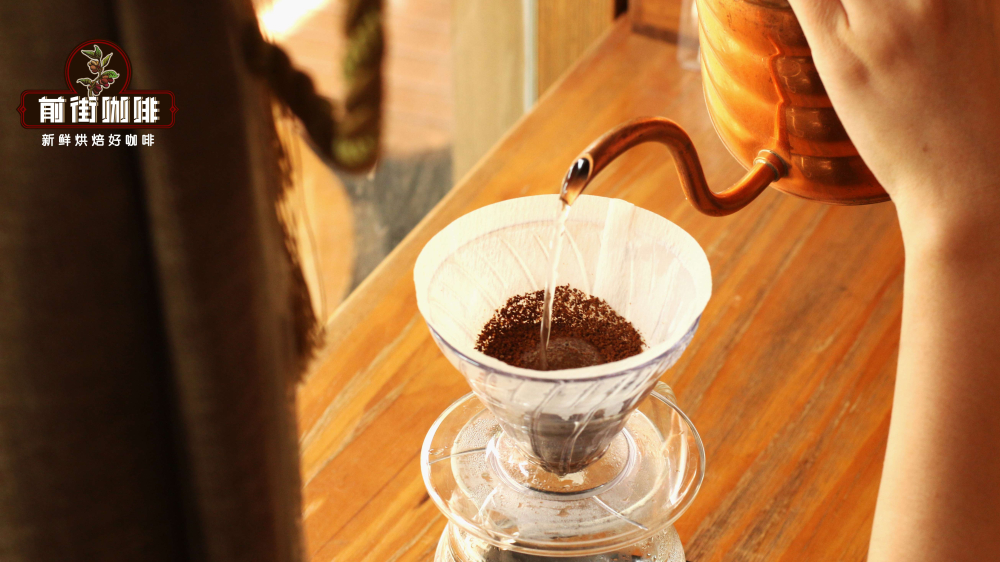
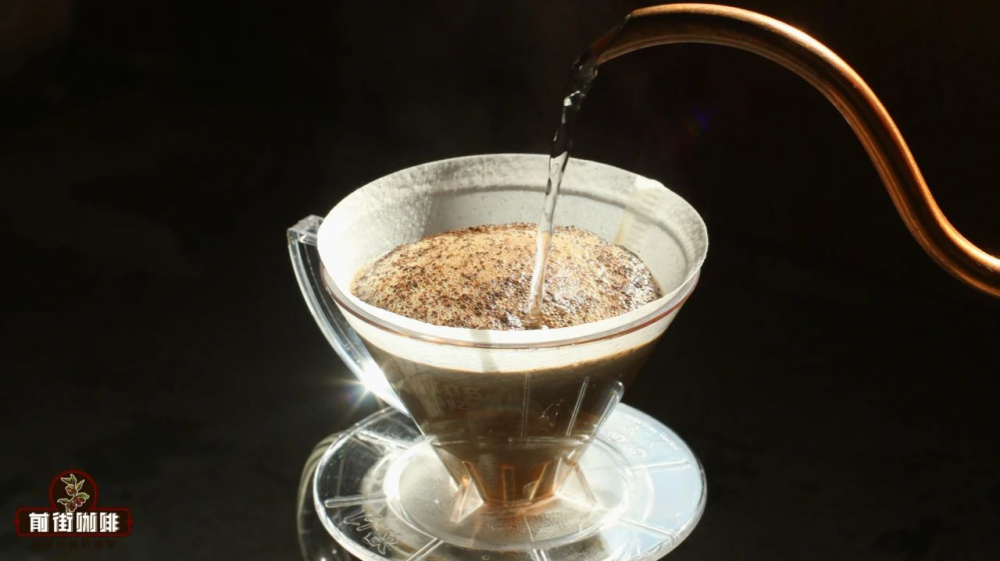
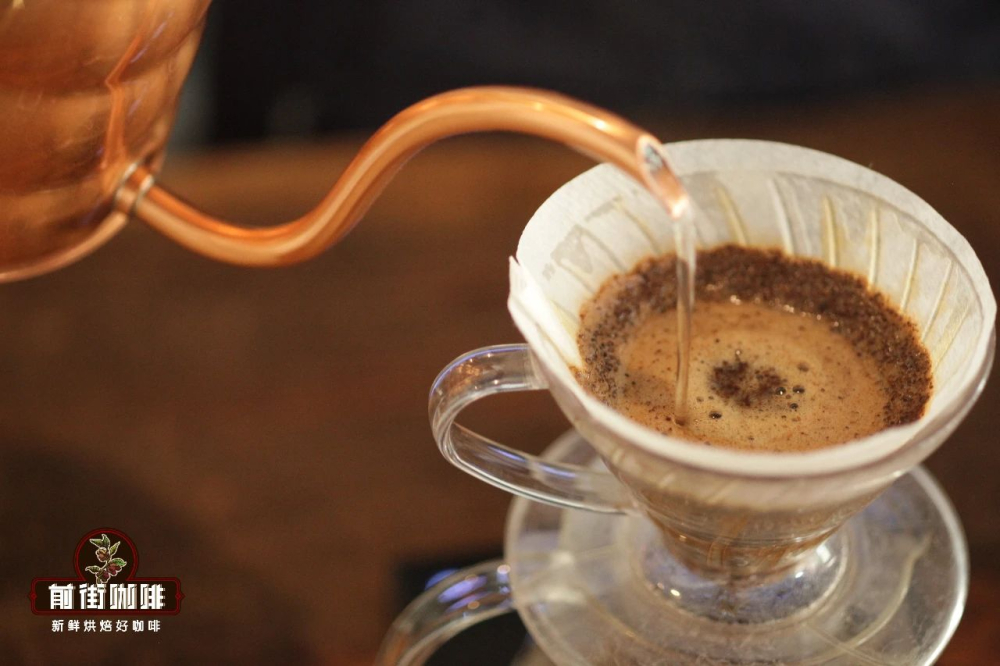
Pouring technique involves several variables: Blooming is the key step that lays the flavor foundation. Its core is to let the coffee grounds absorb water evenly and release carbon dioxide—typically using twice the dose in water (e.g., 30 ml of water for 15 g of grounds), blooming for 30 seconds. Note: large coffee particles are difficult to fully saturate in a short time, so those skilled at water control can try 1.5 times the dose in water; if the water exceeds twice the dose, the under-extracted early liquid will dilute the acidity. In addition, circling speed affects extraction efficiency—fast circling lifts the bed and increases body but risks over-extraction; slow circling extracts more gently and evenly. Pouring height is best kept at 6-7 cm; too high causes greater fluctuation of the liquid surface, while too low may prolong extraction time. Flow rate and circling range are equally important: a large flow easily lets coffee liquid escape through the ribs at the edge of the dripper, reducing contact between grounds and water; a small flow prolongs extraction but watch out for over-extraction. Small circles highlight sweetness, while large circles may produce thin acidity.
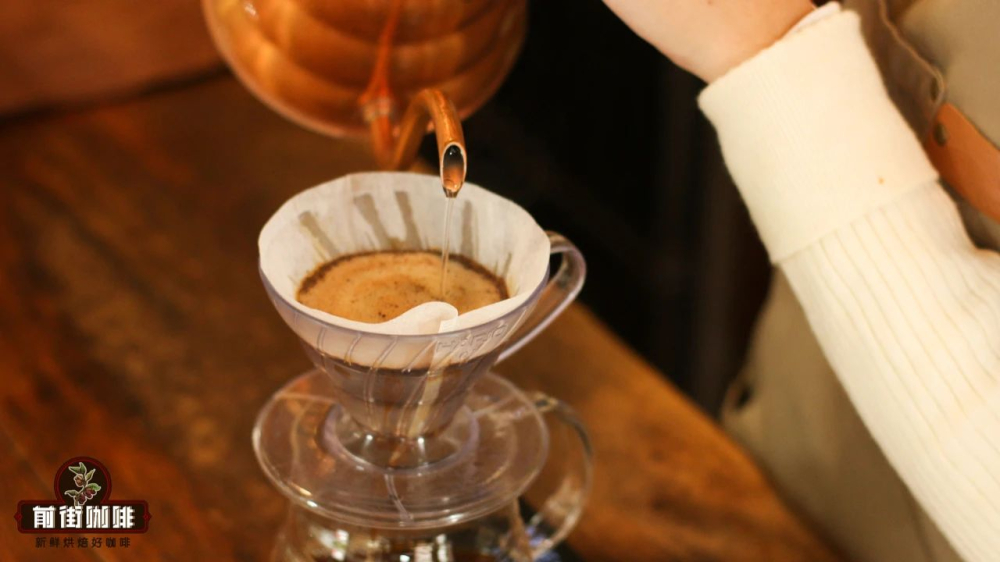
The following four single-origin beans from classic regions are suitable for brewing practice and for experiencing different flavor characteristics:
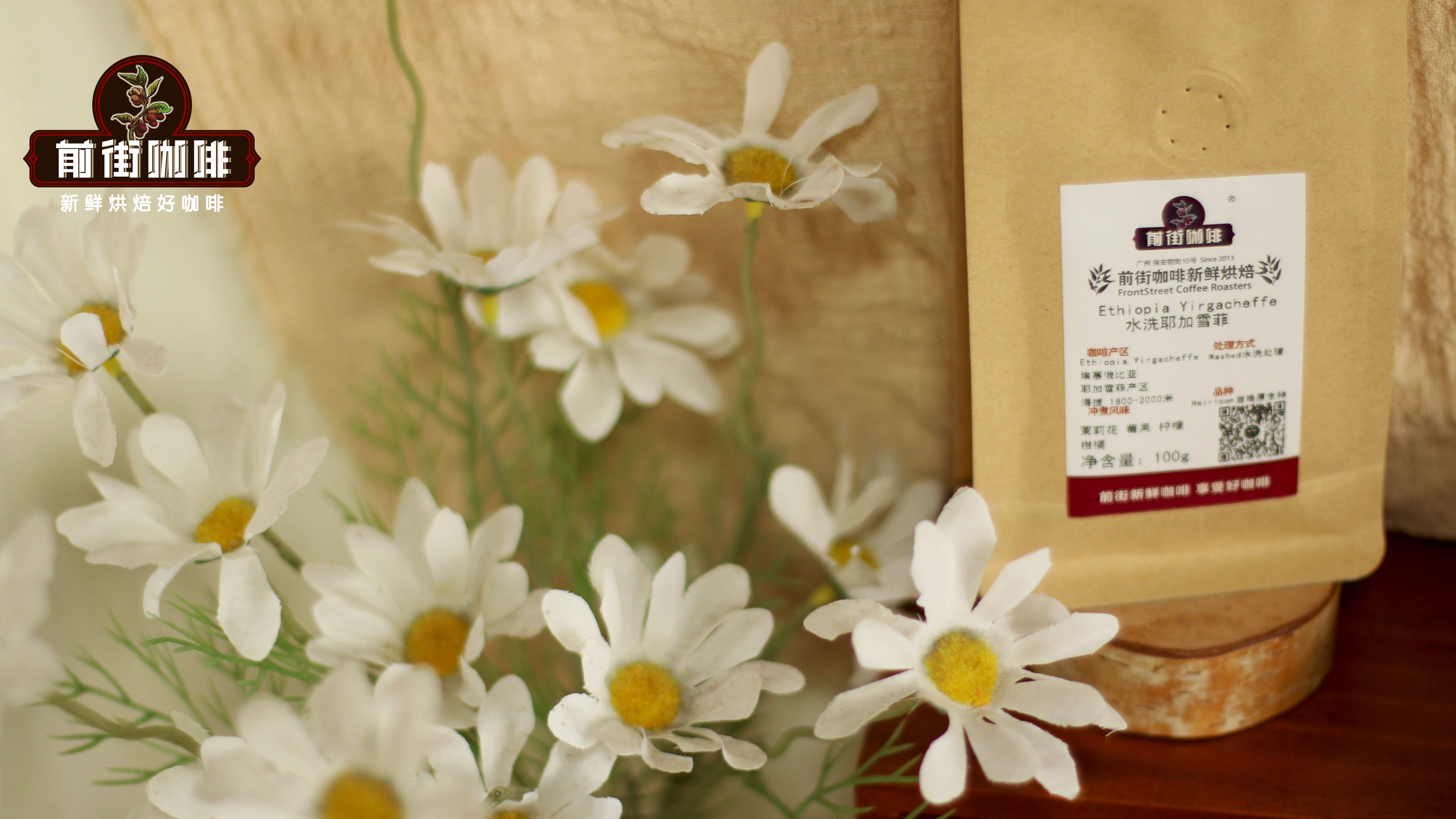
Ethiopia · Yirgacheffe Washed (1,800-2,000 m, heirloom varieties): a world-renowned high-altitude region where the misty valley climate nurtures unique floral aroma and fruity acidity. The flavor shows bright jasmine, berry juice and citrus acidity, with a fresh mouthfeel like lemon tea. Brewing parameters: water temperature 90-91°C, grind size like fine granulated sugar (80% pass rate through a No. 20 sieve), coffee-to-water ratio 1:15, dose 15 g. Method: bloom with 30 g of water for 30 seconds, then pour 95 g (total about 125 g) over 1 minute; when the water level drops to two-thirds of the bed, add 100 g (total about 225 g) and finish pouring at 1 minute 40 seconds; dripping finishes at 1 minute 55 seconds to 2 minutes. Flavor keywords: jasmine, berry, citrus acidity, clean and refreshing overall.
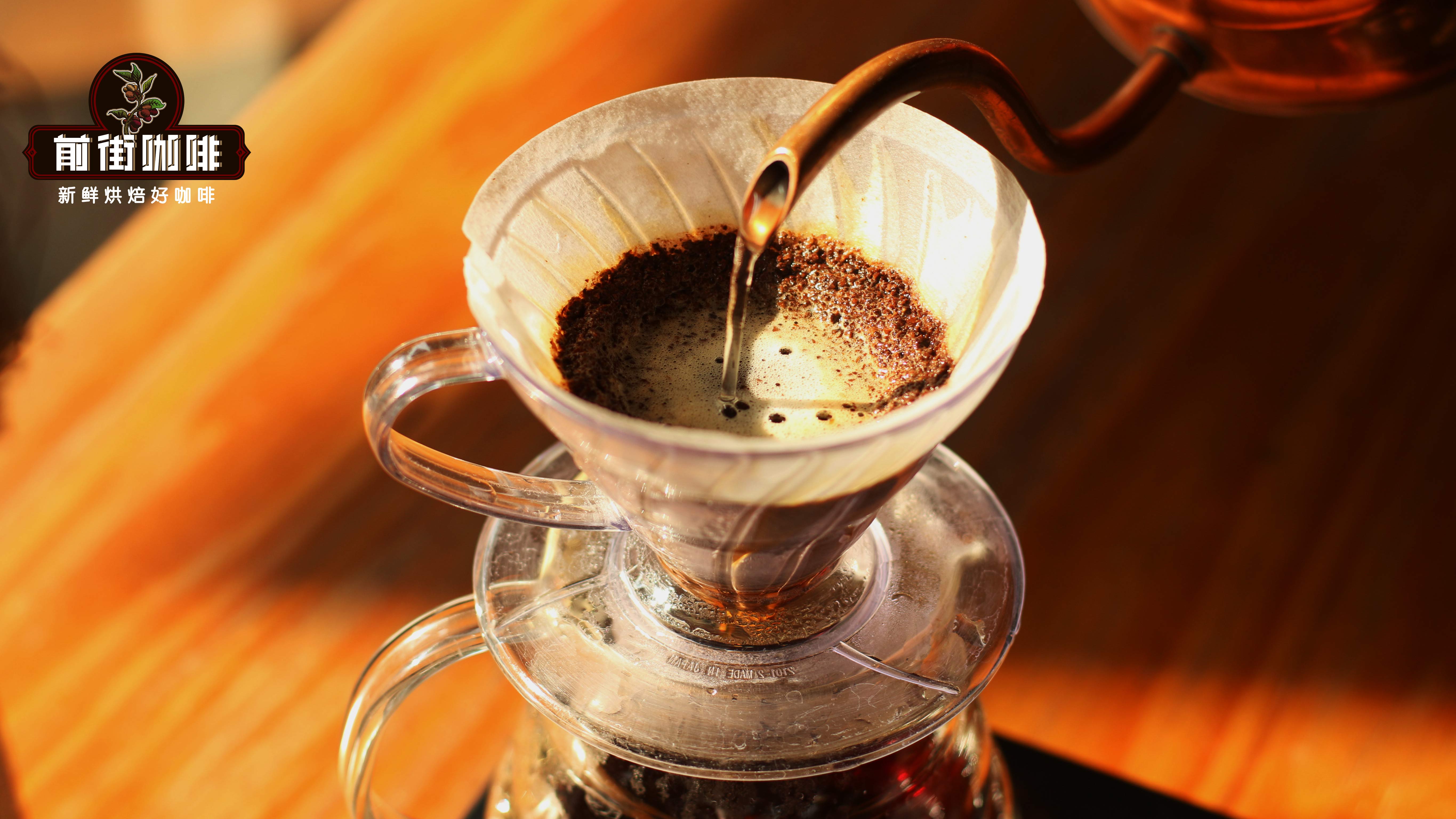
Costa Rica · Tarrazú Washed (1,500 m, Caturra/Catuai varieties): the country's signature region, known for balanced flavor and rich chocolate notes. The beans are plump, the body is full, the acidity is moderate, with honey sweetness. Brewing parameters: water temperature 90-91°C, grind size as above, coffee-to-water ratio 1:15, dose 15 g. Method: bloom with 30 g of water for 30 seconds, pour 95 g (about 125 g) over 1 minute; at two-thirds water level add 100 g (about 225 g) and finish pouring at 1 minute 40 seconds; dripping finishes at 2 minutes 03 seconds. Flavor keywords: sweet orange acidity, nutty chocolate, caramel finish, balanced and smooth overall.
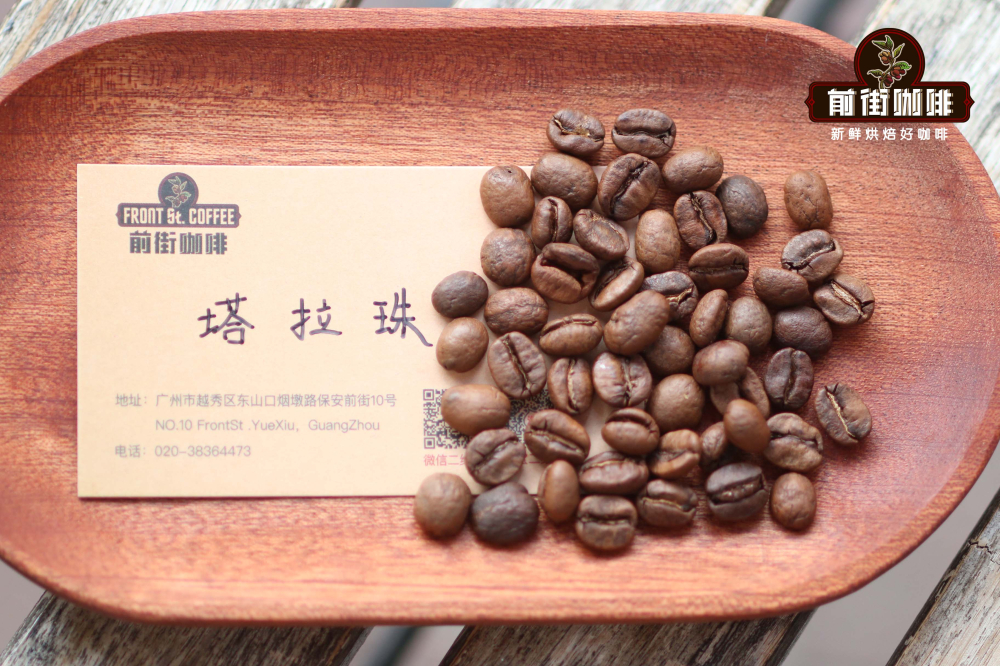
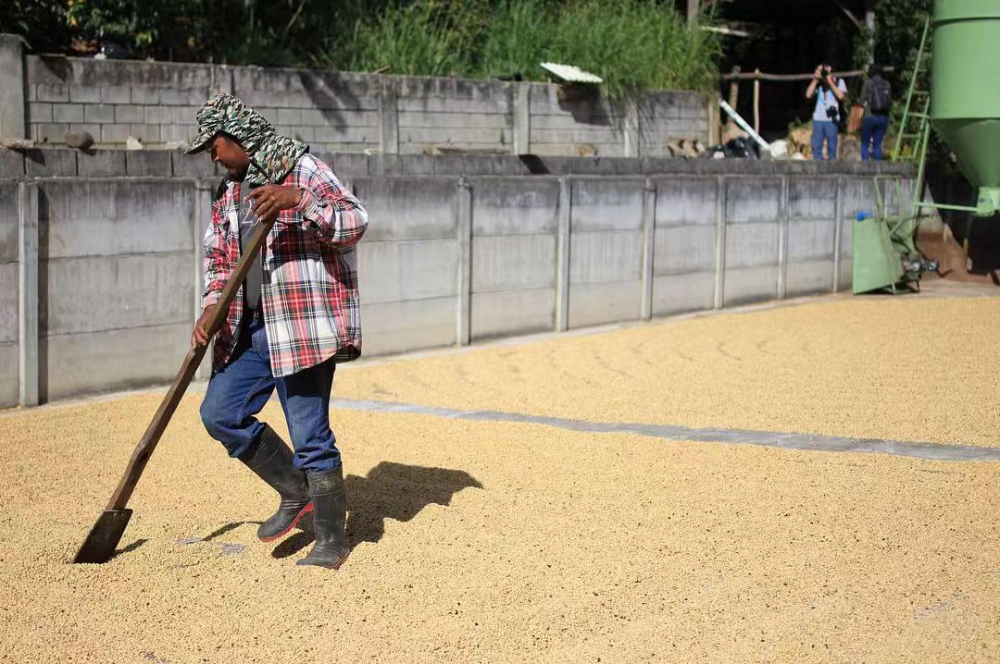
Indonesia · Sumatra Lintong Mandheling Wet-Hulled (1,100-1,600 m, Typica/Caturra varieties): processed by the unique wet-hulling method, removing the parchment while semi-dry, which gives herbal, spice and woody aromas. Brewing parameters: water temperature 87-88°C, grind size like coarse granulated sugar (about 11 clicks), coffee-to-water ratio 1:15, dose 15 g. A Kono dripper is recommended (its rib design restricts airflow and prolongs water absorption). Method: bloom with 30 g of water for 30 seconds, circle with a small flow to the 125 g stage; when the water is about to expose the bed, top up to 225 g; when the bed is exposed again, remove the dripper; total extraction time 2 minutes. Flavor keywords: herbal, dark chocolate, caramel sweetness, full and rich.