Yirgacheffe coffee beans: flavor profile and pour-over guide
Introduction: As Ethiopia's most representative specialty coffee region, Yirgacheffe owes its signature citrus and floral flavors to its unique washed processing and highland microclimate. This article systematically unpacks the flavor code of this classic coffee bean, from geographical origins and variety characteristics to brewing parameters, and offers professional-level pour-over advice to help you fully experience its bright acidity and layered floral and fruity notes.
 Yirgacheffe is located in the mountainous and hilly terrain of Ethiopia's Sidama Province at elevations of 1,700–2,100 meters. In the local dialect, the name means 'settled wetland,' precisely capturing the region's misty microclimate: average annual temperatures of 19–21°C, annual rainfall exceeding 1,800 mm, and volcanic soil rich in minerals provide ideal growing conditions for Arabica coffee trees.
The region comprises numerous small village cooperatives, the most famous being Idido and Harfusa around Misty Valley. Unlike large commercial farms, family-scale cultivation traditions continue here; coffee trees are mostly intercropped with bananas, beans and other crops, and each household produces only 200–500 kg of green beans per year. This intensive cultivation model yields highly consistent fruit ripeness, laying the foundation for subsequent selective processing.
Yirgacheffe coffee beans' flavor profile is inseparable from their washed processing method: after picking, coffee cherries must be float-sorted within 24 hours to remove defects, then pulped to remove the mucilage, and fermented in clean water for 12–36 hours (adjusted according to temperature). After fermentation, the beans are repeatedly rinsed with running fresh water and finally shade-dried on African raised beds for 2–3 weeks. This process maximizes retention of floral and fruity aromatic compounds while reducing off-flavor interference.
Typical washed Yirgacheffe beans display vivid flavors as early as the light roast (Agtron 65–75) stage: the dry aroma carries white florals such as jasmine and lemongrass, while the wet aroma reveals grapefruit and honey; on the palate, bright lemon acidity and bergamot notes appear first, white rose petal aroma emerges mid-palate, and the finish lingers with sugarcane sweetness and a black-tea-like full-bodied aftertaste. Exceptional lots can even show complex fruity layers of blueberry and peach.
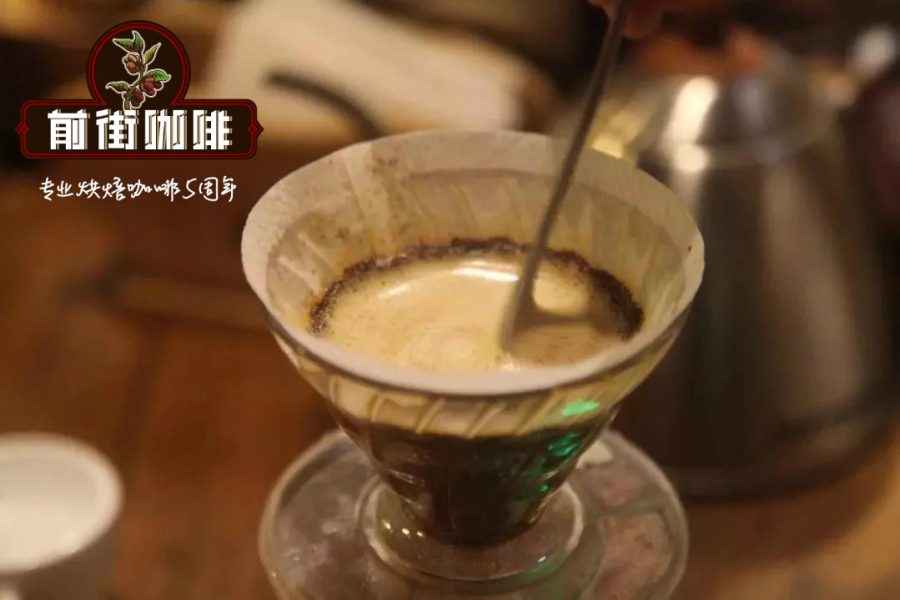
For home brewing, a basic recipe of V60 dripper + 1:15 coffee-to-water ratio is recommended: keep water temperature at 90–92°C (avoid high temperatures that cause sharp acidity), with a grind size equivalent to 75% passing a Chinese standard No. 20 sieve (about BG 5R). Pour in a center-circling motion: the first pour of 50 ml blooms for 30 seconds, then continue in stages to a total of 225 ml, with total extraction time falling between 2:00 and 2:30. If you prefer a softer mouthfeel, try a natural-process version, which has more pronounced sweetness and tropical fruit flavors such as mango and apricot.
Notably, Yirgacheffe is extremely sensitive to storage conditions—unopened green beans should be frozen at -18°C, and ground coffee must be used within 15 minutes. Before brewing, be sure to fully wet the filter paper to remove papery tastes, and use coffee beans roasted no more than 4 weeks prior (freshness can be judged by observing degassing pore density: fresh beans should have 8–10 evenly distributed pores per square centimeter)."


