Drip Bag Coffee: Brewing Cycles and Flavor Guide for Beginners
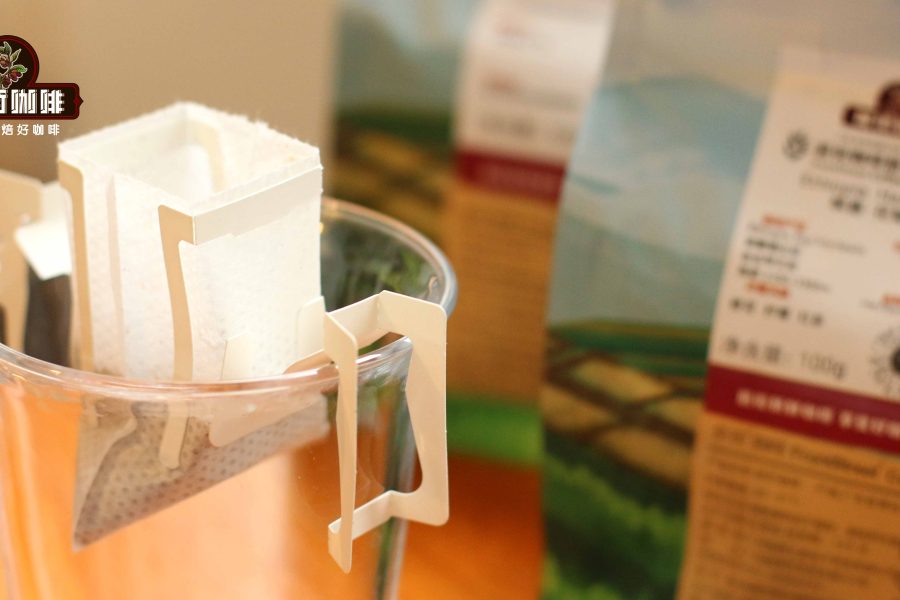
Introduction: Drip bag coffee is a convenient alternative to pour-over that preserves the flavor layers of freshly ground coffee and suits everyday home brewing. This article takes a close look at the reasonable number of brews for drip bag coffee, its flavor characteristics, and brewing techniques to help you master the best extraction parameters. It also compares the taste differences of beans processed in different ways, offering guidance from brewing method to flavor choice.
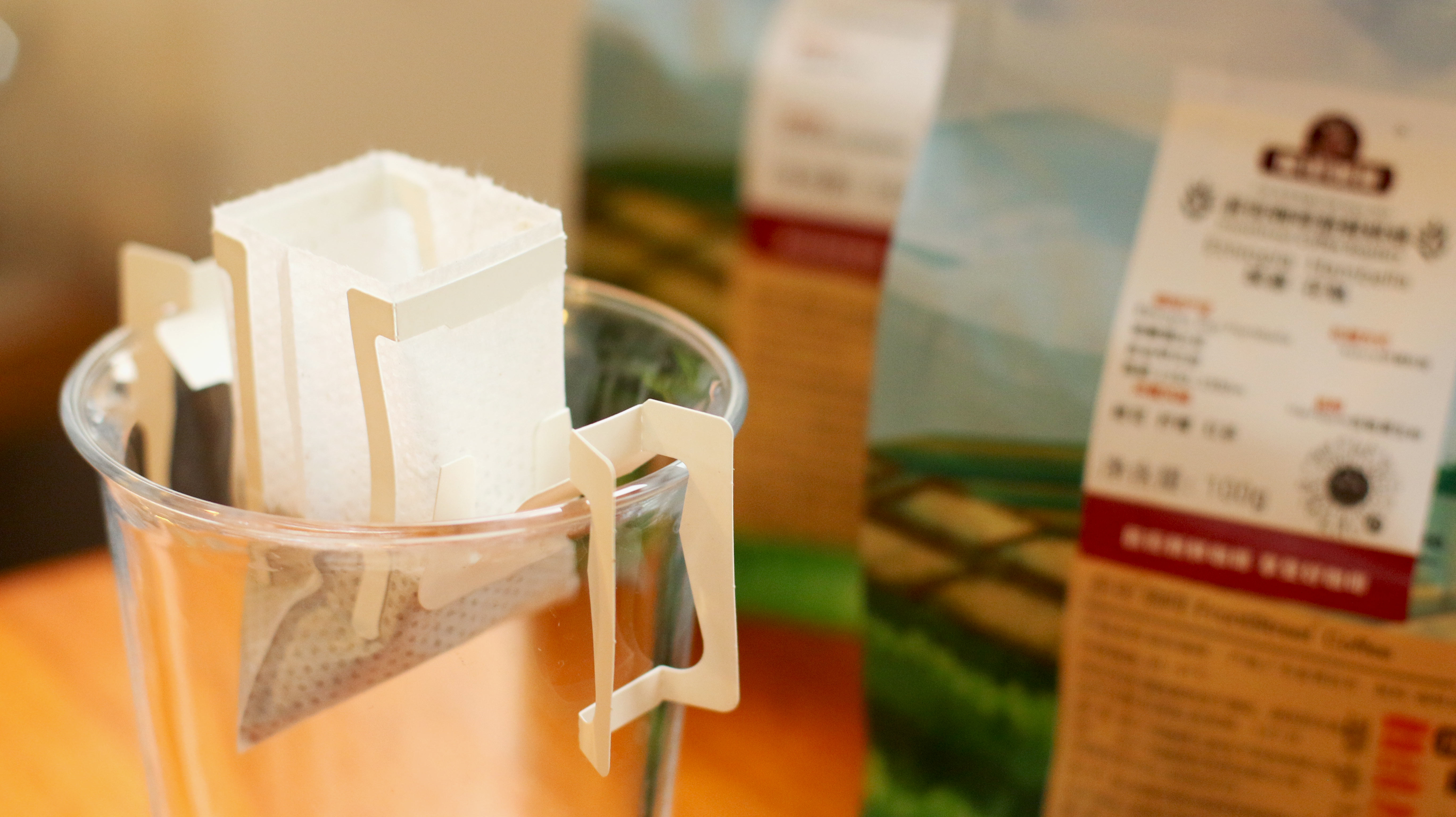
Drip bag coffee is a convenient brewing format in which ground coffee is sealed in a filter bag. Paper tabs on both sides hold it on the rim of the cup, creating a drip effect similar to pour-over coffee. This brewing method, which comes from a Japanese patent, avoids the high skill demands of traditional pour-over while presenting the coffee's original flavor characteristics well.

The standard brewing process has five key steps. First, tear open the outer bag evenly along the marked line, taking care to keep the filter bag intact. Then unfold the coffee bag inside and hang it on the cup rim. Purified water is recommended for brewing, and the water temperature should be boiled water left to stand for 2-3 minutes, that is, roughly 90-93°C. Pour in a thin, slow stream; when the coffee liquid drops to the middle of the filter bag, pour a second time, keeping the total volume at 150-200ml. This single-brew volume ensures both concentration and avoids over-extraction.

As for reuse, professional advice is that each bag of coffee grounds is suitable for only a single brew. After the first extraction, more than about 90% of the soluble substances in the grounds have already been released. A second pour may yield a small amount of liquid, but the flavor compounds drop off sharply and a papery, fibrous off-taste may appear. Experimental data show that the caffeine content of a second brew is less than 30% of the first, while aromatic compounds retain less than 15%.

Storage conditions directly affect coffee quality. Unopened drip bags should be kept in a light-blocking, sealed container with ambient humidity below 60%. Once opened, coffee grounds exposed to air for more than 15 minutes will lose aroma molecules through oxidation. It is recommended to use a storage can with a one-way degassing valve and to keep it away from spices, cleaning agents and other odor sources, since volatile compounds in these substances can contaminate the coffee's flavor through adsorption.

Water temperature is a key parameter affecting extraction. Below 85°C, extraction is insufficient, producing sharp acidity and a lack of sweetness; above 95°C, bitter compounds are easily over-extracted. For medium-roast beans, the ideal temperature range is 90-92°C; for dark-roast products it can be raised appropriately to 93-95°C. In practice, you can judge by watching the flow rate: ideally the coffee should drip evenly at a rate of 1-2 drops per second.

Beans processed in different ways show distinct flavor characteristics. Washed Yirgacheffe beans typically have bright citrus notes and jasmine aromas, suited to those who prefer a fresh taste. Natural-processed Hualv coffee (Huakui) displays rich fruit aromas such as blueberry and tropical fruit, with soft acidity and prominent sweetness. Brazil's semi-washed process creates a balanced nut-and-chocolate base with good acid-bitter harmony. Sumatra's Mandheling coffee is known for low acidity and high body, with complex herbal and dark chocolate flavors, especially suited to drinkers who dislike acidity.
Professional baristas suggest that beginners start with medium-roast Brazilian or Colombian beans, as these varieties are relatively forgiving of pouring technique and water quality. More advanced users can fine-tune concentration to personal taste by adjusting water volume and steeping time; for example, extending the interval before the second pour yields a lighter taste, while pouring faster enhances body.


