Sumatra Mandheling Coffee: Regions, Processing and Flavor Guide
Introduction: Sumatra, Indonesia's second-largest island, is home to the world-famous Mandheling coffee. This article takes a close look at Sumatra's core coffee regions—Aceh and North Sumatra—reveals how the unique wet-hulling process shapes its full-bodied flavor, and provides key parameters such as altitude and varieties to help you better understand the distinctive appeal of this classic coffee.
Sumatra coffee is commonly known as Mandheling and comes from Sumatra, the second-largest island in Indonesia. The island is not only the largest in Indonesia (about 470,000 square kilometers, 13 times the size of Taiwan Province) but also one of the world's important coffee-producing regions. However, coffee is not grown across the whole island; it is concentrated mainly in the two northernmost provinces: Aceh and North Sumatra.
In Aceh, coffee is grown mainly in the Gayo highlands around Lake Tawar, where most growers are indigenous Gayo people. In North Sumatra, the coffee regions center on Lake Toba, with the Sidikalang region on the west side of the lake and the Lintong region on the south side as the main producing areas, where most growers are indigenous Batak people. The geography and cultural background of these two regions lay a unique foundation for the flavor of Sumatra coffee.
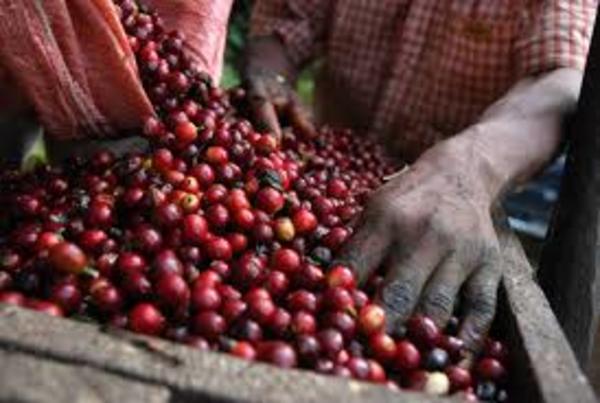
Sumatra's coffee production system is entirely different from other regions. There are almost no large coffee estates here; coffee growing and processing are carried out mainly by tens of thousands of smallholders. Farmers are responsible not only for growing and picking but also for processing the coffee cherries themselves: they first remove the coffee seeds with mucilage from the berries and dry them, but remove the parchment while the beans are not yet fully dry. These semi-dried beans are then collected in batches by buyers of various sizes, further dried, and finally sorted and graded by exporters.
This unique processing method is called Giling Basah, or wet hulling (also known as wet stripping). Because the beans dry slowly and go through multiple handling steps, Sumatra coffee ends up with its signature rich texture. Although this method requires a lot of manual labor to sort out defective beans, the heavy body and distinctive flavor it produces stand out uniquely in the global coffee market.
In the Gayo highlands of Aceh, there is an area called Bintang, north of Lake Tawar, at an altitude of 1,400–1,650 meters. The climate here is suitable, growers use shade-tree cultivation, and the rich growing experience of Gayo farming families makes the coffee from this area distinctive. It retains the full, heavy body common to Sumatra coffee while showing finer acidity and a cleaner mouthfeel, with creamy notes in the middle and particularly prominent sweetness in the finish.
The varieties of this coffee include Bourbon, Caturra, Catimor and Typica, grown at altitudes of 1,400–1,650 meters, with harvest seasons in April–May and November–December each year. Its flavor profile features pomelo aroma, fruity notes, herbal notes, pistachio and caramel, with a thick, layered mouthfeel—very suitable for coffee lovers who enjoy intense flavors.
If you want to try a Sumatra coffee with a distinctive flavor, look for micro-lot beans from Bintang town in Aceh. These beans are usually processed with the traditional wet-hulling method, retaining the classic characteristics of Sumatra coffee while showing finer acidity and a cleaner mouthfeel—a good choice for pour-over coffee enthusiasts.