Indonesia Sumatra Mandheling Coffee: Brands and Flavor
Introduction: This article explores the historical background of Indonesia as a major global coffee-producing region, focusing on the unique flavor and processing methods of Sumatra Mandheling coffee. From the shifts in the seventeenth-century coffee trade to the way wet hulling shapes flavor, it offers a comprehensive look at what makes this classic coffee so appealing. It also recommends Sumatra coffee brands and products worth trying, helping you find the beans you'll love.
Indonesia is not only the world's fourth most populous country but also known as the "nation of a thousand islands," and its unique geography has fostered a highly distinctive coffee culture. As one of the first countries in Asia to take up coffee cultivation, Indonesia's coffee history is closely tied to the global trade landscape.
The word coffee comes from the Greek "Kawah," meaning "strength and passion," while the Chinese term borrows the sound of the English "Coffee." In Indonesia, coffee is more than a drink; it is a witness to history. Before the seventeenth century, the coffee trade was monopolized by the Ottoman Empire, with production concentrated in Arabia and East Africa. After the 1683 Battle of Vienna, Ottoman power declined, and European colonists began introducing coffee cultivation to Southeast Asia.
Thanks to its many islands, Indonesia became one of the first coffee-growing regions to break free of Ottoman control. Historical records show that the earliest coffee seeds were introduced to the island of Java (now part of Indonesia), which remains an important coffee-producing region today.In the 1780s, Indonesia briefly became the world's largest coffee exporter, but it was then hit hard by leaf rust, which killed large numbers of coffee trees. Through persistent effort, local growers successfully restored production and cultivated more resistant varieties.
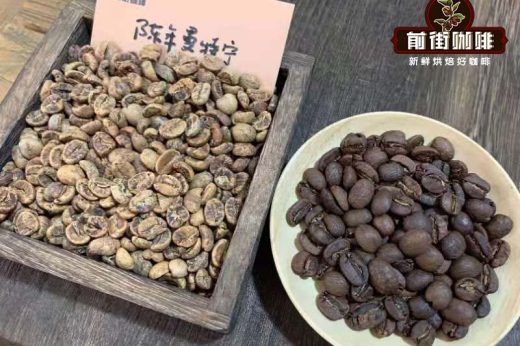
When it comes to Indonesian coffee, one cannot overlook the world-renowned Mandheling. Grown in Sumatra, this coffee is famous for its distinctive flavor: a full-bodied cup with woody notes, often described as having aromas of cigar, spice, or straw mat. These characteristics are largely due to Indonesia's unique wet-hulling process—after the coffee cherries are pulped, the beans are removed from the parchment while it is still not fully dry (moisture content around 30%–40%) and hulled. This method gives the beans a special fermentation effect during subsequent drying, forming their signature flavor profile.
High-quality Mandheling usually shows rich layering, low, gentle acidity, and an excellent balance of bitterness and sweetness. For brewing, a medium-dark roast is recommended; for pour-over, keep the water temperature at 90–93°C and use a coffee-to-water ratio of 1:15 to 1:16. A medium-fine grind, similar to fine granulated sugar, is ideal. Notably, Sumatra coffee often carries a distinctive "earthy" note, which results from the local volcanic soil and the special processing method rather than being a quality flaw.
For enthusiasts who want to try Sumatra coffee, look for products labeled "Golden Mandheling" or "Lintong region." These coffees typically come from highland plantations at 1,200–1,500 meters and have more pronounced flavor characteristics. When buying, check the roast date; freshly roasted beans (7–21 days after roasting) show their best flavor. Store them in packaging with a one-way degassing valve in a cool, dark place, and it is best to finish them within a month of roasting.