Sumatra Wet-Hulled Coffee: Flavors and Three Processing Methods Compared
Introduction: Sumatra's wet-hulling process is the soul craft behind Mandheling coffee's distinctive flavor, creating its signature full-bodied, low-acidity profile through shortened drying time and a special depulping method. This article provides an in-depth analysis of the complete wet-hulling process, compares it with washed and natural methods, reveals how typical flavors such as earthy notes and chocolate aroma are formed, and includes processing risks and buying advice to help you fully master the core knowledge of this classic coffee.
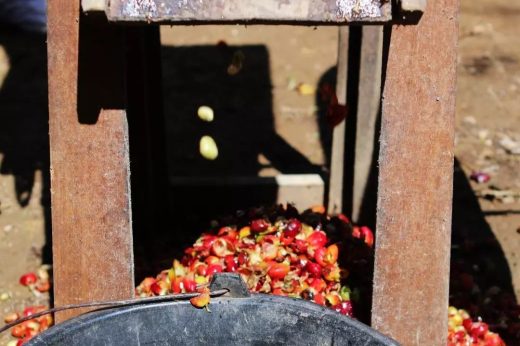
From March to May and September to December each year, Sumatra enters the harvest season for Mandheling coffee. Local coffee farmers strictly select fully red ripe cherries, and after picking in the morning they immediately separate the pulp, using mountain spring water throughout to ensure water purity.
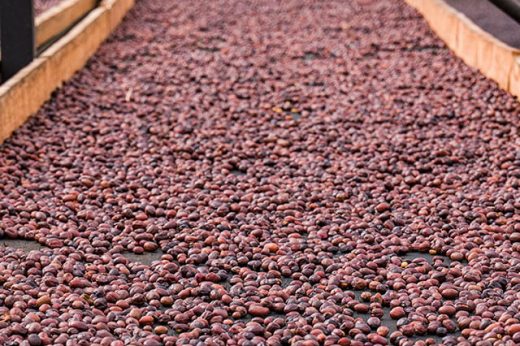
The core steps of wet hulling consist of four key stages: first, the parchment coffee is soaked in water, and floating selection removes defective beans with insufficient density; then a 6-36 hour pectin fermentation follows (some estates skip this step to reduce acidity), and the fermentation duration directly affects the final acidity; next, the semi-dried parchment coffee is sun-dried for 1-2 days, and when the moisture content drops to 30%-50% the huller is used to grind off the parchment, an operation that allows the remaining pectin to evaporate more quickly; finally, drying continues until the moisture content reaches 12%-13%, completing the initial processing.
It is worth noting that during hulling the bean temperature may rise to 30-60°C. This high temperature destroys the protective parchment layer, which may both activate germination mechanisms leading to abnormal transformation of flavor compounds and greatly increase the risk of mold contamination. Statistics show that the defect rate of wet-hulled coffee is significantly higher than that of washed and natural processes, with the occurrence of hoof-shaped beans (deformed beans cracked by mechanical pressure) being particularly prominent.
The unique four-layer processing structure creates the special flavor of Sumatra coffee: compared with the washed method, which removes only the fruit skin and pectin, and the natural method, which retains the complete four-layer structure, the wet-hulling method grinds off the parchment and silverskin midway, exposing the bean directly to a hot and humid environment to accelerate drying. This process forms the blue-green color of the green beans, accompanied by signature earthy notes, woody tones and low acidity—acidity values are usually 30%-40% lower than other processing methods, while body is about 25% higher than conventional washed beans.
There are multiple explanations for the flavor formation: Brazilian researchers have found that specific microbial groups (such as Penicillium) may produce chocolate and vanilla aromatic compounds, but others believe the cumulative effect of defective beans is more critical. In actual production, temperature and humidity control during the drying stage directly affects quality—too-fast drying easily leads to surface hardening that traps moldy odors, while too-slow drying increases the risk of insect damage. Professional processing plants recommend a staged drying strategy: maintain 40%-50% moisture content for the first two days to promote enzymatic reactions, then switch to full-sun rapid dehydration later.
The comparison parameters of the three mainstream processing methods show clear differences: acidity ranking is washed (6.5-7.2 pH) > honey (5.8-6.5 pH) > natural (5.0-5.8 pH) > wet-hulled (4.5-5.2 pH); sweetness shows the opposite pattern, with the natural method usually reaching 18-22°Brix due to complete sugar retention, while wet hulling stays in the 15-17°Brix range. In terms of production risk, wet hulling and natural methods are most affected by weather (drying failure rate about 15-20%), while in terms of equipment investment the washed system requires additional fermentation tanks and clean water filtration devices.
When buying wet-hulled coffee, three points are recommended: observe whether the green beans show a uniform blue-green color with no obvious cracks; during cupping, pay attention to the cedar-wood and tobacco finish that emerges after 20-30 seconds; and storage should maintain a 5-12% moisture content environment to avoid secondary fermentation. For beginners, a medium roast level (Agtron 55-60) better balances body and regional character, and for pour-over, a water temperature of 92-94°C with a V60 dripper is recommended for optimal extraction.