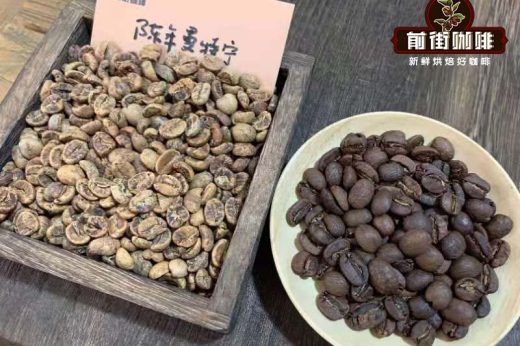
Starbucks Reserve Sumatra Kerinci Coffee Review and Terroir Story
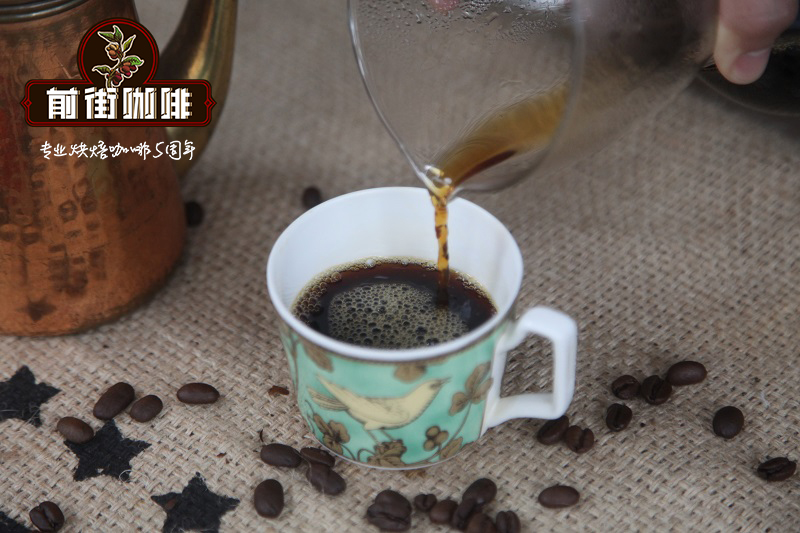
Introduction: Sumatra coffee is known for its heavy, bitter body, yet the Starbucks Reserve Kerinci growing region yields an alternative profile rich with fruit notes. This article explores the coffee-growing belt at the foot of Indonesia's highest volcano, explains how high-altitude volcanic soil produces specialty beans with tropical fruit notes, and offers practical brewing parameters for pour-over of this low-acid, high-sweetness coffee.
Mount Kerinci is not only Indonesia's highest peak (3,805 meters) but also the core coordinate of Sumatra's coffee terroir. This active volcano lies in the southeastern part of Jambi Province, and the Kerinci Seblat National Park in which it sits covers more than 13,000 square kilometers, making it the largest primary forest reserve in Southeast Asia and a UNESCO World Heritage Site.
The volcanic ecosystem provides unique advantages for coffee growing: although the 500-meter-diameter crater is covered in acidic sulfur fumes and dust, the volcanic ash spreading around it is rich in minerals such as potassium and phosphorus, forming a microclimate with the growing belt at 1,200-1,600 meters. Here the average annual temperature is 18-22°C, the diurnal temperature difference reaches 8°C, and annual rainfall of 2,000 mm combines to create an ideal environment for Arabica coffee.
The Sumatra farmer support center that Starbucks established in 2015 changed the region's long-standing growing pattern, which had been dominated by Robusta. The improvement program led by agronomist Sirup Mawardi has been quite effective: by cultivating disease-resistant Agung Sari Arabica seedlings and guiding farmers to adopt shade growing and organic composting techniques, the coffee tree survival rate has risen by more than 40%.
The evolution of the region's coffee flavor is surprising. Traditional Sumatra coffee is known for herbal and earthy notes, whereas Kerinci specialty beans present black berry and tropical fruit top notes, a mid-palate that turns to licorice and clove-like spice, and a finish with caramel sweetness and a slight smoky layer. This contrast stems from precise harvest control: only fully red, ripe cherries are picked, and during wet-hulled processing the pectin fermentation time is extended to 36 hours.
For coffee lovers, this bean's brewing parameters are worth consulting: a V60 dripper is recommended, with a 1:15 coffee-to-water ratio and a water temperature of 90-92°C. For the first pour, use 30 grams of water and let it bloom for 30 seconds; when adding water in stages up to 225 grams, be careful to maintain a central radial stream to avoid over-extraction that brings out bitterness. If you prefer brighter acidity, try lowering the water temperature to 88°C and shortening the grind to medium-fine (75% passing a Chinese standard No. 20 sieve).
The journey from volcano to cup confirms the power of terroir: when most people believe Sumatra can only produce heavy coffee, Kerinci proves with facts that the right altitude, soil and management can let this land express entirely different flavor possibilities.