Asian Specialty Coffee Regions: Flavor Profiles and Bean Buying Guide
Introduction: Asia, one of the world's three major coffee regions, is known for its distinctive, full-bodied herbal and spice character, and its beans are especially suited to espresso bases. This article takes an in-depth look at the geography, processing methods and flavor characteristics of three core regions—Indonesia, China's Yunnan and Papua New Guinea—and details the growing altitudes, variety traits and typical flavor profiles of representative beans such as Mandheling and Yunnan arabica. It also offers a professional flavor-wheel reference and buying advice to help you precisely match your personal taste preferences.
Asian coffee regions are known worldwide for their distinct full-bodied herbal-spice flavors, and their beans, with their dense structure and high body, have become a classic base choice for espresso. Among them, Indonesian Mandheling, with its layered woody and herbal aromas, is the benchmark for Asian flavor, while China's Yunnan arabica and Papua New Guinea's 'Little Blue Mountain' have won market recognition for their distinctive balance of fruit acidity and clean cup.
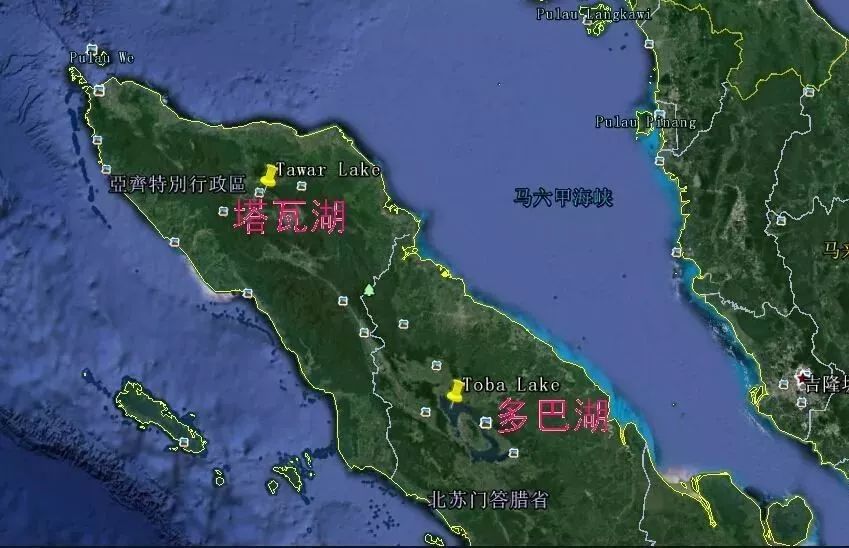
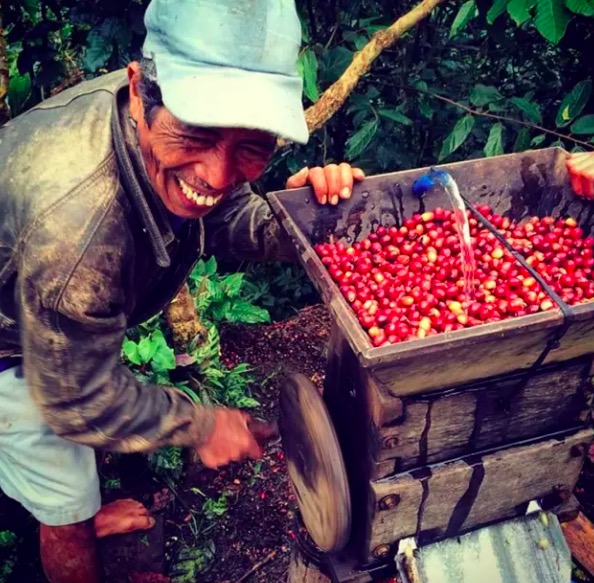
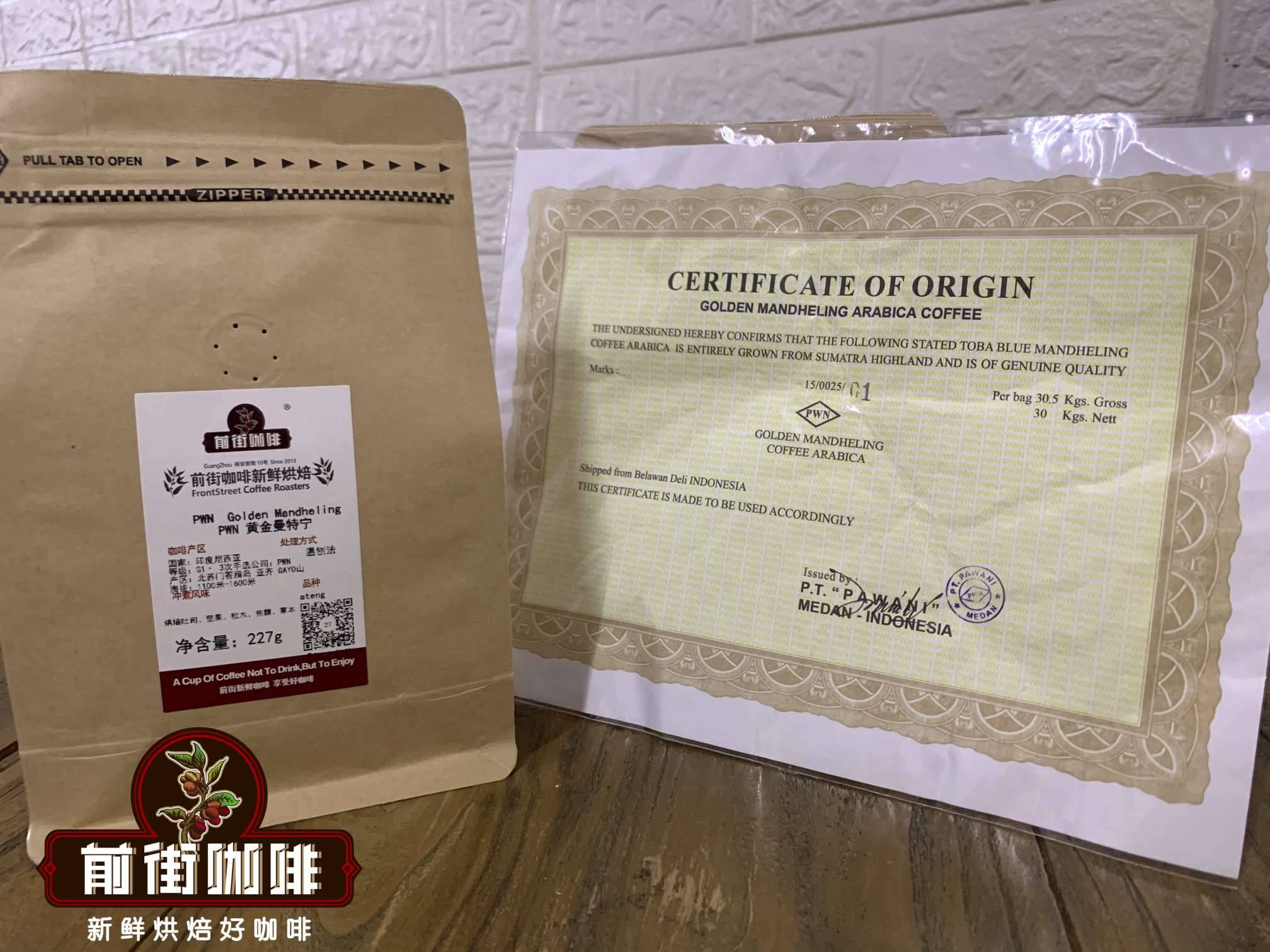
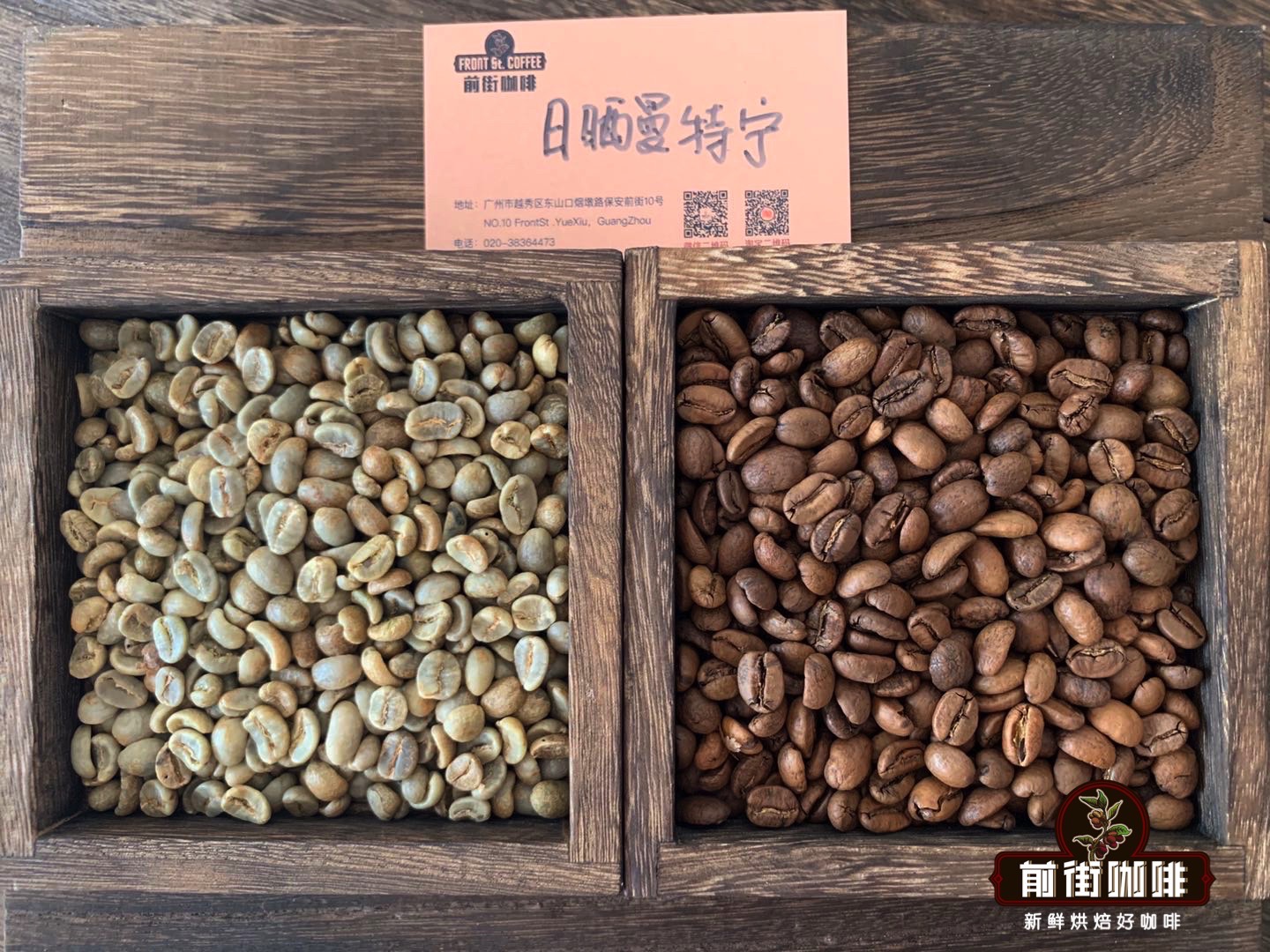
Indonesia, the world's main robusta producer (over 90% of its output), concentrates its arabica mainly in northern Sumatra at altitudes around 1,200 meters. The area has a tropical rainforest climate (average annual temperature 25–27°C, annual rainfall 1,600–2,200 mm), and its volcanic soil is rich in minerals, providing ideal conditions for coffee growing. Sumatra's wet-hulling process is its signature technique—by quickly removing the mucilage layer and shortening drying time, it creates a distinctive low-acid, full-bodied cup. A typical example is wet-hulled beans from Mount Gayo at 1,100–1,600 meters, which often show a compound flavor of nuts, caramel and herbs.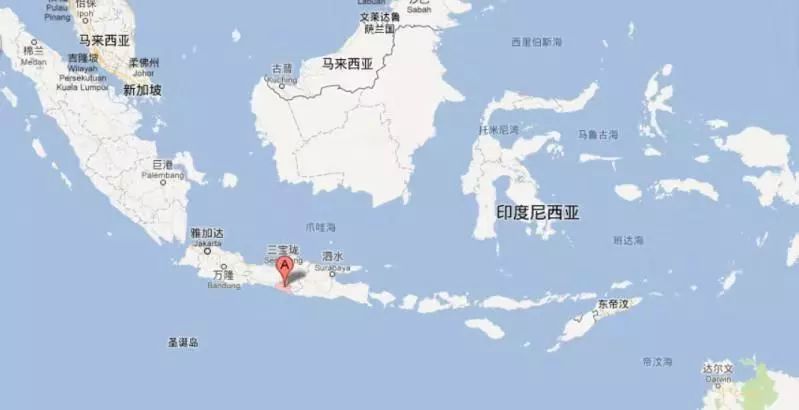
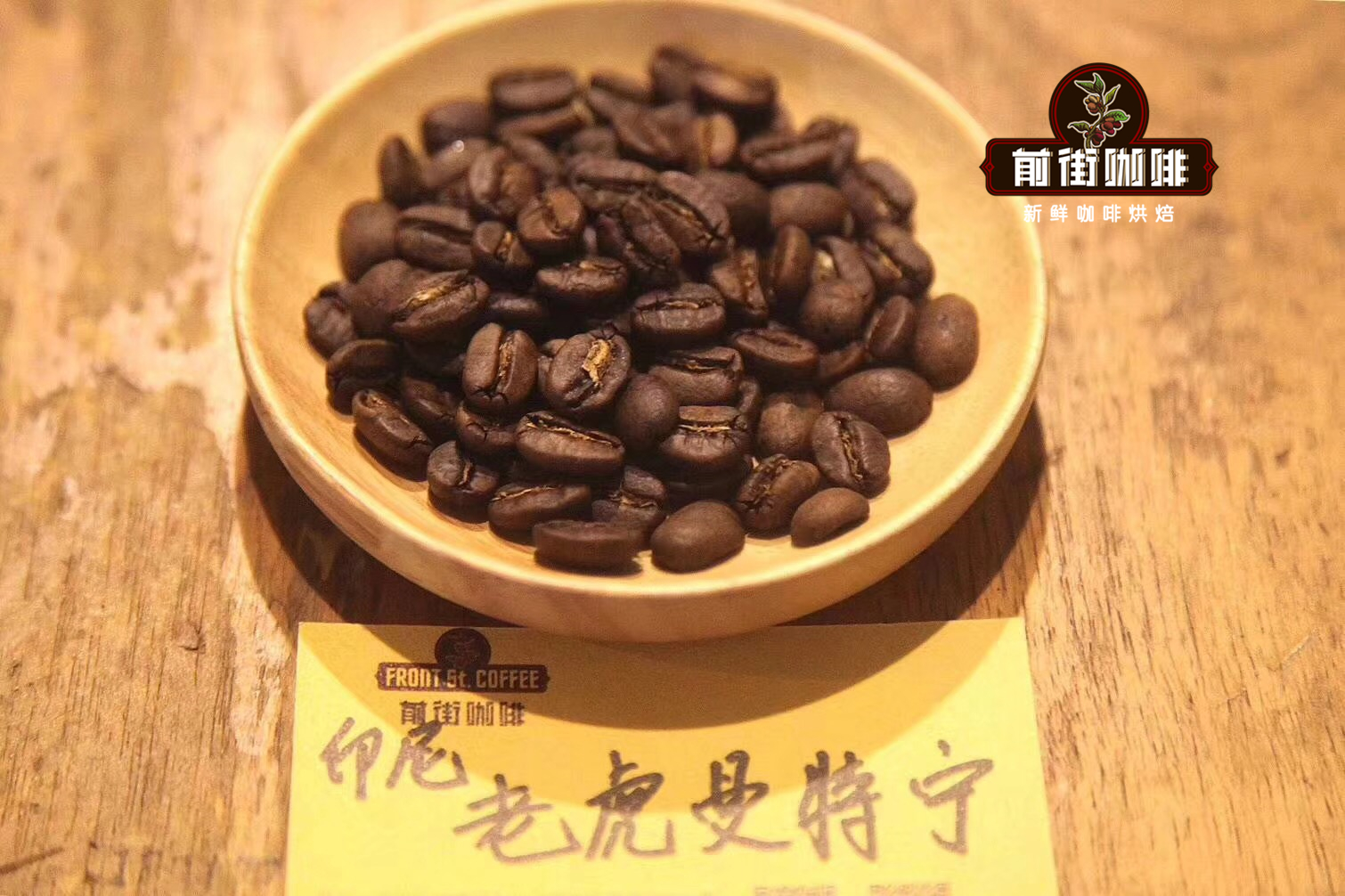
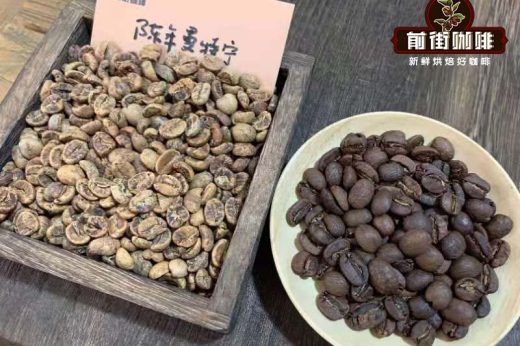
Indonesian coffee cultivation dates back to the Dutch colonial period in 1696; the originally introduced arabica was nearly wiped out by the leaf rust disaster of 1877, after which the disease-resistant robusta was planted instead. Current main regions include Sumatra (the core Mandheling area), Sulawesi and Java; Sumatra is known for productivity, and Mandheling from its western regions, after wet-hulling, often bears the signature 'goat-foot bean' (surface crack) feature. A special aged process (warehouse aging for 2–3 years) can further soften the acidity, transforming it into caramel and ripe pu-erh flavors.
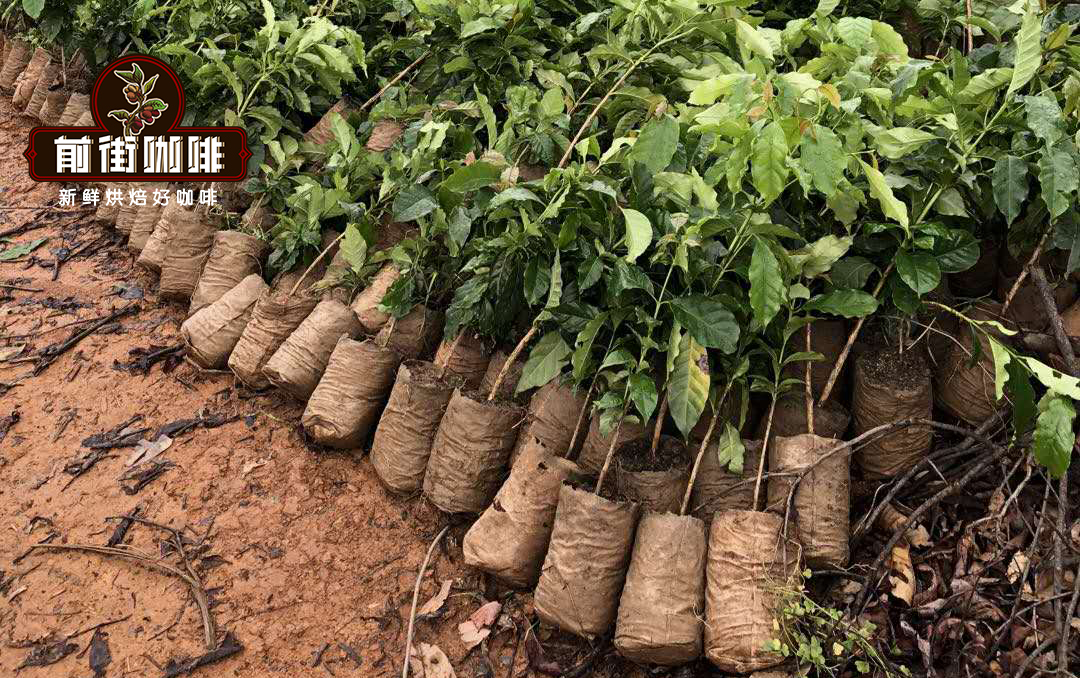
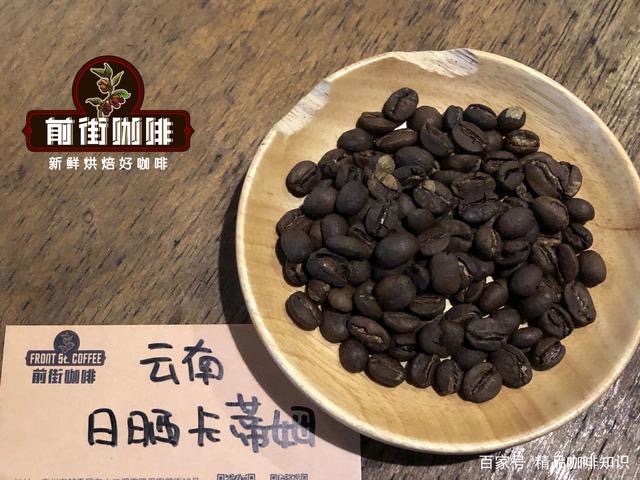
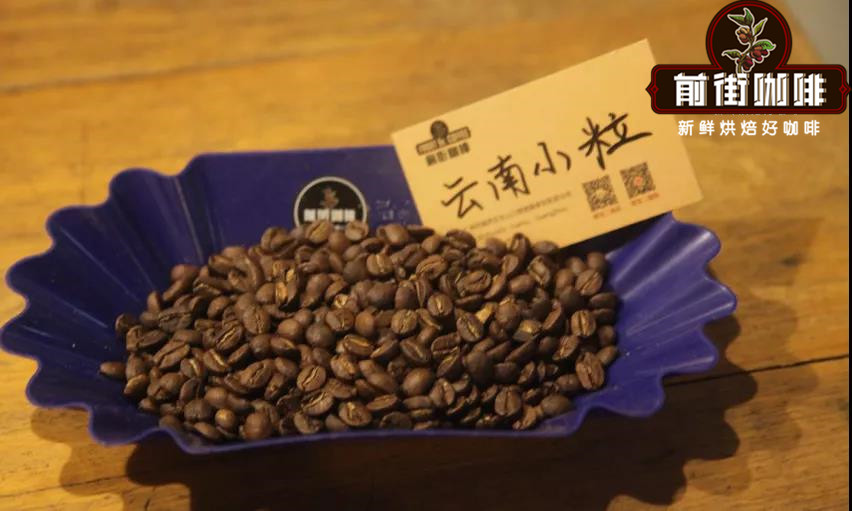
China's Yunnan is one of the fastest-growing arabica regions in the world, with its planting area and output accounting for 70% and 83% of the country's total respectively. The region has a subtropical mountain climate, and the loose, fertile plateau red soil; the 1,000–2,000-meter altitude band between 15°N and the Tropic of Cancer (such as Baoshan, Pu'er and Lincang) forms a distinctive flavor that is 'strong but not bitter, fragrant but not harsh'—arabica (mainly Catimor and Typica) generally carries citrus, dried-fruit and cocoa finish. The Baoshan region, because of its 1950s introduction history and organic farming tradition, often produces coffee with complex layers interweaving dark chocolate and herbs.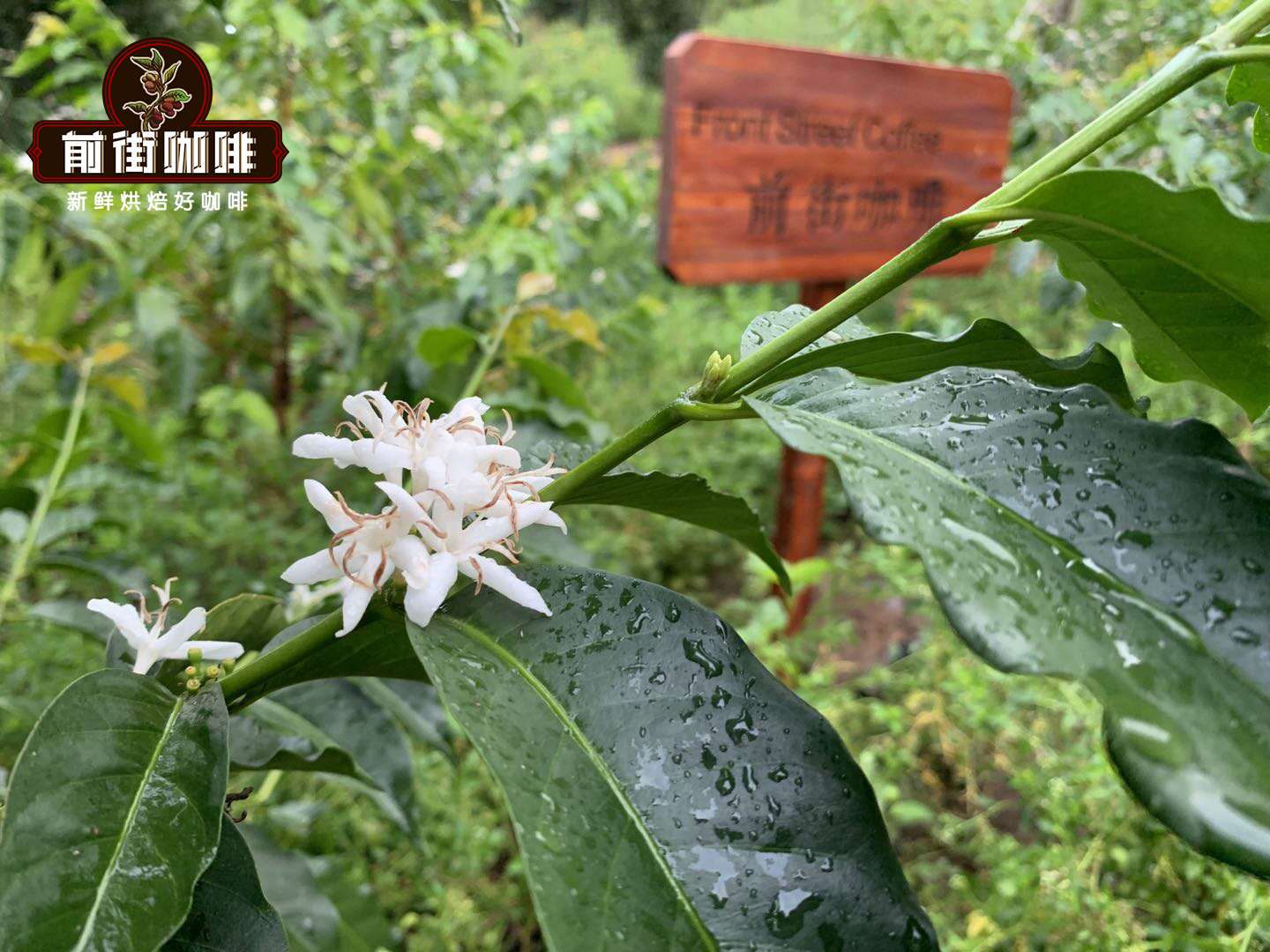
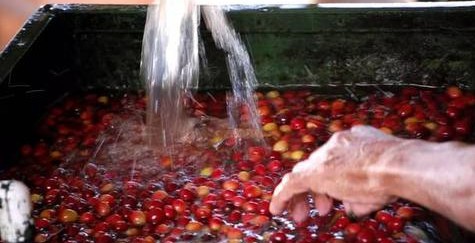
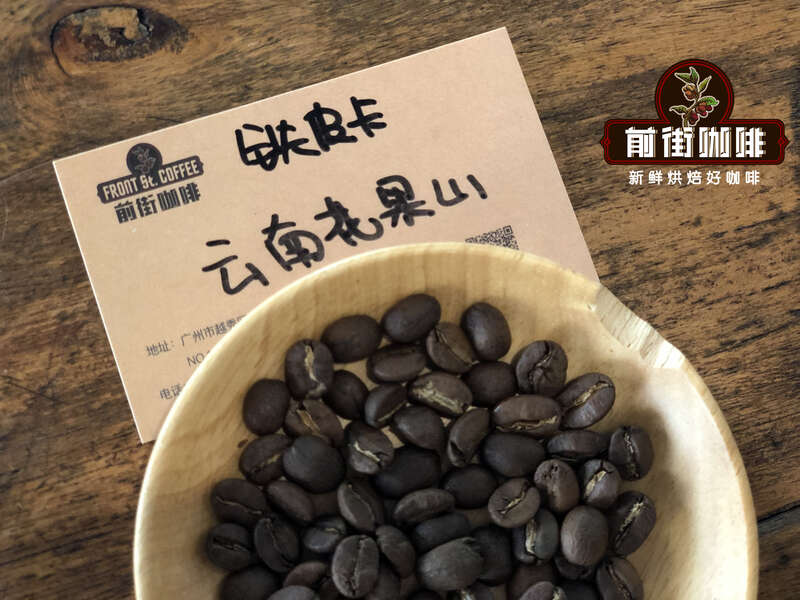
Yunnan's coffee processing methods have shown a diversified trend in recent years: the washed method highlights cleanliness and a black-tea feel (such as the Huaguoshan Typica variety), while the natural method strengthens tropical-fruit aromas (such as Baoshan Red Cherry natural Catimor). It is worth noting that Catimor, containing 25% robusta genes, may carry a risk of astringency and musty notes, whereas the Typica variety, with its higher sweetness and softer acidity, has become the first choice for specialty coffee.
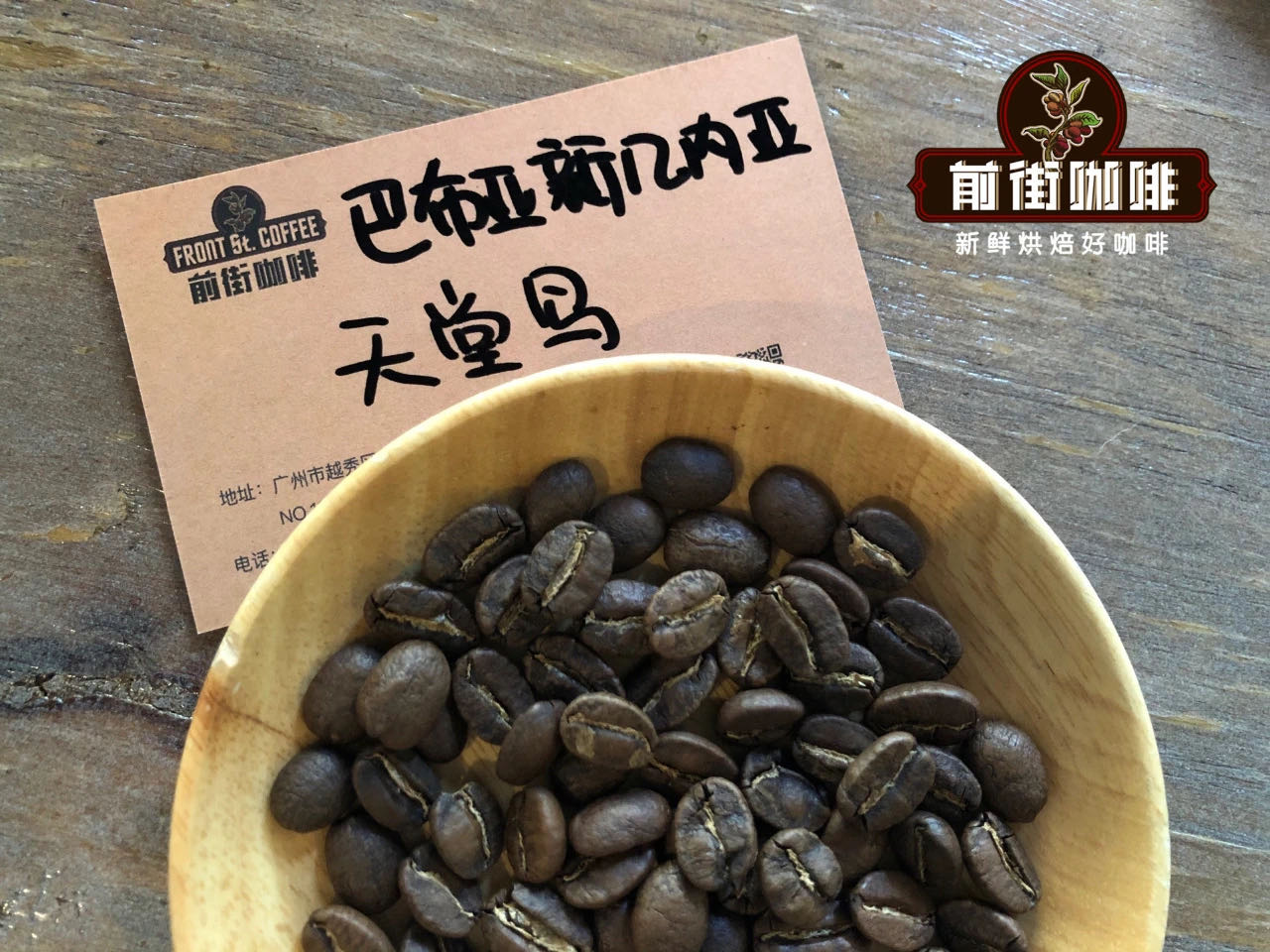
Papua New Guinea (PNG), an emerging specialty region in Southeast Asia, has 90% of its coffee grown by smallholders (accounting for one-third of national income), mainly a derivative of the Jamaican Blue Mountain Typica. The Waghi Valley in the Western Highlands Province at 1,500 meters (such as the Sigri estate) has volcanic soil and ample rainfall; the washed process creates the signature creamy-nutty character and soft fruit acidity of 'Bird of Paradise' coffee, and the flavor wheel shows it balances spice and sweetness at the same time. Estate products usually have cleaner cupping performance, while smallholders ensure quality consistency by hand-picking ripe red cherries.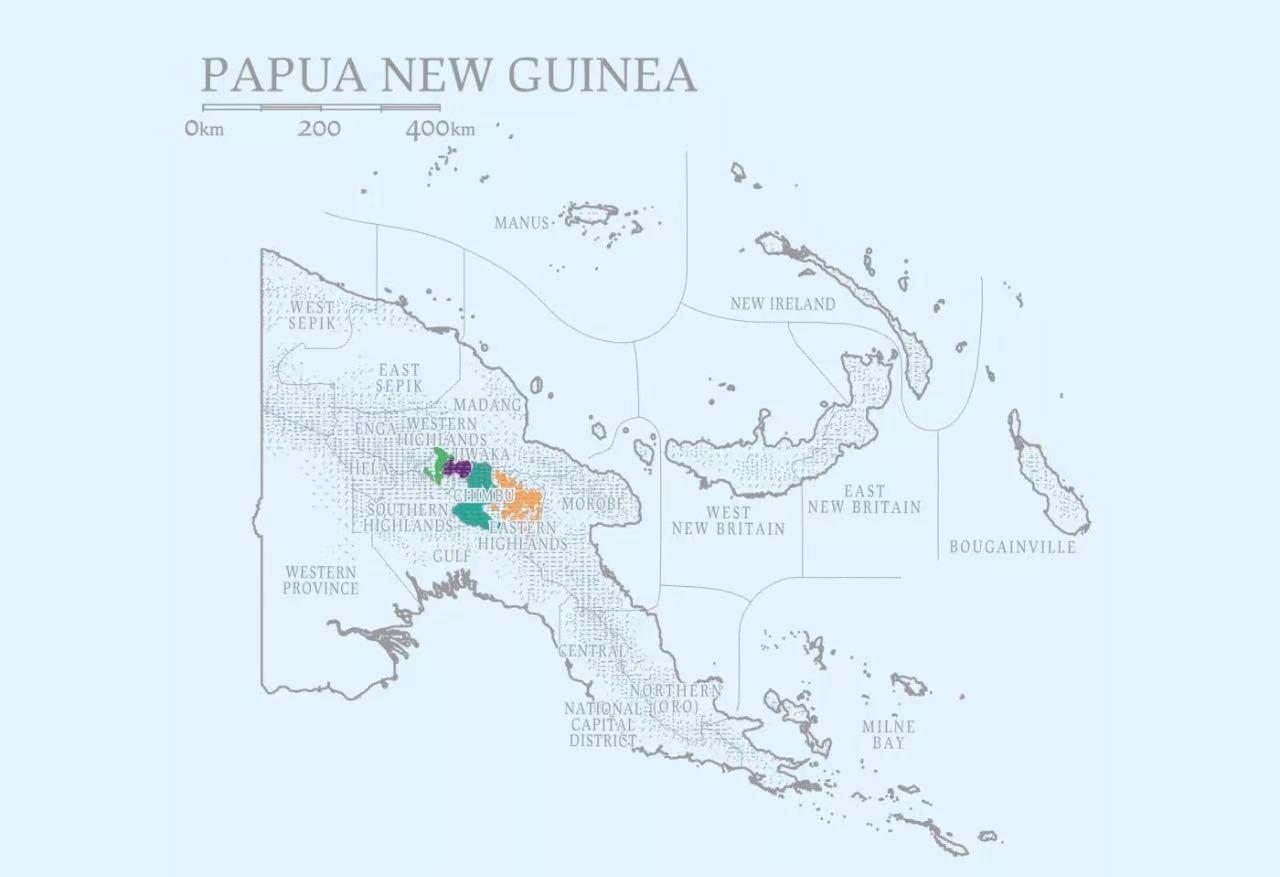
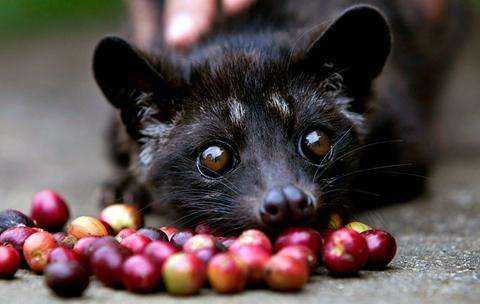
The processing differences among the three regions directly affect the final flavor: Indonesia's wet-hulling strengthens body and herbal notes, Yunnan's washed/natural methods balance fruit aroma and cleanliness, and PNG's washed method highlights purity and sweetness. When buying, it is advisable to prioritize region altitude (1,200 meters or above is best), match the process to the drinking scenario (wet-hulled/natural first for espresso, washed for pour-over), and watch out for common pitfalls—such as mistaking aged beans for freshly roasted beans (aging requires professional warehousing for 2 years or more), or confusing kopi luwak (fermented in the civet's body) with ordinary Indonesian beans in terms of price logic.
For beginners, it is recommended to start with Yunnan washed Catimor (a citrus entry point) or Indonesian wet-hulled medium roast (a nutty-caramel base); advanced drinkers can explore PNG natural beans (tropical-fruit layers) or Indonesian aged Mandheling (low-acid, full-bodied). Professional roasters advise paying attention to bean density (Sumatra beans are denser and require roast-curve adjustments) and defect rate (Grade G1 ≤3 defects/300g); these parameters directly affect extraction settings and flavor-release efficiency.
Asia's coffee diversity far exceeds any single label—from the herbal fullness of Indonesia's volcanic belt to the fruit balance of the Yunnan plateau to the clean sweetness of PNG's rainforest, every region holds flavor codes waiting to be discovered. Mastering the link between regional characteristics and processing methods will help you pinpoint your favored flavors on your coffee exploration journey.