Asia's Three Great Specialty Coffee Regions: Yunnan Estate Beans and Indonesia's Wet-Hulling Guide

Introduction: An in-depth analysis of the flavor characteristics and processing methods of Asia's core coffee regions, with a focus on the growing advantages of Yunnan small-bean coffee and representative Yunnan estate bean varieties, a comparison of Indonesia's unique Mandheling wet-hulling process and the characteristics of Papua New Guinea high-altitude Arabica beans. Includes a region-map-level flavor chart and practical processing key points to help you precisely match your flavor preferences.
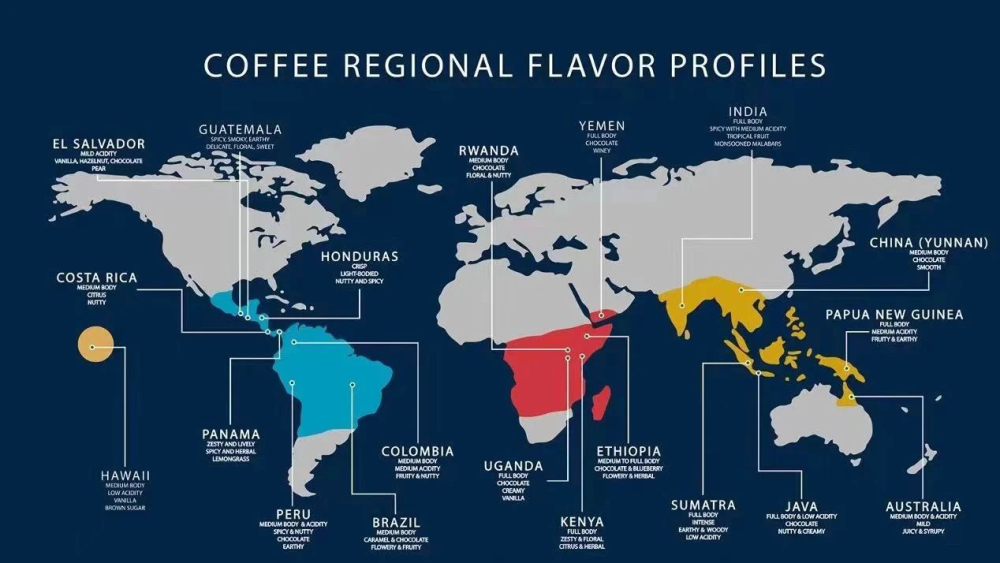
When choosing beans, coffee lovers worldwide often judge quality from packaging information, but combining the basic flavor characteristics of the world's three major regions and then narrowing down to specific estates often leads to a more precise match. Among these, the Asian region is known for its full, robust body, covering countries such as China's Yunnan, Indonesia, and Papua New Guinea, each with its own distinctive terroir.
The overall flavor baseline of Asian coffee regions is a pronounced full body, but differences in terrain, climate, and altitude make each country's expression entirely different. Take the Yunnan region, which has drawn much attention in recent years and has grown from a marginal category into an important force in the specialty coffee market—its coffee carries a signature brown sugar sweetness and nutty base, with growing areas concentrated in the mountains near the Tropic of Cancer, where unique plateau red soil and a mild climate provide an ideal environment for small-bean coffee (i.e., Arabica).
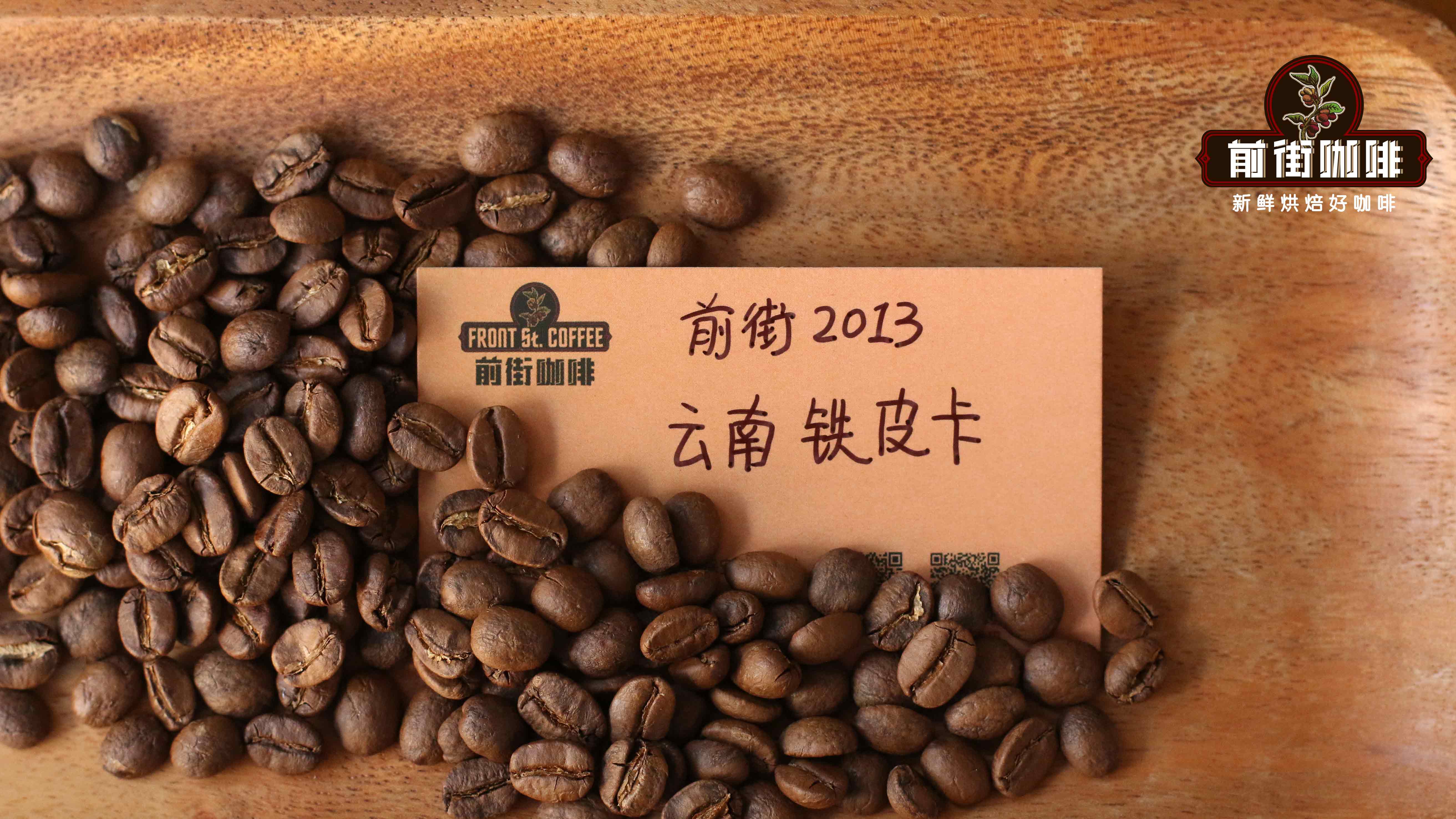
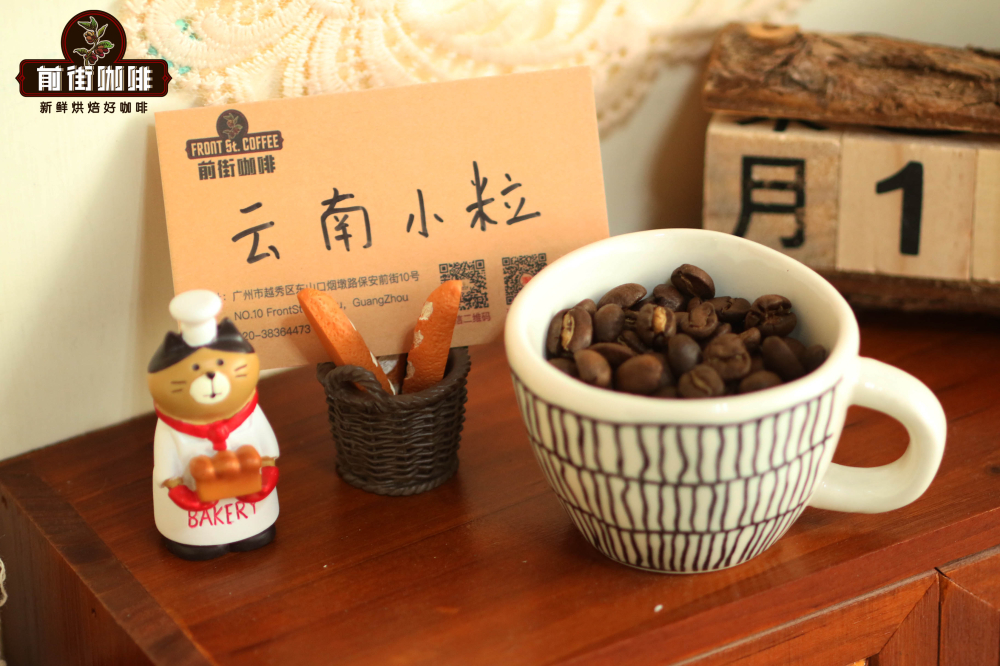
As one of Asia's most representative regions, China's Yunnan enjoys exceptional geographical conditions. It has a subtropical mountainous climate, loose and fertile plateau red soil, moderate temperature differences year-round, and essentially no frost, making it especially suitable for small-bean coffee. Yunnan small-bean coffee (the mainstream variety being Catimor) is known for being "strong but not bitter, fragrant but not harsh, with a slight fruity note," with core growing belts distributed across Lincang, Baoshan, Pu'er (formerly Simao), Xishuangbanna, and Dehong. Among these, Baoshan is widely recognized as the best small-bean coffee producing area thanks to its average annual temperature of 21.5°C (extreme highs reaching 40.4°C) and long frost-free period.
The variety evolution of Yunnan coffee is historically significant: the early introductions were not today's mainstream Catimor but traditional Arabica varieties such as Typica and Bourbon, which were gradually replaced due to low yield and weak disease resistance. In 1959, the Portuguese crossed the Brazilian Bourbon mutation Caturra with Tim, which carries Robusta lineage, successfully breeding Catimor with strong disease resistance and high productivity—promoted by international organizations as the main force against leaf rust, it now accounts for the vast majority of Yunnan's planted area. Nevertheless, some estates still persist in growing Typica, whose flavor is closer to classic Arabica characteristics.
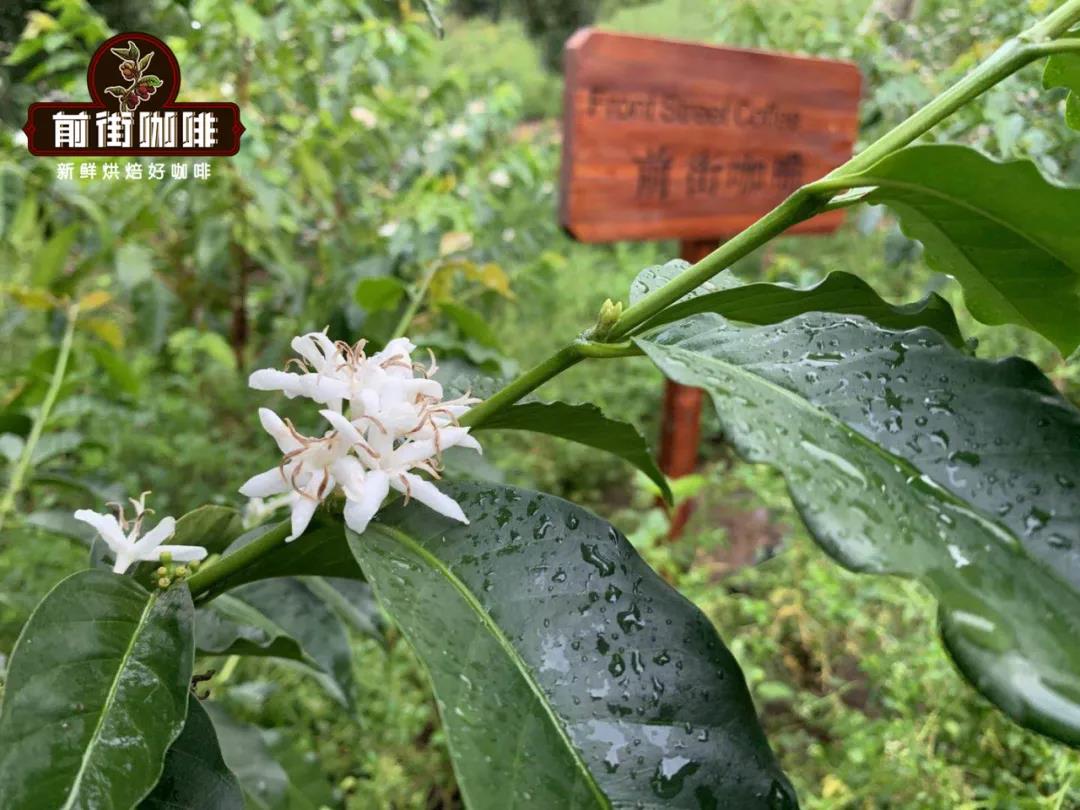
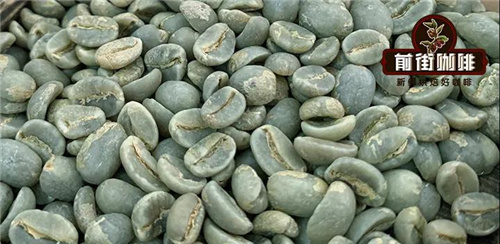
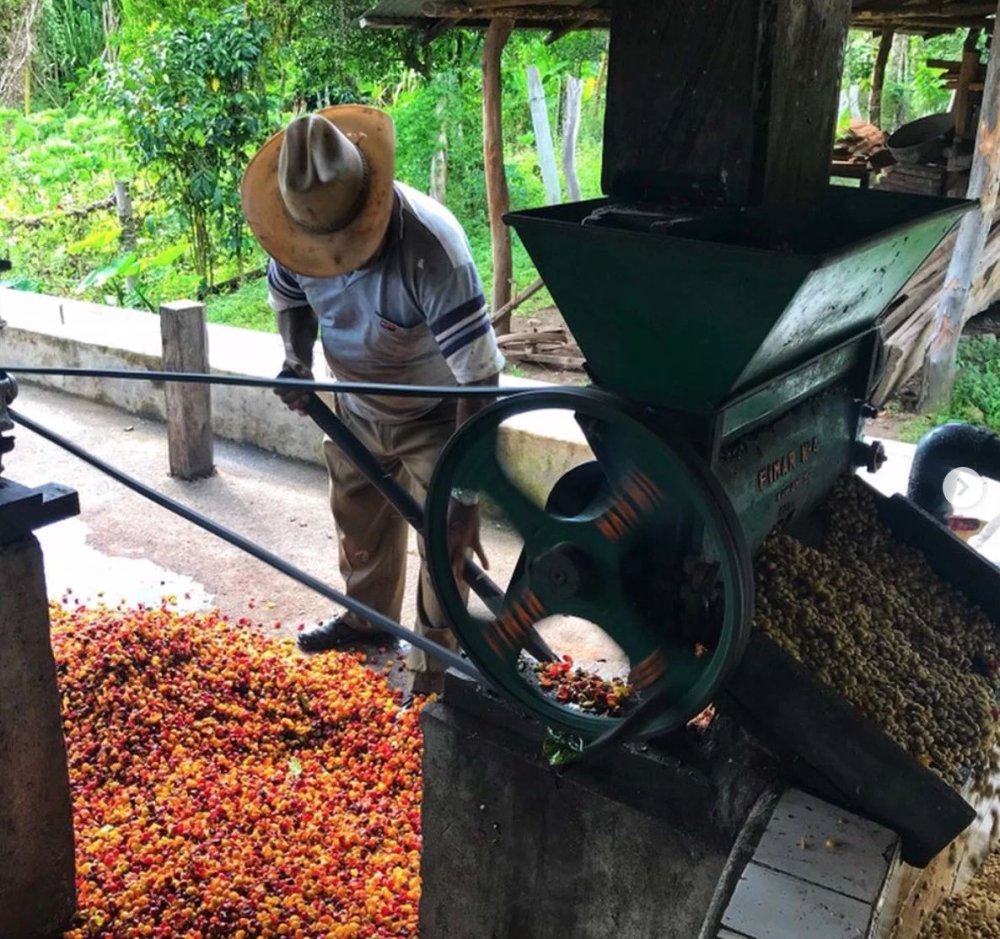
Processing methods directly affect the final flavor of coffee. Yunnan currently relies mainly on the washed method (the highest share), with a strict procedure: after hand-picking ripe cherries, the steps proceed in order—sorting and removing debris → depulping → removing mucilage in fermentation tanks → rinsing with clean water → sun drying (to 11%–12% moisture content) → hulling and grading. This method highlights clean, bright fruit acidity and clear layers, with common flavors showing a balance of nut, chocolate, and brown sugar sweetness. In addition, niche methods such as natural and anaerobic processing are also emerging, offering more possibilities for the region's flavor diversity. Beginners are advised to start with washed beans, such as classic Yunnan small-bean coffee, whose dry aroma is predominantly nutty, with chocolate and creamy flavors emerging on the palate, accompanied by prominent brown sugar sweetness and high overall harmony, giving a direct sense of the Yunnan region's baseline character.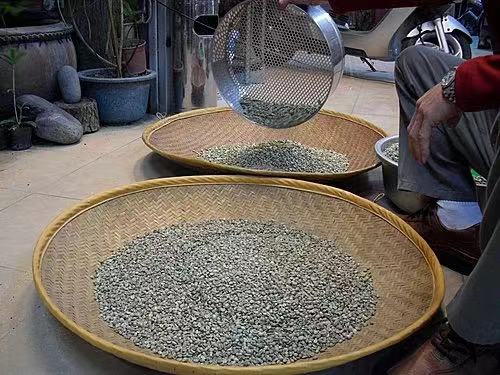
Turning to Southeast Asia, Indonesia is another core region of Asia, its coffee story beginning in 1696 when Dutch colonists introduced it to Java. A leaf rust outbreak in 1877 nearly wiped out Arabica, after which disease-resistant Robusta was planted instead (now 90% of national output, mainly in southern Sumatra), leaving only a small amount of quality Arabica in northern Sumatra—Mandheling is the standout among them. Mandheling is centered on the area around Lake Toba at the northern tip of Sumatra; though only 10% of total volume, it is known worldwide for its unique herbal medicinal aroma and heavy body.
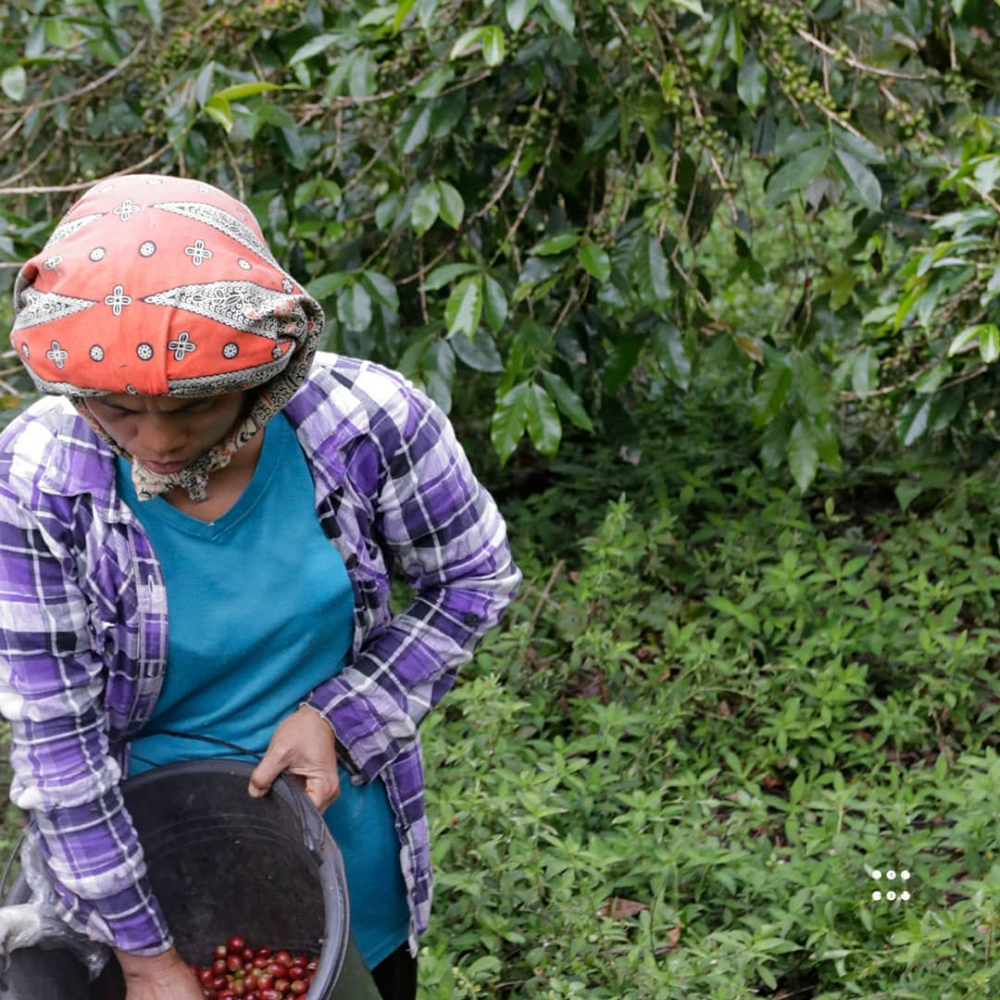
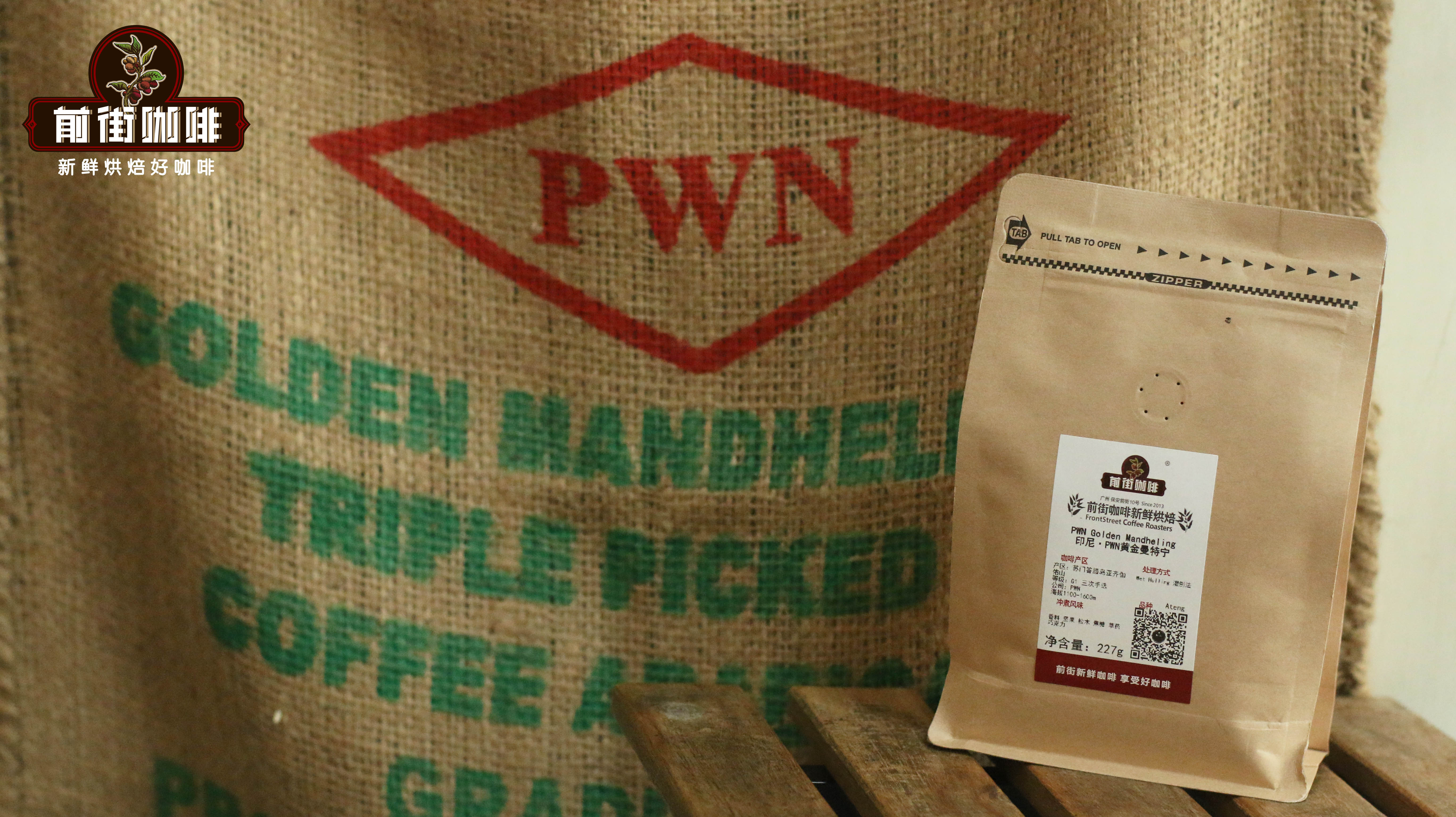
Mandheling has several sub-categories: Lintong Mandheling retains the most original herbal character; Golden Mandheling (PWN-certified selection, beans of at least 18 screen size and passed four rounds of hand sorting) is clean and bright with both body and sweetness; Aged Mandheling, stored for over 3 years after wet-hulling, has acidity converted into sugars for a more intense flavor but a higher threshold of acceptance; Tiger Mandheling features a rich herbal aroma. These differentiated flavors stem from differences in the region's microclimate and processing details.
When mentioning Indonesian coffee, the wet-hulling process must be highlighted—the local humid, rainy climate gave rise to this efficient drying technique: first remove the skin and pulp with a brief fermentation, then hull off the parchment (at which point the beans have about 30%–40% moisture), followed by rapid sun drying to the target moisture content (12%–13%). The rapid dehydration process easily puts pressure on the beans, forming "sheep-foot beans" (surface cracks), which are a typical feature of Mandheling rather than a defect. The advanced aged wet-hulled method adds 2–3 years of storage after regular processing, allowing acidity to naturally fade and convert into deeper sweetness.

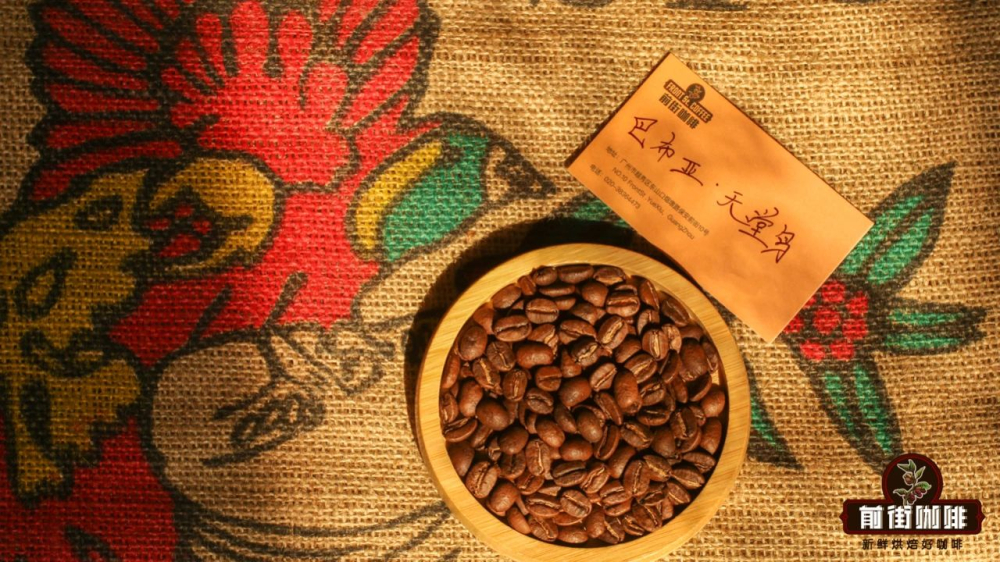
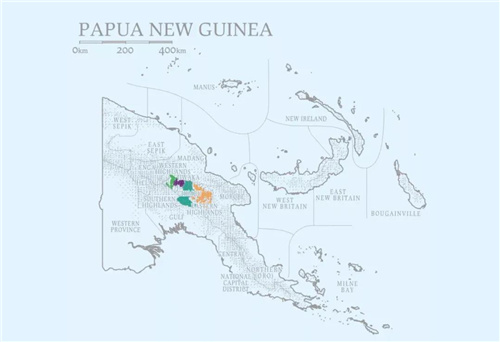
Leaving Indonesia, Papua New Guinea (PNG), located in the southwest Pacific, represents Asia's high-altitude specialty coffee. Locals regard the bird of paradise as a symbol of freedom, and the Arabica coffee from its PNG AA Sigri estate is thus named "Bird of Paradise coffee"—its flavor combines spice with lively sweet acidity, similar to the bright character of South American beans but with a unique regional identity. Beans from this region listed on professional channels actually originate from off-site cultivation of the Jamaican Blue Mountain Typica variety (a lineage connection), so it is often called "Little Blue Mountain," combining Blue Mountain's elegance with the individuality of the local environment. 90% of the country's coffee is grown by smallholders, forming an important source of national income: small estates generally use the washed method (clean flavor with no earthy notes and vivid sweet acidity), with a few using natural processing (richer layers); large estates produce a more delicate and refined cup, in sharp contrast to Indonesia's heaviness.
In summary, the charm of Asian coffee regions lies in the collision of diverse terroirs: Yunnan supports the foundation of the specialty market with mellow sweetness and stable output; Indonesia shapes a one-of-a-kind herbal heaviness through wet-hulling; and Papua New Guinea brings a cross-continental flavor fusion with high altitude and special varieties. Understanding these regions' core characteristics and processing differences can help enthusiasts make more precise choices based on personal taste preferences (for example, those sensitive to fruit acidity can choose Yunnan washed coffee, those seeking a full-bodied herbal aroma can try Mandheling wet-hulled beans, and the curious about fresh brightness can explore Bird of Paradise coffee).