Ice Drip vs. Ice Pour-Over Coffee: Flavor Differences of Low-Temp Slow vs. High-Temp Fast Extraction
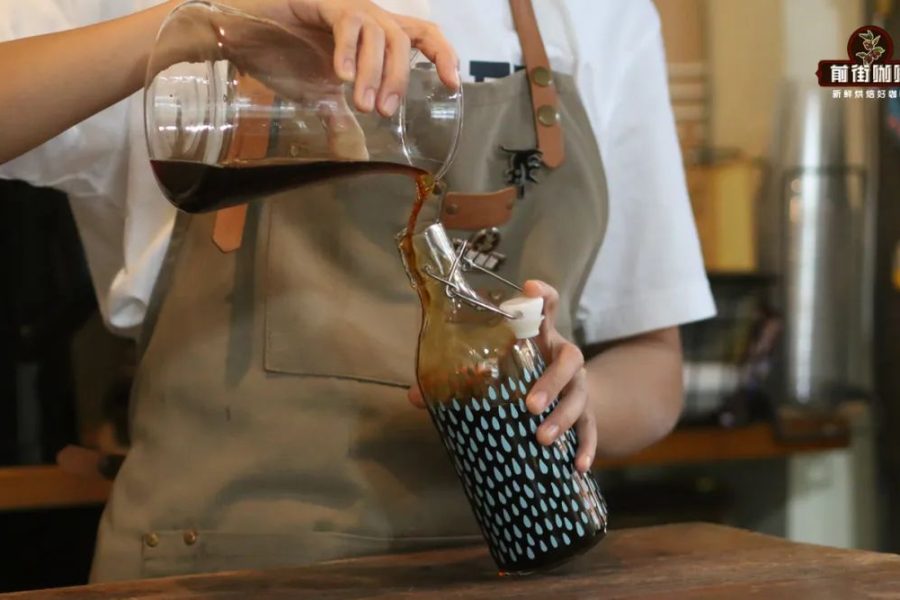
Introduction: Ice drip coffee and ice pour-over coffee are both coffee beverages extracted at low temperatures, but the two have significant differences in extraction principles, operating methods and flavor presentation. This article will deeply analyze the production methods, core parameters and flavor characteristics of ice drip and ice pour-over, and compare the effects of high-temperature and low-temperature extraction on coffee aroma, sweetness-acidity balance and mouthfeel layers, helping coffee enthusiasts better understand and choose a coffee experience that suits them.
Ice drip coffee and ice pour-over coffee, these two seemingly similar low-temperature coffee preparation methods, actually have completely different extraction logic and flavor presentation. Ice drip uses a long, low-temperature slow-drip method for extraction, while ice pour-over completes extraction by passing cold water quickly through the coffee grounds layer. These two methods not only differ obviously in production process, but also each have their own strengths in flavor release, mouthfeel layers and suitable scenarios.
Temperature is one of the key factors affecting coffee extraction. Different water temperatures affect the dissolution rate and presentation form of acidic substances, sugars and aromatic oils in coffee. High temperature can quickly bring out the flavor substances in coffee, but it also easily extracts unpleasant off-flavors; low temperature can more gently extract the delicate flavors of coffee and reduce the release of irritating substances.

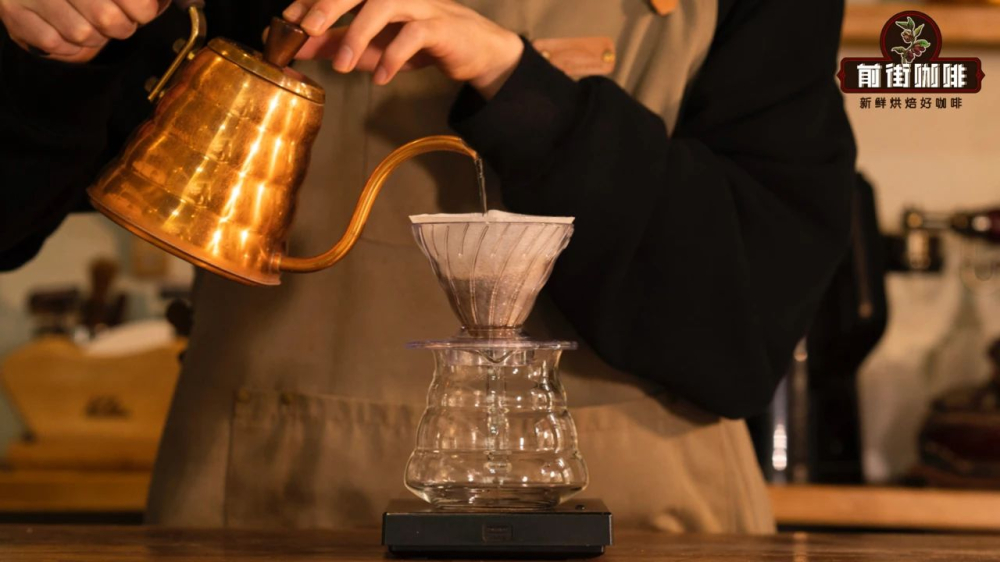
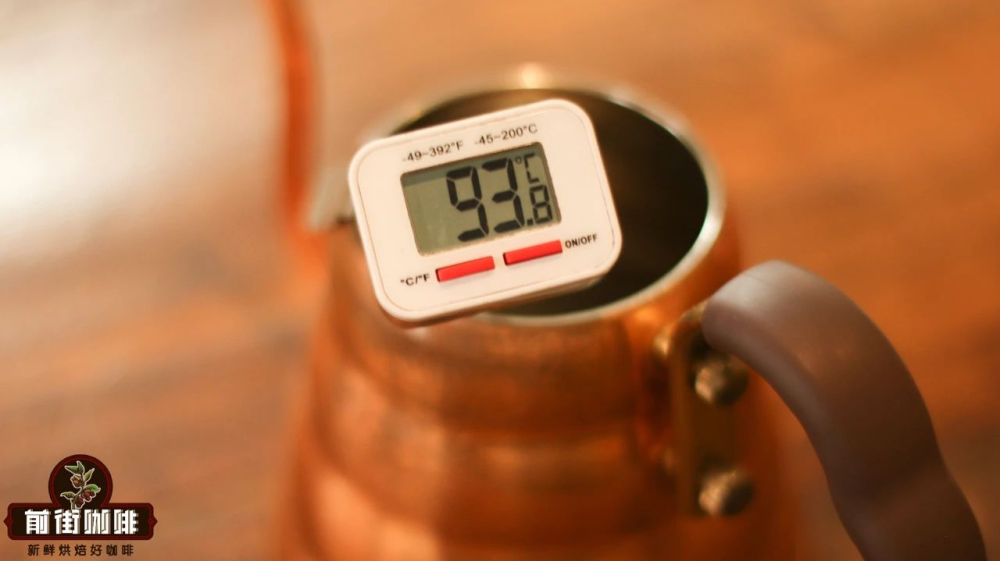
High-temperature coffee extraction usually uses hot water above 90°C, which can extract a rich balance of sweetness, acidity and bitterness in a short time. Its advantage lies in bright flavors, clear layers and bright acidity, but if not controlled properly, it easily releases off-flavors brought by woody fibers, such as cardboard flavor or the bitterness of over-extraction. This extraction method is commonly seen in traditional hot-extraction coffee preparation such as pour-over and espresso.
In contrast, low-temperature extraction such as ice drip uses ice water close to 0°C to slowly drip-filter coffee grounds, and the whole process may last several hours or even longer. Due to the low temperature, the volatile substances in coffee are not easily lost, and the aroma is retained in the liquid. When ice drip coffee is drunk after returning to room temperature, these flavor substances will be released in a concentrated manner, especially forming a "flavor burst" experience at the base of the tongue, bringing a rich and soft taste sensation. But low-temperature extraction takes a long time, and after extraction is completed it usually needs to rest for several hours to allow flavor molecules to fully integrate.
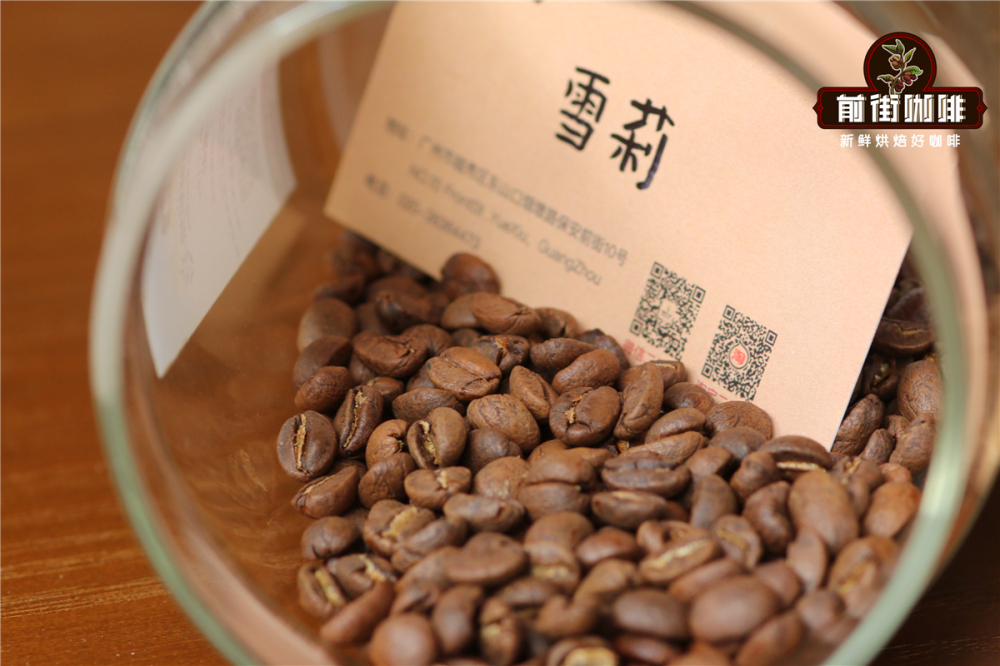
To compare the differences between the two more intuitively, we can use the same coffee beans for an ice drip and ice pour-over experiment. Take a Central American high-altitude coffee bean that has undergone refined washing and whisky barrel fermentation as an example; it itself has significant fruity aroma, wine aroma and creamy texture, making it very suitable for showing flavor changes under different extraction methods.
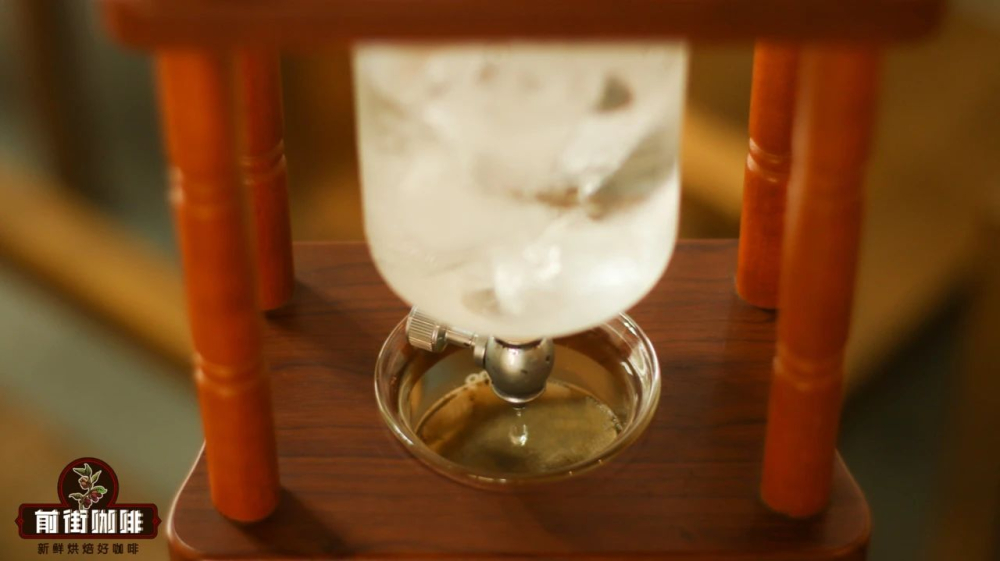
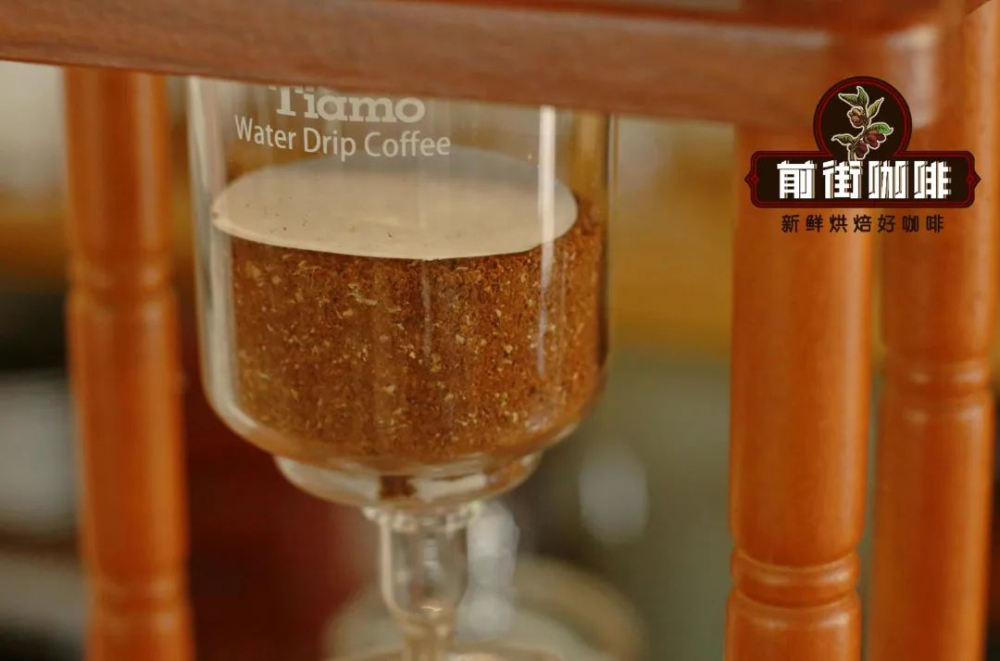
The standard coffee-to-water ratio for ice drip coffee is usually 1:10, for example 60 grams of coffee grounds extracted into 600 milliliters of coffee liquid. The original liquid obtained this way has a higher concentration and is recommended to be enjoyed after dilution. When making it, a professional ice drip pot is needed. First wet the filter paper and fit it against the inner wall of the powder cup, then evenly spread in coffee grounds ground similar to coarse sugar, and press gently to ensure the surface is even. Next place a layer of filter paper to prevent the powder layer from being broken through by water drops.
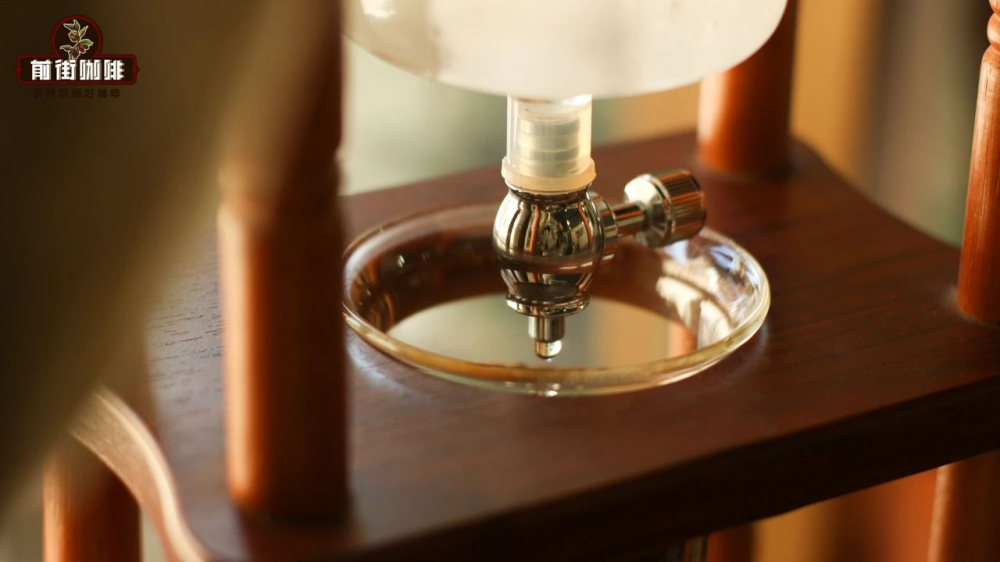
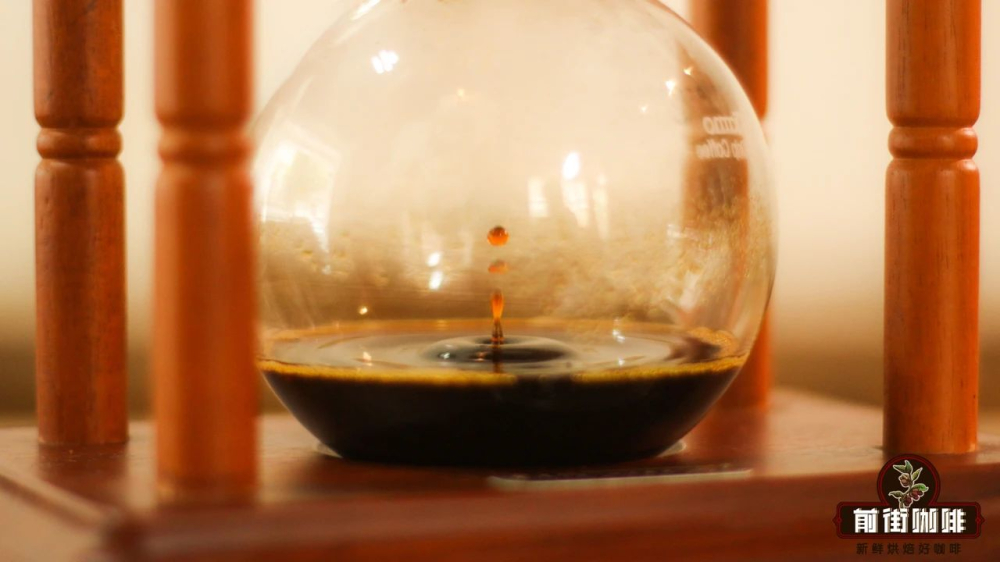
Before formal dripping, it is recommended to first use ice water for "pre-infusion", similar to the blooming step in pour-over, which helps the coffee grounds absorb water evenly and start extraction. When pouring water, control the flow rate and keep the powder surface flat to avoid local depressions causing channeling. During formal dripping, place the ice-water mixture in the upper pot and adjust the drip rate to about 7 drops per 10 seconds, allowing the ice water to slowly penetrate the coffee grounds layer; the whole process may take 6-12 hours.
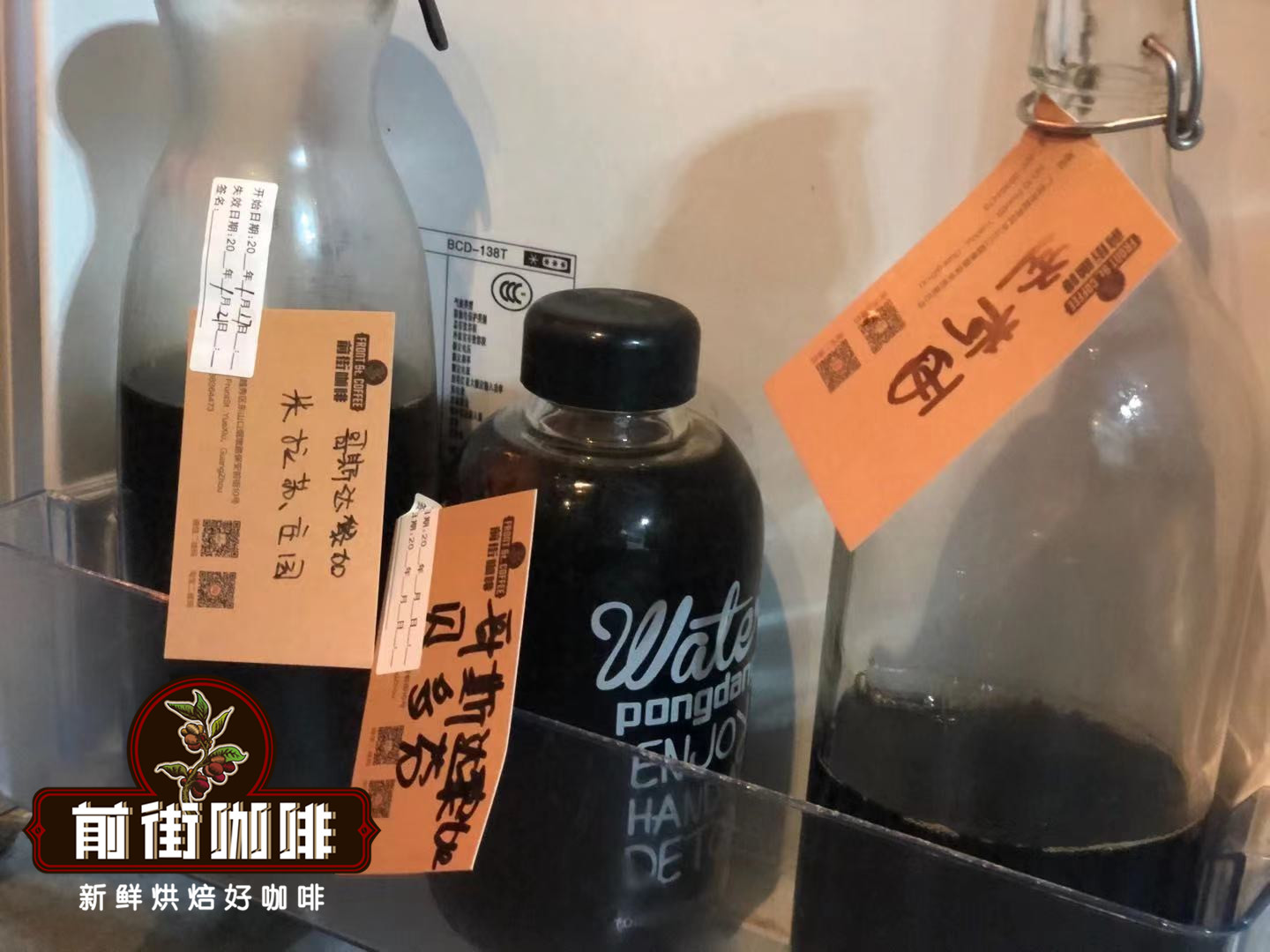
After dripping is completed, the coffee liquid should be transferred to a sealed container and placed in the refrigerator to rest for at least 8 hours, preferably no more than 72 hours. This stage helps flavor molecules further integrate, and the release of carbon dioxide also helps improve the complexity and smoothness of the aroma. Refrigeration not only slows bacterial growth but also makes the coffee more balanced and easy to drink.
The flavor of ice drip coffee often shows rich wine aroma, vanilla creamy sweetness and silky mouthfeel, with a finish carrying the slight bitterness of liqueur chocolate and a soft aftertaste. This flavor release is more restrained and pure, suitable for drinkers who like clean, mellow and layered coffee.
Ice pour-over coffee uses cold water or an ice-water mixture, completing extraction by passing through the coffee grounds layer at a faster flow rate. The common coffee-to-water ratio is also 1:10, for example 15 grams of grounds corresponding to 150 milliliters of water. The grind is usually slightly finer than ice drip, about medium-fine (which can be judged by an 80% pass rate through a No. 20 sieve). The water temperature is generally controlled between 90-93°C, but when cold water or ice water is actually used, the temperature drops significantly, so it relies more on grind and technique to regulate extraction efficiency.
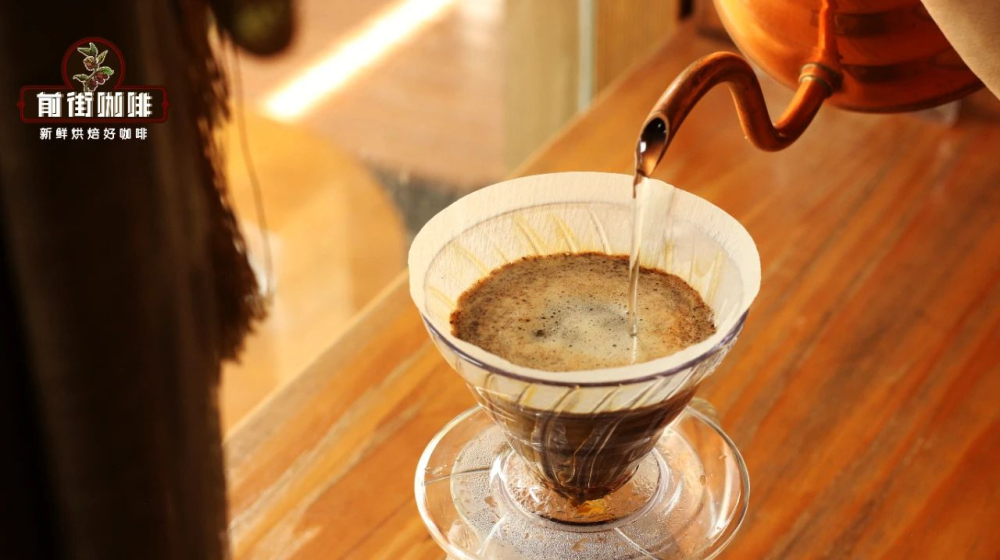
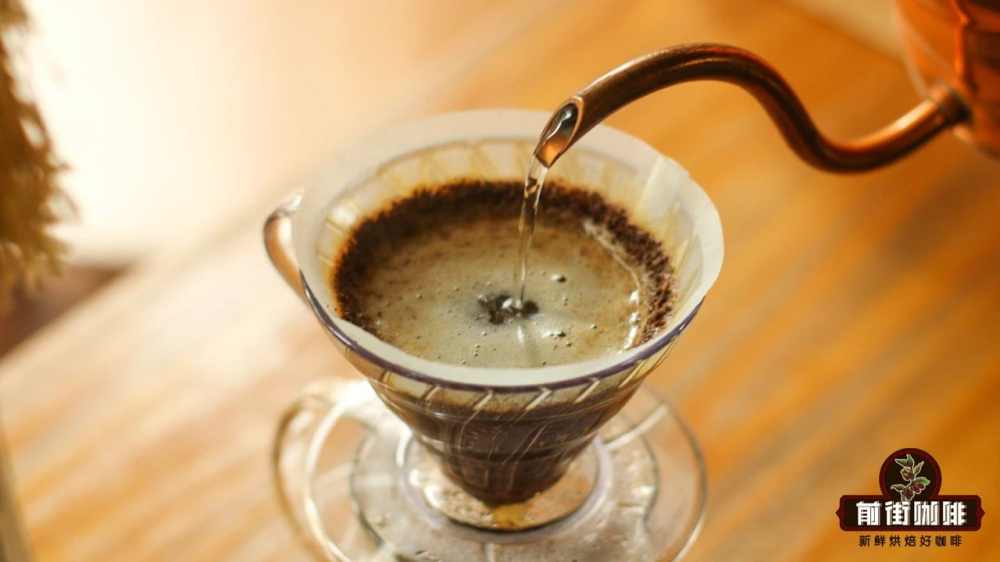
The steps of ice pour-over include preheating the equipment, wetting the filter paper, then adding coffee grounds and first performing a 30-second pre-infusion (usually using a small amount of hot water), then pouring water in circles from the center outward, controlling the water flow steadily, and completing extraction in stages. The total time is about 1 minute 40 seconds, and finally the concentration and temperature are adjusted by adding ice and stirring to improve the drinking experience.
The flavor of ice pour-over coffee is usually more layered: the front section highlights wine aroma and fruity acidity, the middle section shows a soft transition of cream and fruit, and the back section may carry slight astringency and the aftertaste of nuts and cocoa. Because the water flow is faster, this extraction method can bring out the diverse flavors of coffee in a shorter time, suitable for drinkers who like bright flavors and rich layers.
In summary, ice drip coffee pursues a pure, mellow and lingering mouthfeel, suitable for slow savoring and careful appreciation; while ice pour-over emphasizes flavor layers and a balance of fresh sweetness and acidity, more suitable for quick enjoyment and daily drinking. Each method has its adherents, and both can show the unique charm of coffee under different temperatures and extraction logic.