Kopi Luwak Explained: Regions, Flavor, and Unique Processing
Introduction: Why is kopi luwak so expensive and highly talked about? This unique coffee from Indonesia is famous for the natural selection by civets and the special digestion process. This article takes a deep dive into the main production regions, flavor characteristics, and the controversial processing method behind kopi luwak, helping coffee lovers fully understand the unique charm and brewing points of this rare coffee.
Since entering the market, kopi luwak has attracted the attention of coffee lovers worldwide with its high price and mysterious production process. This coffee is precious not only because of its rarity but also because of its unique production method—coffee beans that have been eaten by civets, partially processed through their digestive system, and then excreted. It should be noted that only coffee beans produced in Indonesia and excreted by wild civets are considered authentic kopi luwak.
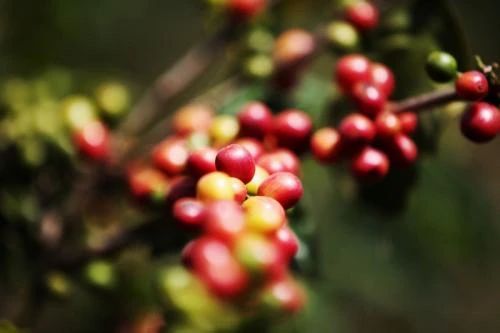
Although similar products are now available in places like the Philippines and Vietnam, they cannot match the quality and market price of Indonesian-origin kopi luwak. Civets are omnivorous animals and are extremely picky about food, usually only choosing the ripest and best-flavored coffee cherries to eat. They cannot digest the coffee beans, which are excreted with the feces after passing through the digestive tract. This process unexpectedly preserves the beans' intact form while giving them a unique flavor.
The history of kopi luwak can be traced back to the early 18th century. At that time, Dutch colonists planted coffee on a large scale in Sumatra and Java, Indonesia, but forbade local residents from picking and consuming it. Local farmers then accidentally discovered that wild civets would steal coffee cherries but could not digest the beans, eventually excreting them. Out of curiosity, the farmers collected the beans from these "special droppings," washed and roasted them, and brewed them, and thus kopi luwak was born.
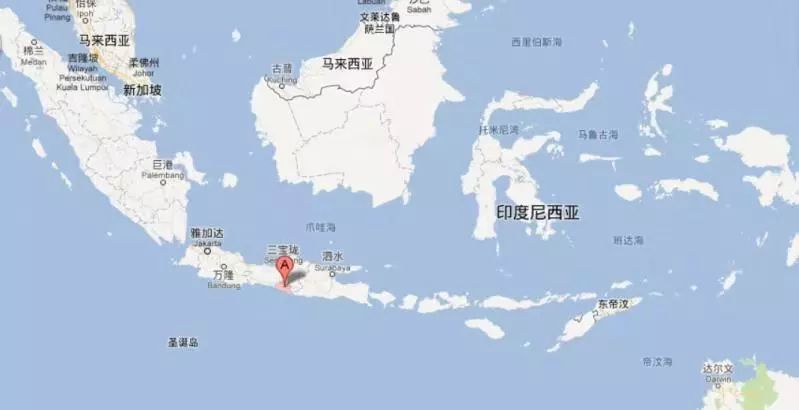
Civets mainly live in the hilly areas of Indonesia below 2,100 meters above sea level, so kopi luwak is produced across a wide range of regions, including major coffee-growing areas such as Sumatra, Java, and Sulawesi. Among them, Sumatra is known for producing the world-famous Mandheling coffee; coffee in this region is typically grown at elevations between 1,100 and 1,600 meters, with the harvest period concentrated from September to December, and main varieties including Typica, TimTim, Ateng, and Onan Ganjang. Java mainly produces refined aromatic coffee beans, at elevations between 900 and 1,800 meters, with a harvest period from July to September, and common varieties including Typicas, Ateng, and USDA. Coffee production in Sulawesi is dominated by smallholders, with most Arabica beans grown in the highlands around Tana Toraja, at elevations ranging from 1,100 to 1,800 meters, with a harvest period from May to November, and main varieties including S795, Typicas, and Ateng.
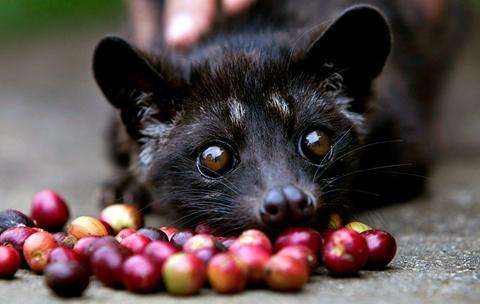
Kopi luwak has a unique flavor profile: it has the full-bodied characteristics common to Indonesian coffee, and because civets prefer highly ripe coffee cherries, its flavor is more concentrated. Since low-altitude regions in Indonesia mostly grow Robusta varieties, kopi luwak often carries the earthy and herbal aromas typical of Robusta. In addition, through the "screening" of the civet's digestive system, only the sweetest and ripest coffee cherries are selected, which lays the foundation for the high quality of kopi luwak's flavor. Many coffee lovers believe that this process of natural fruit selection by animals is similar to Ethiopia's red cherry project, except that the former relies on animal instinct while the latter relies on manual selection.
Regarding the unique flavor of kopi luwak, there is a theory that it is related to the "fermentation process" in the civet's body. Some views suggest that in the civet's digestive tract, coffee beans are affected by strongly acidic digestive juices and special proteases, which can break down proteins in the beans to produce short-chain peptides and amino acids, thereby changing the coffee's flavor. However, the reality is that coffee beans usually stay in the civet's stomach for only one to two hours, far from enough for significant chemical changes to occur. Therefore, the influence of so-called "in-body fermentation" may be exaggerated and is more of a marketing gimmick.
After being excreted, kopi luwak still needs to go through Indonesia's traditional wet-hulling process, which has an important impact on the final flavor. The wet-hulling process removes part of the mucilage and parchment layer from the beans, accelerating the drying process and giving the coffee a fuller body and lower acidity. Therefore, the unique flavor of kopi luwak comes more from the civet's natural selection of coffee cherries and the subsequent traditional processing.
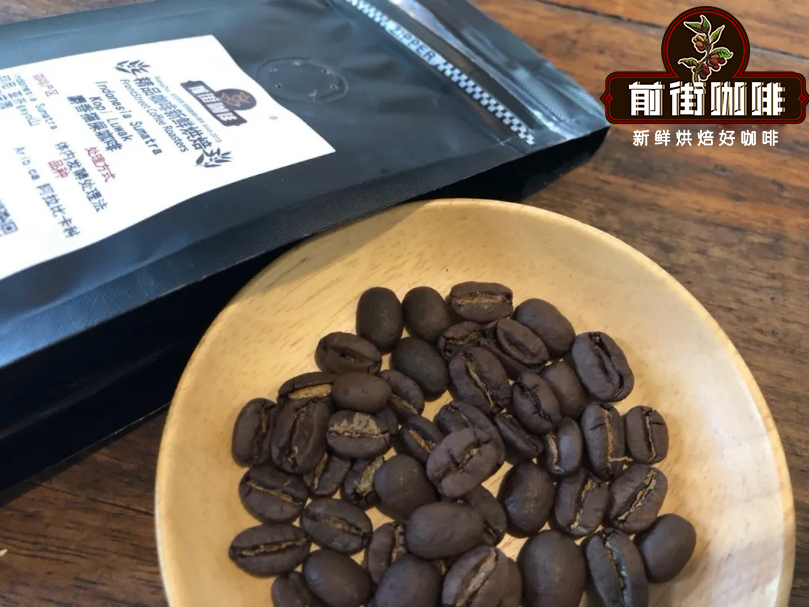
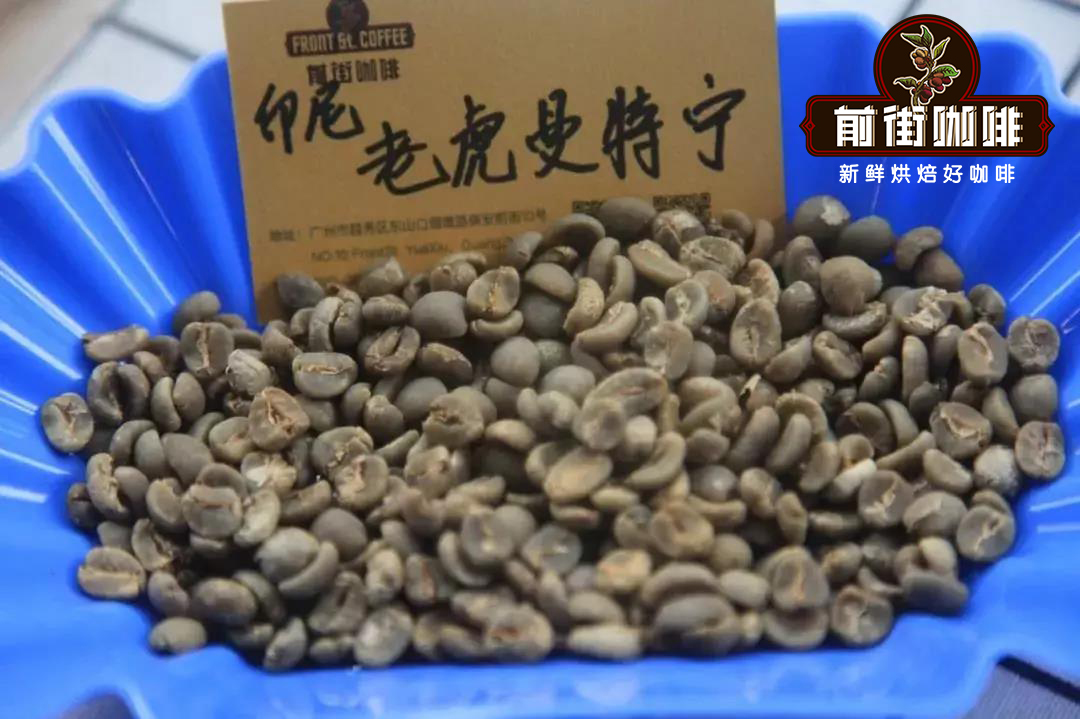
Kopi luwak currently circulating in the market is usually labeled as Arabica, with production concentrated in Sumatra, Indonesia, at elevations between 1,600 and 2,100 meters. The flavor characteristics of this coffee are often described as a combination of herbal, nutty, dark chocolate, and slight fermented notes, with a full body and rich layers. For enthusiasts who like to try coffees with special flavors, kopi luwak is undoubtedly a choice worth experiencing.
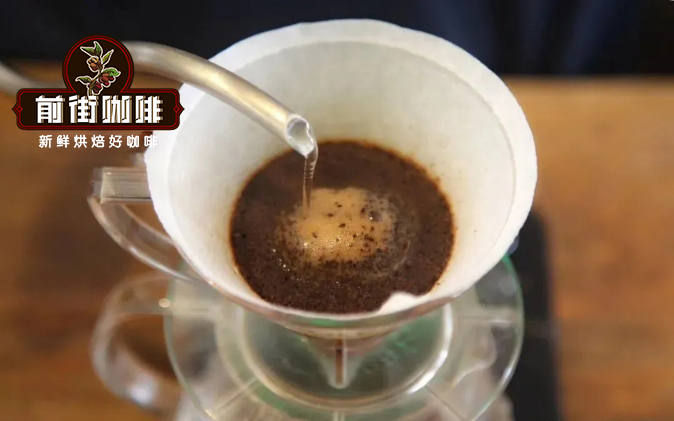
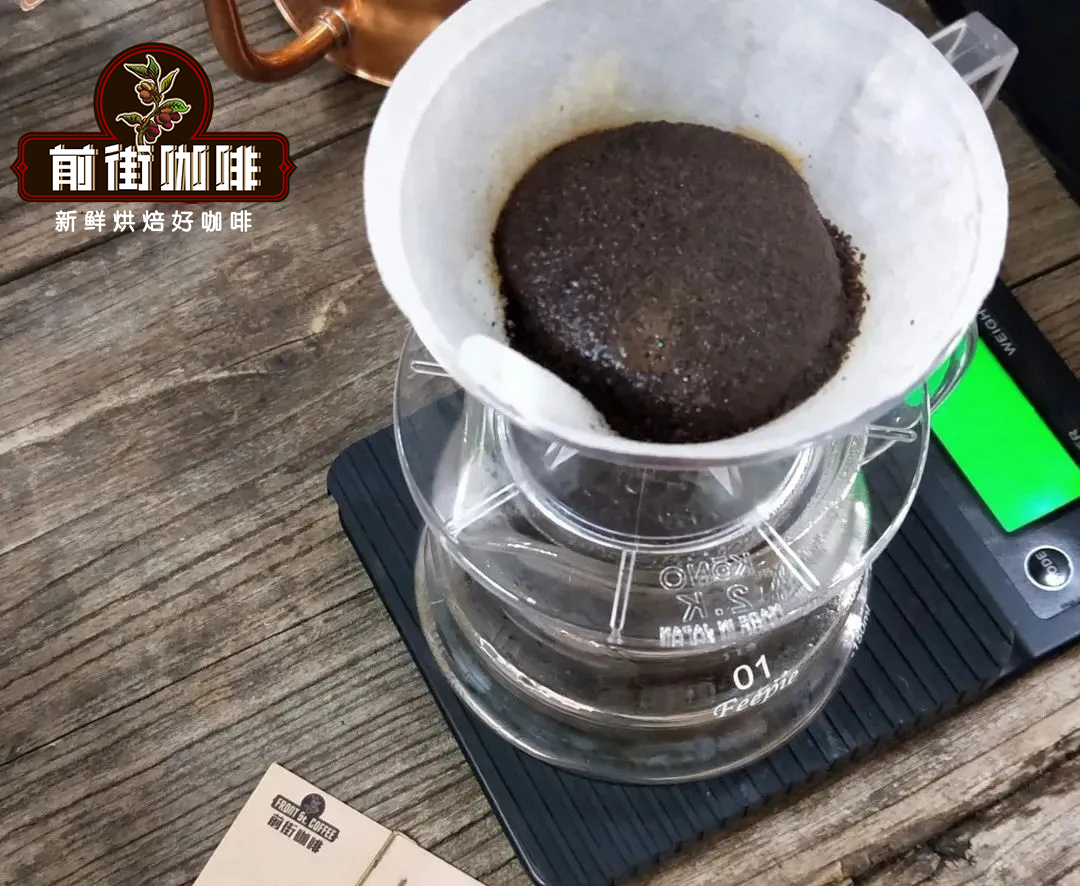
When brewing kopi luwak, to better present its full body and herbal aroma, a medium-dark roast is recommended. Medium-dark roasted beans have a higher dehydration rate, so during brewing, pay attention to even water absorption in the coffee bed to avoid channeling. The KONO dripper is recommended; its unique vent design extends the contact time between water and coffee grounds during brewing, thereby improving extraction efficiency and enhancing body.
Specific brewing parameters are suggested as follows: water temperature at 86 to 87°C, grind size BG#6w, and a coffee-to-water ratio of 1:15 (i.e., 15 grams of coffee grounds to 225 milliliters of water). The brewing technique can use the classic three-pour method: first pour 30 grams of water for a 25-second bloom; then pour 125 grams of water, and when the water level drops to half, continue pouring the remaining 225 grams of water, with the entire extraction process controlled between 1 minute 50 seconds and 2 minutes. This brewing method helps fully release the complex flavors of kopi luwak, bringing a smooth and full-bodied mouthfeel.

Overall, kopi luwak has become a highly talked-about presence in the coffee world due to its unique production background, rarity, and special flavor. Although its high price and controversial processing method have sparked much discussion, for coffee enthusiasts seeking novel experiences, learning about the story and flavor characteristics behind it is undoubtedly an interesting journey of exploration.