Yemeni Mocha Coffee Beans Explained: How They Differ from Chocolate Lattes

Introduction: Yemeni mocha coffee is often mistaken for merely an espresso drink with chocolate added, but it is actually a legendary single-origin bean from an ancient port. This article provides an in-depth comparison between Yemeni mocha coffee beans and modern mocha drinks, revealing their historical origins, unique processing methods, and flavor characteristics, and offers professional-grade pour-over and espresso preparation plans to help you truly understand the essential difference between these two 'mochas'.
When mocha is mentioned, most people first think of the dark latte with chocolate sauce added on cafe menus. But if you ask seasoned coffee enthusiasts, they will tell you that true mocha actually specifically refers to an ancient coffee bean variety from Yemen—behind this difference in perception lies a history of international trade spanning five centuries.
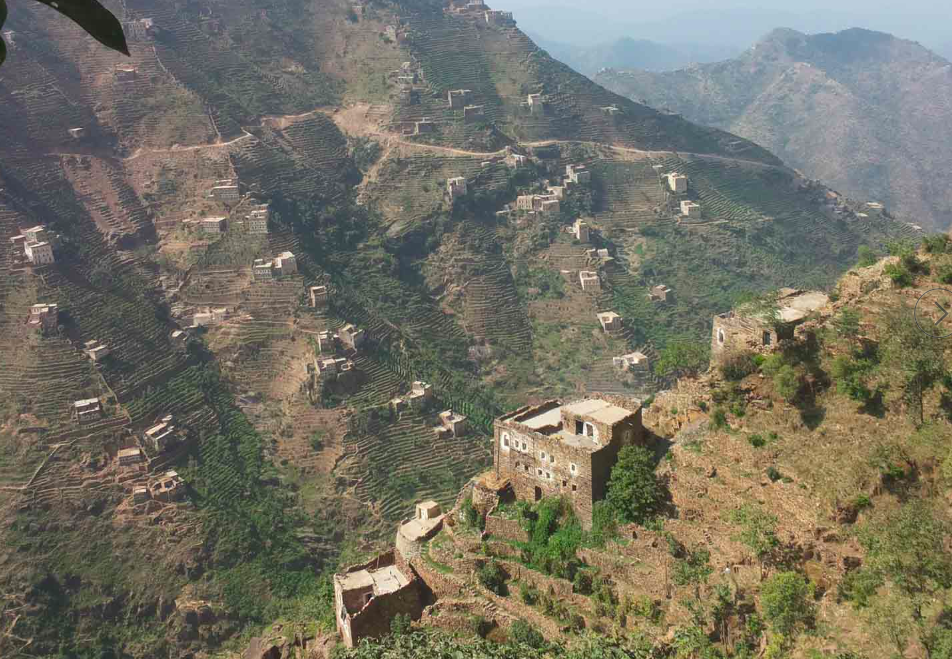
From the 15th to the 18th century, the port of Mocha on the Red Sea coast (the site of present-day Al Makha) was a key hub connecting Asia, Africa, and Europe. Although coffee was not grown directly there, high-quality green beans from the mountains of central Yemen at elevations of 1,300–1,900 meters were all shipped to Europe through this strategic port. Because early logistics information was limited, merchants could only label the place of origin according to the name of the loading port, gradually forming the generic name 'mocha coffee' that is still used today.

Modern consumers rarely encounter Yemeni mocha beans, mainly due to the complex local political and economic environment. Continued regional conflict has caused annual production to plummet to less than 0.1% of the global market, and restricted traditional transport routes have made these precious natural-process beans collector's items for experienced collectors. Observing surviving old-style burlap sacks reveals that Yemeni packaging uses a finer-pored cotton fabric with greater breathability, which differs significantly from conventional coffee burlap sacks.

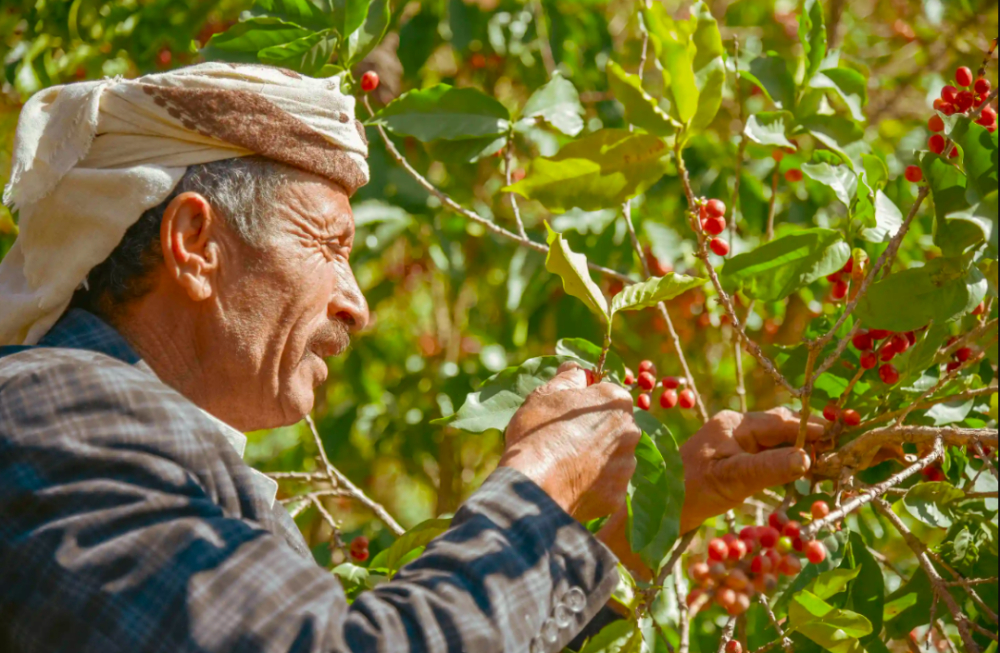
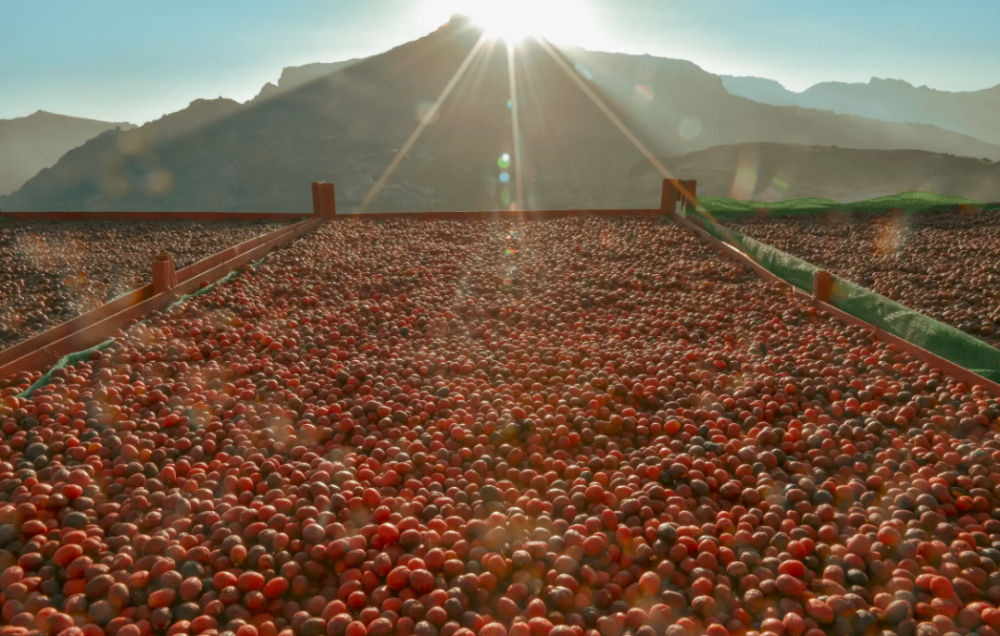
Yemeni mocha beans have a unique processing method: farmers usually let the coffee cherries fully ripen to a purple-black state and fall naturally, then collect them from the ground for open-air drying that lasts several weeks. This extensive natural-sun-drying method creates the signature wild flavor—which may include complex notes such as blueberry, cinnamon, or even tobacco—but there are obvious differences between batches. Professional roasters recommend using a medium heat level (about a 20-minute development period), focusing on strengthening its natural cocoa character and full body.
In terms of flavor expression, when a high-quality Yemeni mocha is brewed at 92°C water temperature, the medium-temperature stage (60–70°C) reveals a unique grape acidity transition, with a finish where Middle Eastern spices and caramel sweetness intertwine. Be careful to control the grind size slightly coarser than the espresso standard (BG 14–16 recommended), and keep the pouring speed at 2–3 milliliters per second to ensure even extraction.

The 'mocha drink' commonly found in contemporary cafes is actually an innovation of 18th-century European baristas. At that time, genuine mocha beans were scarce and expensive, so industry practitioners tried adding dark chocolate sauce (15–20% recommended ratio) to an espresso base to simulate its classic flavor. The standard recipe includes a double espresso (about 30 ml), 30 g of high-quality chocolate sauce, and steamed milk (temperature 60±2°C), with the final liquid surface height controlled at 1 cm below the rim of the cup.

When making a professional-grade mocha drink, milk foam density is particularly critical: it is recommended to use refrigerated fresh milk with a fat content of 3.5% or more, whipped to a dense wet-foam state (a foam ball about 4 cm in diameter). The pouring technique needs to be completed in two steps—first pour in 1/3 of the milk to blend the chocolate sauce and espresso, then use the remaining milk foam to finish the top design in a circular motion, and finally use chocolate powder to outline decorative patterns.
For home users, it is recommended to choose a medium-roast blend (such as a Brazil + Colombia blend) as the base bean. For pour-over equipment, choose a V60 or a flat-bottom dripper, with the flow rate controlled at 90–100 drops per minute. An advanced technique is to gently circle around the center point twice during the bloom stage (93°C water, 30 ml), and use a spiral pouring method during the main pour, gradually expanding outward to the edge of the dripper.
Identifying high-quality Yemeni mocha beans can start with the following characteristics: the surface of the green beans shows obvious wrinkles and irregular depressions, and the color is dark green with a brownish tint; after roasting, there should be obvious citrus and dark chocolate aromas, with no musty smell or overly fermented notes. When storing, be sure to use aluminum foil bags with one-way exhaust valves, and strictly control the ambient humidity within the 45–55% range.

In summary, the essential difference between the two 'mochas' lies in this: Yemeni mocha beans represent a combination of geographical origin and traditional processing methods, emphasizing the unique personality given by the natural terroir; while commercial mocha drinks are flavor replicas from the industrial era, focusing on standardized taste and consumer cognitive inertia. Understanding this difference will help you more precisely choose a coffee experience that matches your personal preferences.