The 30-Second Bloom: How Timing Shapes Pour-Over Flavor
Introduction: The bloom is the first step in pour-over brewing, yet it is often overlooked. A proper bloom lets the coffee grounds release gas fully and lays the foundation for the extraction that follows. This article explains the science behind blooming, analyzes how key factors such as roast level, grind size and water temperature affect the bloom, and offers practical 30-second bloom parameters and pouring suggestions to help you improve the consistency and flavor of your pour-over coffee.
The appeal of pour-over coffee lies in showcasing the unique flavors of the beans through precise control of variables. Yet many enthusiasts feel their home brews taste thin or muddy, which often stems from neglect of the bloom. As a key preparatory step before extraction, the bloom directly affects the degassing state of the coffee grounds and the efficiency of the subsequent water-ground contact.
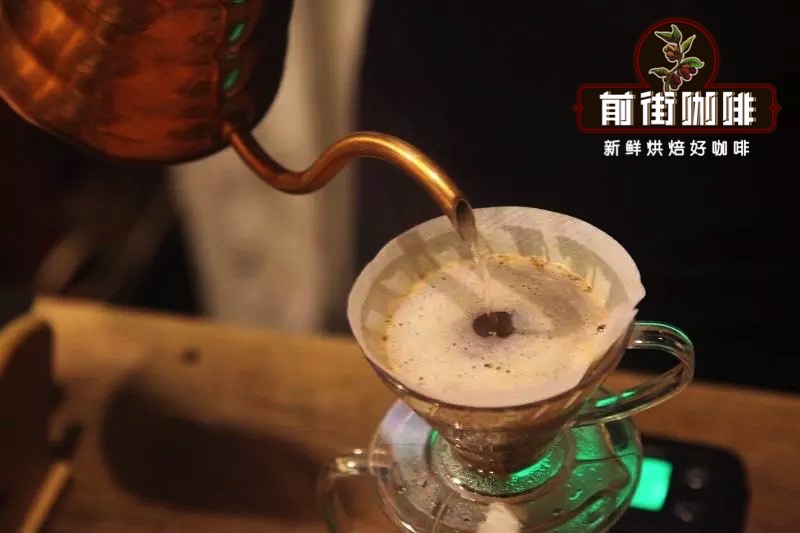
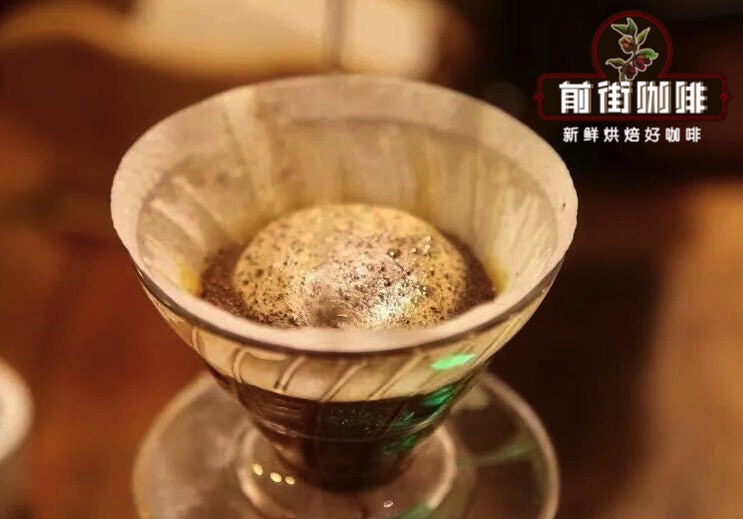
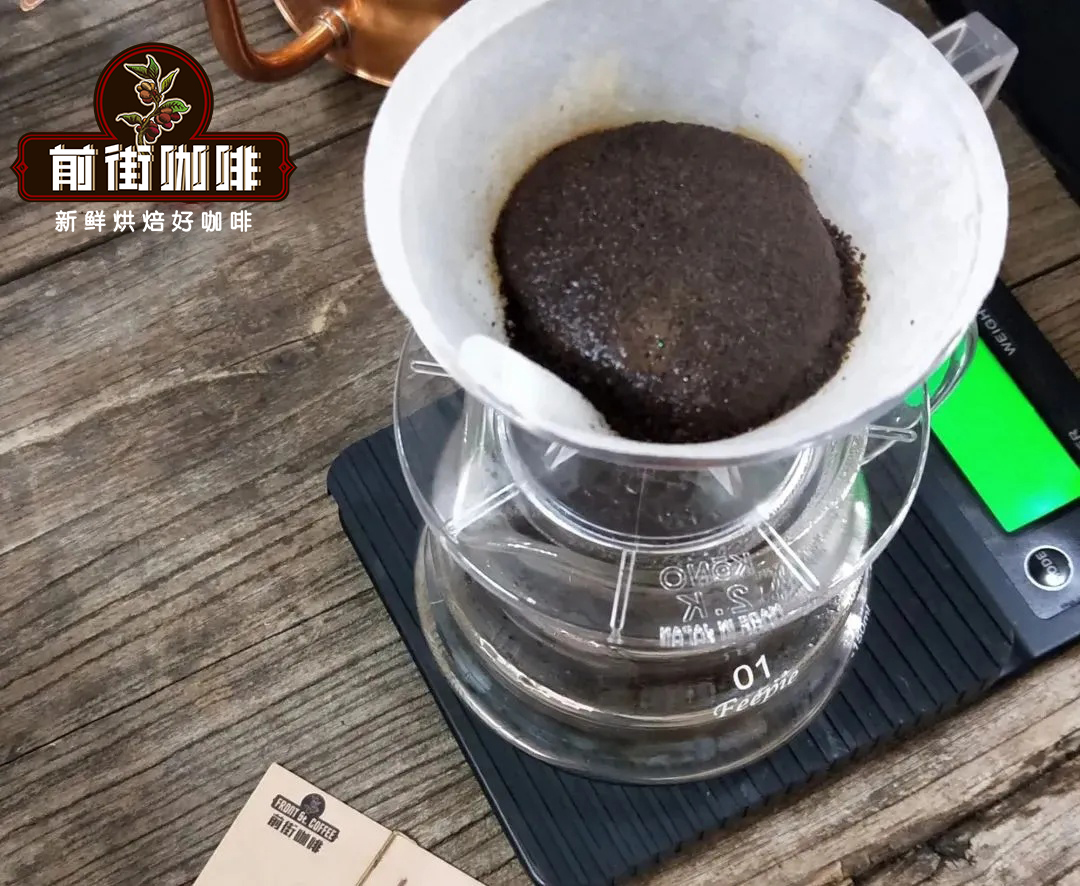
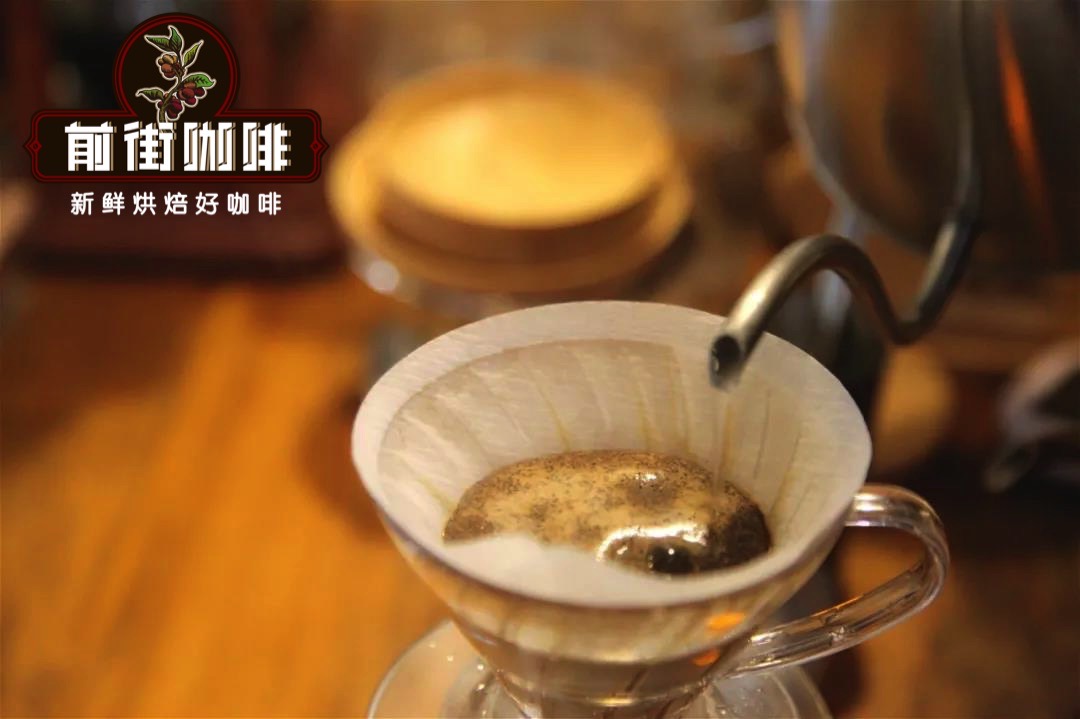
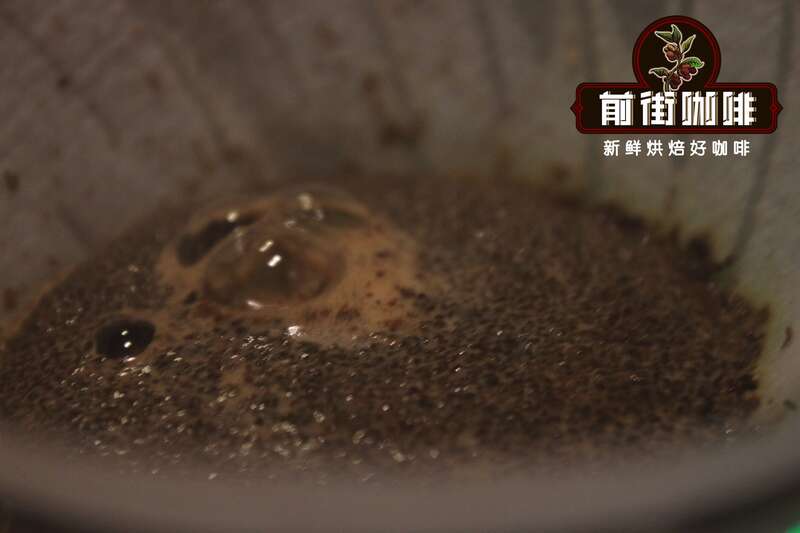
Blooming refers to the pre-treatment of evenly wetting the coffee bed with a small amount of hot water before the main pour. This step looks simple but is in fact an important process for releasing the carbon dioxide remaining in the coffee particles. As hot water contacts the dark-roasted grounds, the internal gas expands with heat and escapes from the gaps between particles, forming a fluffy dome like a hamburger bun—an intuitive indicator for judging the bloom.
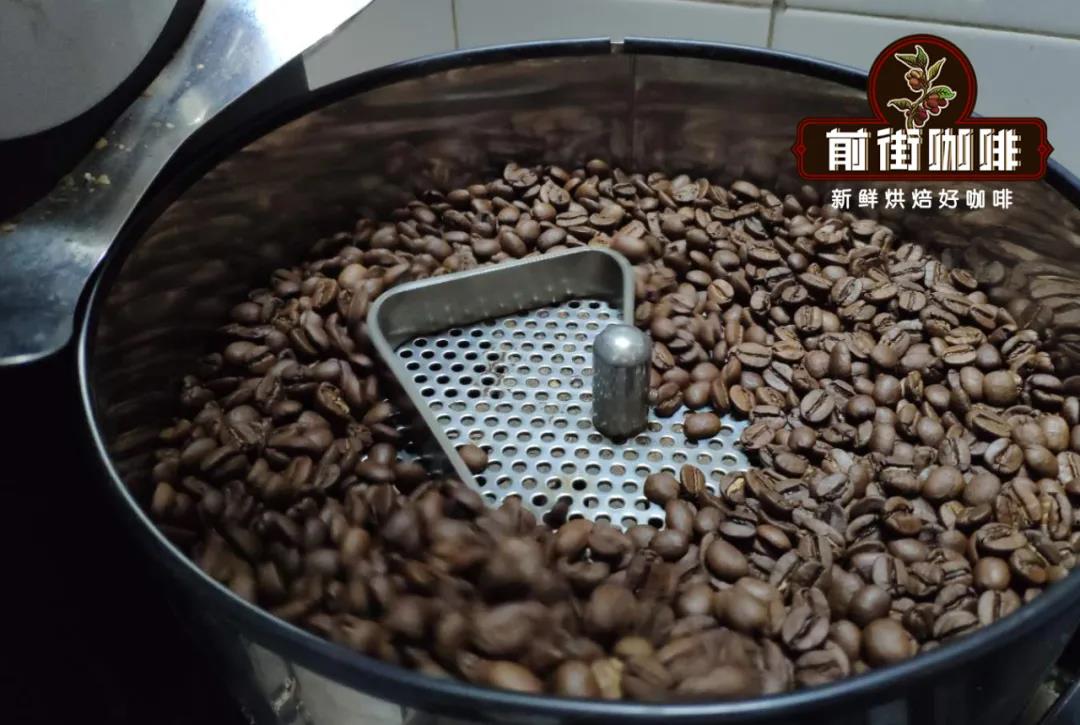
The core factors affecting the bloom fall into five dimensions: first, the roast level directly determines how much carbon dioxide is released. Dark-roasted beans, with their longer roasting time and looser internal structure, usually produce a more vigorous degassing reaction and are more likely to form a full, domed rise during the bloom; light-roasted beans, even when fresh, release relatively less gas, so the dome may be flatter.
Second, freshness is a key variable. Freshly roasted beans need a resting period of 3-4 days so that the internal carbon dioxide gradually stabilizes and the beans can show their best flavor. Beans stored too long lose gas naturally and may show only slight swelling or no reaction at all during the bloom; in that case, check the roast date.
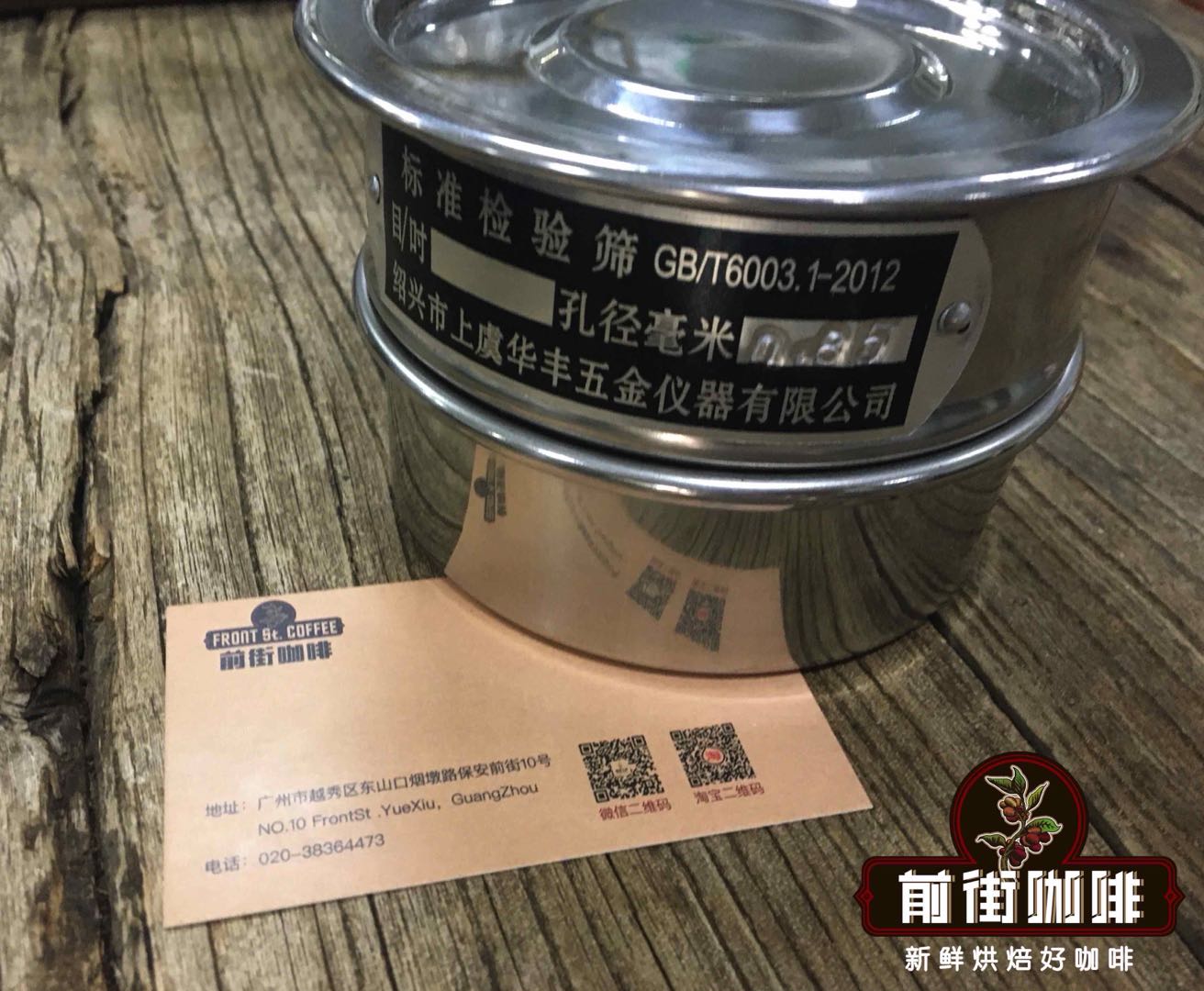
Third, grind coarseness must precisely match the characteristics of the dripper. A standard recommendation is to test with a No. 20 sieve: about 80% passing rate for light-roasted grounds and 70%-75% for dark-roasted beans. A grind that is too coarse lets water pass through the bed too quickly without fully wetting it, while one that is too fine may cause channeling; both suppress the bloom.
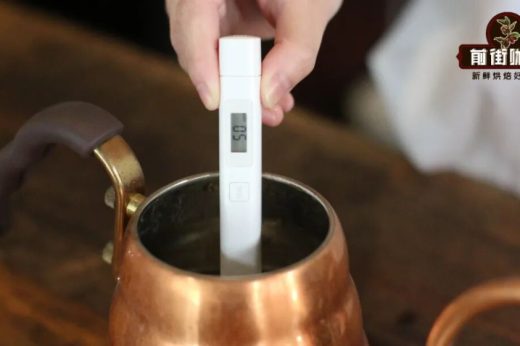
Water temperature must not be overlooked either. Hot water at 90-96°C accelerates the coffee grounds' heat absorption and expansion; if 60°C water is used, the insufficient heat slows gas exchange, and you may see water simply draining through with no obvious swelling.
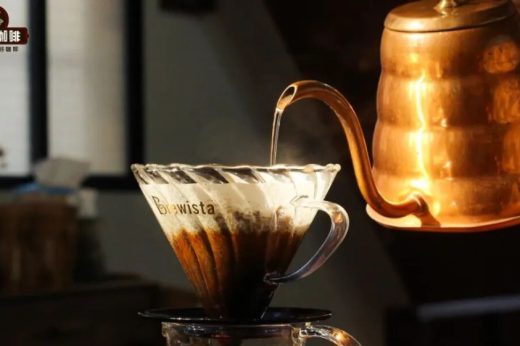
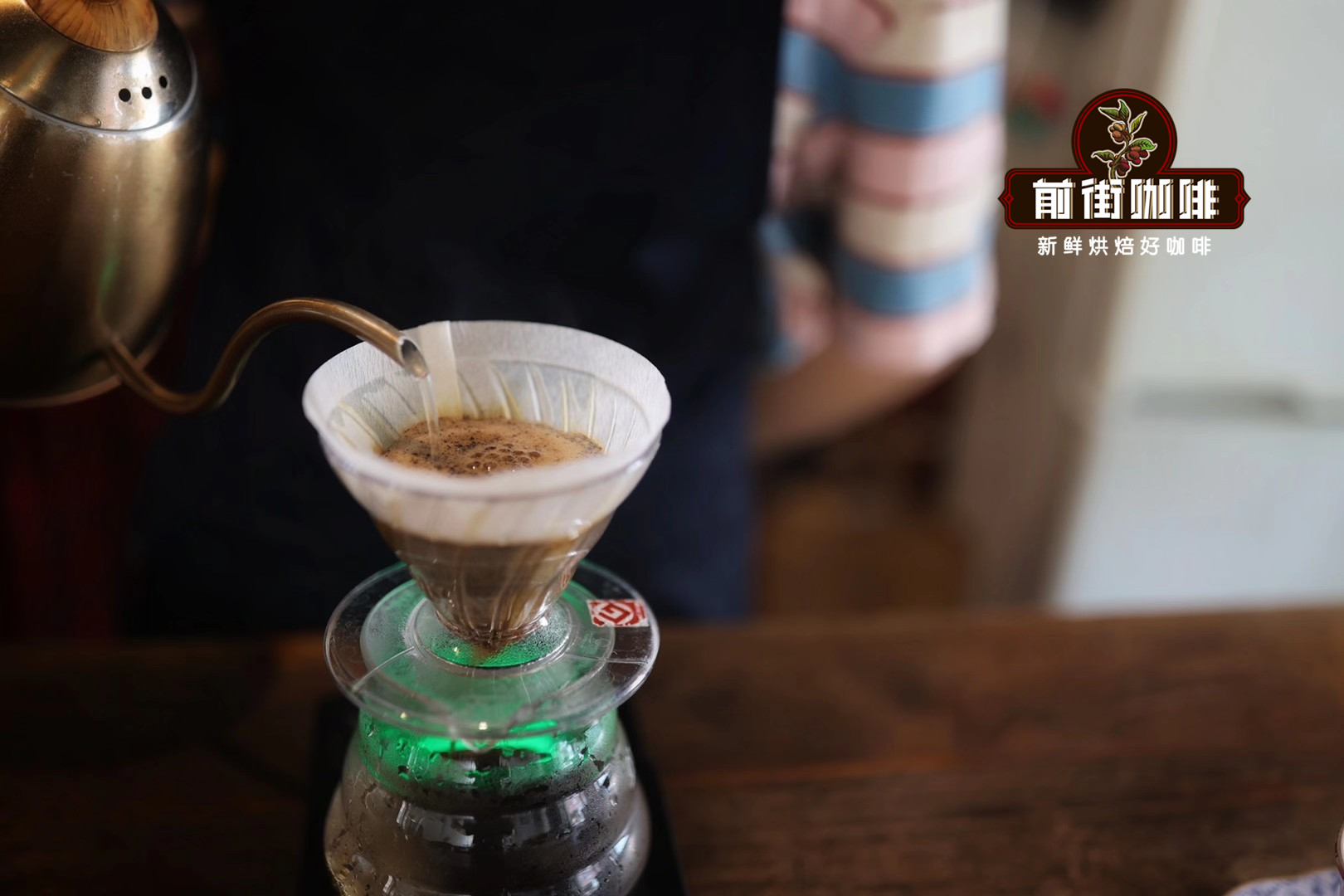
As for the pouring technique, a spiral from the center outward is recommended, keeping the stream steady and fine. Beginners can first use a small stream to control the pouring rhythm, then try adjusting the size of the circles once proficient. Experimental data shows that a bloom of 30 grams of water over 30 seconds both releases carbon dioxide fully and avoids excessively lengthening the total extraction time.

A suggested procedure: for the first stage, pour water equal to twice the weight of the coffee grounds (for example, 30 grams of water for 15 grams of beans) and wait 30 seconds to observe the swelling; then, after a 10-second interval, pour the second stage up to 125 grams, and finally add the remaining water to the target total weight (usually 225-250 grams). The complete extraction time should be kept between 1 minute 55 seconds and 2 minutes; too short a bloom will lead to insufficient flavor extraction later.
It is worth noting that the hamburger-dome swelling during the bloom is not the only criterion. Fine grinds or extremely light roasts may swell only gently, but as long as the bed is evenly wetted with no clumps, the bloom can still be considered effective. Regularly checking whether dry particles remain at the edge of the dripper helps judge the evenness of wetting.
Once you have mastered the bloom, you can further explore variable adjustments: for example, try the effect of different water temperatures on flavor clarity, or observe the balance between acidity and body by changing the pouring speed. These subtle adjustments will help you build a personalized pour-over parameter system and ultimately brew a layered, consistent specialty coffee.