Central and South American Coffee Regions: Flavors, Varieties, and Origins
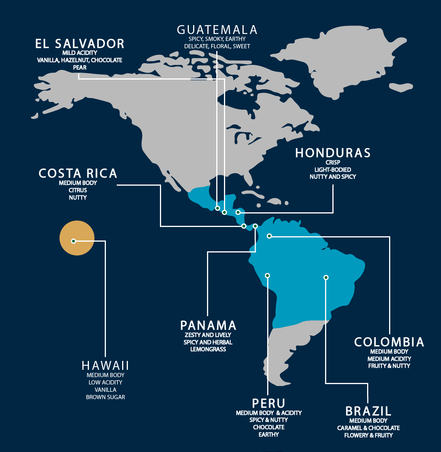
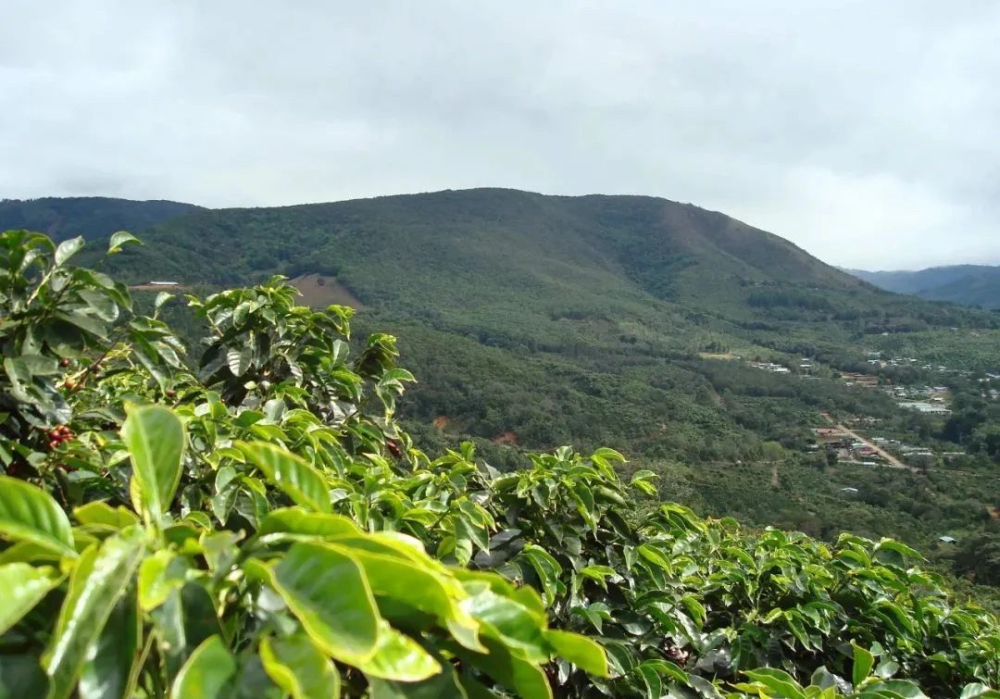
Introduction: Central and South America is an important specialty coffee region, encompassing major coffee countries such as Brazil, Colombia, and Panama. The coffee produced here is known for its balance, richness, and nutty-chocolate notes; different countries develop distinct personalities due to differences in altitude, climate, and processing methods. This article takes you deep into the characteristics of six major producing countries, decoding the flavor codes and variety differences, and helping you master core regional knowledge and practical brewing references.
The global coffee belt can be divided into three core regions: Latin America (Central and South America), Asia-Pacific, and Africa. Among them, Central and South America, with its stable climate conditions and long planting history, has become an important source of specialty coffee. Coffee beans here are known for outstanding balance and full body, often with warm tones such as cocoa and dark chocolate. Washed processing is common, while some areas such as Brazil prefer semi-washed (pulped natural). Understanding this region is a key step in exploring the world of specialty coffee.
1. Brazil: The Diverse Flavors of the World's Largest Producer
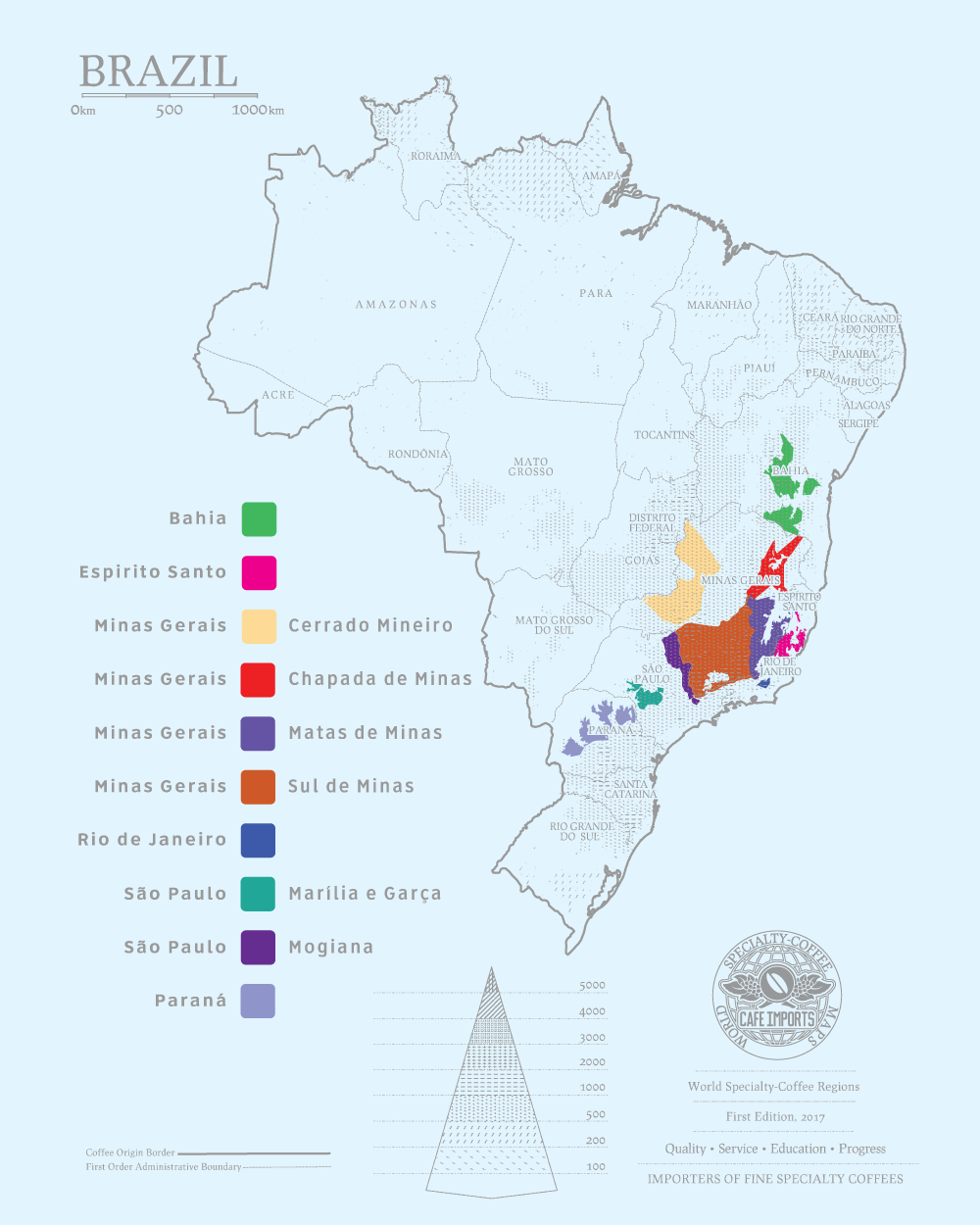
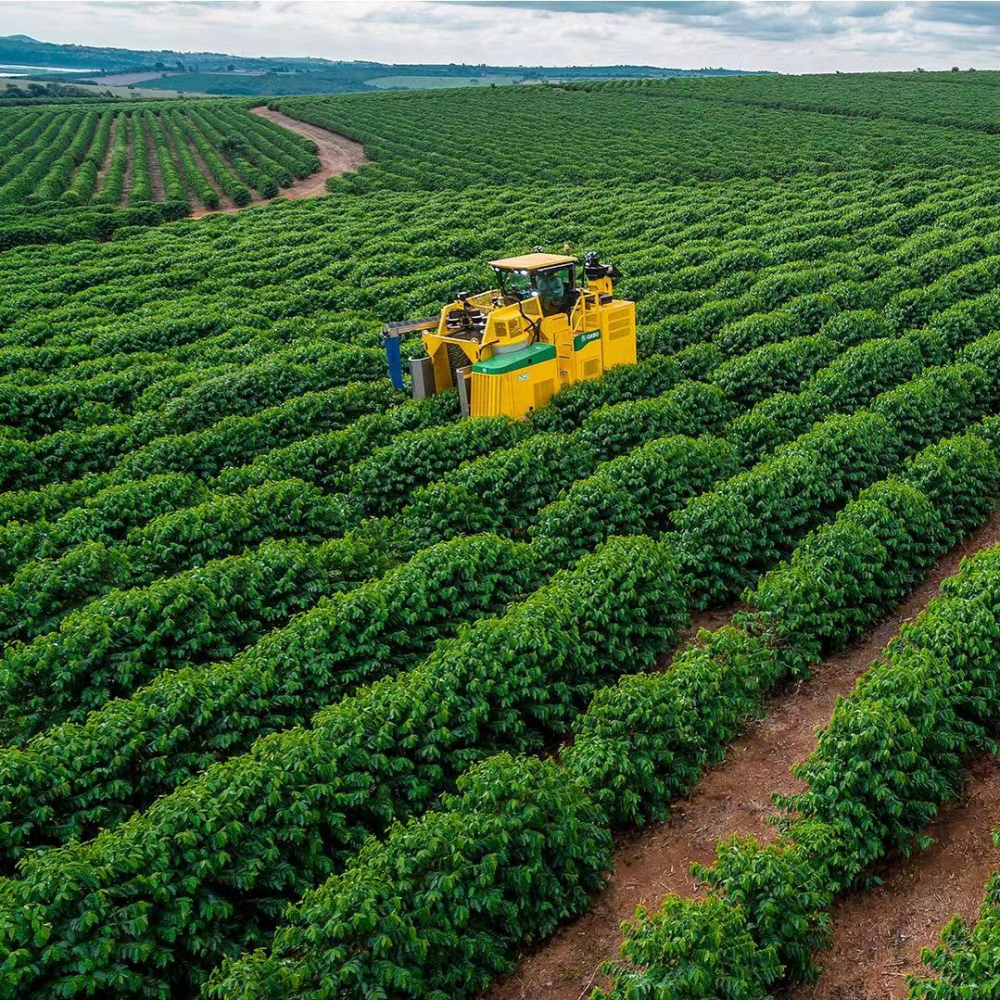
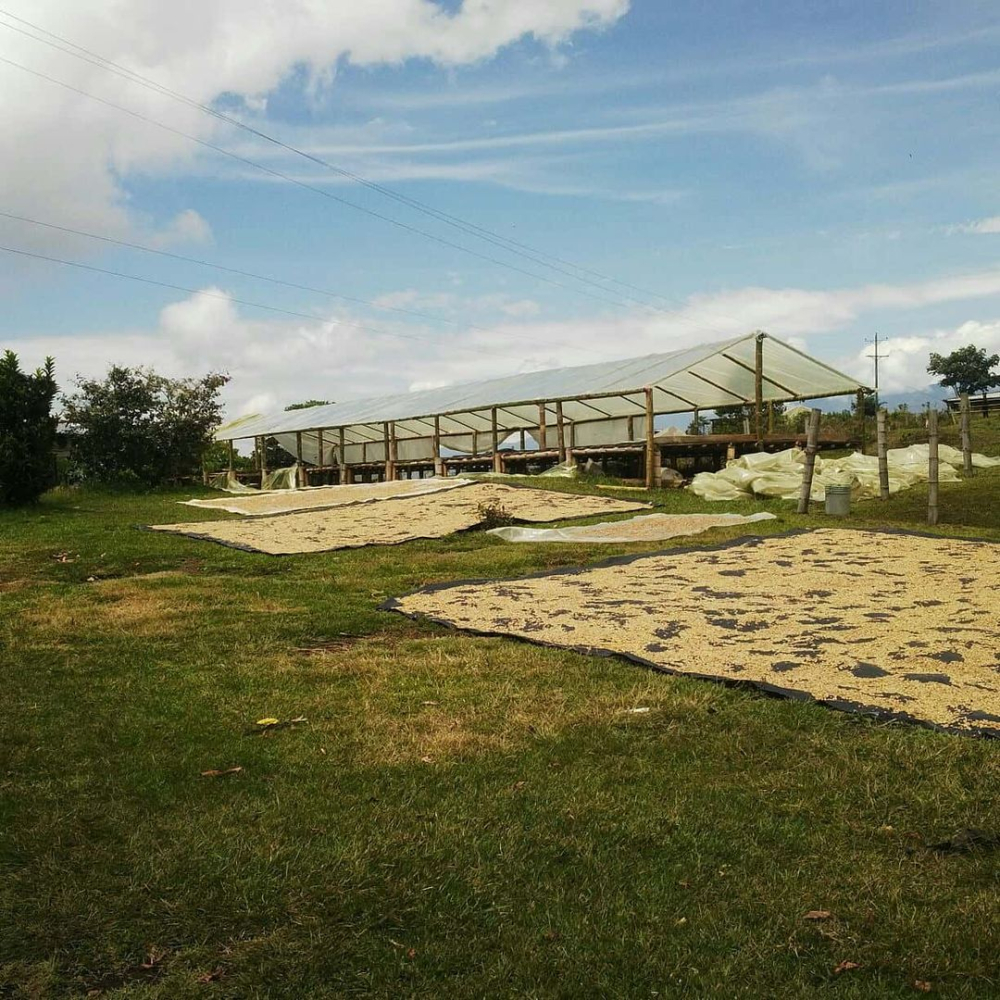
As the world's largest coffee producer, Brazil contributes about one-third of global coffee output. Although its terrain is mostly low-altitude and lacks pronounced microclimates, it still produces diverse styles of coffee through variety improvement and processing innovation. The main flavors are low acidity, prominent nutty and chocolate notes, and excellent body. Common processing methods include natural, semi-washed (pulped natural), and washed; high-humidity regions tend to use washed processing to maintain cleanliness, while low-humidity areas mostly use natural or semi-washed processing to enhance sweetness.
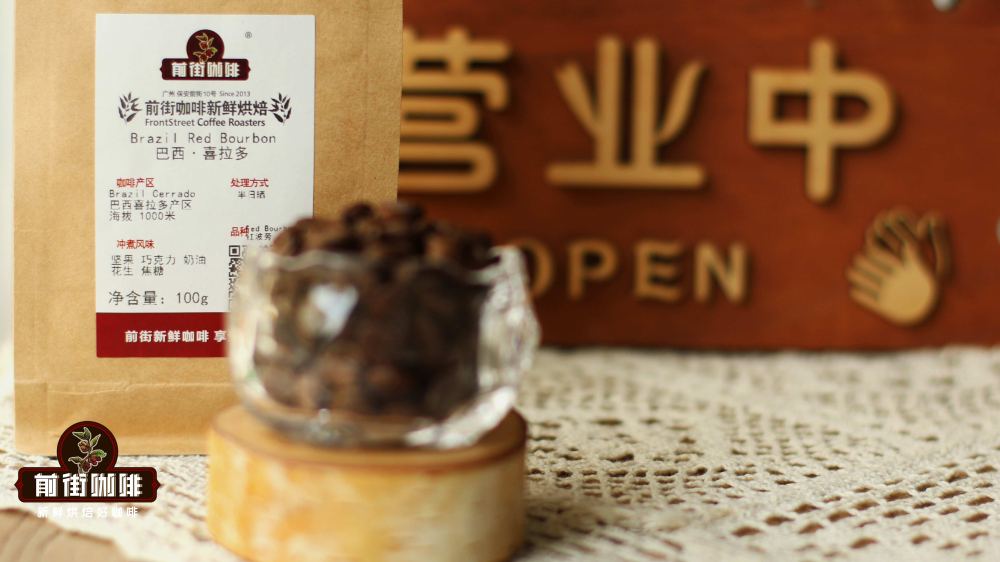
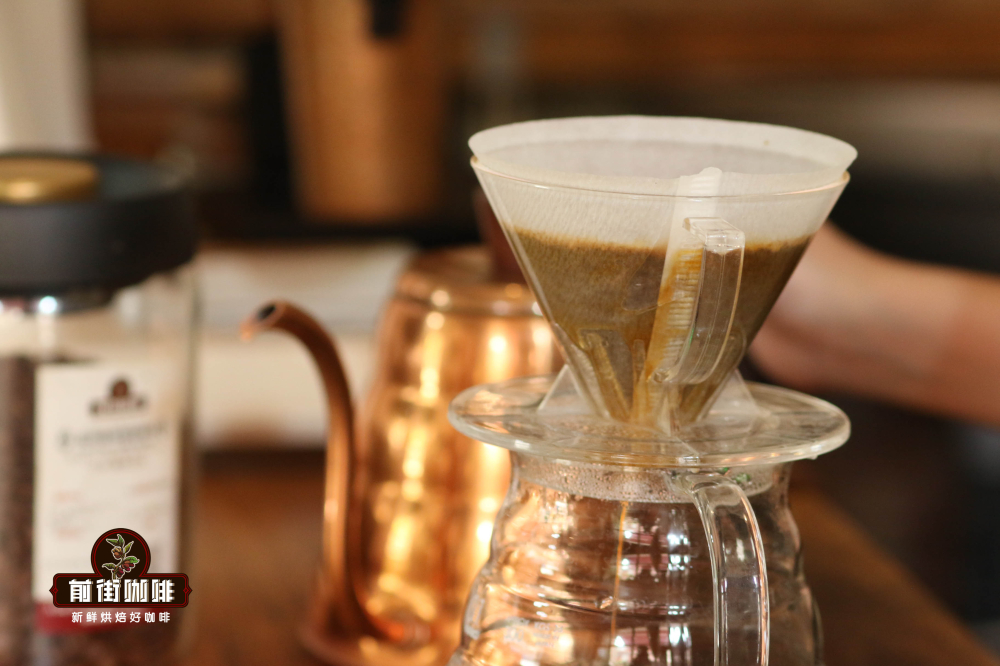
Brazil's coffee regions are concentrated in seven states, including Minas Gerais and São Paulo. Among them, Cerrado (750–1,200 m) and South Minas (700–1,200 m) in Minas Gerais are known for high-altitude, high-quality beans. The country's coffee grading system is unique: it does not emphasize the concept of high-altitude hard beans, but instead comprehensively evaluates by bean size (17–18 screen is superior), defect rate (NY.2 grade: ≤6 defects per 300 g of green beans), cupping score, and flavor performance. For example, Fazenda Rainha Yellow Bourbon (1,400–1,950 m, natural process) shows obvious sweetness and a dark chocolate finish; it is suitable for medium-fine grinding (70–75% passing a No. 20 sieve) and brewing at 90°C to reveal nutty and caramel layers.

2. Colombia: A Model of Balance and Smallholder Precision
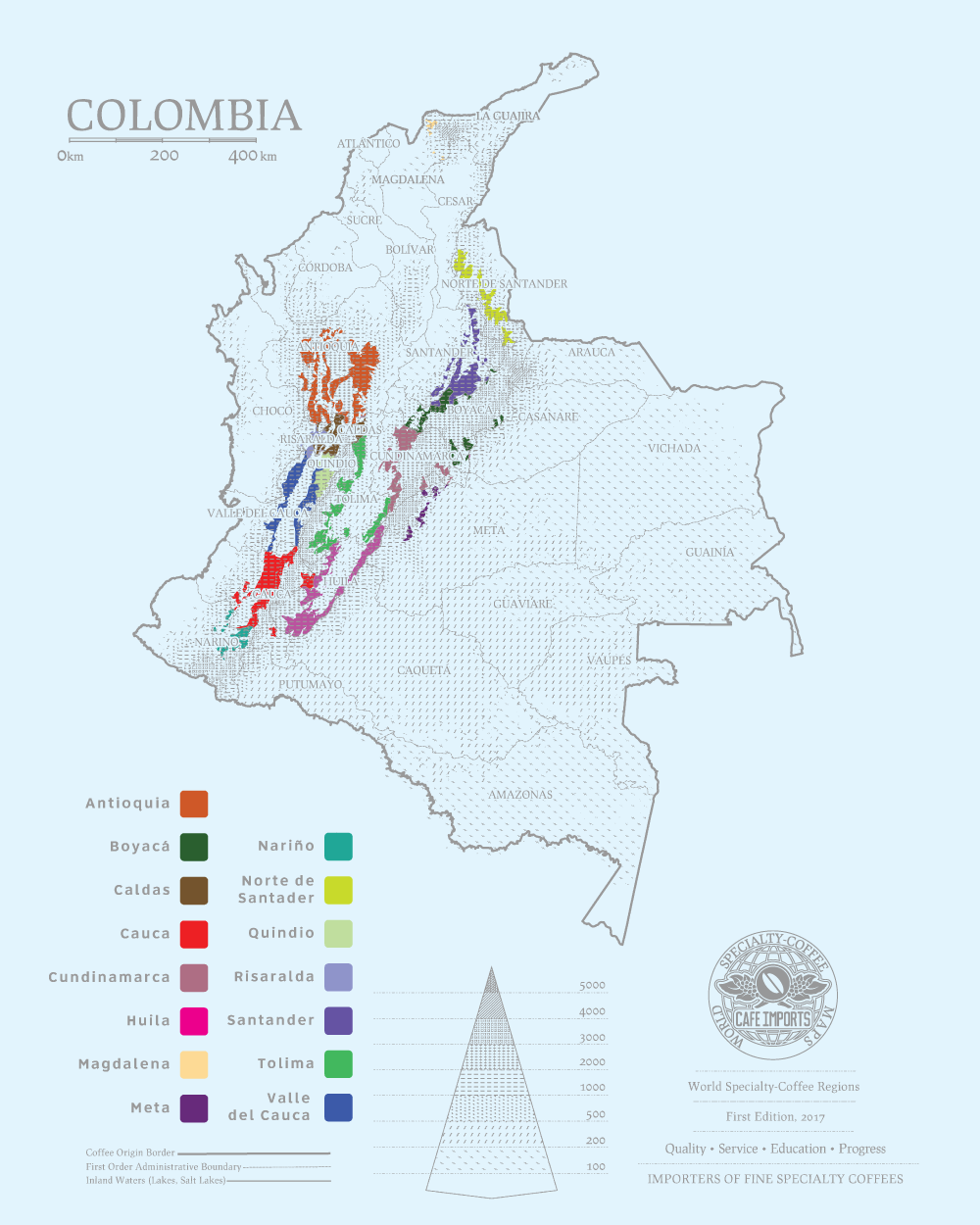
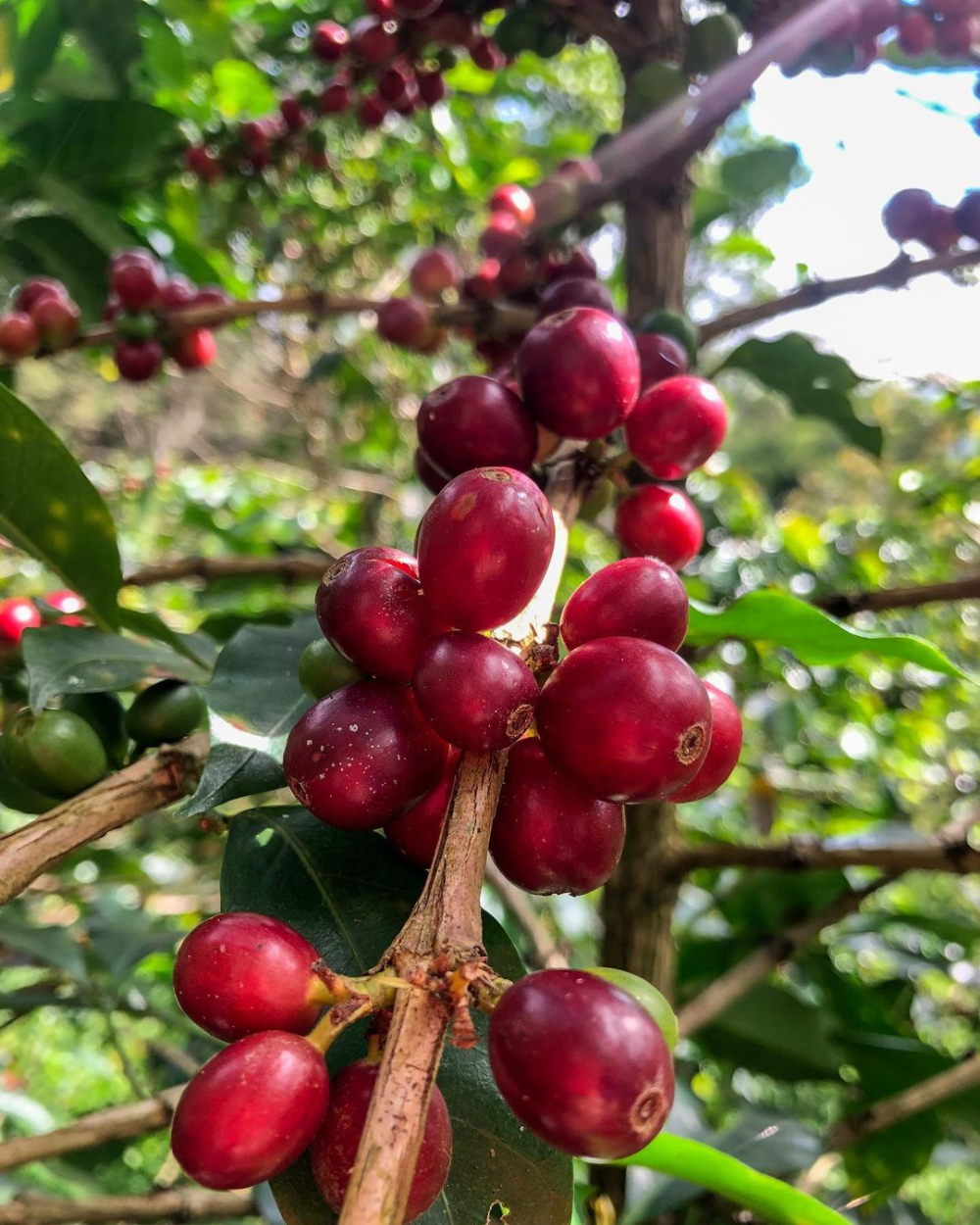
Ranking as the world's third-largest producer, Colombian coffee is characterized by bright acidity, nutty flavors, and excellent balance. Along the Andes, four major regions are divided: northern, central, southern, and eastern; the central and southern regions contribute most specialty beans. The northern region's single rainy season creates a concentrated harvest (October–November), while the central region has two harvests due to its double rainy seasons (March–May and September–November). High-altitude areas in the south such as Huila and Cauca (above 1,500 m) are known for meticulous management and can supply high-quality green beans year-round.
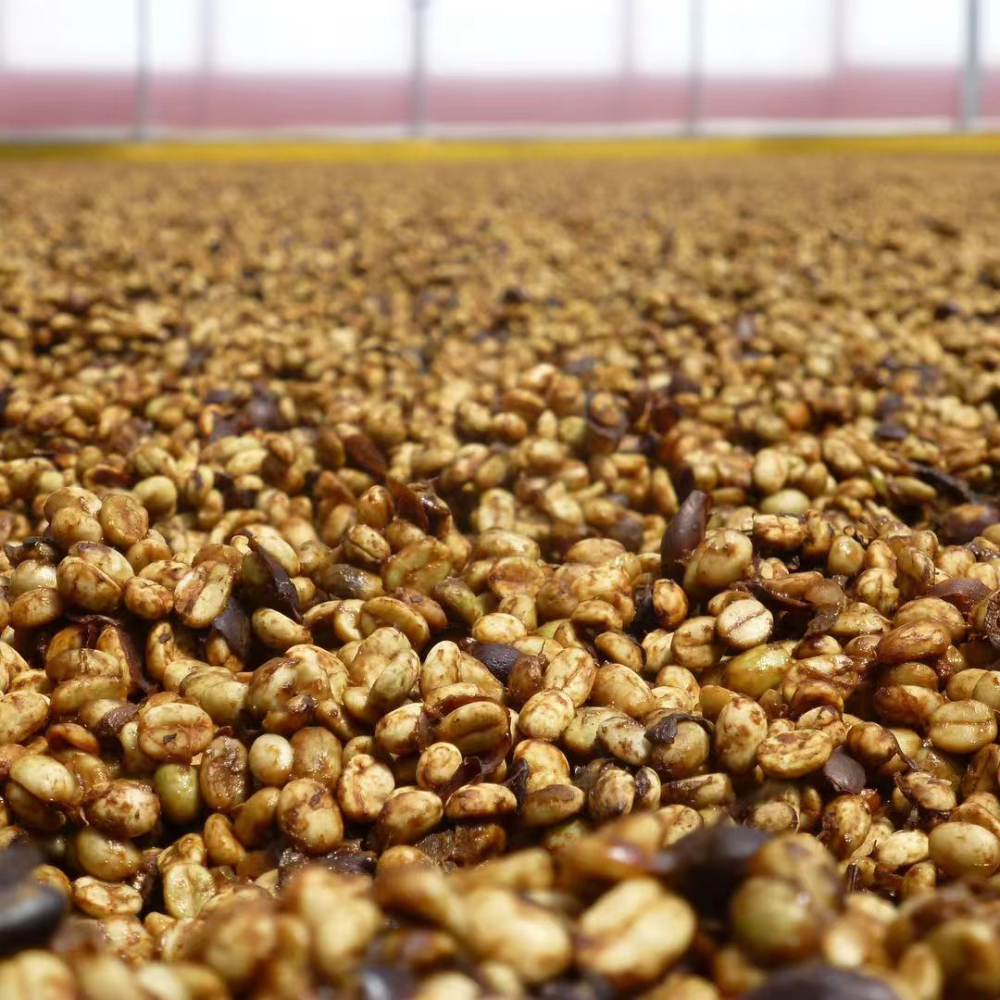
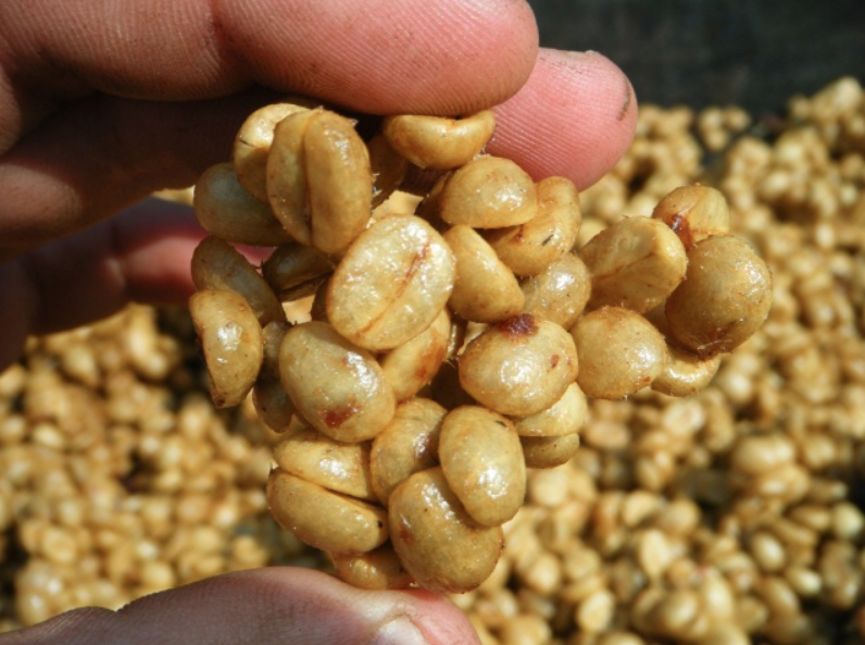
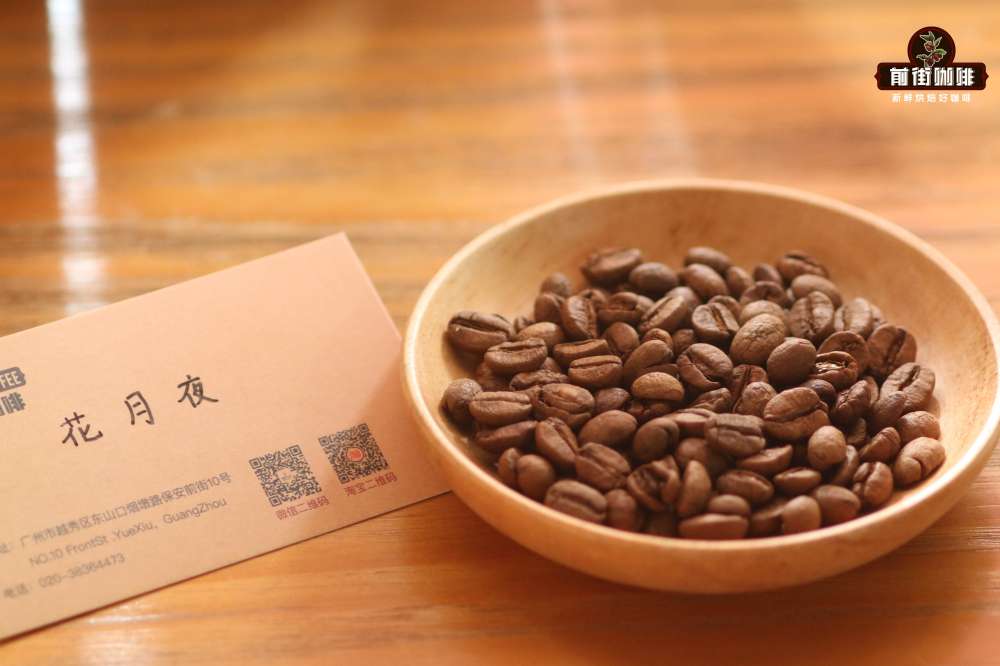
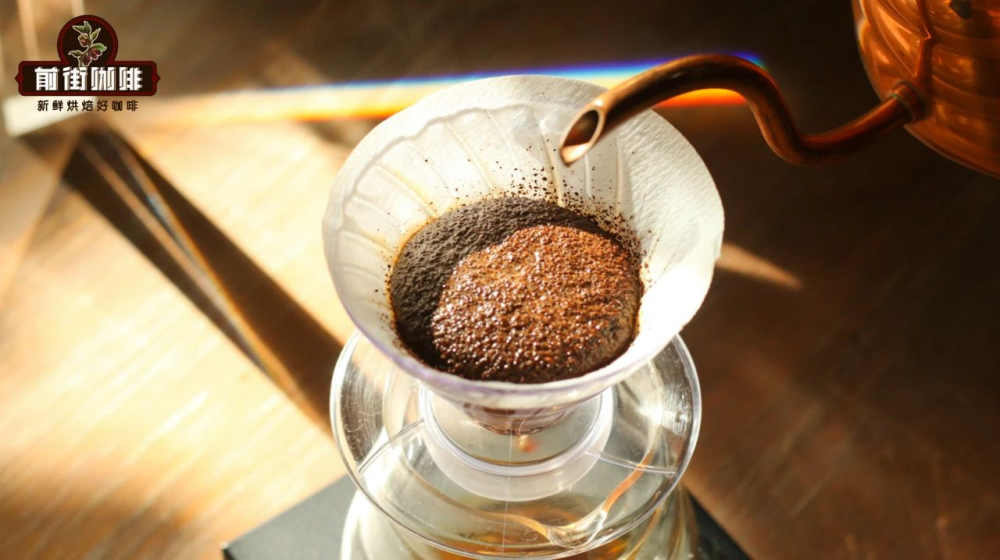
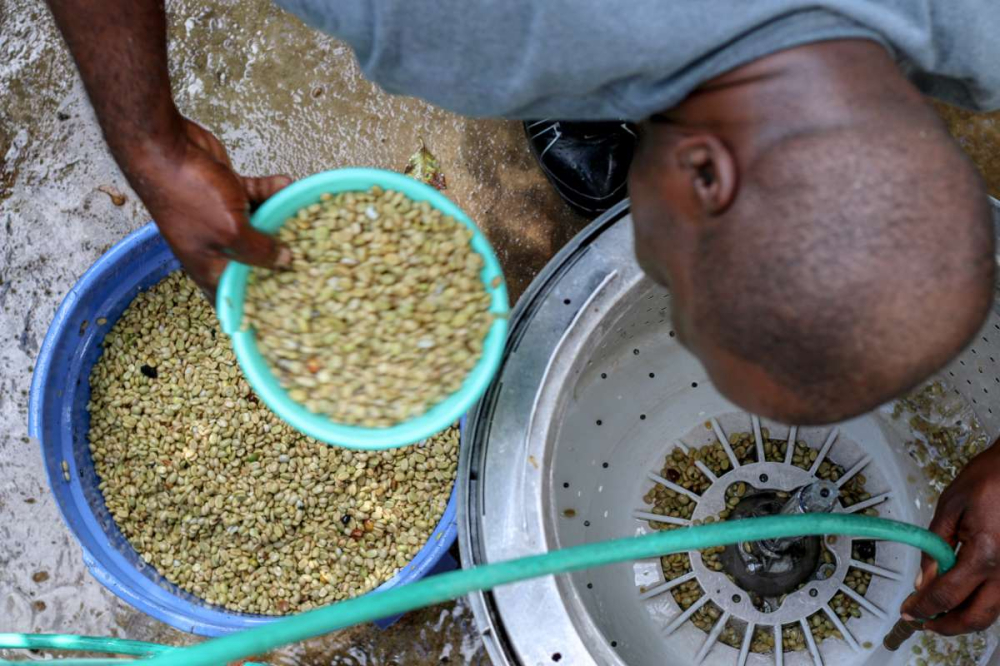
In processing, washed methods are common in Colombia, and smallholder refinement is popular; farmers control fermentation and drying themselves, so a higher rate of silver skin retention occurs. In recent years, anaerobic processing has emerged, such as Rose Valley's anaerobic double enzyme washed and Flower Moon Night's anaerobic natural, injecting new possibilities into traditional flavors. Take the Caturra from Finca El Diviso in the Huila region (1,800 m, anaerobic natural) as an example: staged extraction (90°C water, 1:15 coffee-to-water ratio, 80% grinding passing a No. 20 sieve) can highlight floral notes, strawberry tones, and a dark cocoa finish.
3. Panama: The Geisha Legend and Meticulous Management
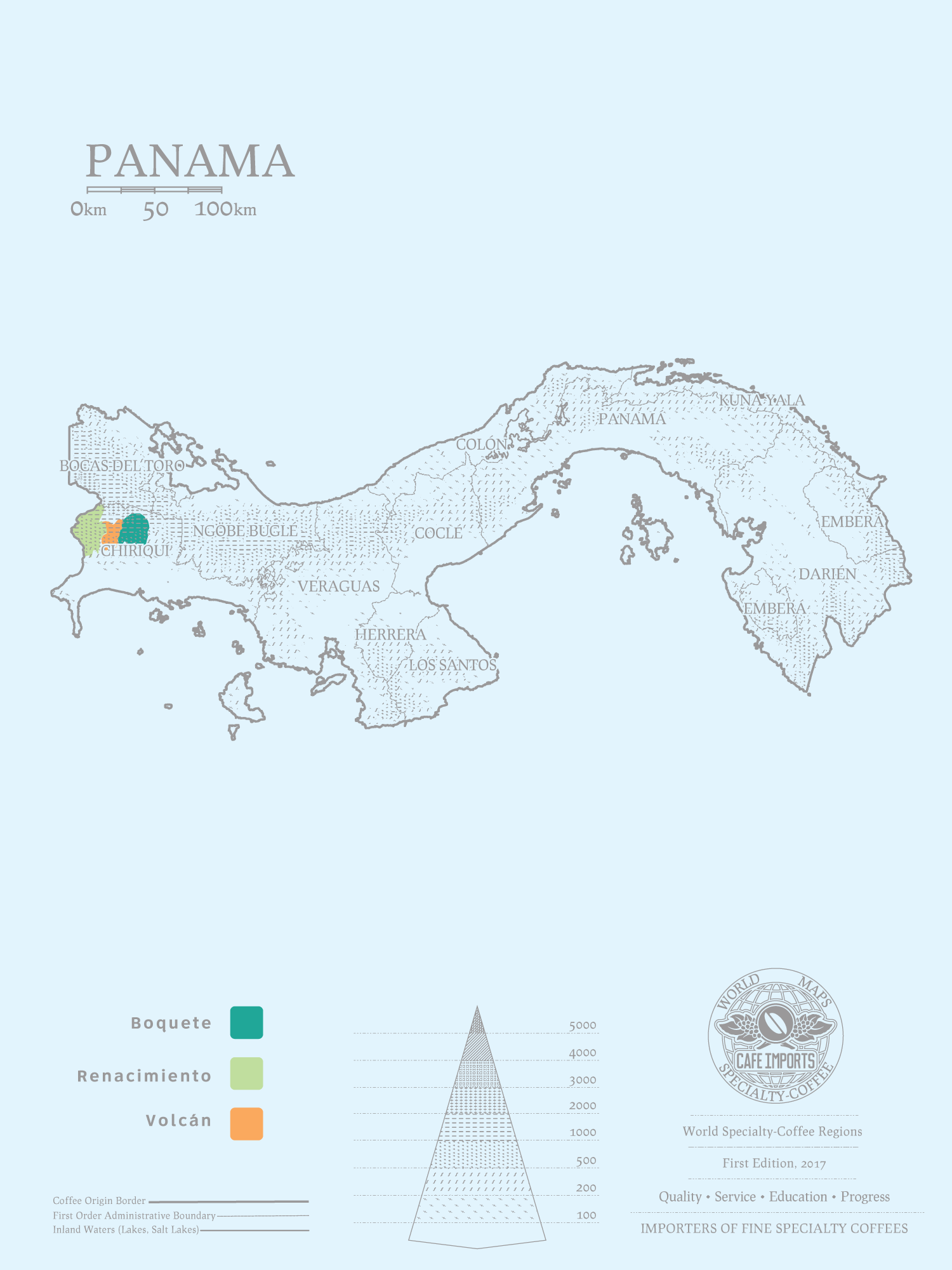
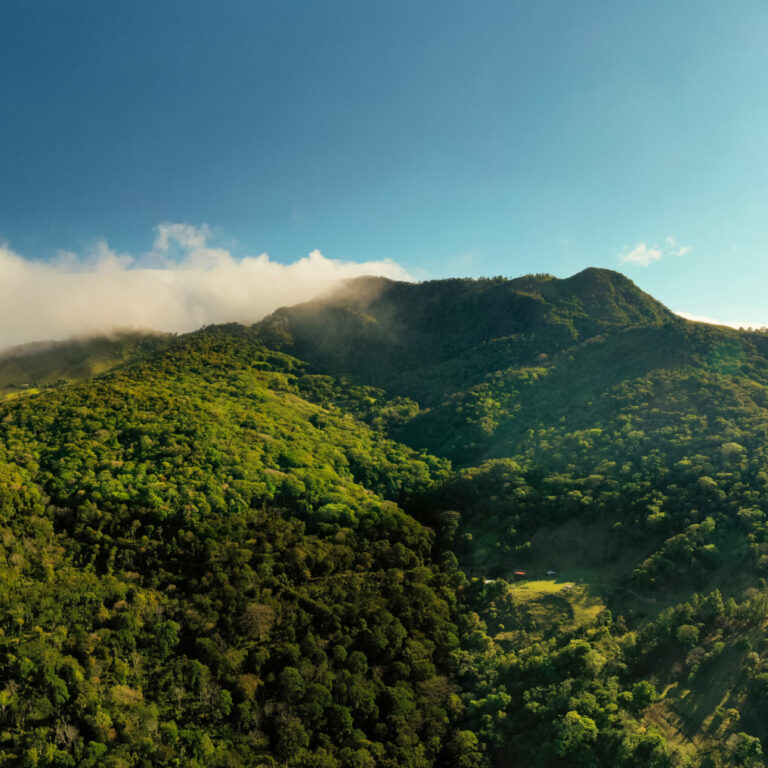
Panama is globally renowned for the Geisha variety, whose success stems from unique volcanic soil, high-altitude environments (Boquete averages 1,450 m), and meticulous cultivation management. After the canal opened at the end of the 20th century, international capital and technology were introduced, driving specialty coffee development; Geisha became a benchmark with its soaring floral aroma, bright acidity, and tropical fruit tones. Common processing methods include washed (highlighting original floral and fruit acidity), natural (enhancing sweetness and body), and special wine processing (simulating fermentation through temperature and humidity control).
An example is Hartmann Estate's Catuai (wine process) in the Volcán region (average 2,000 m): medium-fine grinding (80% passing a No. 20 sieve) with staged extraction at 90°C can release a wine-like, full-bodied texture accompanied by lively acidity, tropical fruit, and a honey finish. The region's processing techniques are diverse, from traditional washed to innovative fermentation, showing the many possibilities of Panamanian coffee.
4. A Quick Look at Other Important Regions
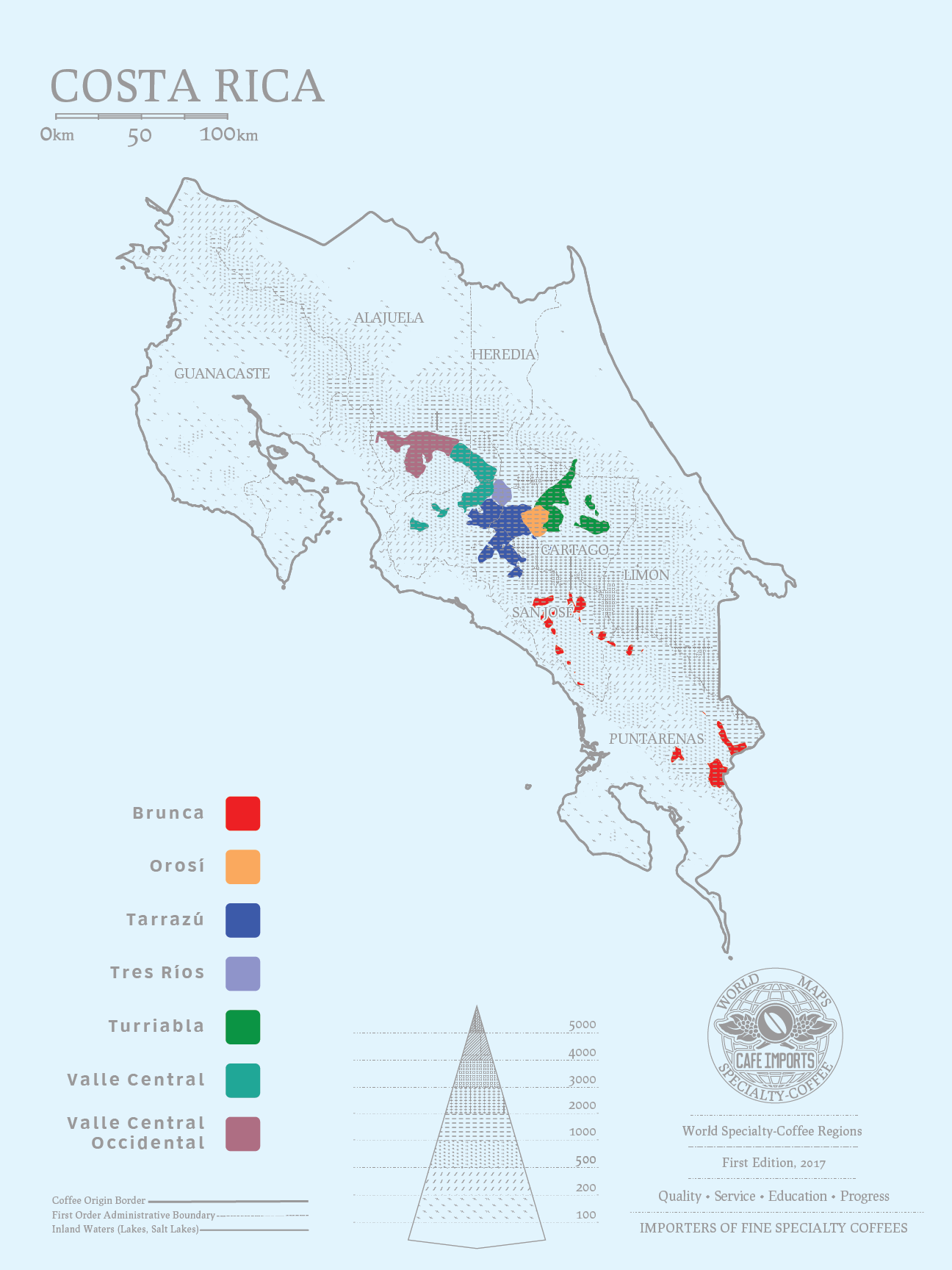
Costa Rica was the first country in Central America to grow coffee (exporting to Europe in 1820), and by law only Arabica may be planted; its honey processing is uniquely distinctive (retaining mucilage to enhance sweetness, with grades from white honey to black honey). Raisin honey-processed coffee (Caturra variety) from the Tarrazú region (1,200–1,700 m), brewed at 90°C with a 1:15 coffee-to-water ratio, shows rice-wine fermentation aromas and a caramel aftertaste.
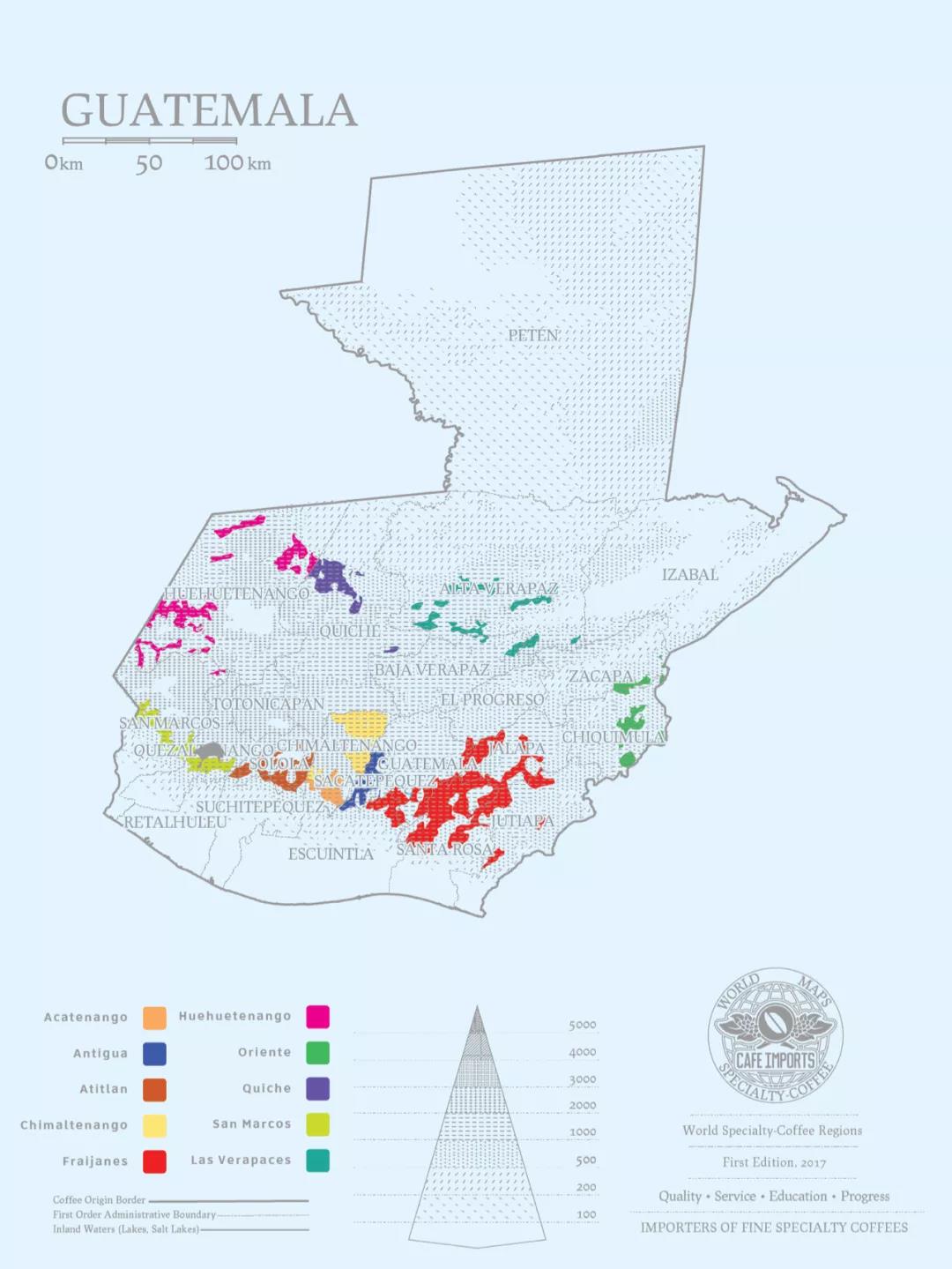
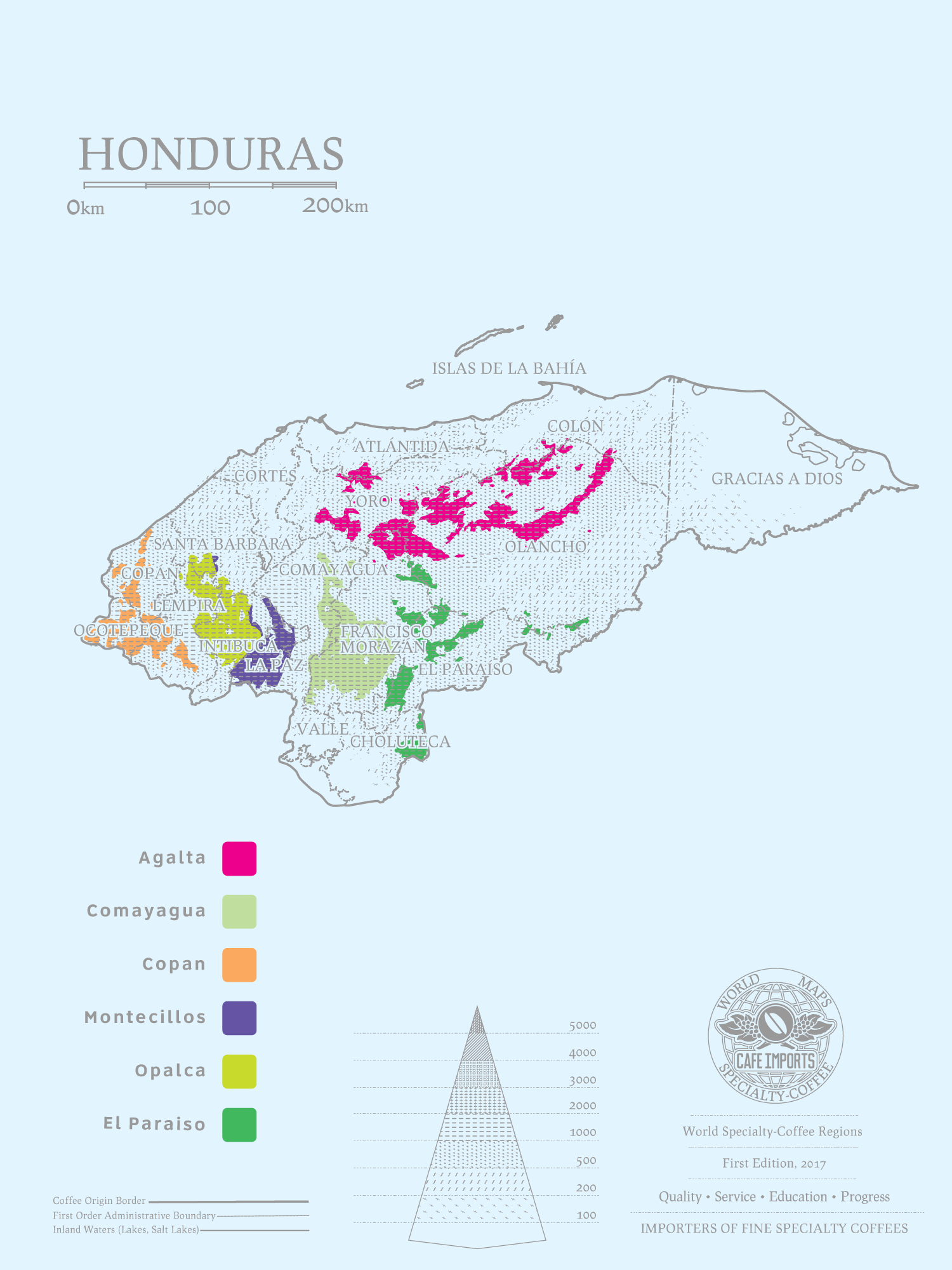
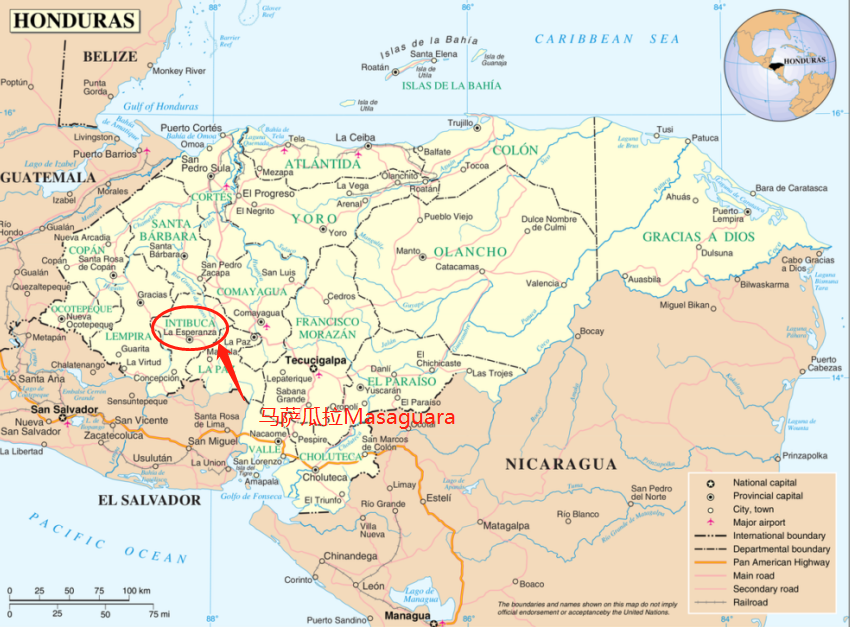
Honduras, relying on small farms (60% of plantations are <3.5 ha) and government support, has risen in recent years with sherry-barrel fermented washed processing (such as Caturra from the Marcala region, 1,500–1,700 m), offering rich flavor layers with vanilla, citrus, and maple syrup tones. Panama, Guatemala, and other countries also have their own characteristics, together forming the diverse coffee map of Central and South America.

5. A Niche Gem: Jamaican Blue Mountain
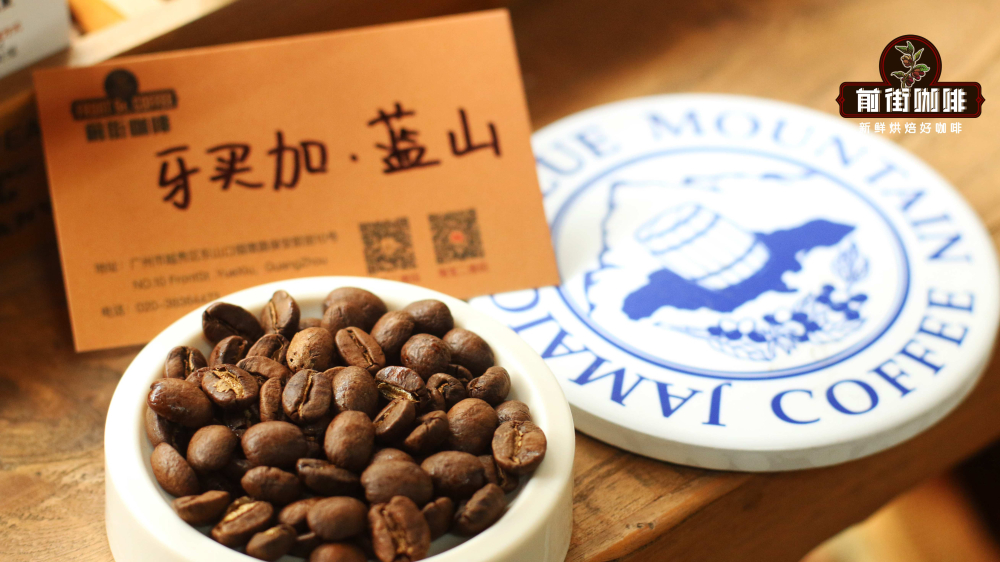
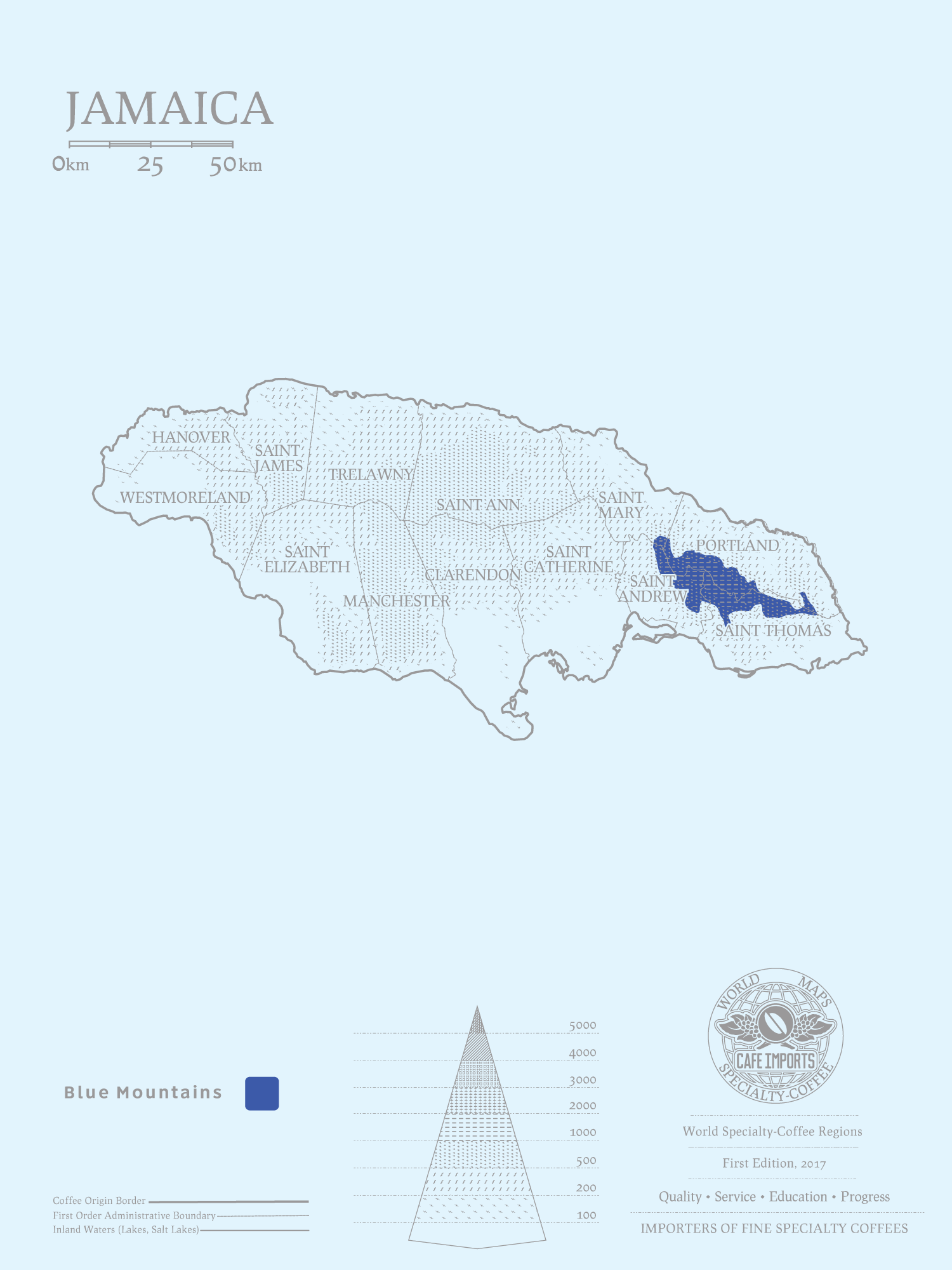
Jamaican Blue Mountain coffee (above 1,310 m, Typica variety) is known as the "king of coffee"; its perfect balance of sweetness, acidity, and bitterness benefits from the high-altitude misty environment and volcanic soil. Traditional washed processing preserves the classic flavor, while recently introduced natural versions bring an innovative experience. In the grading system, Blue Mountain No. 1 (defect rate ≤2%, 96% at 17/18 screen) is the top representative, suitable for enthusiasts pursuing an extremely clean cup.
In summary, the charm of Central and South American coffee regions lies in the deep combination of natural conditions and human techniques. From Brazil's rich balance to Colombia's refined equilibrium, from Panama's intense floral aroma to Jamaica's perfect harmony, each country writes a unique chapter. Understanding the terroir characteristics, processing methods, and variety traits of these regions will help you more precisely choose the coffee beans you love and explore the infinite possibilities of the flavor world.