Yunnan Single-Origin Coffee Flavor Guide: From Typica to Catimor

Introduction: Chinese coffee has emerged in the international specialty coffee market in recent years, especially from the Yunnan region. This article takes you deep into Yunnan coffee's century-long growing history from 1904 to today, explores the terroir of major regions such as Baoshan, Dehong, and Lincang, explains in detail the flavor differences and growing challenges of mainstream varieties such as Typica and Catimor, and provides professional flavor analysis of washed and natural processing methods along with practical brewing parameters, to help you better appreciate the unique appeal of Yunnan coffee.
In China's specialty coffee landscape, Yunnan coffee is gradually taking an important place. Although it entered the international market relatively late, Yunnan's coffee-growing history can be traced back more than a century. To understand Yunnan coffee, one should not only look at its current market performance but also review its development from the introduction of the first coffee tree to the present.

Yunnan coffee's story began in 1904, when the French missionary Tian Deneng (Père Théodore Monbeig) introduced coffee seeds from abroad and successfully planted the first coffee tree in Zhukula Village, now in Binchuan County, Dali. This event is regarded as the starting point of coffee cultivation in Yunnan. Later, in the 1930s, the patriotic overseas Chinese leader Mr. Liang Jinshan further introduced coffee to the Pupiao and Luoming areas. These early planting attempts laid the foundation for the later development of Yunnan's coffee industry.
By the 1950s, Yunnan coffee cultivation saw its first large-scale development. Driven by experts from the Baoshan Tropical and Economic Crops Research Institute, large areas of coffee began to be planted in Lujiang and other places, mainly using the classic variety of the time—Typica. This variety has an elegant flavor but is difficult to grow and has poor disease resistance, making it hard to promote on a large scale. Even so, Typica still laid the quality foundation for Yunnan coffee.

In the 1990s, with the deepening of reform and opening up, international coffee companies such as Nestlé entered Yunnan and brought the Catimor variety, which is better adapted to the local environment. Catimor is a hybrid of Arabica and Robusta, inheriting Robusta's strengths of strong disease resistance and high yield while also retaining some of Arabica's flavor characteristics. This variety quickly replaced Typica and became the main force of Yunnan coffee, widely used as raw material for instant coffee.
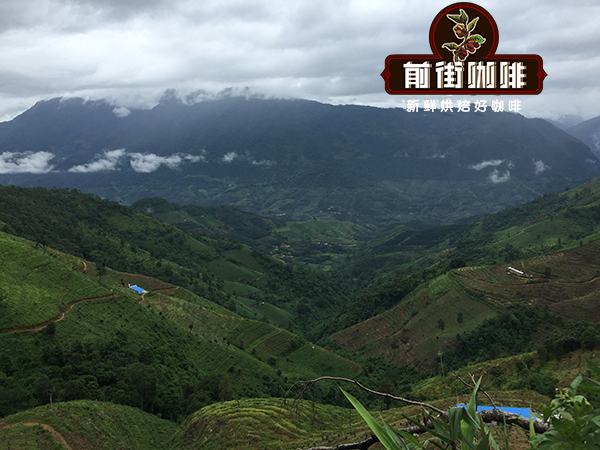
Data shows that as of today, Yunnan's coffee planting area accounts for 70% of the country's total, and its output accounts for as much as 83%, making it China's largest coffee-producing region. Its main producing areas are concentrated in the southern and western parts between 15°N and the Tropic of Cancer, including Pu'er, Xishuangbanna, Wenshan, Baoshan, Dehong, Lincang, and other places. These places are mostly at altitudes of 1,000–2,000 meters, with fertile soil, ample sunshine, and significant day-night temperature differences, providing an ideal environment for coffee growth.
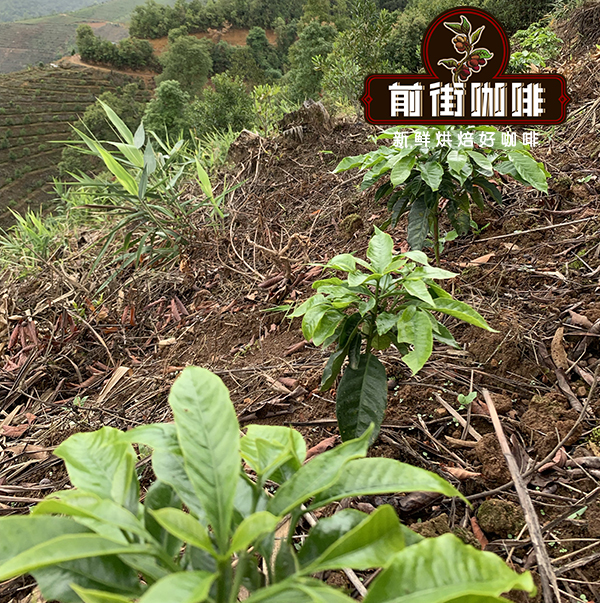
Among them, Dehong Prefecture is known as the "Hometown of Chinese Coffee," with planting altitudes mostly above 1,000 meters, and some areas even exceeding 1,600 meters. Organic farming methods are commonly used locally, and the coffee produced is of excellent quality. Baoshan is another representative producing area; its small-bean coffee received national geographical indication product protection as early as 2010. Baoshan small-bean coffee is known for being "strong but not bitter, fragrant but not harsh," with full and uniform beans, a unique fruity aroma, and a mellow body, and is well received in the international market.
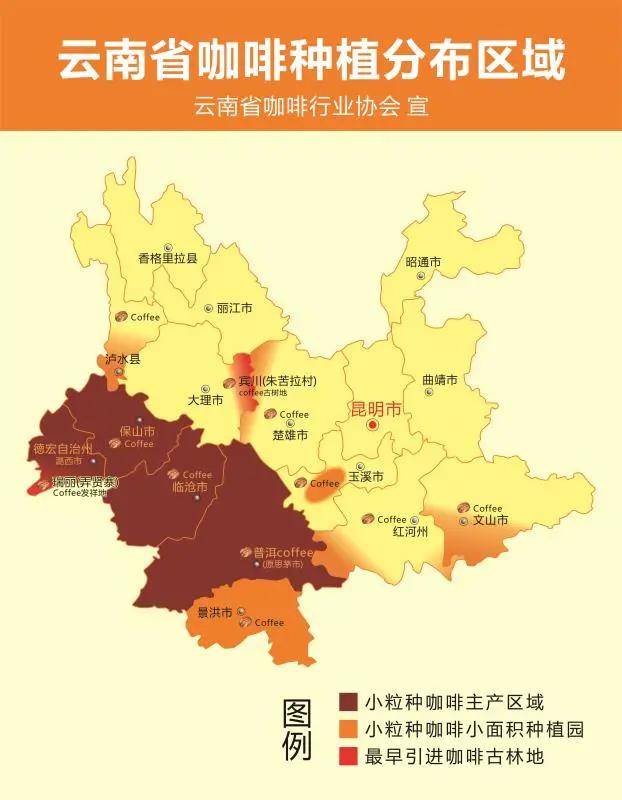
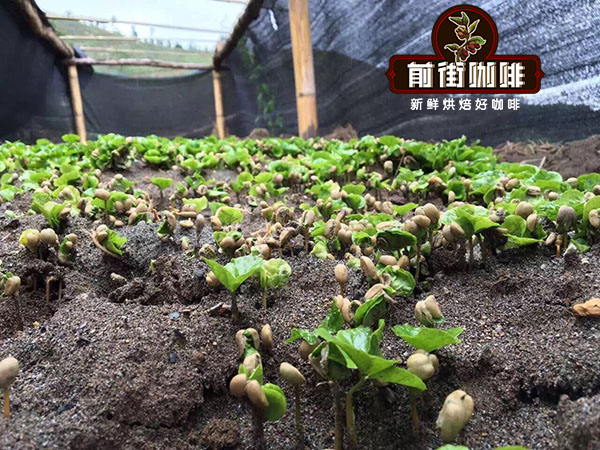
Lincang and Pu'er are also important coffee-producing areas. With its unique climate and geographical conditions, Lincang has attracted many coffee companies to invest and build factories, and has established several high-quality coffee seedling bases. Pu'er, as a traditional tea hometown, also has a long history of coffee cultivation; it began developing its coffee industry as early as the end of the 19th century and is an important driving force for the diversified development of Yunnan coffee.
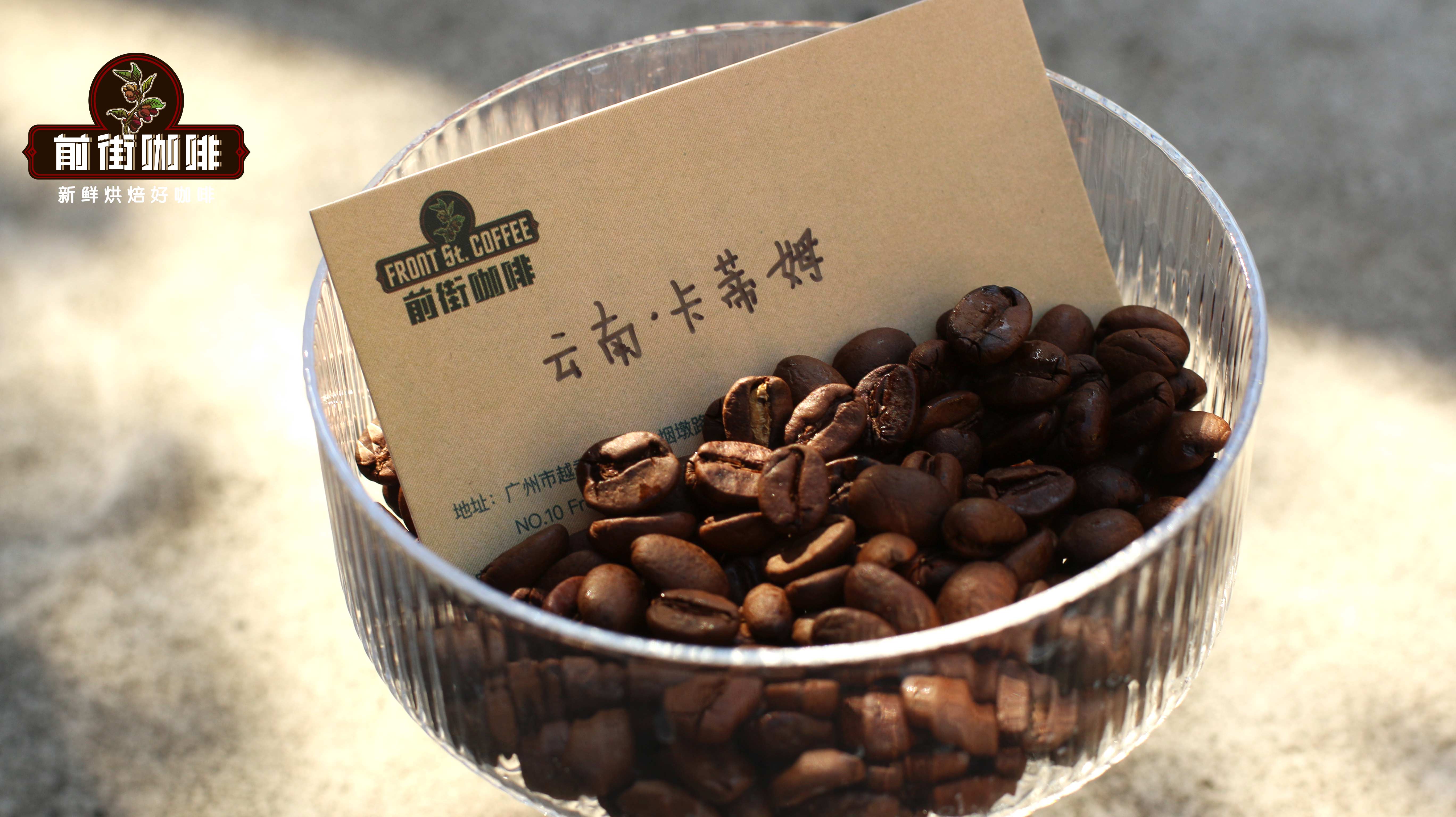
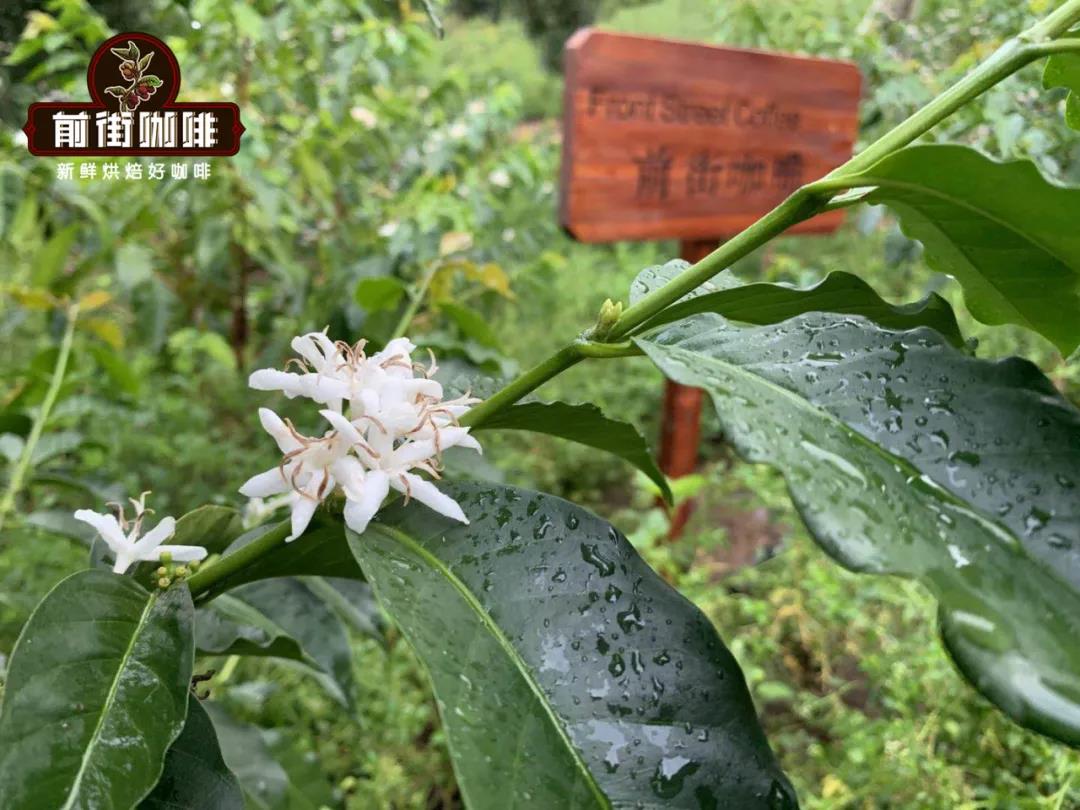
When it comes to Yunnan coffee varieties, the most common on the market today is Catimor, which accounts for a very high proportion. Catimor is a hybrid of the Arabica species Typica and the Robusta species, combining Robusta's disease resistance and high yield with some of Arabica's flavor characteristics. It has wide adaptability and is currently the main variety planted in Yunnan coffee. In addition, varieties such as Typica, Bourbon, Caturra, and Catuai are also planted in small quantities. Among them, Typica, with its elegant and balanced flavor, is gradually attracting renewed attention from specialty coffee enthusiasts.
In terms of processing methods, Yunnan coffee mainly uses two processes: washed and natural. Washed processing can highlight the coffee's cleanliness and bright acidity, suitable for showing the delicate flavors of varieties such as Typica; natural processing can enhance sweetness and fruity aroma, giving varieties such as Catimor a richer layered expression. The flavor base of most Yunnan coffee is dominated by nuts, brown sugar, caramel, and so on, with moderate acidity and an overall balanced and mellow taste.
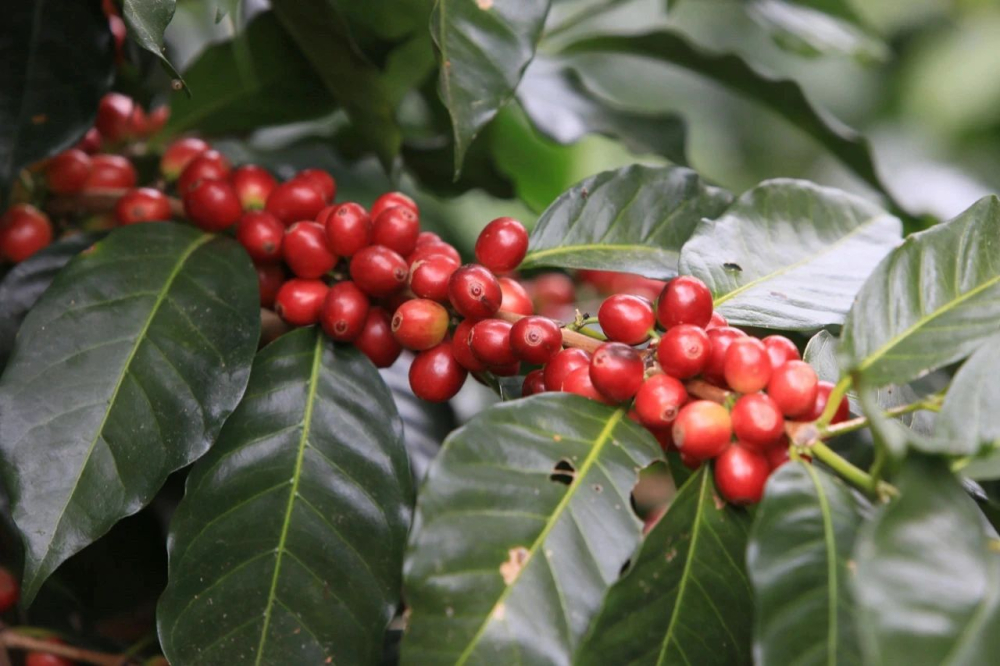
Take washed Typica as an example: its flavor usually presents a harmonious combination of citrus, nuts, plum, and black tea, with mild fruit acidity and clear sweetness, suitable for people who like fresh-style coffee. Catimor coffee beans, on the other hand, often present herbal, chocolate, and caramel flavors, with a richer taste, making them an ideal choice for many coffee beginners. If red cherry natural processing is used, Catimor can also show complex layers such as dried fruit, dark chocolate, and woody aroma.
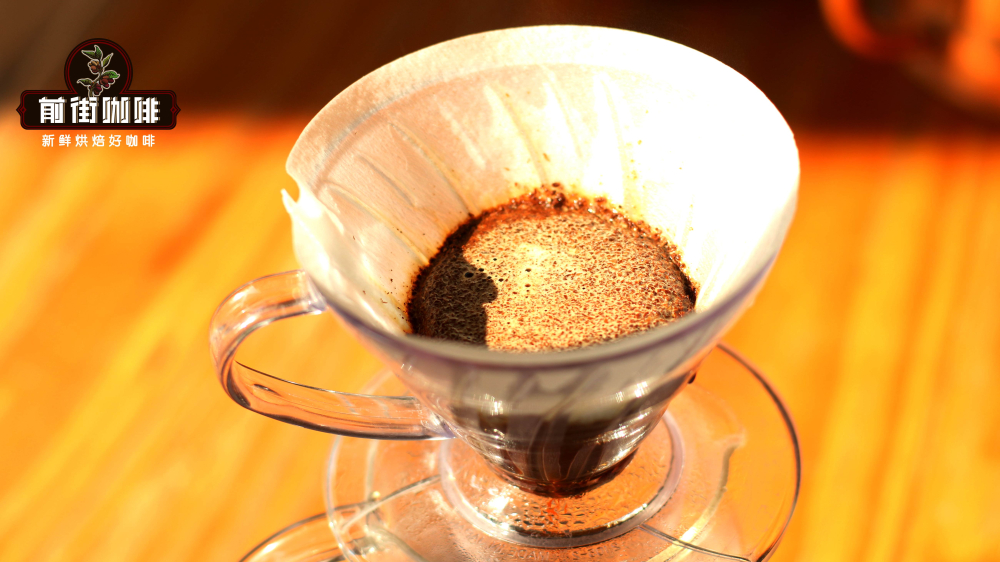
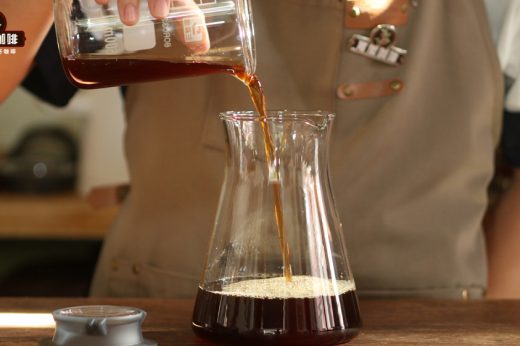
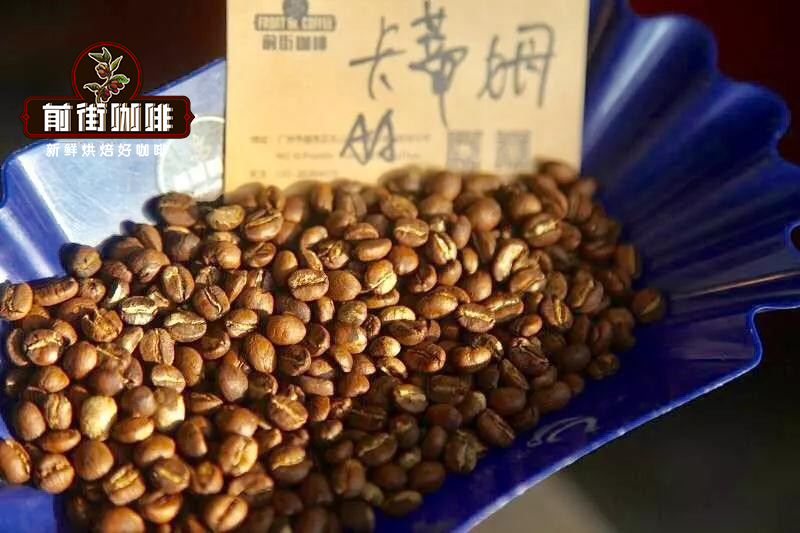
For enthusiasts who want to try Yunnan specialty coffee, understanding the roasting and brewing parameters of the coffee beans is particularly important. Generally speaking, because of the characteristics of the producing region, Yunnan coffee's acidity is not prominent, so medium roasting is often used to highlight its nutty and brown-sugar base notes. For pour-over, a V60 dripper is recommended, with a water temperature of 90–92°C, a 1:15 coffee-to-water ratio, and medium-fine grinding. Through staged pouring, the coffee's layers and aroma can be better expressed.
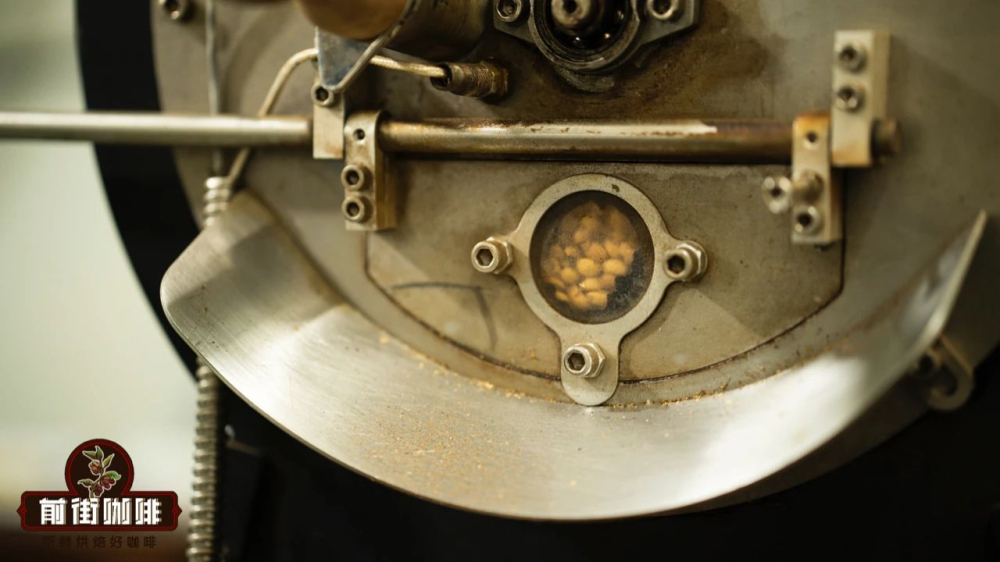
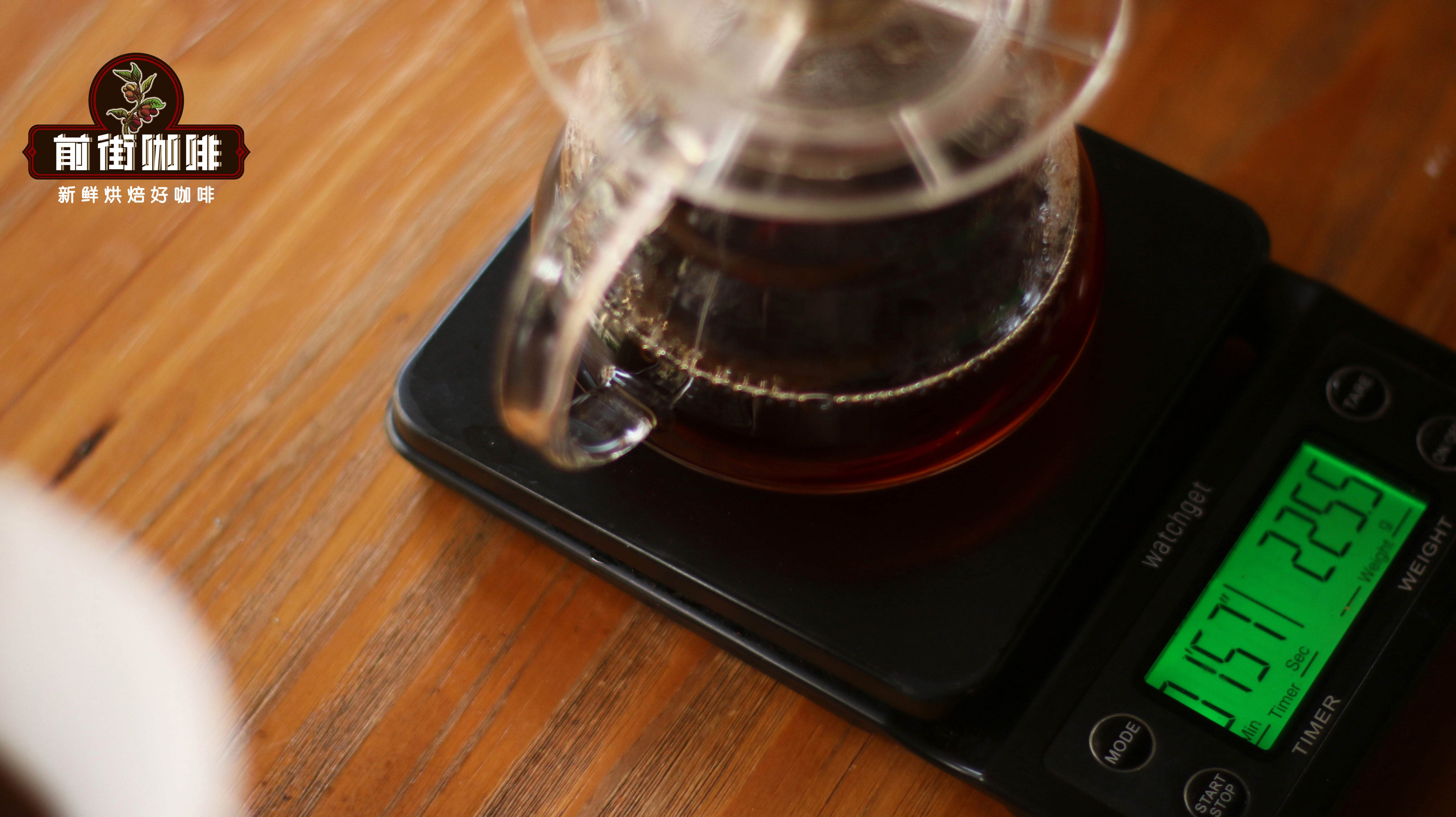
Specifically, during roasting, it is recommended to dehydrate quickly at a charge temperature of 200°C, then adjust the damper and heat to control the pace of the Maillard reaction, develop for about 3 minutes after first crack, and drop at a final temperature of around 196°C. For pour-over, first bloom with 30 grams of water for 30 seconds, then gradually pour to 227 grams, with a total extraction time of about 2 minutes, which helps fully release the unique flavor of Yunnan coffee.
Overall, from the earliest introduction by missionaries to today's large-scale, specialty-oriented development, Yunnan coffee has gone through a century of accumulation and transformation. Whether it is Typica, with its fresh fruit acidity, or Catimor, with its richer sweetness, every coffee bean from this land carries a unique story and terroir characteristics. Understanding these can not only help you better appreciate Yunnan coffee but also let you discover more possibilities on your journey of exploring specialty coffee.