Starbucks Classic Coffee Bean Origins: Latin American Flavors and Breakfast Blend

Introduction: From the Starbucks Classic Blend unchanged since 1971 to the light, mild Breakfast Blend, how have Latin American coffee beans become the cornerstone of the global coffee supply chain? This article analyzes the roasting logic behind these two star products, reveals how Antigua's volcanic soil and Brazil's highland microclimate shape distinctive flavors, and recommends 8 high-value Latin American single-origin beans, offering a full guide from altitude and variety to processing method.
Among coffee enthusiasts, Latin America has always held an irreplaceable position. It is not only the world's largest coffee-growing belt, but also the source of many widely used classic blend ingredients. Among them, the Starbucks "House Blend," continuously offered since the company opened in 1971, is a typical example—a blend of beans from several Latin American countries that, with its stable acid-bitter balance and full-bodied base, has become the everyday choice of countless coffee consumers.

Another star product also from Latin America is the Breakfast Blend, launched in 1998. Compared with standard blends, it uses a lighter roast, with heat precisely controlled to retain more of the original flavor. This approach gives the coffee a bright citrus acidity and a clean, crisp finish, making it especially suitable for morning drinking. For consumers unaccustomed to strong bitterness, this bean provides enough caffeine to wake up without the astringency that over-roasting produces.
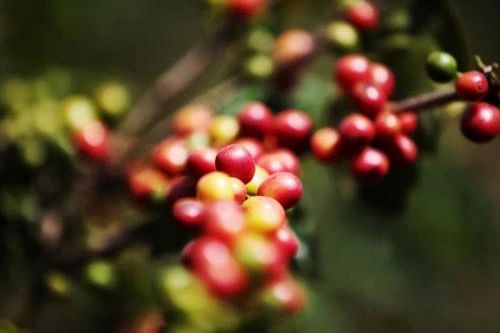
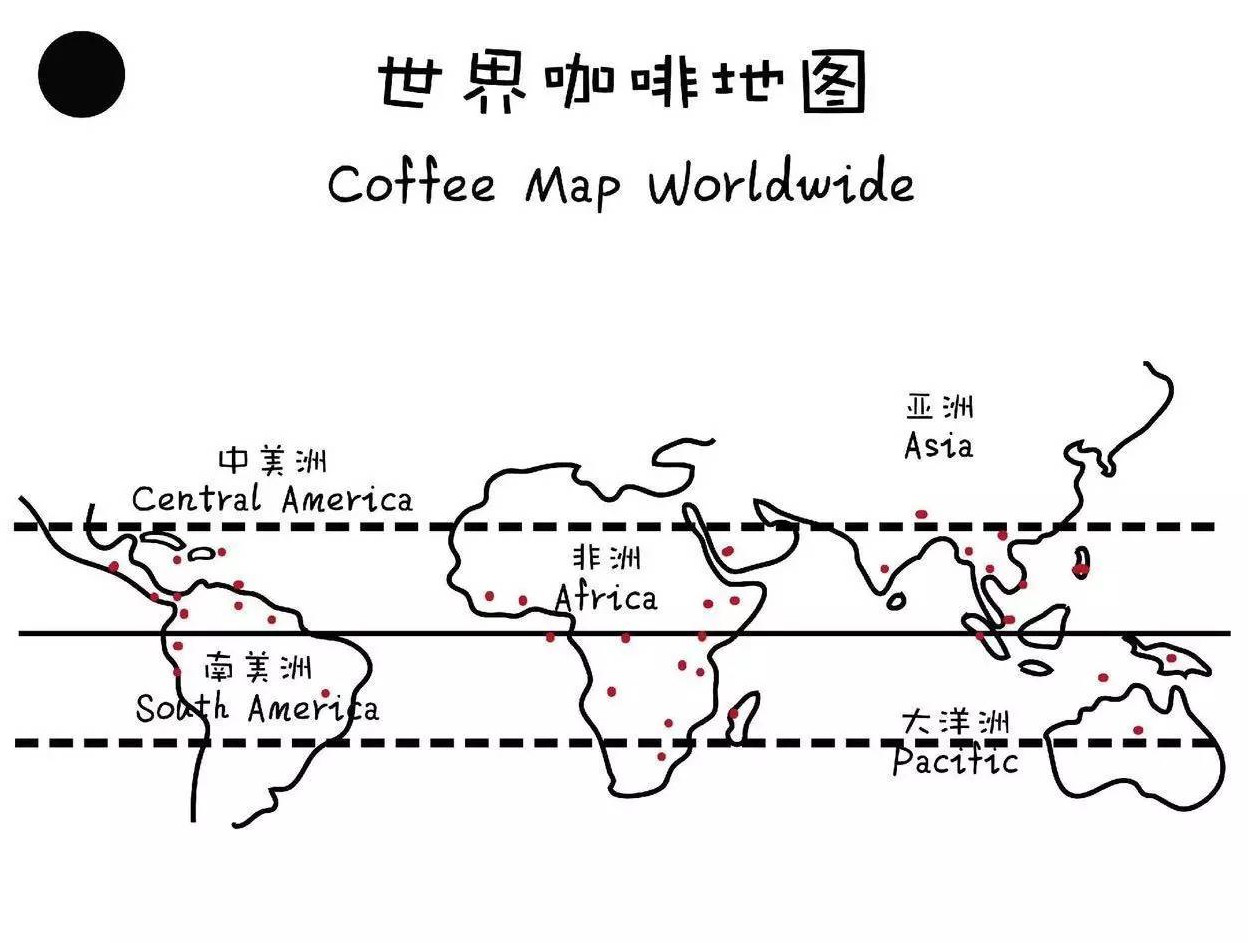
Why do Latin American coffee beans enjoy such wide recognition? The core lies in their exceptional geographical conditions and scientific cultivation management. The region straddles the equator, spanning diverse terrain from low-altitude tropical rainforests to the high-altitude Andes. In Brazil, for example, the main growing areas lie in volcanic rock soil at altitudes of 1,400–1,950 meters, where day-night temperature swings can exceed 10°C; this environment prompts the beans to accumulate sugars slowly, ultimately forming the signature nutty and chocolate flavors. In Guatemala's Antigua region, coffee trees grow on a highland surrounded by active volcanoes; the loose soil formed from volcanic ash is rich in minerals, and combined with 1,500–2,000 hours of sunshine per year, it creates a distinctive mouthfeel that combines fruity acidity with full body.
Factors affecting coffee flavor can be divided into natural and human categories. Natural factors include altitude (generally, every 300 meters of elevation raises acidity by about 15%), average annual temperature (ideal range 18–22°C), rainfall distribution (alternating wet and dry seasons better promotes sugar deposition), and soil composition (basalt and volcanic soils are rich in iron and potassium). Human intervention is mainly seen in variety selection and processing methods: for example, Caturra and Bourbon varieties generally carry citrus notes, while natural processing enhances caramel and winey aromas, and washed processing highlights fresh fruity acidity.
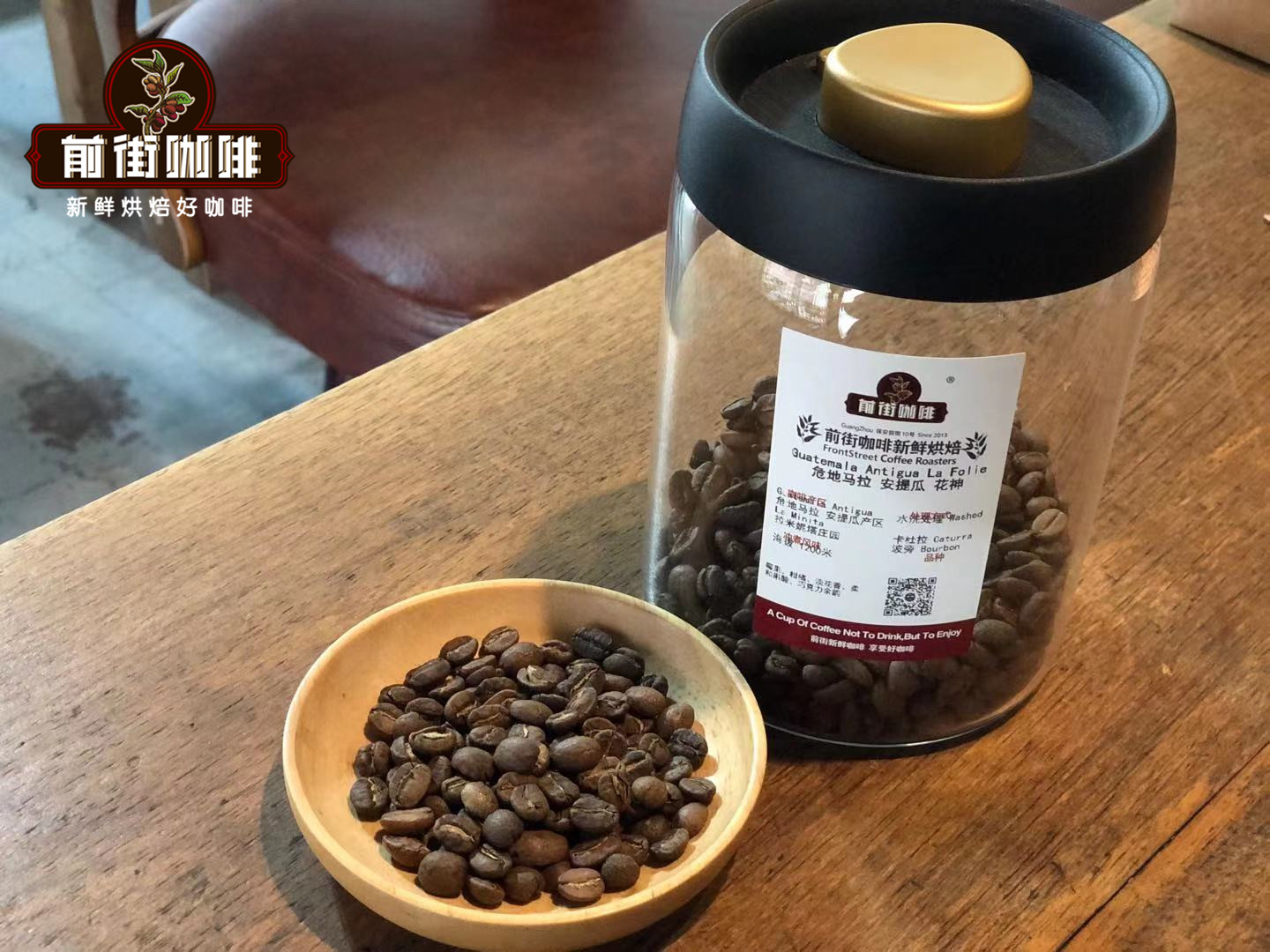
Among the many Latin American single-origin beans, the Flor del Café from Guatemala's Antigua region is quite representative. Grown on volcanic slopes at 1,200–1,600 meters and processed by the traditional washed method, it presents bright citrus acidity and caramel sweetness. Notably, the region's distinctive microclimate—warm and dry by day, cool and misty at night—gives the beans an extra layer of smokiness. For brewing, use water at 92–94°C and a grind between medium-fine and fine (about 75% passing a Chinese standard No. 20 sieve), which effectively highlights its bright acidity structure.
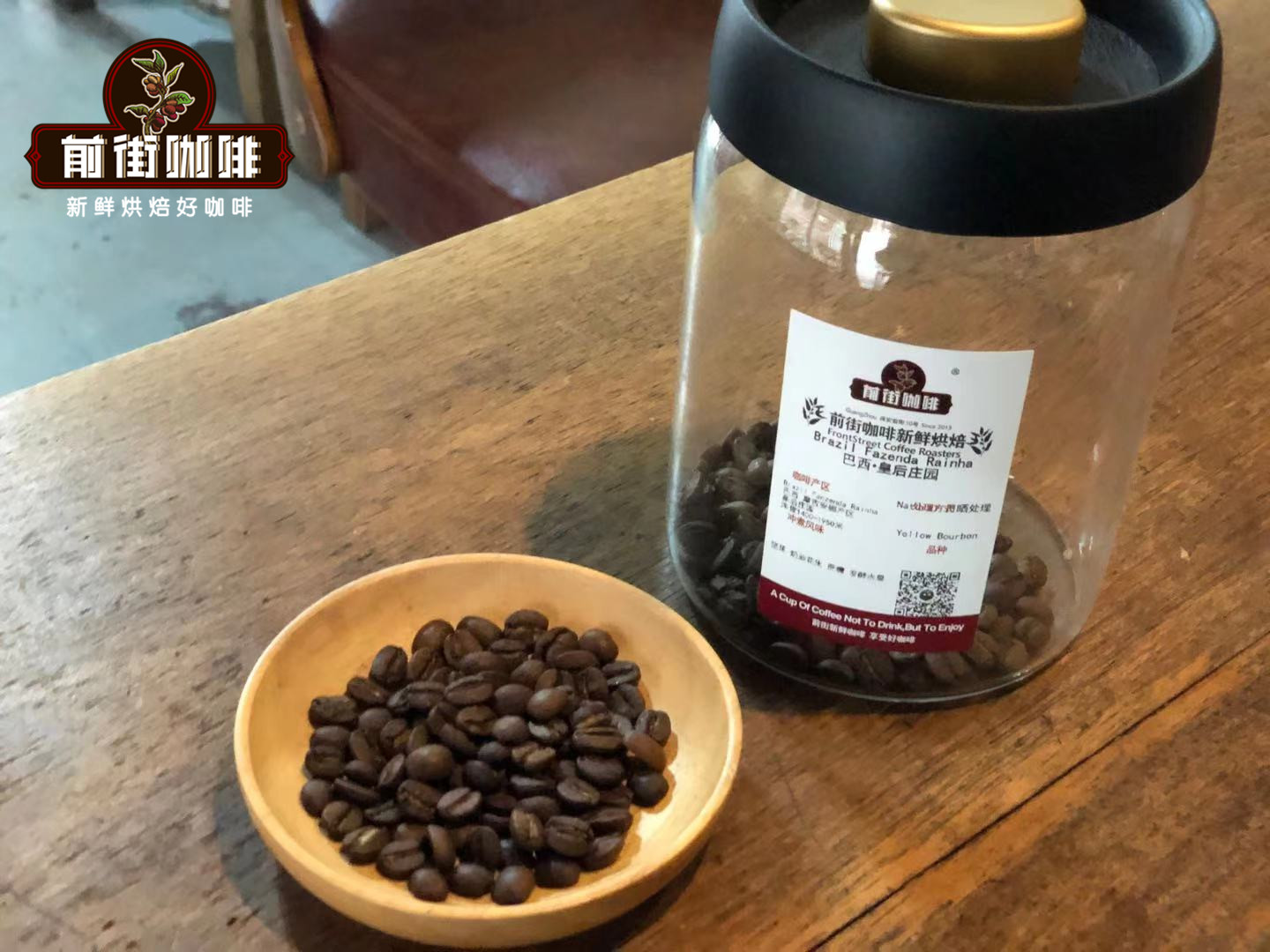
Brazil, the world's largest coffee producer, offers a completely different style in the Yellow Bourbon variety from its Queen Farm. Grown in an ancient volcanic valley at 1,400–1,950 meters, the semi-washed (pulped natural) method retains about 30% of the mucilage layer, giving the finished coffee pronounced nutty, creamy, and fermented-fruit aromas. This bean has a fuller body and suits milk-based drinks or French press extraction. Practical tests show that a 1:15 coffee-to-water ratio, 93°C water, a 30-second bloom, and then staged pouring balance its inherently low acidity.
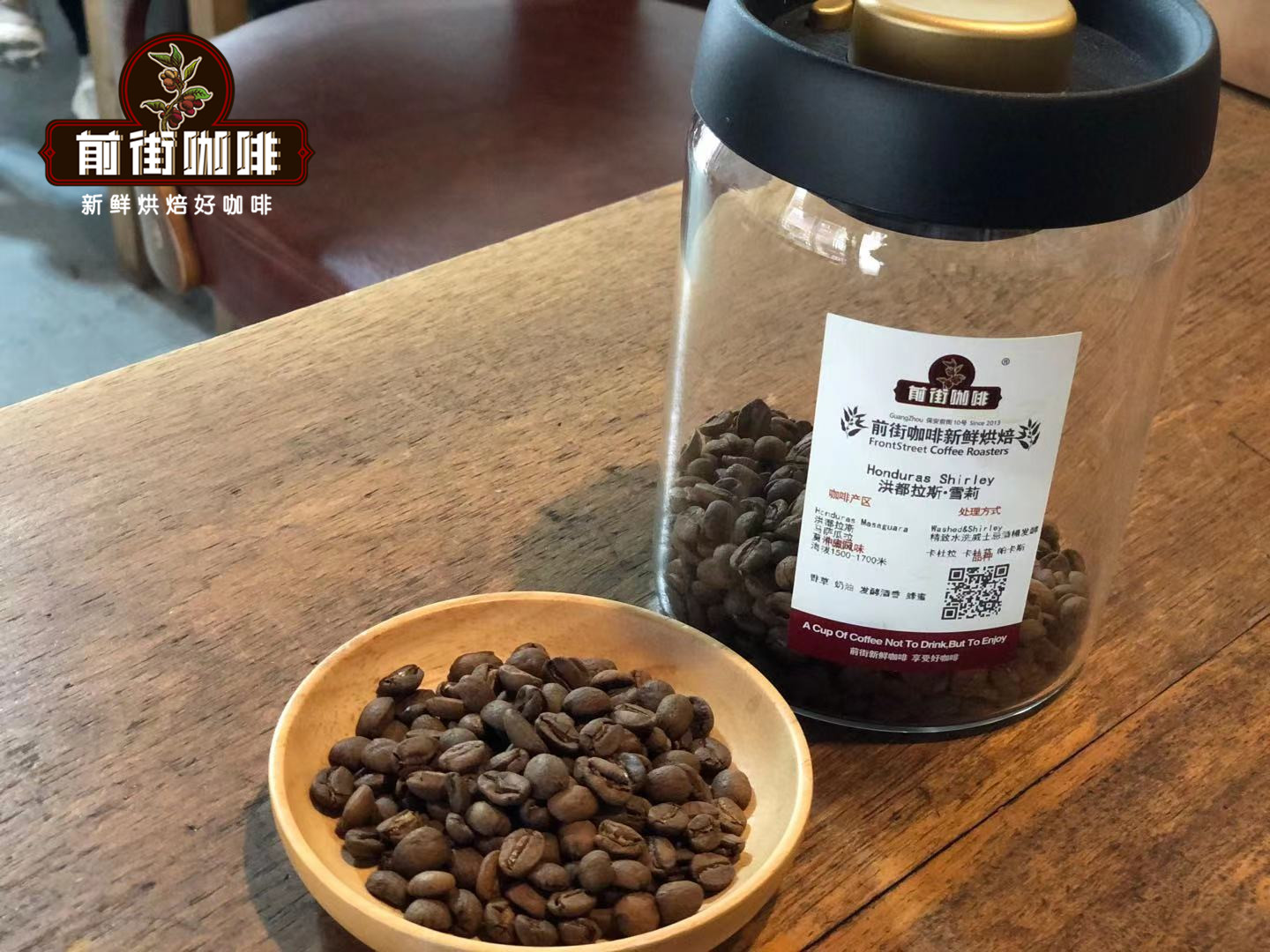
The Sherry coffee from Honduras's Moka Farm showcases the appeal of special processing. Through whiskey-barrel fermentation, the beans absorb esters from the oak barrels, forming distinctive vanilla-cream and chocolate-liqueur flavors. Such processed beans are extremely sensitive to roast level; a medium roast (development time 25%–30%) is recommended to lock in the winey aroma molecules. When pouring by hand, watch the flow rate; a V60 dripper with a center-pour technique is recommended to avoid over-extraction that brings out bitterness.
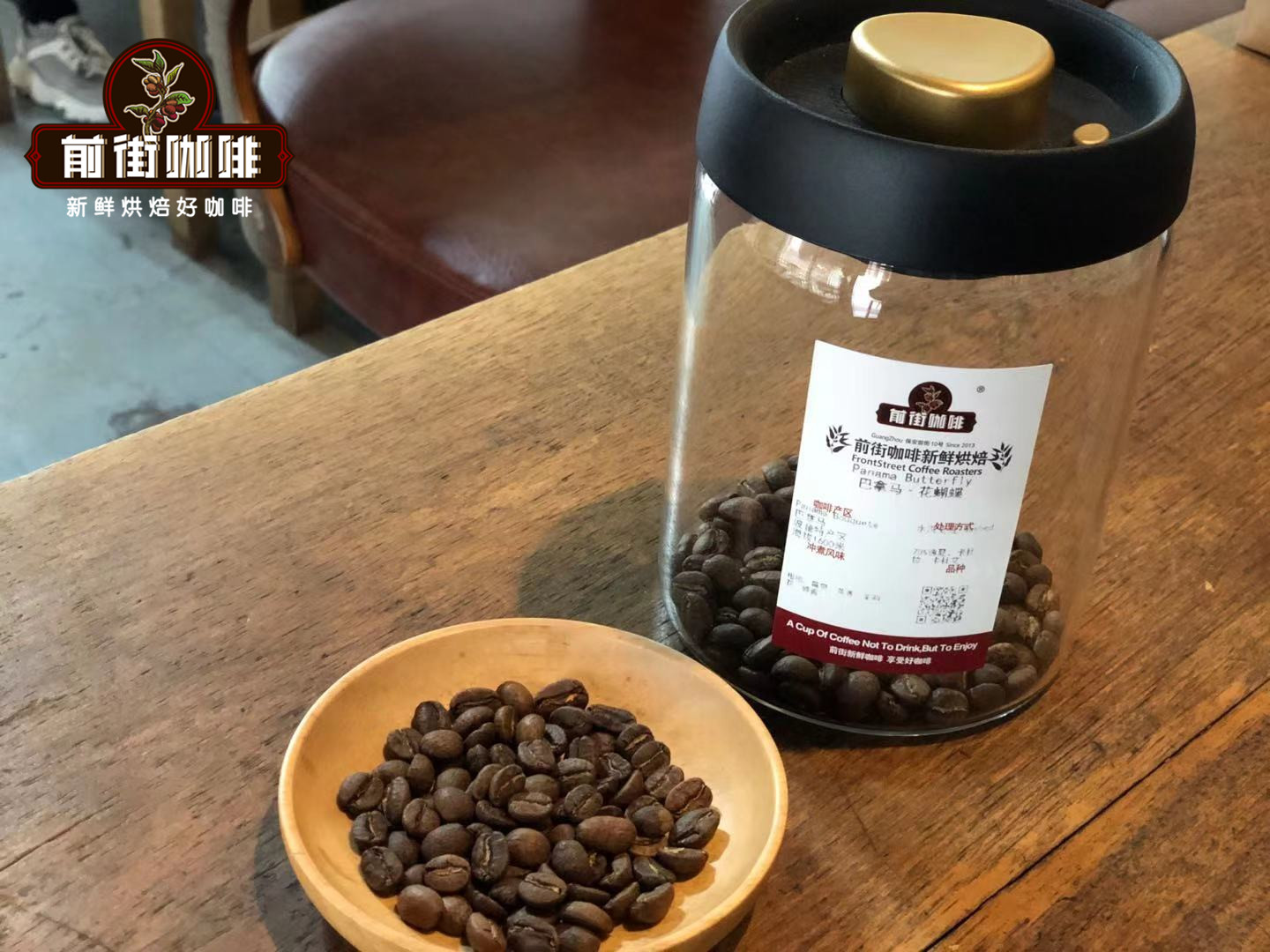
The Butterfly coffee from Panama's Boquete region is a model of high-value Geisha blends. Although it contains 70% Geisha, a reasonable blend with Caturra and Catuai keeps the market price affordable. Grown at 1,600 meters and washed, it retains the Geisha's signature jasmine aroma and black-tea finish. Suggested brewing parameters: 15 grams of coffee to 240 milliliters of water; pour the first stage to a 1:1 ratio, bloom for 45 seconds, then use a spiral pouring method to improve evenness.
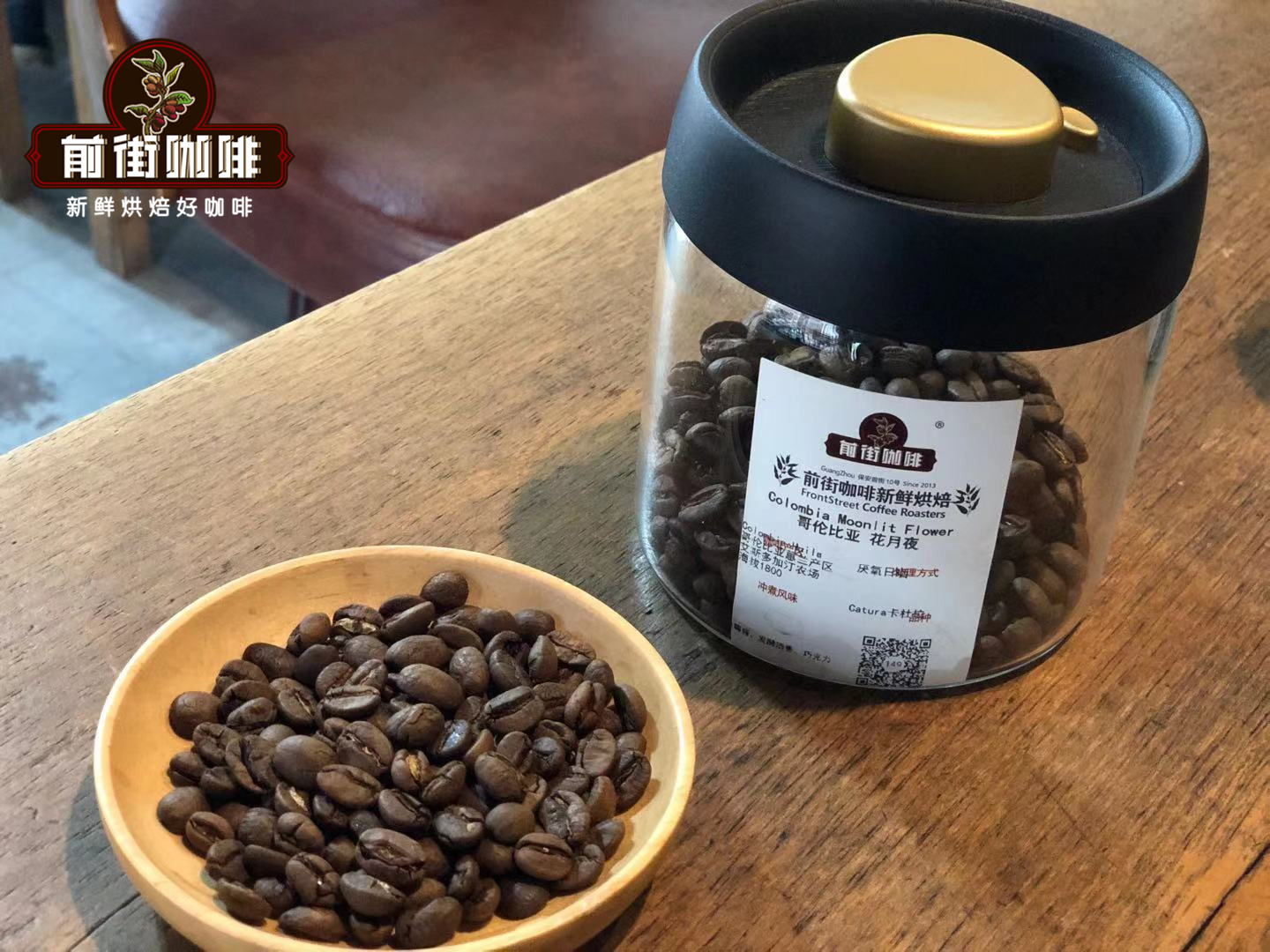
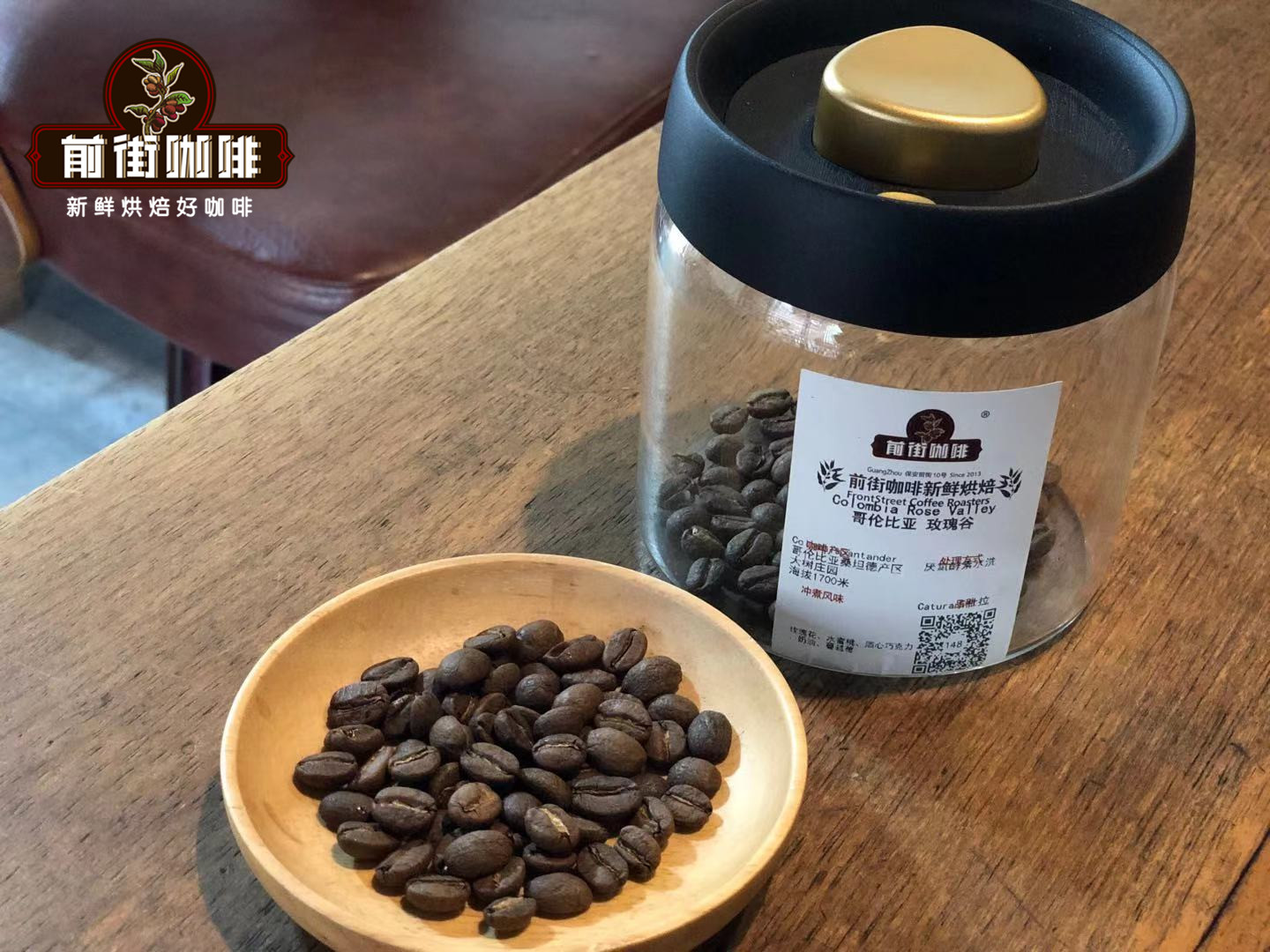
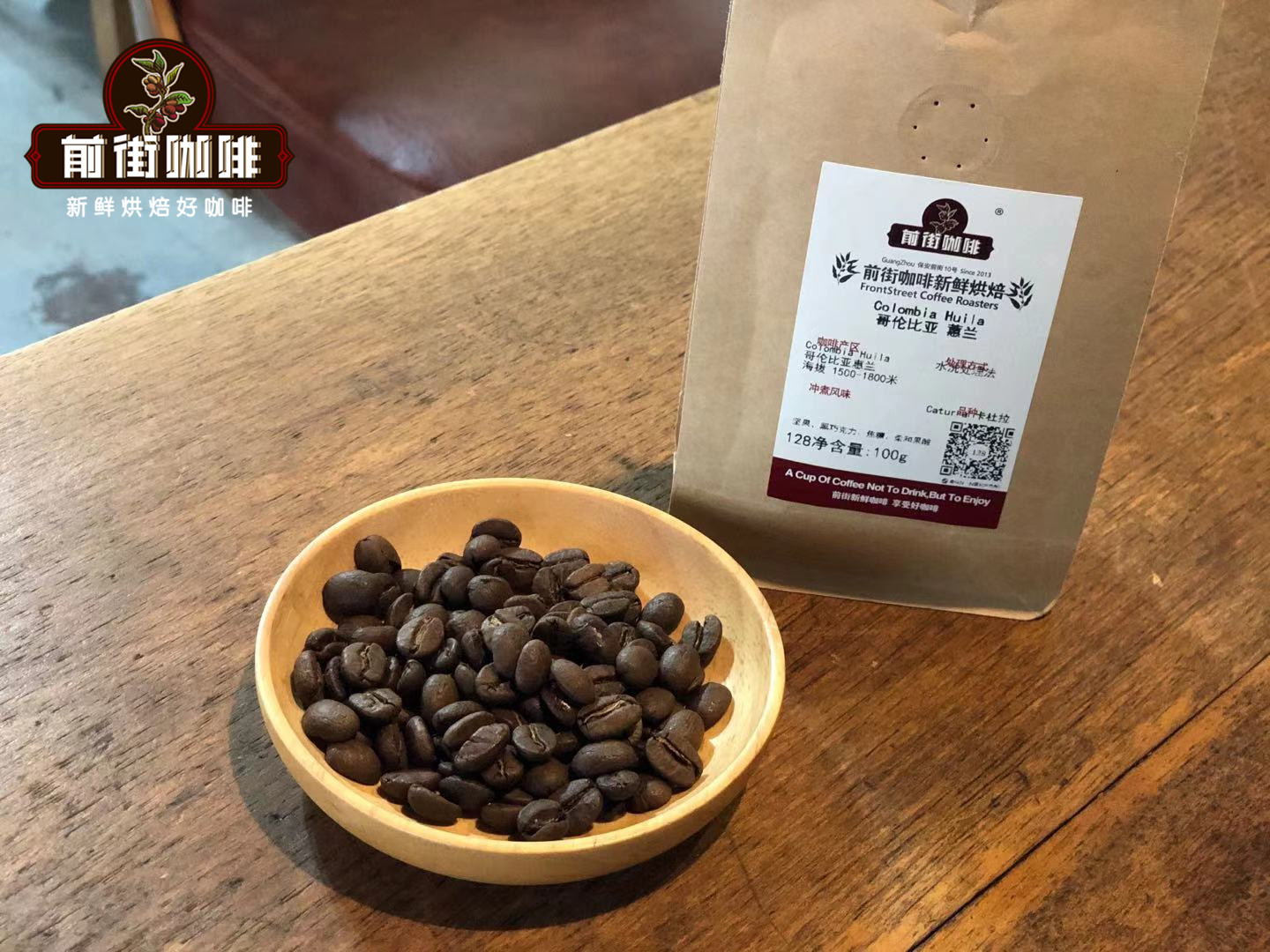
The Caturra variety from Colombia's Huila region shows the typical South American sense of balance. Grown on canyon slopes, the trees enjoy morning mist and afternoon sun; washed processing brings clean nutty and dark-chocolate flavors. This bean tolerates a wide range of grind sizes; when brewing by hand, try adjusting the grind to observe flavor changes—a coarser grind emphasizes caramel sweetness, a finer grind highlights citrus acidity.
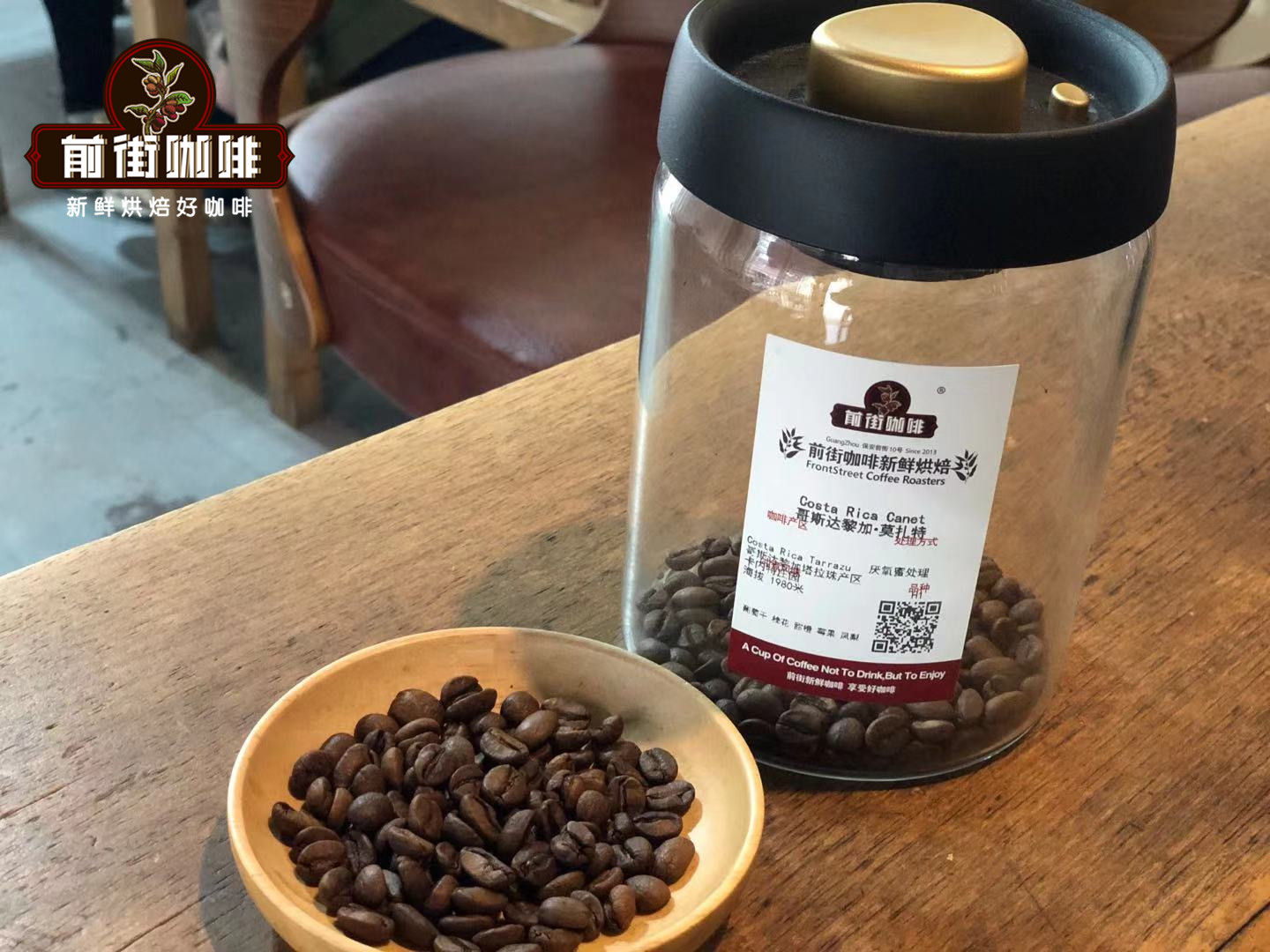
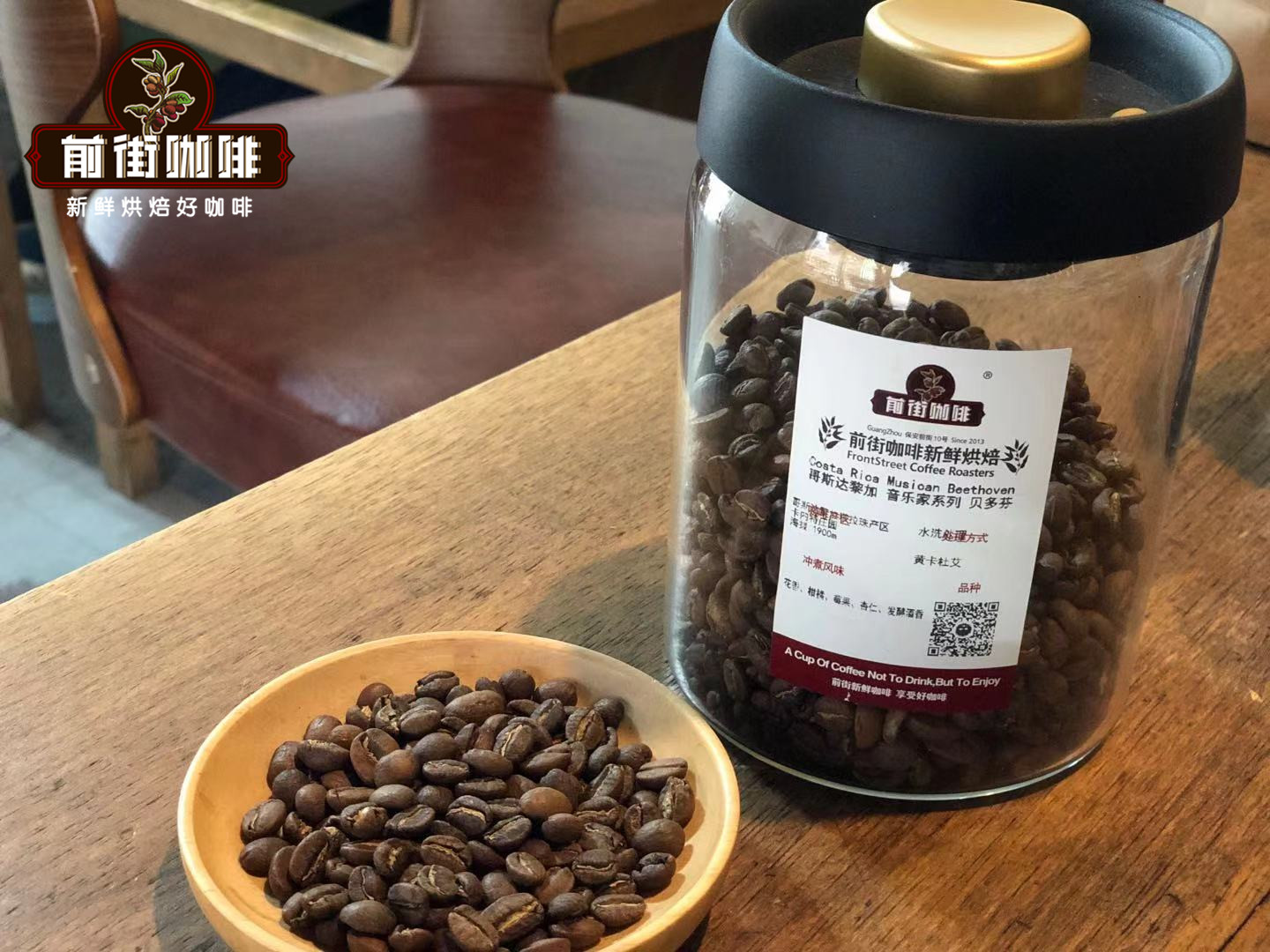
The Musician Series from Costa Rica's Tarrazú region proves the possibilities of processing innovation. The Beethoven version uses traditional washing to present a fresh berry acidity, while the Mozart version enhances sweetness through raisin honey processing. Both beans are grown above 1,800 meters, and the use of anaerobic fermentation brings a modern interpretation to traditional flavors. Note that honey-processed beans have higher moisture content; store them sealed and away from high temperatures.
From the mild balance of the Breakfast Blend to the vivid character of single-origin beans, Latin American coffee shows remarkable diversity. Whether you are a blend lover seeking convenience or a single-origin drinker exploring terroir, you can find a product suited to your needs in this region. Understanding how altitude, variety, and processing interact will help consumers make more precise purchasing decisions.