How to Choose Starbucks Cold Brew Beans: Yunnan Flavor Guide
Introduction: Cold brew coffee, popular in summer for its refreshing taste and convenient preparation, has become a daily choice for coffee lovers. This article takes an in-depth look at the core parameters of Starbucks-style cold brew craft, explains in detail the flavor characteristics and suitable scenarios of coffee beans from the Yunnan producing region, and provides a professional-level home brewing solution to help you easily replicate store-quality results.
When temperatures climb, a glass of ice-cold cold brew coffee always delivers just the right refreshing pick-me-up. Unlike the intensity of traditional hot extraction, this coffee craft, which extracts with cold water over a long period, has continued to rank near the top of coffee consumption lists in recent years thanks to its soft, smooth mouthfeel and unique fermented aroma.
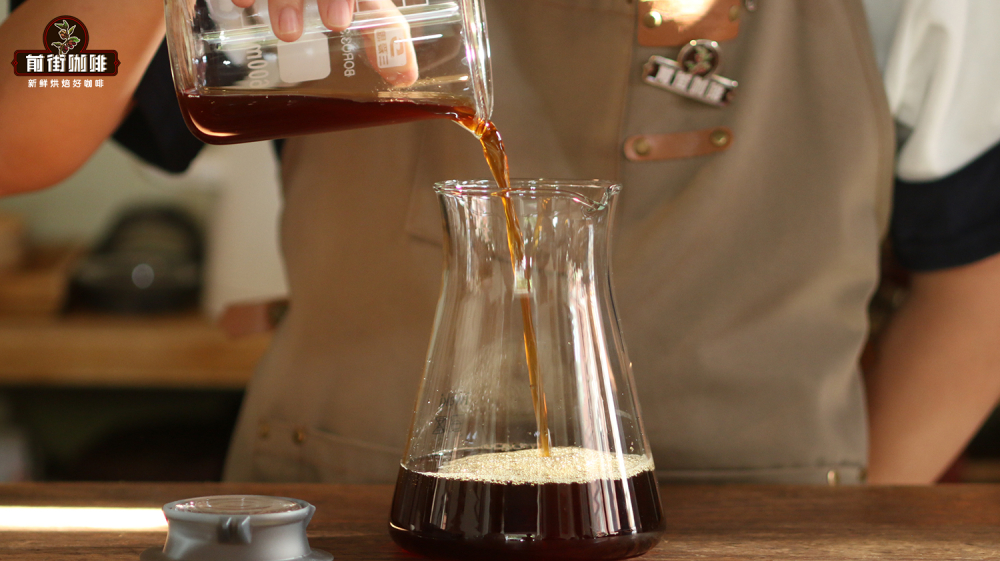
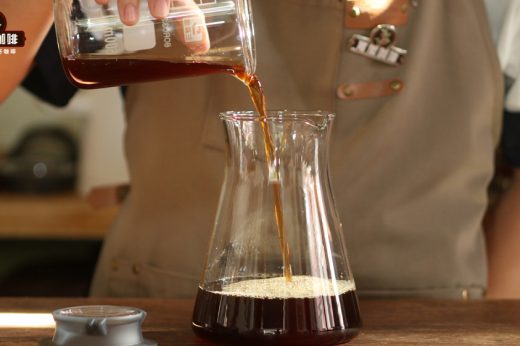
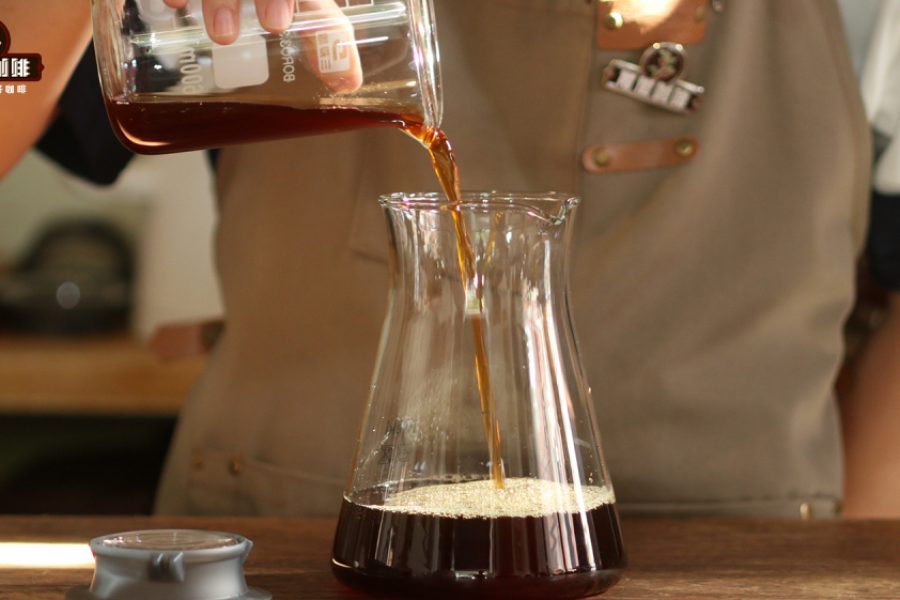
The principle behind making cold brew coffee seems simple but hides subtleties—mix finely ground coffee powder with cold water at a 1:8 ratio, then seal and let stand in a 4°C environment for 12-24 hours. Extending the extraction time to 48 hours can increase body, but care must be taken to control the risk of bitterness. After completion, filter three times through filter cloth or filter paper; the resulting amber liquid retains the coffee's original flavor while the low-temperature process suppresses the release of acidic substances.
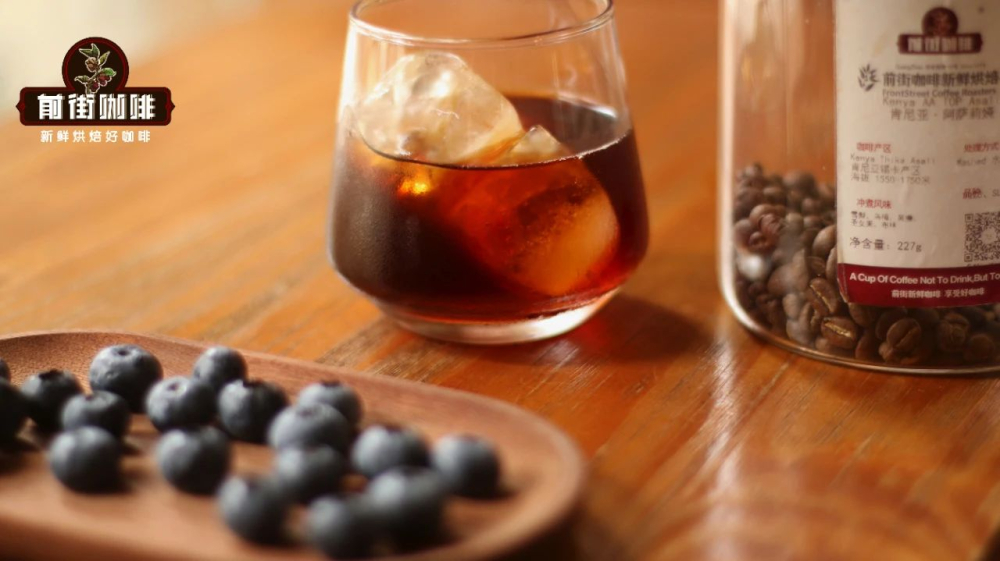
Compared with high-temperature extraction, the biggest advantage of the cold brew craft lies in selective extraction. The low-temperature environment can only dissolve small-molecule flavor substances, which makes the floral and fruity acidity and citrus notes in the coffee more prominent, while common smoky sensations and burnt bitterness are effectively filtered out. Experimental data shows that, for the same bean variety, the acidity value after cold brew is about 40% lower than after hot extraction, and bitter substances are reduced by 25%, which is also the key reason it is widely favored.
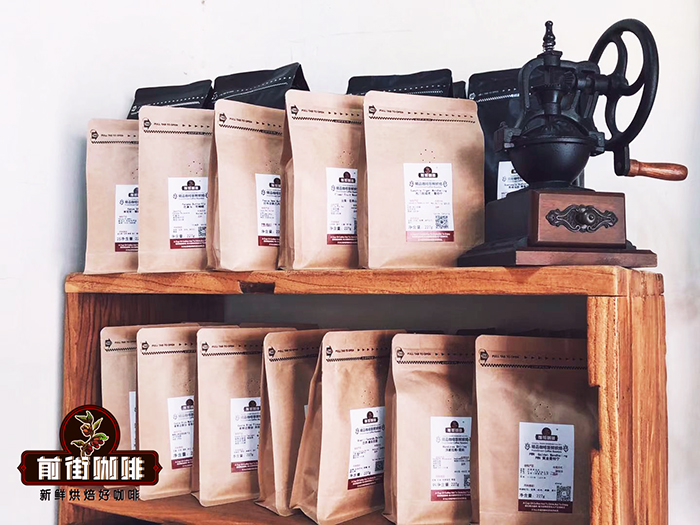
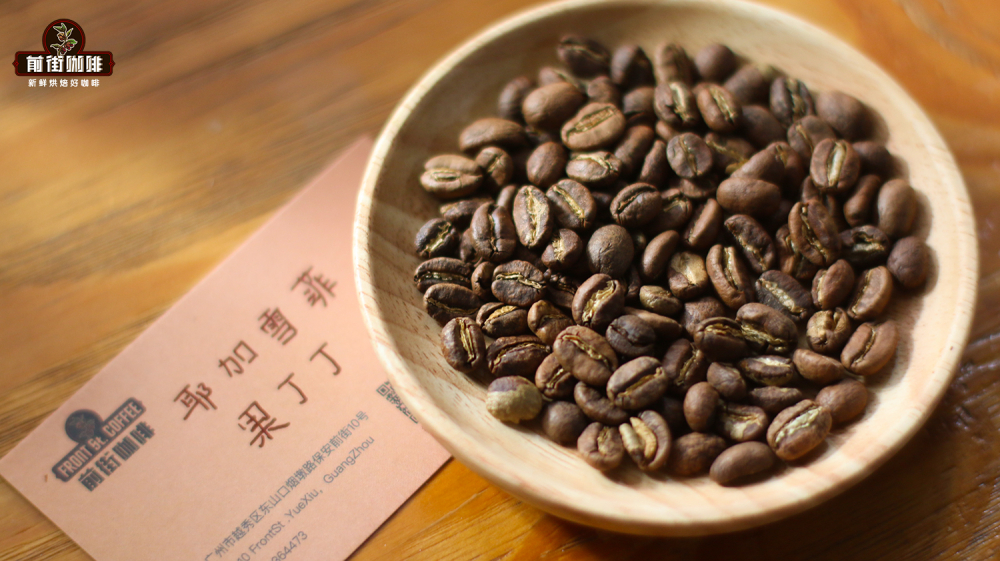
Given the characteristics of cold brew, it is recommended to prioritize high-quality coffee beans with a medium-light roast. Natural-process beans from the Yirgacheffe region of Ethiopia perform impressively; their high-altitude cultivation at 1850-2100 meters gives the fruit bright citric acidity and jasmine aroma. Honey-process beans from the Boquete region of Panama present honey sweetness and a black tea finish, particularly suitable for consumers seeking layered complexity. Notably, anaerobically fermented beans from the Pu'er region of Yunnan have emerged strongly in recent years, and their distinctive berry notes and full body perfectly match cold brew needs.
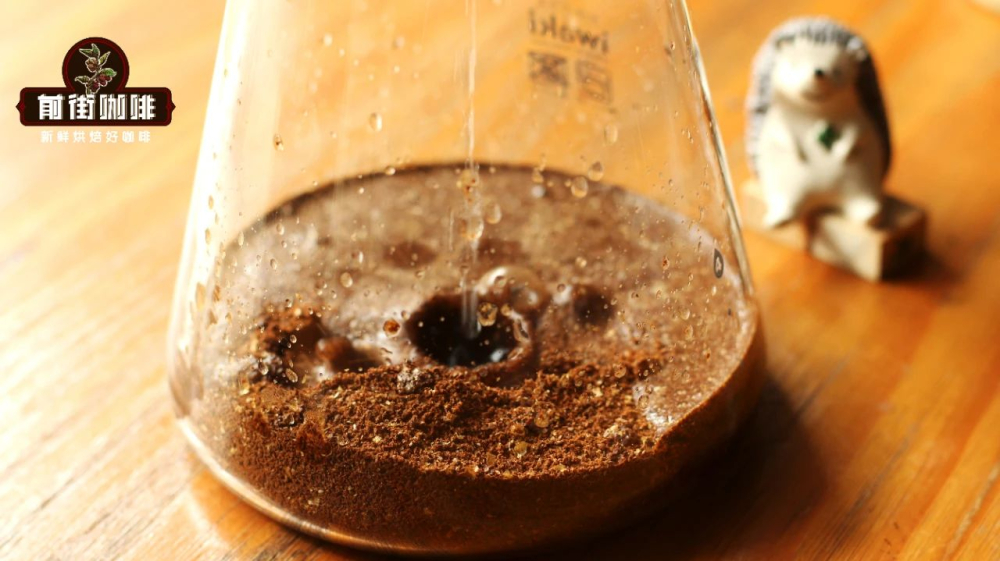
Practical tests show that Yunnan arabica coffee displays unique advantages in cold brew applications: medium acidity with red cherry flavors combined with a nutty base neither unbalances the overall profile due to sourness nor fails to stimulate the sweetness brought by caramelization through low-temperature slow extraction. It is recommended to control the grind size at the fine sugar level (70% passing rate through China standard No. 20 sieve), and the water level must fully submerge the coffee grounds to ensure even extraction.

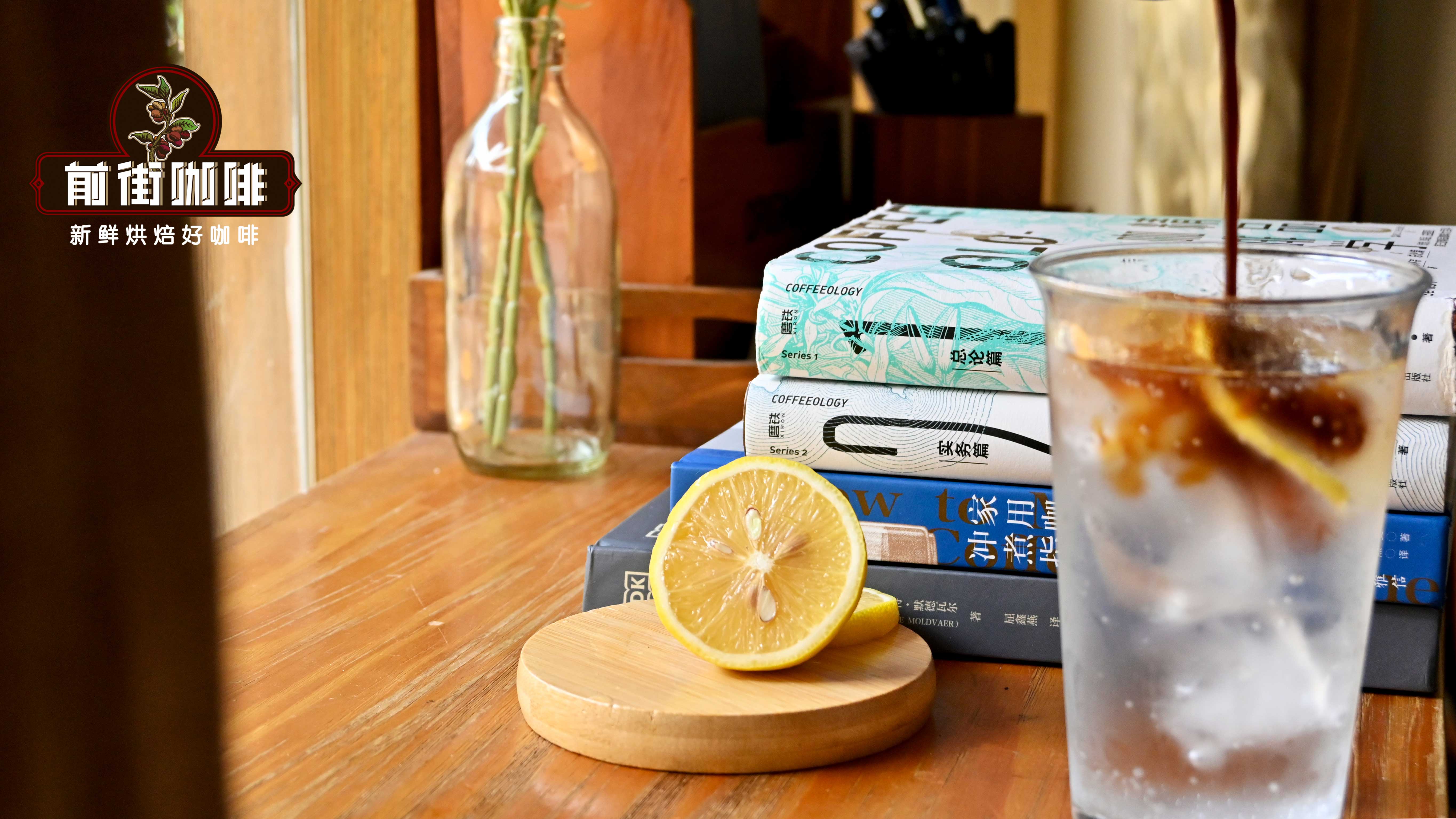
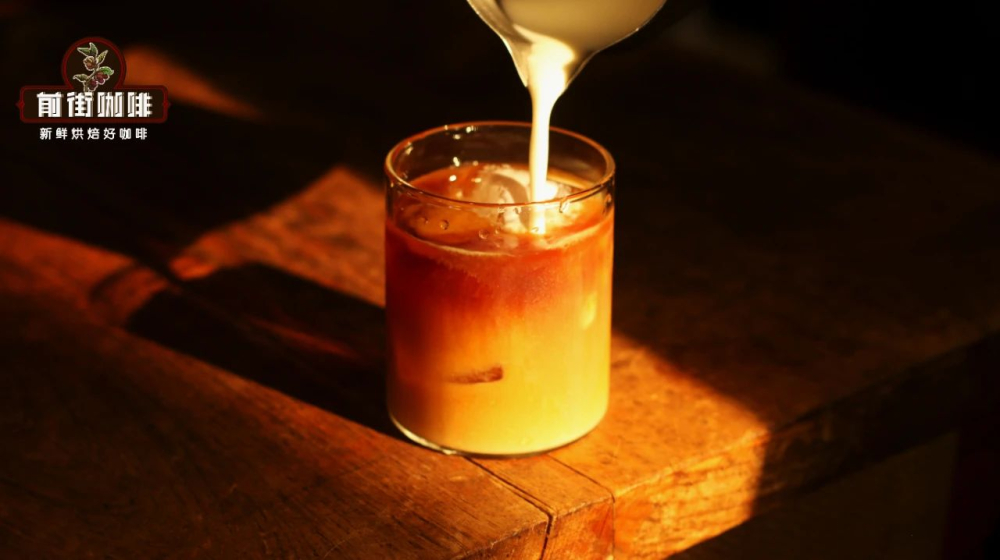
Advanced players can try creative mixing schemes: adding soda water can give the coffee liquid a champagne-like effervescence, and tests show this method can increase berry-type flavor intensity by 15%-20%; when pairing with whole milk, it is recommended to choose refrigerated fresh milk with a fat content of 3.8% or above, which, when mixed with dark-roast cold brew liquid, can form a dense crema; if you prefer an alcoholic flavor, you can add 3-5 ml of whiskey-barrel-aged coffee liquid, but be sure not to overdo it lest it mask the coffee's true flavor.

The storage stage directly affects the final experience. Unopened cold brew coffee can maintain its best flavor for 3-4 days at 0-4°C; glass containers with silicone sealing rings are recommended. Before drinking, place it in a 4°C refrigerator to slowly release for 10 minutes, which can effectively improve the over-fermented taste produced by prolonged standing. Special reminder: a single batch should not exceed three days' worth of consumption, to avoid quality decline caused by repeated refrigeration.
From a professional perspective, the success of cold brew coffee depends on three core elements: precise control of the coffee-to-water ratio, maintenance of a stable low-temperature environment, and reasonable management of extraction time. After mastering these basic parameters, consumers can adjust variables entirely according to personal taste preferences—for example, increasing grind coarseness can reduce bitterness, extending extraction time can increase body, and switching coffee beans from different producing regions can explore endless flavor possibilities.

This coffee-making method, combining convenience and professionalism, not only breaks the time and space limits of traditional drinking but also provides coffee lovers with an excellent opportunity for home practice. Whether it is an ice-cold black coffee to wake up in the morning or a creative special drink to accompany an afternoon meal, the cold brew craft can bring you a taste experience beyond expectations.