Honey Process vs Natural Coffee: Flavor Differences and Three Advantages of Honey Processing
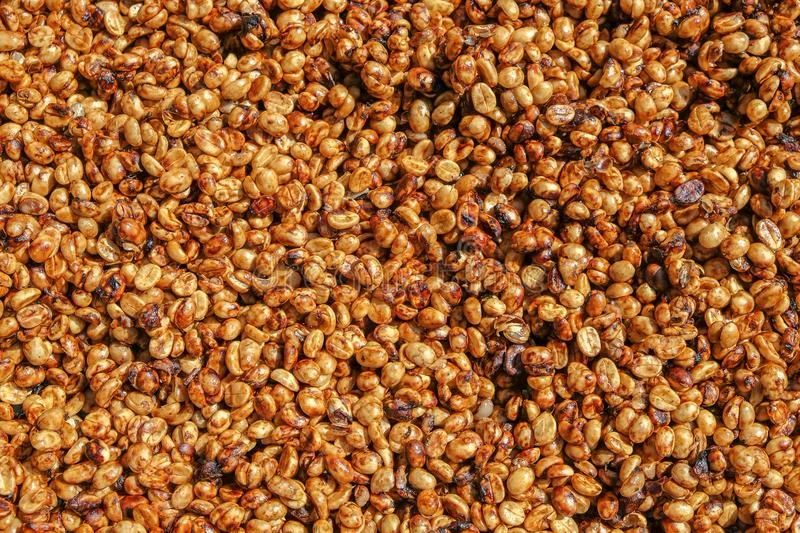
Introduction: An in-depth look at how honey-processed coffee is made, its flavor profile and how it differs fundamentally from the natural method. Originating in Costa Rica, the honey process precisely controls how much mucilage is retained, creating a unique flavor layer between washed and natural. This article explains the differences between yellow, red and black honey, with professional roasting parameters and pour-over recipes to help you choose the right coffee processing method.
Origins and Regional Development of the Honey Process
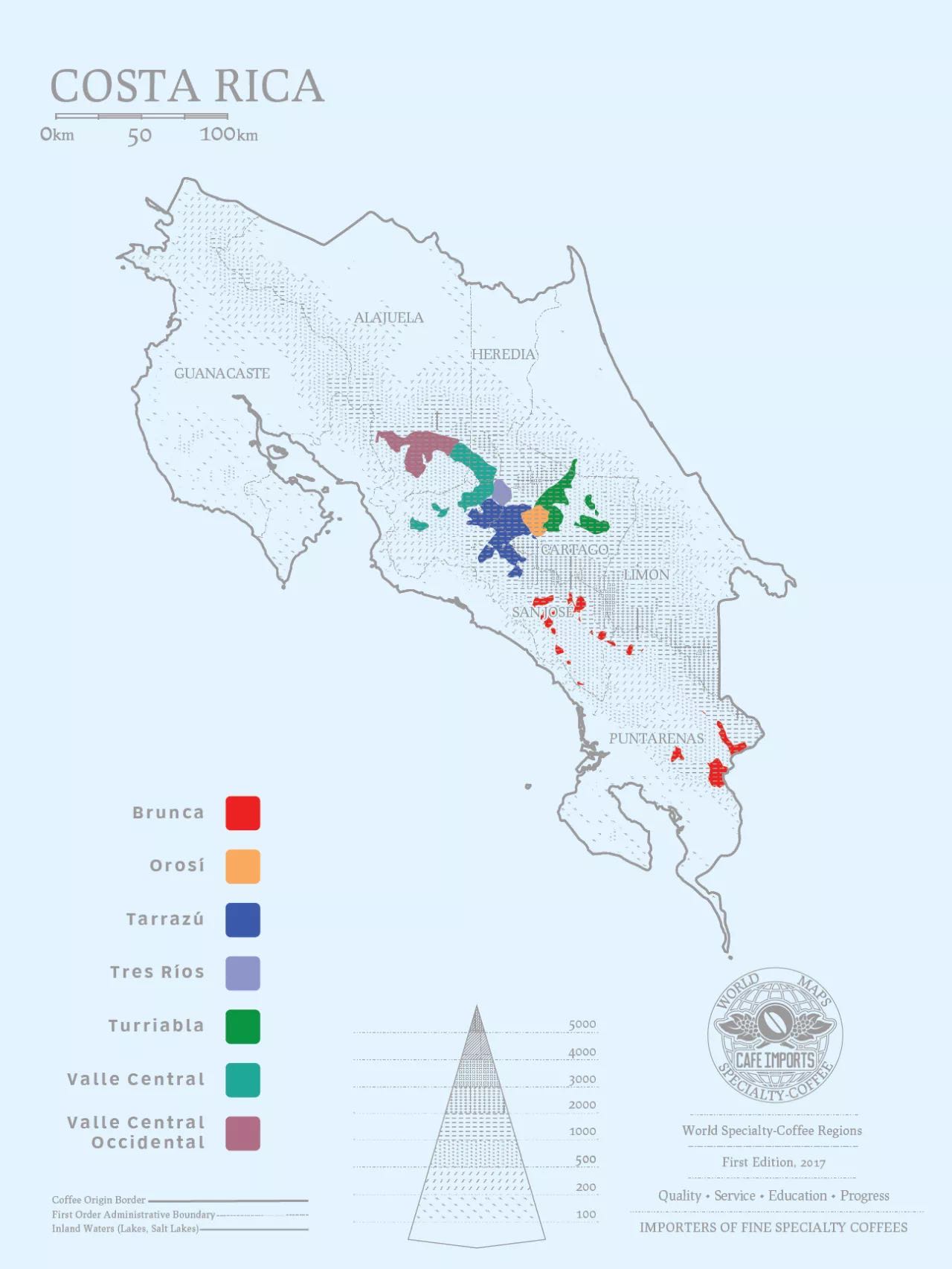
This processing method, born in Costa Rica's steep highlands, was originally created to solve the transport losses of the traditional washed method. Farmers in the mountains found that when coffee cherries were transported long distances down to processing plants, bumping and damage easily caused lower yields. Combined with buyers driving prices down at the time, this pushed them to develop honey processing, which requires no complex equipment. Today the method has spread throughout Central America, with each region developing its own variants—for example, some estates have developed anaerobic honey processing.
The Essence of the Process: A Balance Between Washed and Natural
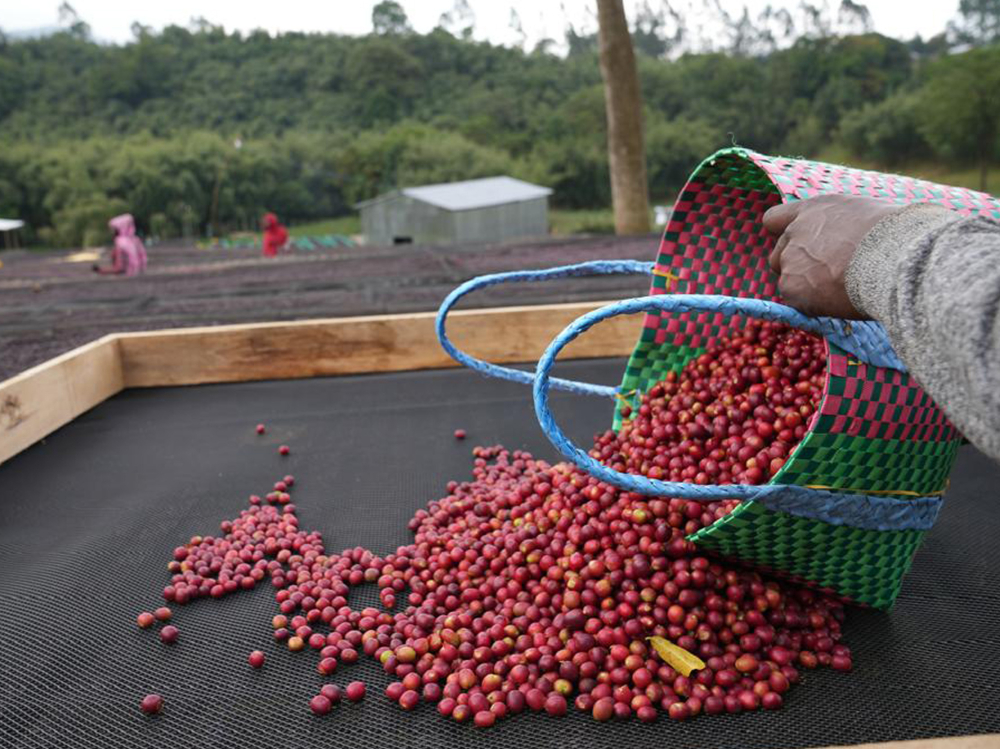
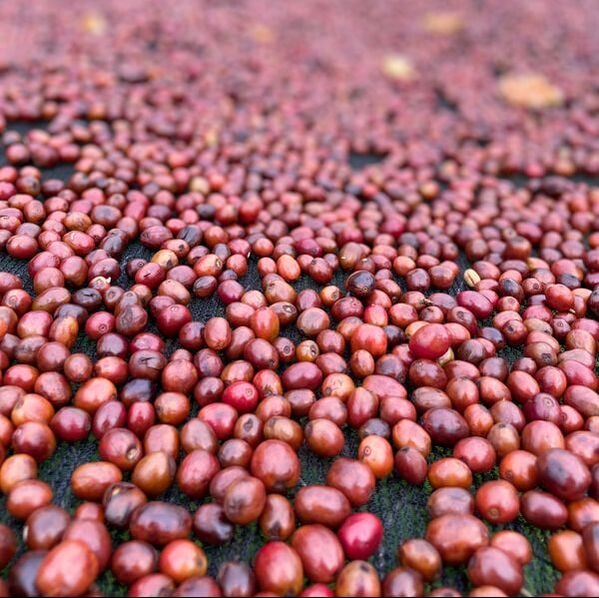
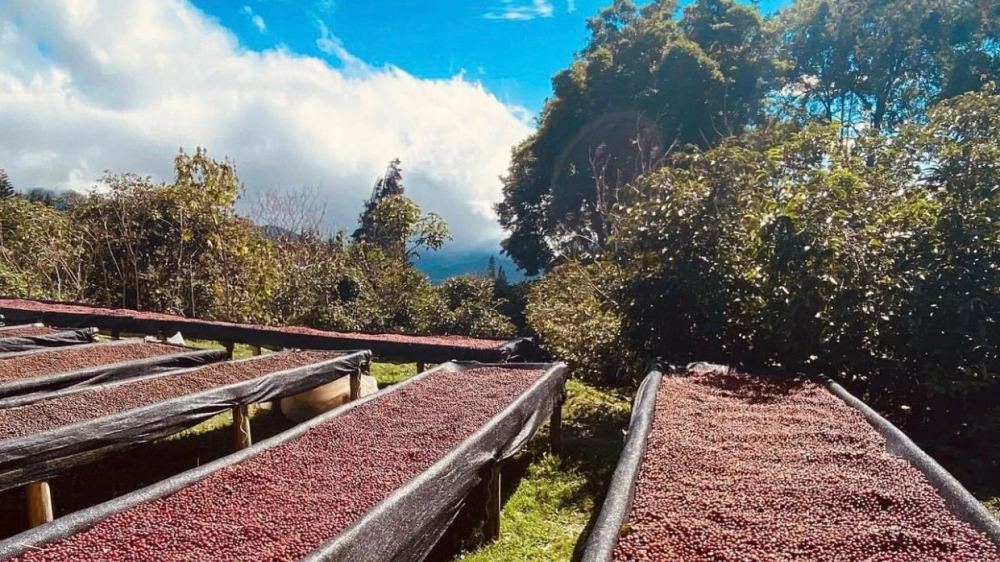
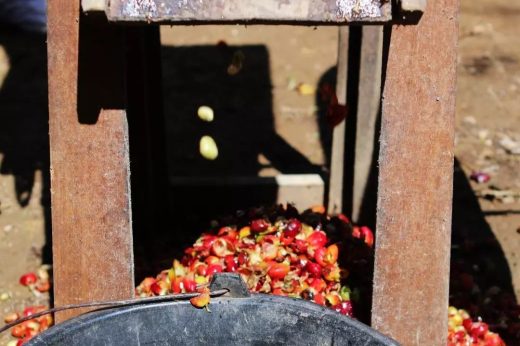
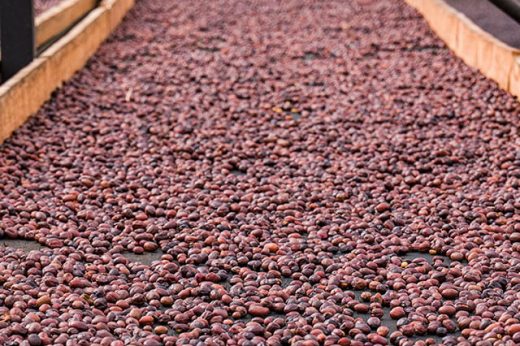
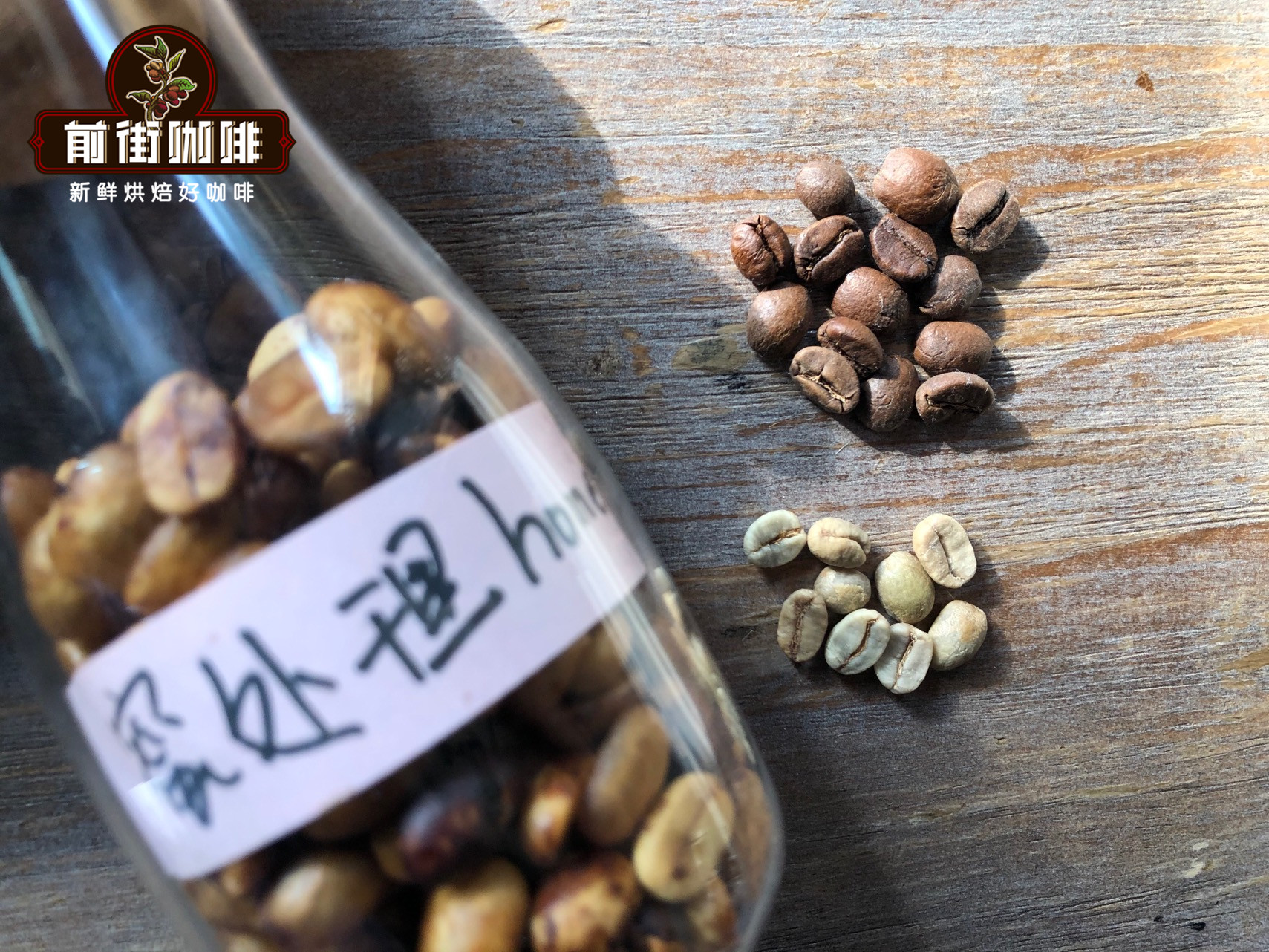
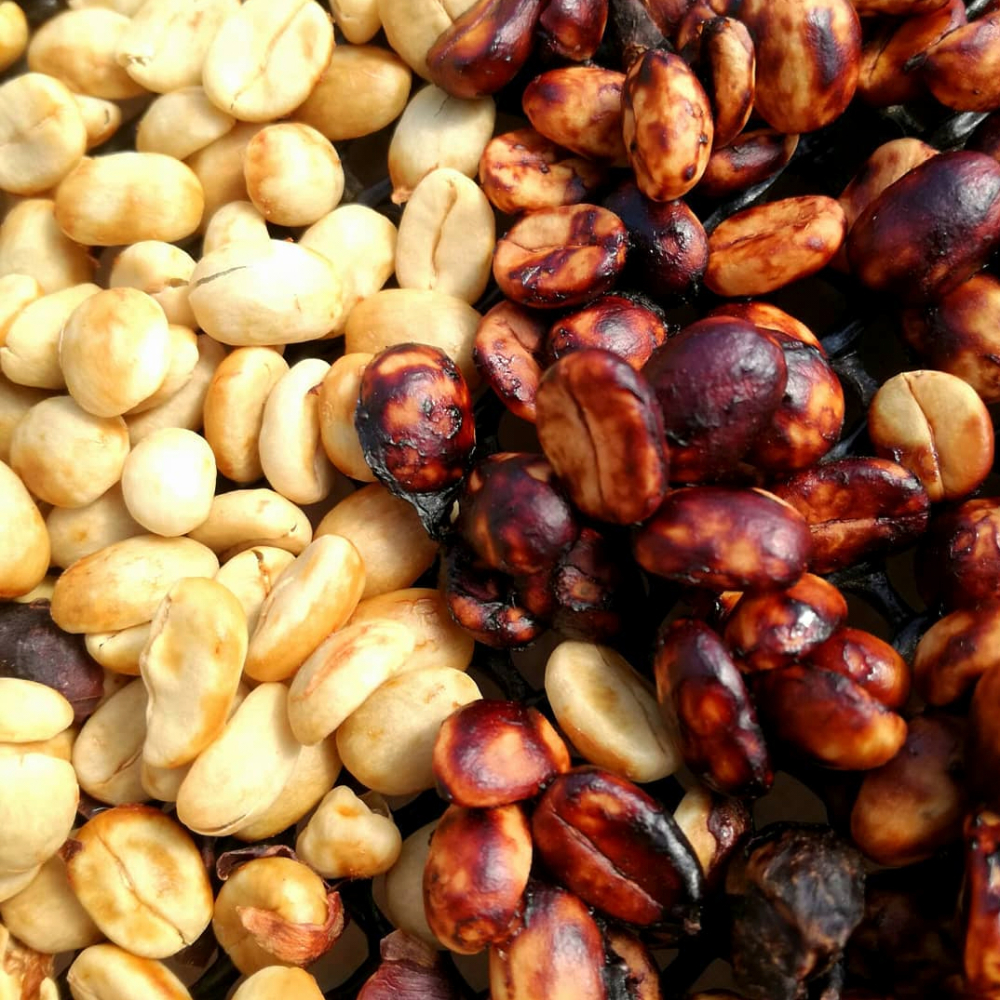
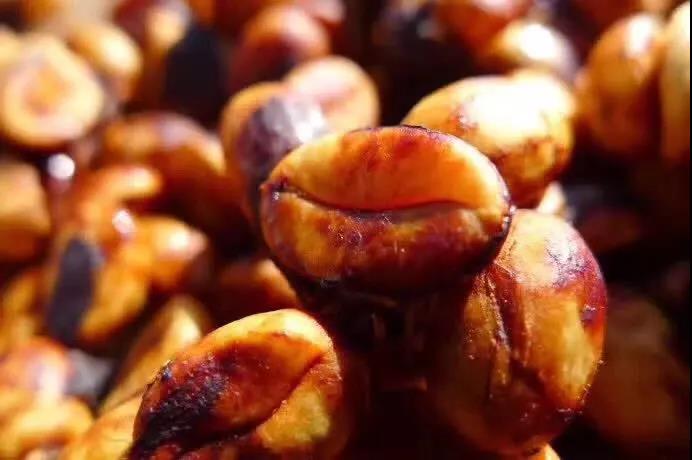
The name honey process comes from the sticky texture the mucilage attached to the parchment forms as it dries and loses moisture—similar to honey, but containing no bee products. The core steps are: float to remove defective beans → pre-dry on raised beds to 20% moisture content → mucilage retention treatment → final drying to 11%. The key difference from the washed method is that it skips the fermentation and demucilage step, directly retaining 20%–100% of the mucilage layer for sun drying.
Grading System: The Craft Code of Yellow, Red and Black Honey
A flavor gradient is created by controlling how much mucilage is retained:
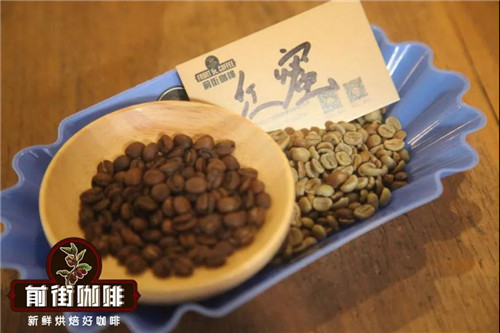
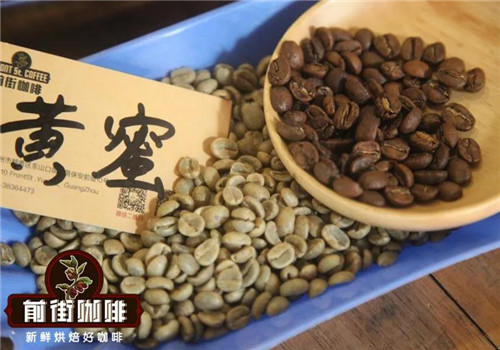
• Yellow honey: 40% mucilage removed, 8 days of strong sun drying, turned hourly to ensure evenness
• Red honey: 25% mucilage retained (actual practice may vary by 5%), 12 days of semi-shaded drying
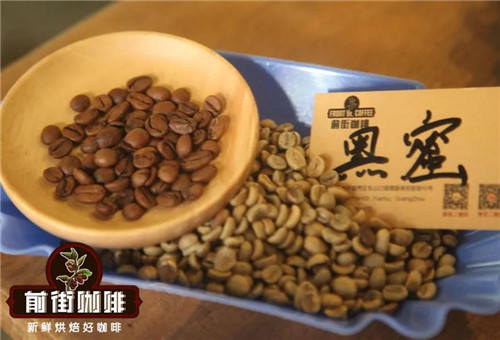
• Black honey: almost no mucilage removed (over 90% retained), requiring 14+ days of shaded slow drying
Note that for every 10% reduction in the mucilage layer, drying time shortens by about 1–2 days, but sweetness and body decrease accordingly.
Flavor Characteristics and Quality Risks
High-quality honey-processed beans show a balance of honey sweetness and berry notes, with mild acidity and better cleanliness than traditional natural. But process flaws can lead to over-fermentation, producing acetic acid or garlic-like off-flavors. Among the three grades, black honey has the greatest flavor complexity thanks to its intact mucilage layer, but its storage requirements are strict—it must be turned daily to prevent mold, and temperature and humidity at the drying site must be controlled within ±3°C.
Six Core Differences from the Natural Method
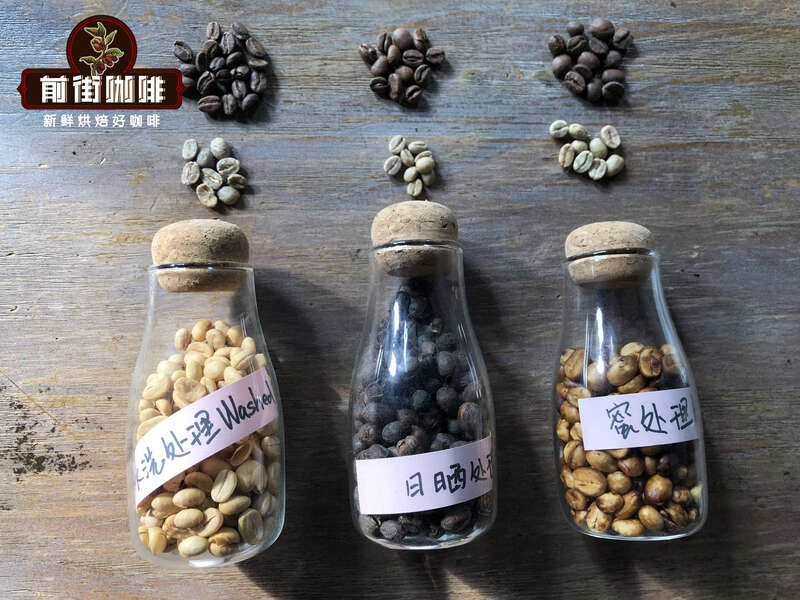
Compared with traditional natural processing:
1. Pre-treatment: honey processing always includes floatation to remove defects, while natural may include unripe beans
2. Drying basis: honey processing controls mucilage retention to adjust sweetness, while natural relies on whole-fruit fermentation
3. Time efficiency: honey processing usually takes 10–14 days, natural takes 21–28 days
4. Flavor: honey processing has brighter acidity, while natural shows winey and explosive tropical fruit
5. Risk control: honey processing fermentation risk is concentrated in the mucilage layer, while natural is prone to contamination by wild microbes
6. Equipment needs: honey processing requires precise turning tools, while natural relies on large drying areas
Professional Processing Parameters Comparison Table
• Key honey processing milestones:
- Initial moisture content: fresh cherry 65% → 20% after pre-drying
- Final moisture content: 11%±0.5%
- Mucilage retention range: 20%–100%
• Core natural processing indicators:
- Average drying time: 21 days (Ethiopian region)
- Moisture control: 11%–12%
- Turning frequency: once every 2 hours
Practical Advice: Buying and Brewing Guide
Beginners should start with red honey for balanced flavor, while more advanced drinkers can try black honey to experience the layered changes. Brewing parameters for reference:
- Coffee-to-water ratio 1:15–1:17
- Water temperature 90–92°C (black honey can drop to 88°C)
- Grind: medium-fine (80% passing a Chinese standard No. 20 sieve)
Special note: honey-processed beans oxidize more easily due to residual mucilage, so it is recommended to use them within 14 days of roasting.
Flavor Comparison Experiment Data
Using Costa Rican SHB-grade beans as an example:
• Natural: berry aroma intensity 4.2/5, sweetness duration 28 seconds
• Black honey: caramel finish intensity 3.8/5, body score 8.5/10
• Yellow honey: cleanliness score 9.2/10, acidity brightness 4.0/5