Is Coffee Sourness Normal? Causes, Quality Acid Beans, and Pour-Over Parameters
Introduction: Many people are startled by the sourness in their first cup of black coffee, and some even suspect the coffee has gone bad. In fact, coffee naturally contains fruit acids, and acidity is an important part of coffee flavor. This article explains in detail where coffee sourness comes from, distinguishes good acidity from bad, and recommends coffee beans with different acidity profiles. It also offers pour-over parameter adjustment tips to help you find the acidity balance that best suits your taste.
Coffee lovers often remember their first impression of coffee as "bitter," but acidity is in fact a crucial part of the coffee flavor wheel. From beginners just getting into pour-over to office workers who regularly drink Americanos, many people are surprised by the pronounced sourness in their first taste of black coffee, and some even wonder whether the cup has spoiled. In fact, there is no need for such worry—coffee naturally contains fruit acids, and acidity is not only normal but a key indicator for evaluating a coffee bean's flavor complexity.
Coffee beans from different origins have markedly different flavor characteristics. The world's main coffee-growing regions fall into three areas: Asia, Africa, and the Americas. Beans from Asian origins such as Indonesia and Yunnan are usually full-bodied and mellow, with woody and earthy notes; African origins, represented by Kenya and Ethiopia, often show bright acidity and rich fruit aromas; American origins such as Brazil and Colombia tend toward low-acid, mellow styles with nut, caramel, and chocolate notes. Understanding these basic regional characteristics helps you quickly identify the types that match your taste preferences when choosing coffee beans.
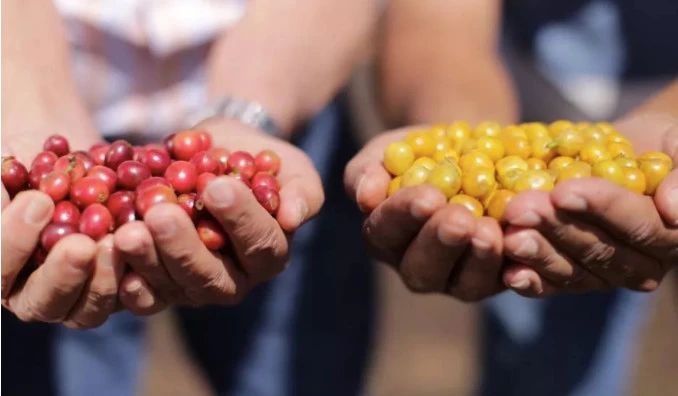
Starting from a bright red coffee cherry, the seed inside the fruit has its pulp removed by washing or sun-drying to become a green unroasted bean. After roasting, the bean gradually turns brown and even dark black while releasing complex aromatic compounds. Notably, coffee itself contains a variety of natural organic acids, such as citric acid and malic acid, and these components form the basis of coffee acidity. Therefore, the vast majority of coffee beans have a slight acidity, which is a normal phenomenon.
Acidity can be divided into "good acidity" and "bad acidity." Good acidity usually appears as fresh, lively citric, berry, citrus, or wine-like acidity; this kind of acidity brings a bright mouthfeel reminiscent of fresh fruit and enhances the coffee's overall flavor complexity. In contrast, unpleasant acidity includes sharp acetic acid, over-fermented musty sourness, rotten sourness, sweat-like lactic acid, and disagreeable putrid sourness. These negative sour sensations often stem from defects during the coffee bean's cultivation, processing, transport, storage, or roasting, and once present, they can easily ruin the drinking experience of the whole cup.
If you are new to coffee and not yet used to sourness, it is advisable to prioritize beans with medium or low acidity, such as some beans from American origins or medium-dark roasts, so your palate can gradually adapt to coffee's diverse flavors. As your tasting experience grows, you can try more challenging types of acidity, such as coffees from Ethiopia's Yirgacheffe and Sidamo regions. These areas are known as the "birthplace of coffee" and possess extremely rich coffee genetic diversity; their washed Yirgacheffe is renowned for bright lemon-citrus notes, while sun-dried Sidamo often shows a fusion of berry notes and a full body.
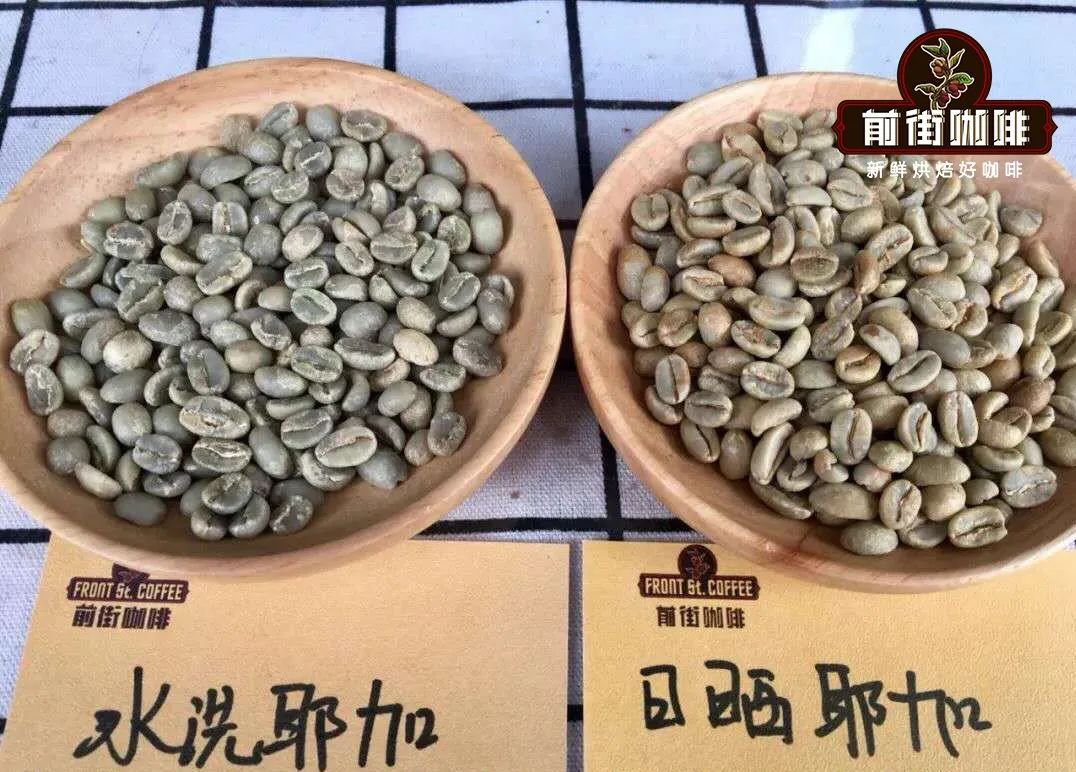
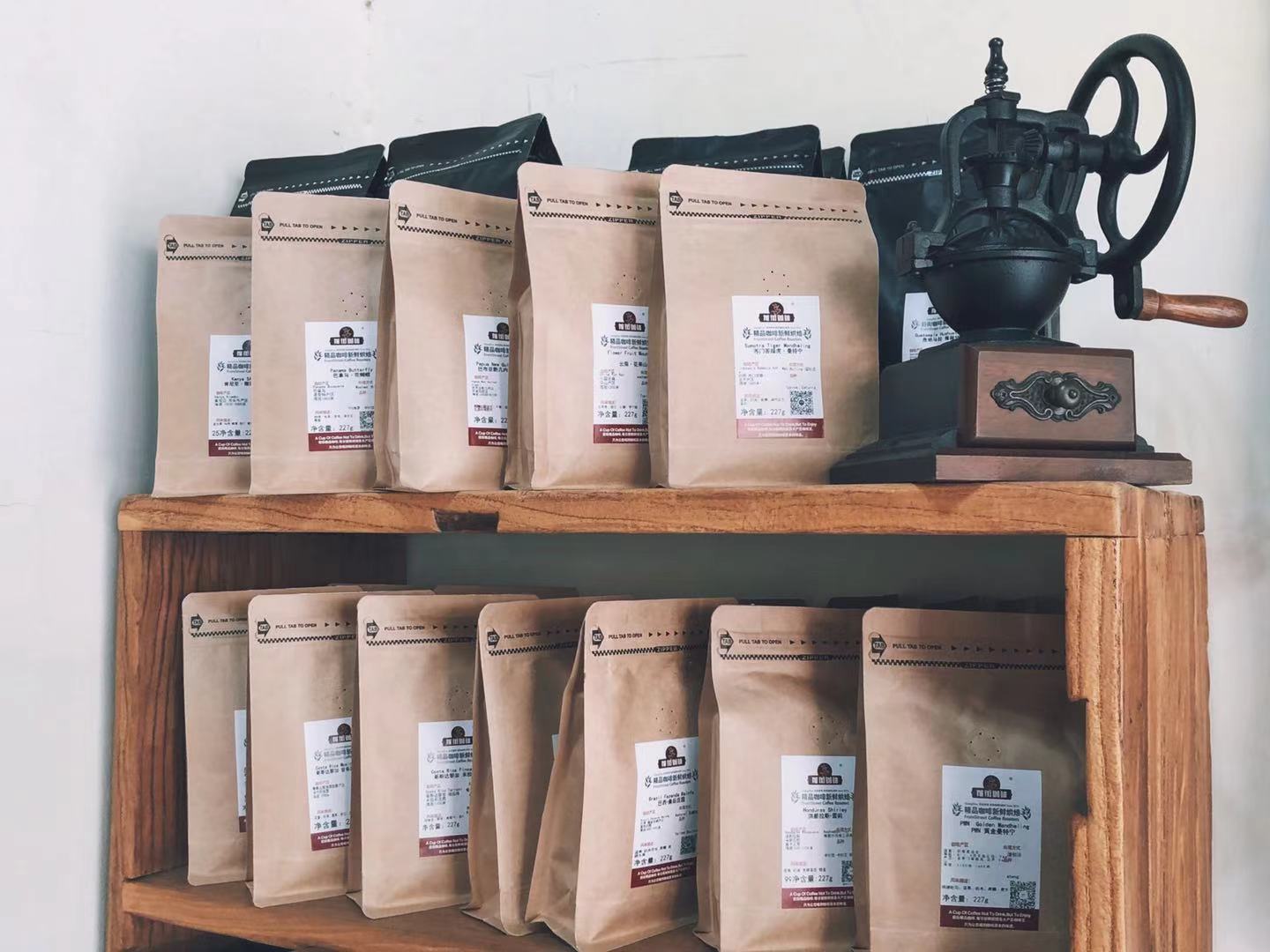
If you prefer a low-acid, balanced flavor, you can choose beans with moderate acidity and higher body, such as Indonesian Golden Mandheling, Honduran, or Brazilian sun-dried beans. These coffees are often dominated by nut, cocoa, and caramel notes, with soft acidity, making them more suitable for coffee beginners. At the same time, coffee's acidity is closely related to roast level: light roasts preserve more original acidity and highlight fruity and floral notes, suitable for drinkers seeking fresh acidity; medium-dark to dark roasts suppress acidity and strengthen caramelization reactions, bringing a heavier body and sweetness, as in beans from Colombia's Huila region, which often use this roasting strategy.
Besides origin and roast level, brewing method also significantly affects coffee's sourness. When brewing pour-over at home or using a coffee machine, you can effectively control acidity intensity by adjusting the following variables: for water temperature, it is recommended to keep it between 90 and 92 degrees Celsius; excessively high temperatures (such as above 95°C) will significantly suppress the release of acidity; the finer the grind, the relatively weaker the sourness, and vice versa the sourness is more prominent, so you can moderately fine-tune the grind to balance flavor; increasing the amount of water helps highlight sweetness and reduce the sharpness of acidity, so try adding an extra 20 to 50 milliliters of water per brew; extraction time is also related to how sourness presents—shorter extraction makes acidity more obvious, while longer extraction tends toward a bitter-sweet balance, but avoid over-extraction, which causes astringency.

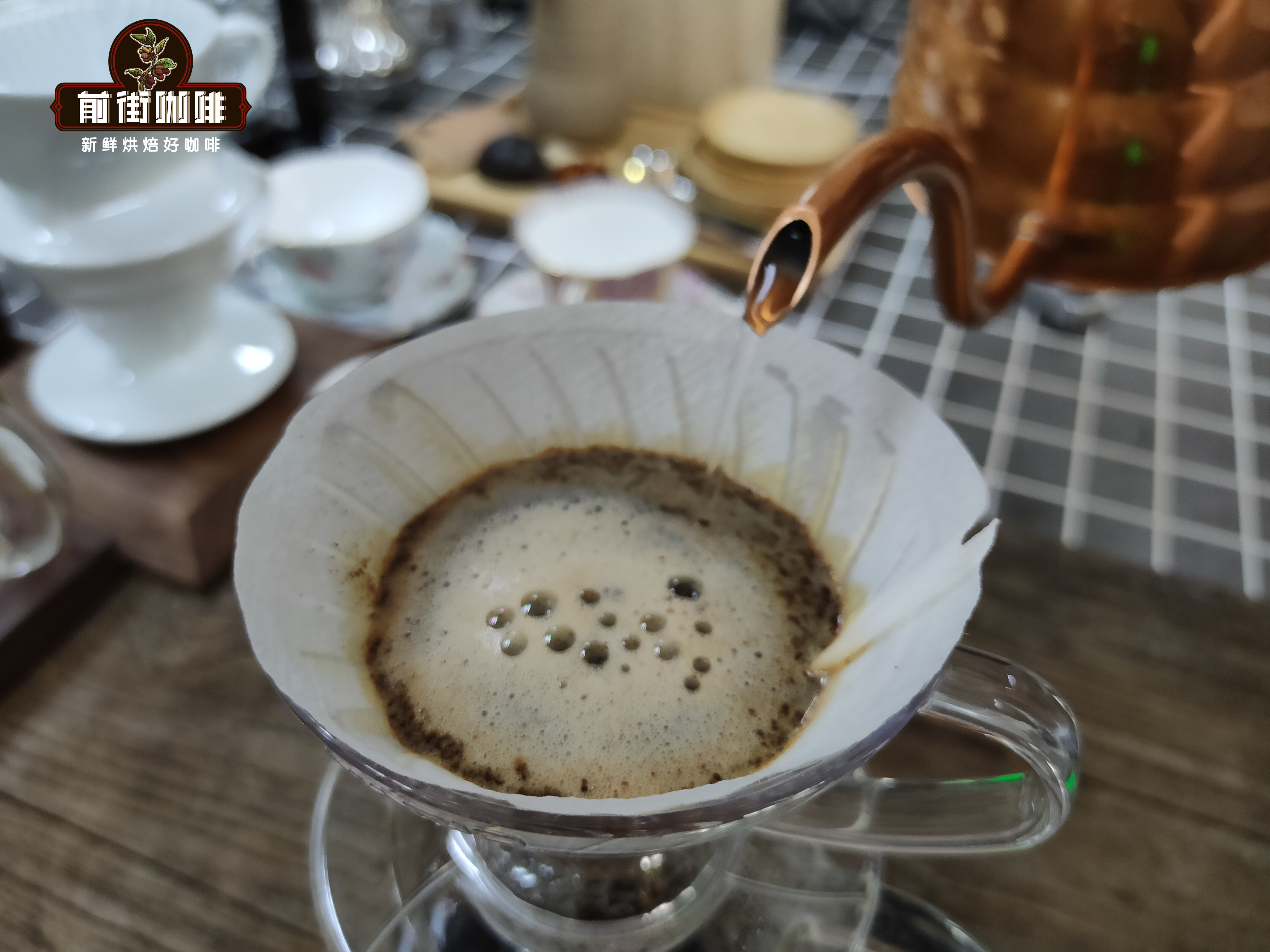
Taking a common high-acidity Central American coffee bean as an example, here is a stable and easy-to-follow pour-over recipe: use a V60 dripper, 15 grams of grounds, a 1:15 coffee-to-water ratio, and 90°C water. In the first step, use 30 grams of water for a 30-second bloom to form a "hamburger-shaped" bed; in the second stage, at 54 seconds, pour in 125 grams of water, and when the water level drops to two-thirds of the bed, begin the third pour; finally, at 1 minute 40 seconds, pour the remaining water up to 225 grams, with total extraction time controlled at 2 minutes 10 seconds. These parameters effectively bring out the coffee's lively acidity, berry aroma, and layered finish, and are suitable for most medium-light roasted quality acid beans.
In summary, coffee's sourness is not a defect but part of its rich flavor. By understanding how origin characteristics, roast level, and brewing parameters interact, you can not only distinguish good acidity from bad but also find the cup that best suits your personal taste preferences.


