Ethiopian Coffee Grading Explained: Choosing G1, G2, G3, Washed and Natural
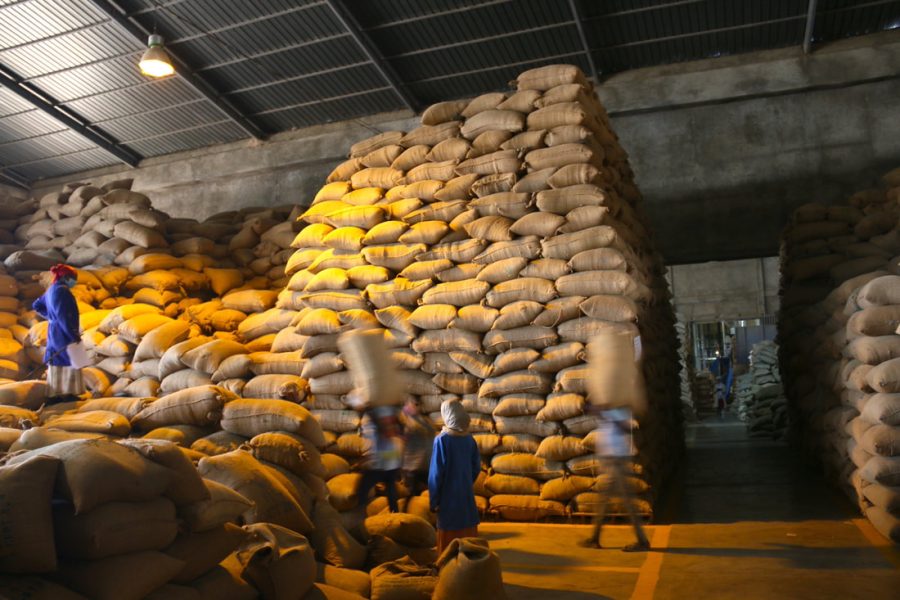
Introduction: As the birthplace of specialty coffee worldwide, Ethiopia has a unique G1–G9 grading system that often confuses consumers. This article thoroughly breaks down the logic of Ethiopian coffee grading, reveals the differences between washed and natural processing, and explains in detail the flavor characteristics of top-grade G1 beans. Through cupping data and processing comparisons, it helps you master the key indicators for selecting high-altitude heirloom coffees.
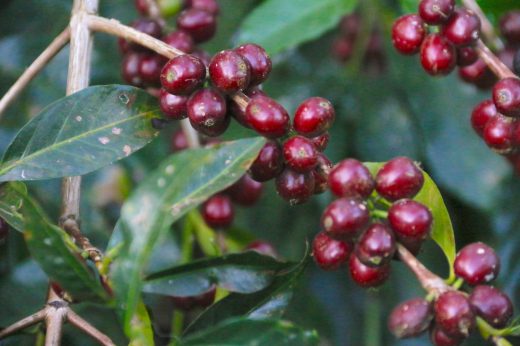
When people mention Ethiopian coffee, they always think of its signature citrus notes and floral and fruity aromas. In this East African country of coffee origin, about 15% of the population depends on the coffee industry to survive, and the local deep-rooted coffee-drinking tradition means nearly half of the country's coffee is consumed domestically. It is worth noting that, limited by the level of technology and wild-variety protection policies, Ethiopian coffee tree varieties are generally referred to collectively as "heirloom," which actually includes two major categories: JARC research varieties and wild landraces—the latter may exhibit completely different genetic characteristics depending on the growing region.

Field observations have found that coffee varieties in adjacent plantations may differ significantly. Industry estimates place the number of Ethiopian heirloom varieties between 2,000 and 4,500, far beyond common perception. Unlike the plump bean shape of Kenyan SL28 and others, Ethiopian coffee beans often look slender, yet their flavor performance is extremely outstanding: professional cupping has verified that most samples show intense limonene and linalool aromas, accompanied by a distinct berry-like sweet-tartness.
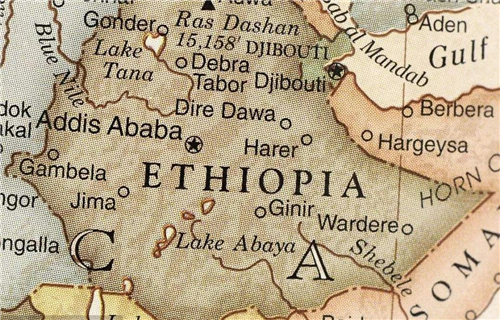
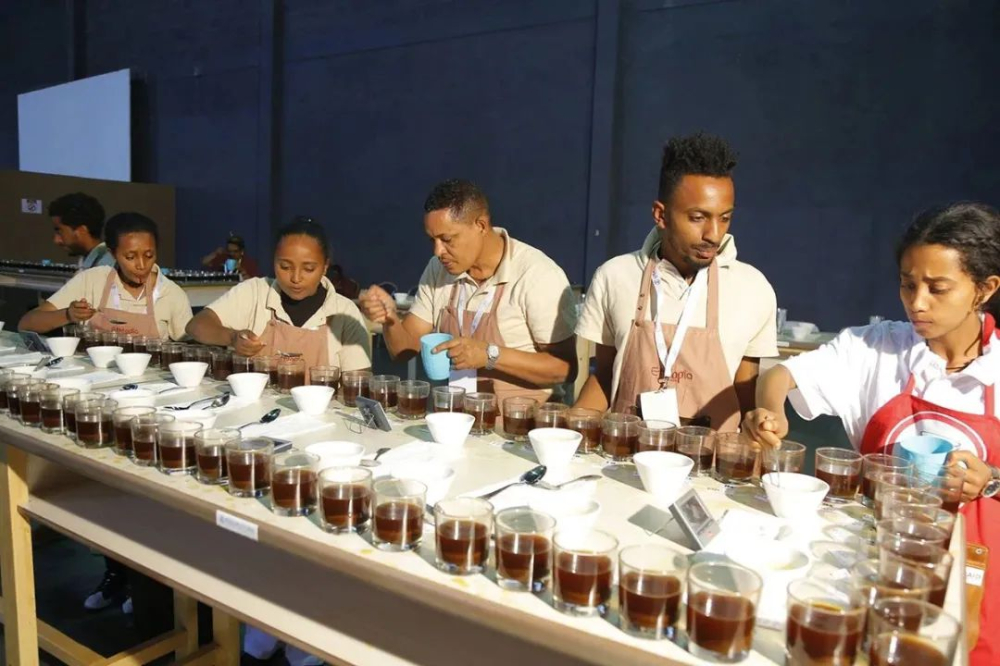
Take the TOH washed-group champion bean from the Guji area of Sidamo as an example: its dry aroma presents dense white flowers and a complex citrus note, while the wet aroma turns into a bright grapefruit freshness. Professional cupping records show that this bean reveals layered flavors of jasmine, lemon, and black tea four minutes after extraction, with acidity brightness more than 30% higher than ordinary natural beans. This trait comes from the precise removal of the pectin layer in washed processing, which allows the flavor compounds of the high-altitude Uraga area to be fully preserved.
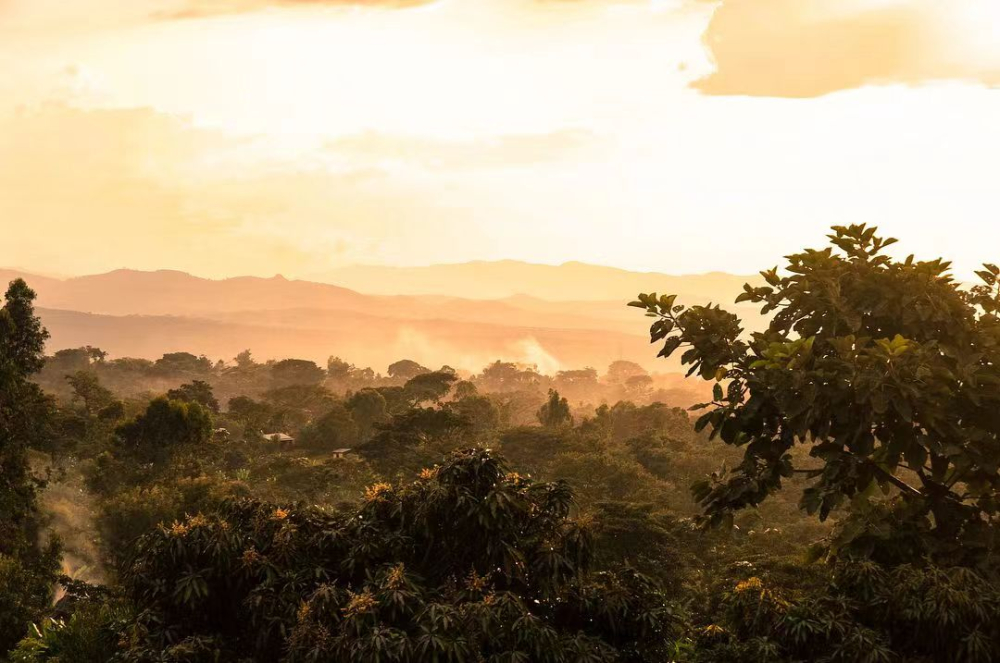
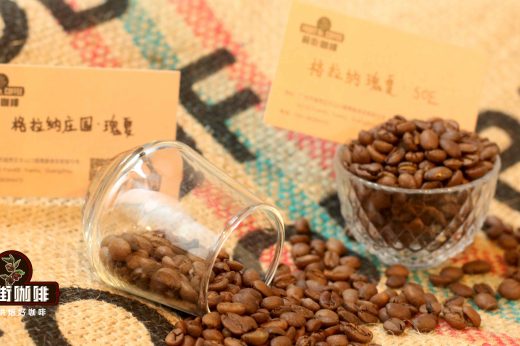
However, Ethiopian coffee beans have obvious physical defects: uneven particle size in heirloom varieties easily leads to underdeveloped beans during roasting, and the natural-processed G3 Harrar beans in particular often show color differences. Yet these appearance flaws do not affect core flavor quality, and professional roasters recommend adjusting the roast temperature curve (for example, lowering the development phase to 10°C/min) to improve roasting uniformity.
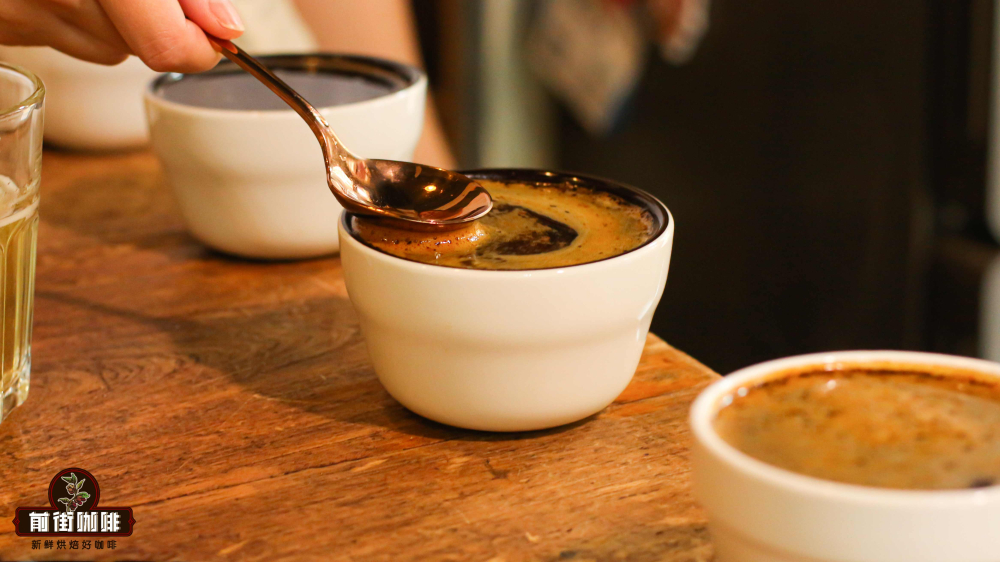
To solve the problem of quality fluctuation, the local industry has implemented quality improvement programs such as the "Red Cherry Project." This program uses manual selection of fully ripe coffee cherries (sugar content ≥22°Brix) together with shade-tree cultivation to reduce sun damage, keeping the cupping scores of high-quality washed lots consistently above 85. Practical tests show that natural beans processed through this program have 15%–20% more sweet-tasting compounds.
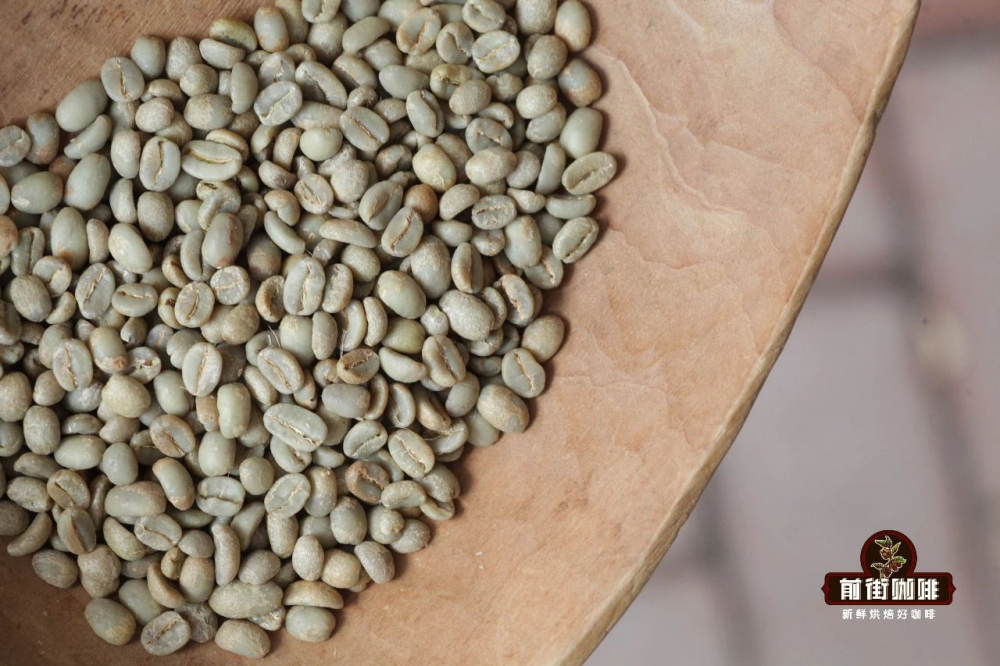
Ethiopia's grading system is unique: unlike other countries that grade by bean size, its core standards focus on moisture content (≤11.5%) and physical integrity (more than 85% of beans ≥14 mesh). The specific grading process includes three major stages:
1. **Pre-processing classification**: distinguishing washed from unwashed processing
2. **Nine-level initial assessment**: dividing into G1 to G9 grades based on 40% physical indicators (washed group includes defect count 20% + size 10% + color 5% + odor 5%) and 60% cupping performance (cleanliness 15% + acidity 15% + body 15% + flavor 15%)
3. **SCAA re-testing**: applying an 85-point threshold screening to the G1–G3 groups, where ≥85 points is designated Q1 specialty grade, 80–85 points is Q2 premium grade, and below that is downgraded to G3
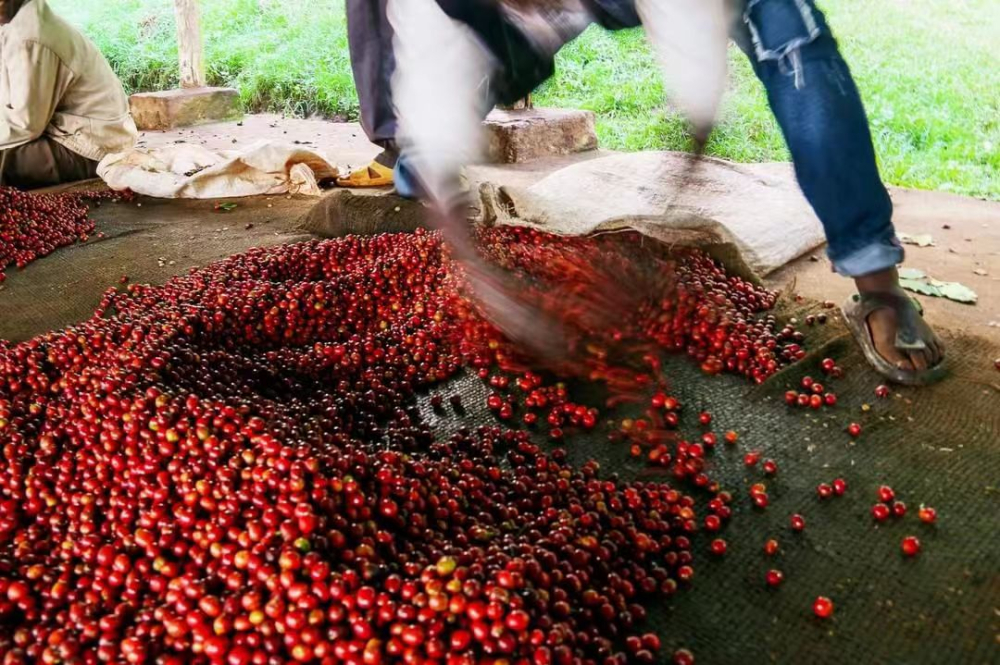
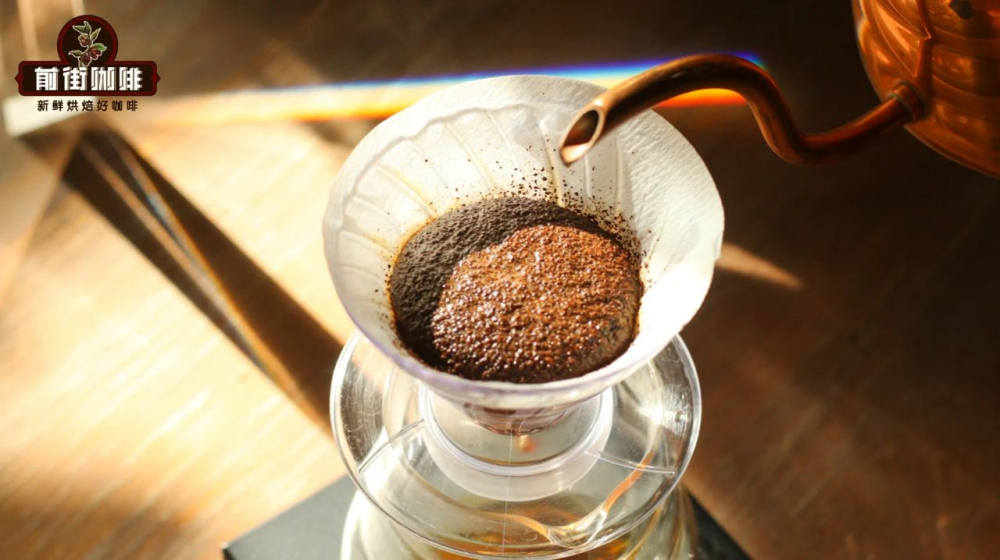
Actual tasting data shows that G1 washed beans (such as samples from the Yirgacheffe area) have a dry aroma dominated by passion fruit acidity (42%), and during the wet aroma stage release 27% more berry aromatics than G2. Recommended professional pour-over parameters: use a V60 dripper (#01 model), a 1:15 coffee-to-water ratio, and a water temperature of 90–91°C to maximize its 14%–16% citric acid conversion rate. Comparative experiments show that natural-processed beans from the same area have 18%–22% more sweet-tasting compounds (such as glucose content) than washed beans, but their body varies by as much as ±15%.
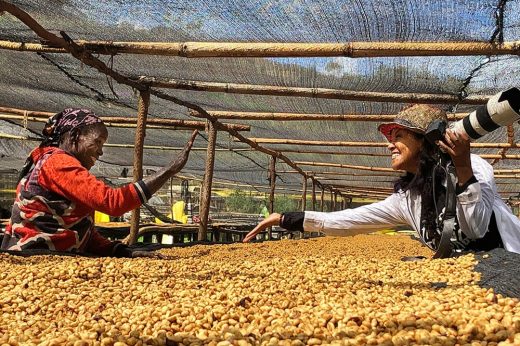
Processing differences directly affect the final flavor: washed processing removes the fruit pulp layer and retains more floral base notes (32 volatile aromatic compounds detected), while natural processing extends drying time (usually 18–21 days) to promote sugar penetration, forming a unique oolong tea finish. When buying, consumers should note that washed beans labeled "G1" usually have clearer regional characteristics, while high-quality natural beans are better suited to drinkers seeking balanced sweetness.
Professional brewing reference:
• **Washed beans**: grind to 80% passing a No. 20 sieve, bloom with 30ml of water for 30 seconds, then pour in stages to a total of 225ml
• **Natural beans**: extending the bloom time to 45 seconds is recommended to improve the extraction efficiency of sweet-tasting compounds
The ideal extraction yield range for both bean types is 18%–22%, and TDS concentration is recommended to be kept between 1.15% and 1.35%.