Sun-Dried Coffee Beans: Picks and Pour-Over Guide, Natural vs Washed Processing

Introduction: Want to enjoy flavourful sun-dried coffee beans as pour-over? Understanding the differences between the two mainstream coffee processing methods—natural and washed—not only helps you choose beans better suited to pour-over flavours, but also lets you more deeply appreciate the unique aromas and mouthfeel each method brings. This article explains the characteristics of both processing methods and recommends several sun-dried coffee beans that are well suited to pour-over and stand out for flavour, helping you find the one you like.
Beyond origin and variety, processing is one of the key factors affecting a coffee's aroma and mouthfeel. The most common methods today are the natural method and the washed method, and the two differ significantly in their procedures, fermentation levels and the flavours they ultimately present.
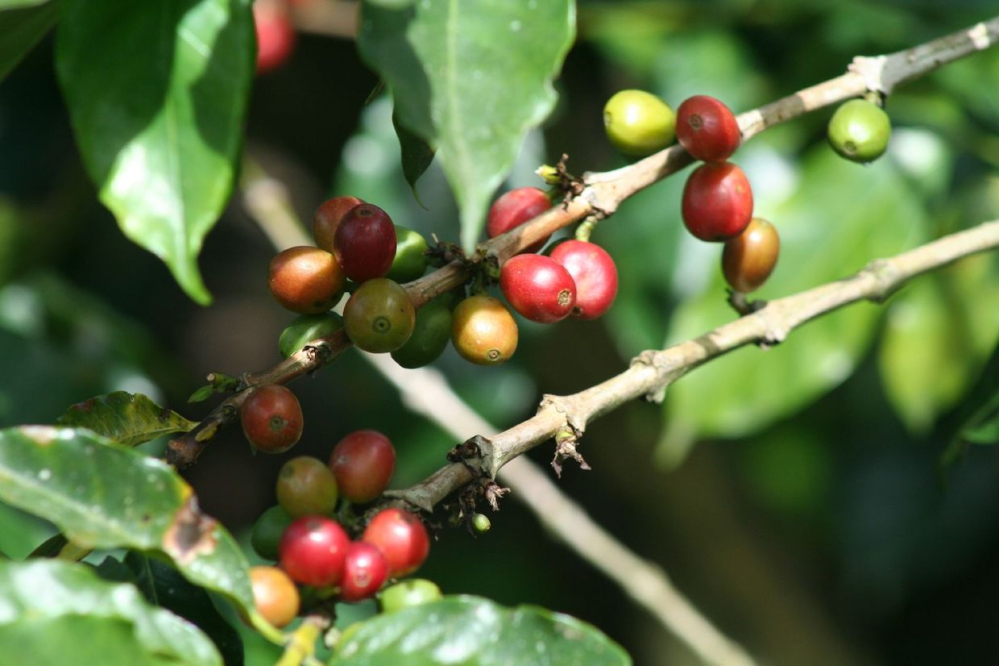
The natural method is one of the most traditional ways of processing coffee. Harvested coffee cherries are first sorted to remove unripe fruit and impurities, then spread directly in the sun; the whole drying process usually lasts 2 to 3 weeks, sometimes even longer. During this period the mucilage layer remains attached to the seed, giving the final beans noticeable sweetness and layers of fermentation. The fermentation level in natural processing is greatly affected by the weather, and controlling the temperature and humidity of the environment is especially important to avoid over-fermentation that causes off-flavours. Traditional practice often uses raised drying beds, a design that not only aids ventilation but also avoids ground moisture and contamination from soil. Through long natural drying and fermentation, natural coffees usually show rich fruit notes, especially tropical fruit, with more pronounced sweetness.
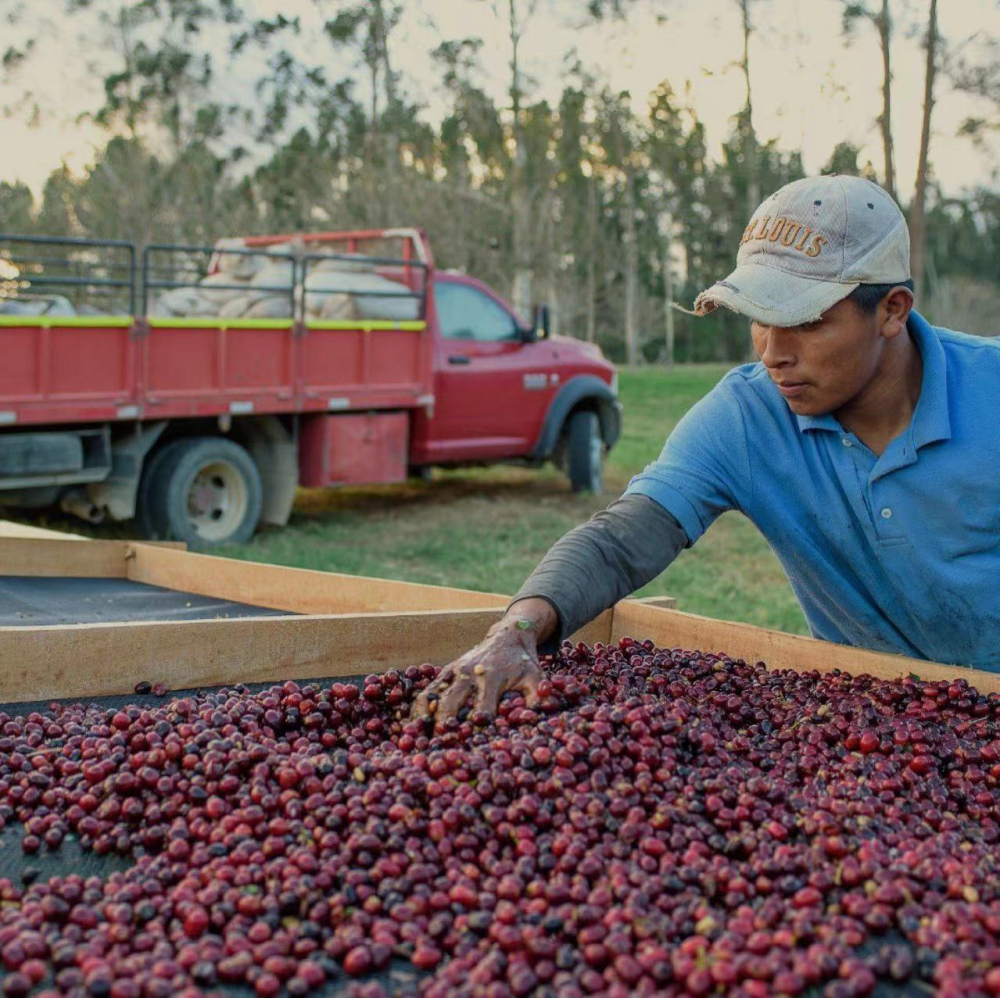
By contrast, the washed method focuses on thoroughly separating the mucilage from the seed, then using fermentation and washing steps to emphasise clean, bright acidity and clear layers of mouthfeel. In the washed process, after the coffee cherries are picked and sorted, the outer skin and pulp are first removed, leaving only the seeds with their mucilage, which are then soaked in water to ferment. This fermentation stage usually lasts about 24 to 30 hours, relying on natural microorganisms and enzymes to break down the mucilage layer, which is then removed by rinsing with clean water. Some washed processes also use dry fermentation, meaning the beans are piled to ferment without water soaking and the mucilage residue is washed off afterwards. After fermentation, the beans usually still need to be sun-dried or machine-dried to prevent mould. Washed coffees usually have clearer, milder flavours with bright acidity and an overall clean presentation, making them a suitable introductory choice for understanding a region's "basic flavour".
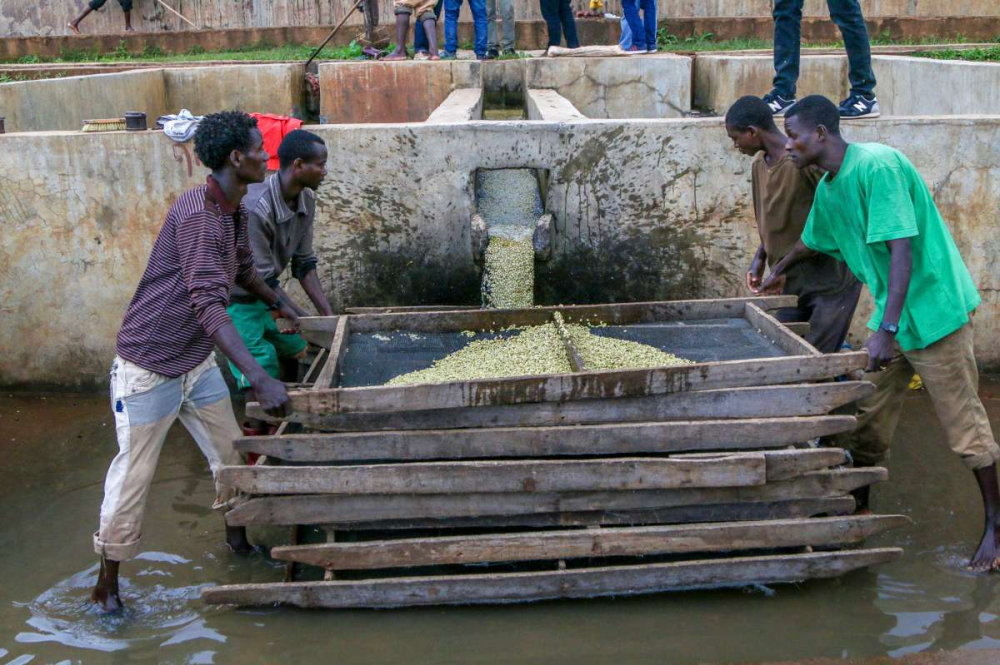
Although the washed method highlights a region's true character, natural processing often adds more complex aromas on top of it, such as fruitiness, sweet aromas and layers of fermentation. So for pour-over lovers who enjoy rich flavours and changeable layers, sun-dried coffee beans are a direction more worth exploring.
If you are new to pour-over coffee, or want to try more flavourful sun-dried beans, you might start with the following sun-dried coffees that have received excellent feedback in the market. They each have distinctive flavour profiles and also suit a range of pour-over extraction parameters, making them suitable for everyday brewing and tasting.

The first coffee comes from the Yirgacheffe region of Ethiopia, grown at altitudes of 1,700 to 2,200 metres, using local native varieties and traditional natural processing. This coffee usually gives off distinct floral, citrus and berry aromas, with a finish of soft fermented aroma like black tea; overall sweetness is prominent and the acidity is bright without being sharp, making it very suitable for pour-over after a medium-light roast.
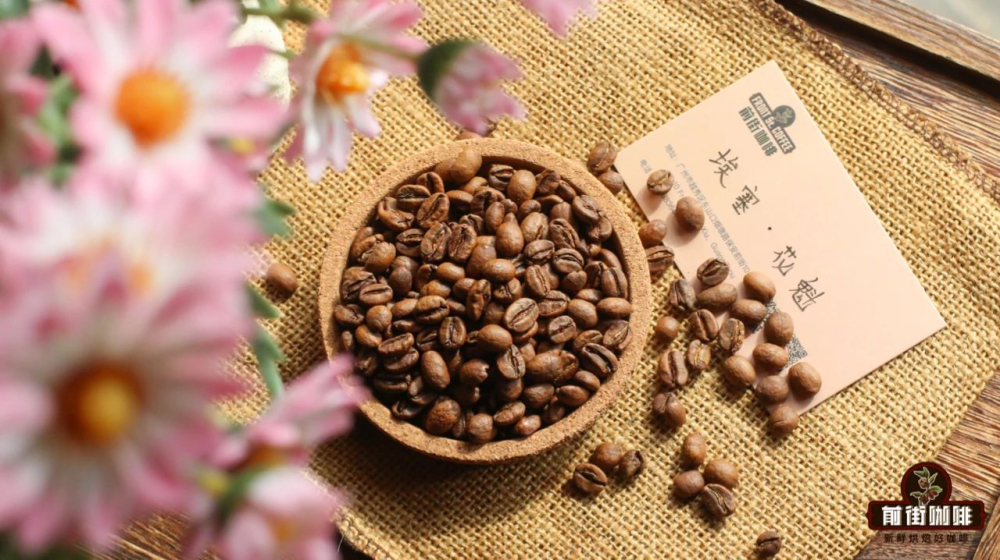
Another sun-dried coffee comes from the Guji region of Ethiopia, grown at a higher altitude of about 2,250 to 2,350 metres, also using native varieties and the natural method. This coffee is known for its rich tropical fruit flavours; common flavour descriptions include creamy strawberry, mango and guava. The fruit is exuberant on entry, the sweetness full and the layers rich, making it suitable for pour-over lovers who like a fruity impact.

A sun-dried coffee from Yunnan, China, grown at an altitude of about 1,300 metres, uses the Typica variety and has undergone careful natural processing. This coffee's flavours lean towards nut, dried apricot and chocolate notes, with soft brown-sugar sweetness; the overall mouthfeel is mild and solid, suitable for those who prefer low acidity and a full-bodied mouthfeel, and it is also a good choice for exploring the natural flavours of Asian origins.

A sun-dried coffee from the Boquete region of Panama, grown at altitudes between 1,400 and 1,700 metres, often using Caturra and Catuai varieties. This coffee's flavours are mainly nut, citrus and white floral, with faintly discernible berry notes; the overall balance is good and the sweetness and acidity moderate. It is a highly adaptable sun-dried bean that both beginners and more experienced coffee lovers can handle with ease.

The last coffee comes from the Mogiana region of Brazil, grown at altitudes between 1,400 and 1,950 metres, with the Yellow Bourbon variety. This sun-dried coffee centres on flavours of chocolate, nuts, sugarcane and peanut, with a soft creamy texture on the finish; the mouthfeel is full and smooth and the acidity low, making it very suitable for pour-over users who like rich, sweet profiles.
Whether natural or washed, each processing method affects the coffee's final aroma, sweet-acid balance and layers of mouthfeel to different degrees. For pour-over lovers, understanding these differences not only helps you choose coffee beans better, but also lets you adjust water temperature, grind size and brewing technique more purposefully during brewing, fully releasing each coffee's unique potential.


