Panama Geisha vs. Ethiopia Geisha: Origins and Flavor Comparison
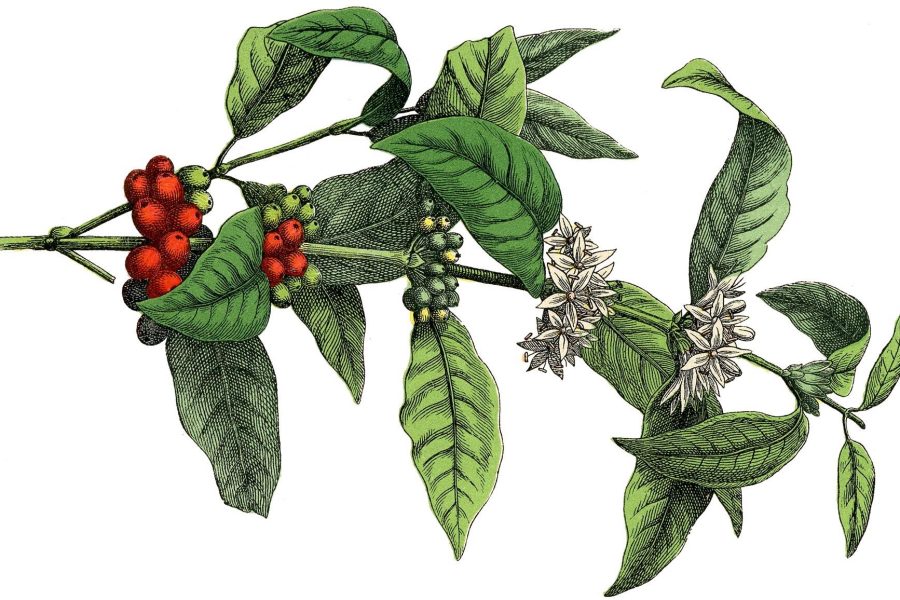
Introduction: Geisha coffee is now a star variety sought after by specialty coffee lovers worldwide, but many people do not know that it actually originated in Ethiopia and only rose to fame because of its performance in Panama. This article takes an in-depth look at the origin story of Geisha coffee and compares the core differences between Ethiopian Geisha and Panamanian Geisha in variety, growing environment, processing methods and flavor, to help you better understand and choose the Geisha coffee beans you prefer.
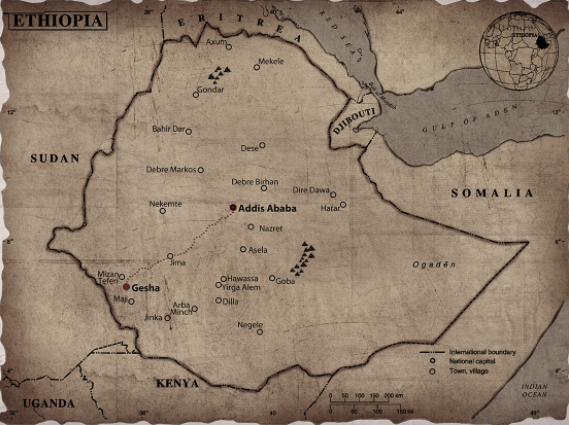
The story of Geisha coffee began in 1931, when this unique coffee tree species was discovered in the Geisha forest of Ethiopia. It was later sent to a coffee research institute in Kenya and subsequently introduced to Uganda, Tanzania and Costa Rica, but for a long time it did not attract widespread attention.
It was not until the mid-to-late 20th century that Geisha coffee made its way from the small town of Gesha in southwestern Ethiopia to Costa Rica, and then along a southern route into Panama. At Hacienda Esmeralda in Panama, growers separated it out from among many varieties, and with its outstanding quality it won first place in a coffee competition, and only then did Geisha truly come into the view of coffee lovers worldwide.

It can be said that Geisha coffee went on a long journey from Ethiopia to Panama, ultimately shining brightly in the latter. So what exactly are the differences between the Geisha native to Ethiopia and the Geisha made famous by Panama?
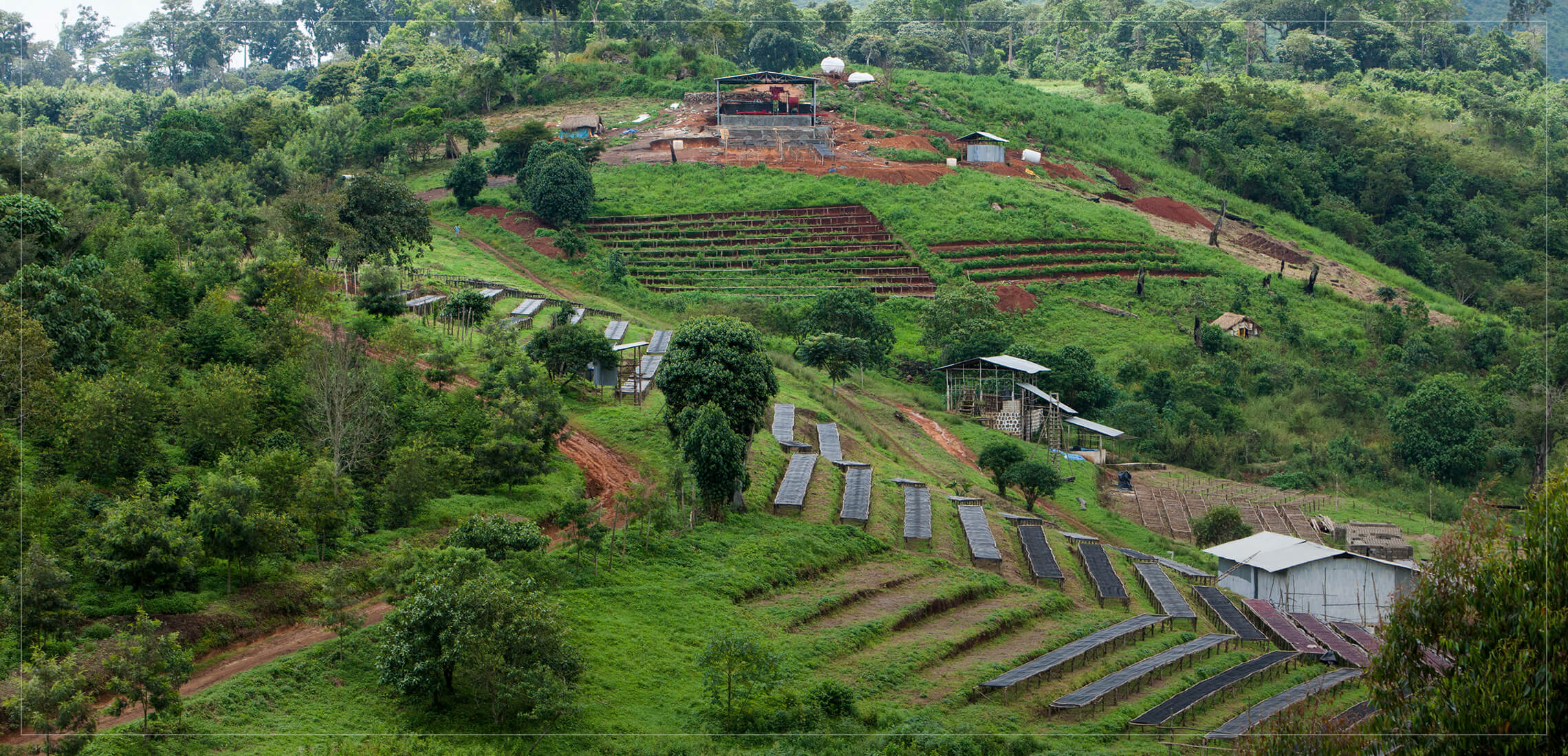
First, let us look at Ethiopian Geisha. Gesha Village is located in the Bench Maji region of Ethiopia, near the border with South Sudan. In 2009, Adam Overton and Rachel Samuel, guided by Willem Boot, the owner of a mule farm, discovered wild Geisha trees in the Gori Gesha forest. They collected seeds from the native Geisha trees, and after selection they established Gesha Village about 12 miles from the forest. This 475-hectare farm has become one of the important places of origin for Geisha coffee.
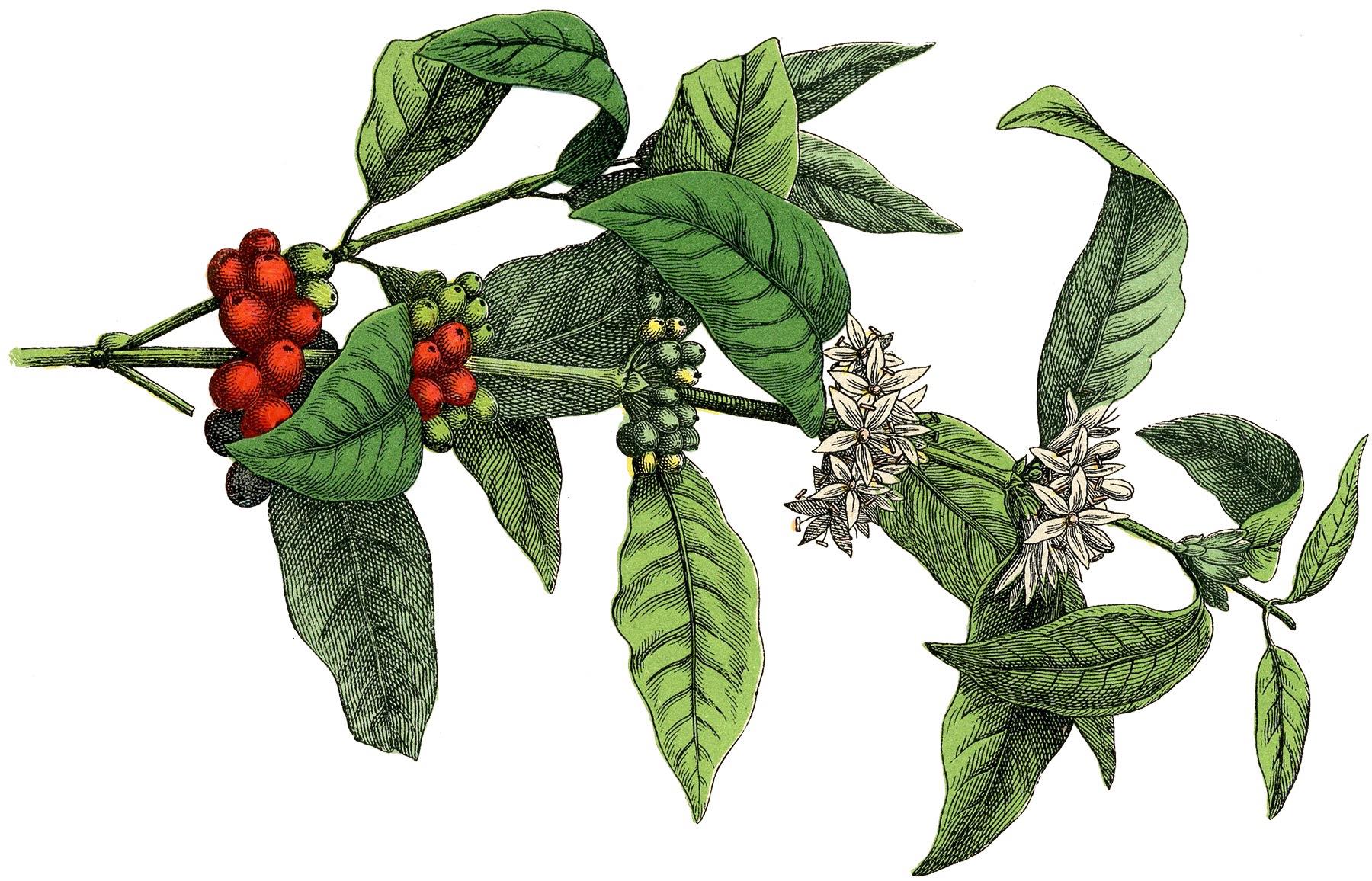
Gesha Village grows three main varieties, each named after the expedition of that year: Gesha1931, Gori Gesha and Illubabor. Among them, Gesha1931 is considered the variety closest to the mother stock of Panama Geisha, while Gori Gesha is a unique sample collected in 2011 by the owners from a wild coffee forest about 20 kilometers from the farm; the same variety has not yet been found elsewhere.
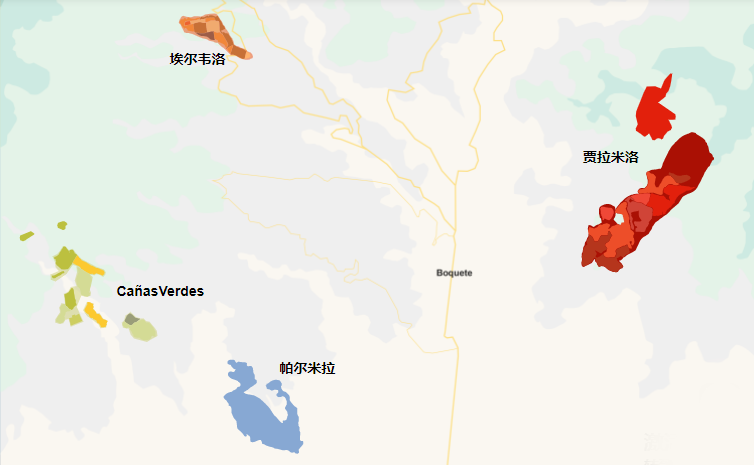
Panama's Geisha coffee, on the other hand, is inseparable from Hacienda Esmeralda. In 2004, Hacienda Esmeralda won the BOP (Best of Panama) competition with its Geisha coffee, making this variety known to the world. Hacienda Esmeralda is located in the Boquete region of Panama, which attracted a large number of American immigrants because of the construction of the Panama Canal at the end of the 20th century, driving the local agricultural and economic development.
Hacienda Esmeralda was first purchased in 1964 by the American banker Rudolph Peterson, initially for dairy farming. Later his son Price took over, introduced the Caturra and Catuai coffee varieties in 1987, and established a wet mill in 1994. In 1996, they acquired the neighboring Jaramillo estate. The coffee grown in the high-altitude areas of this estate showed a unique orange aroma and floral and fruity notes. In particular, a coffee tree at the highest point of the estate that had not been valued and had been used as a windbreak because of its low yield was found to have excellent flavor potential. This was the coffee tree variety later known as Geisha.
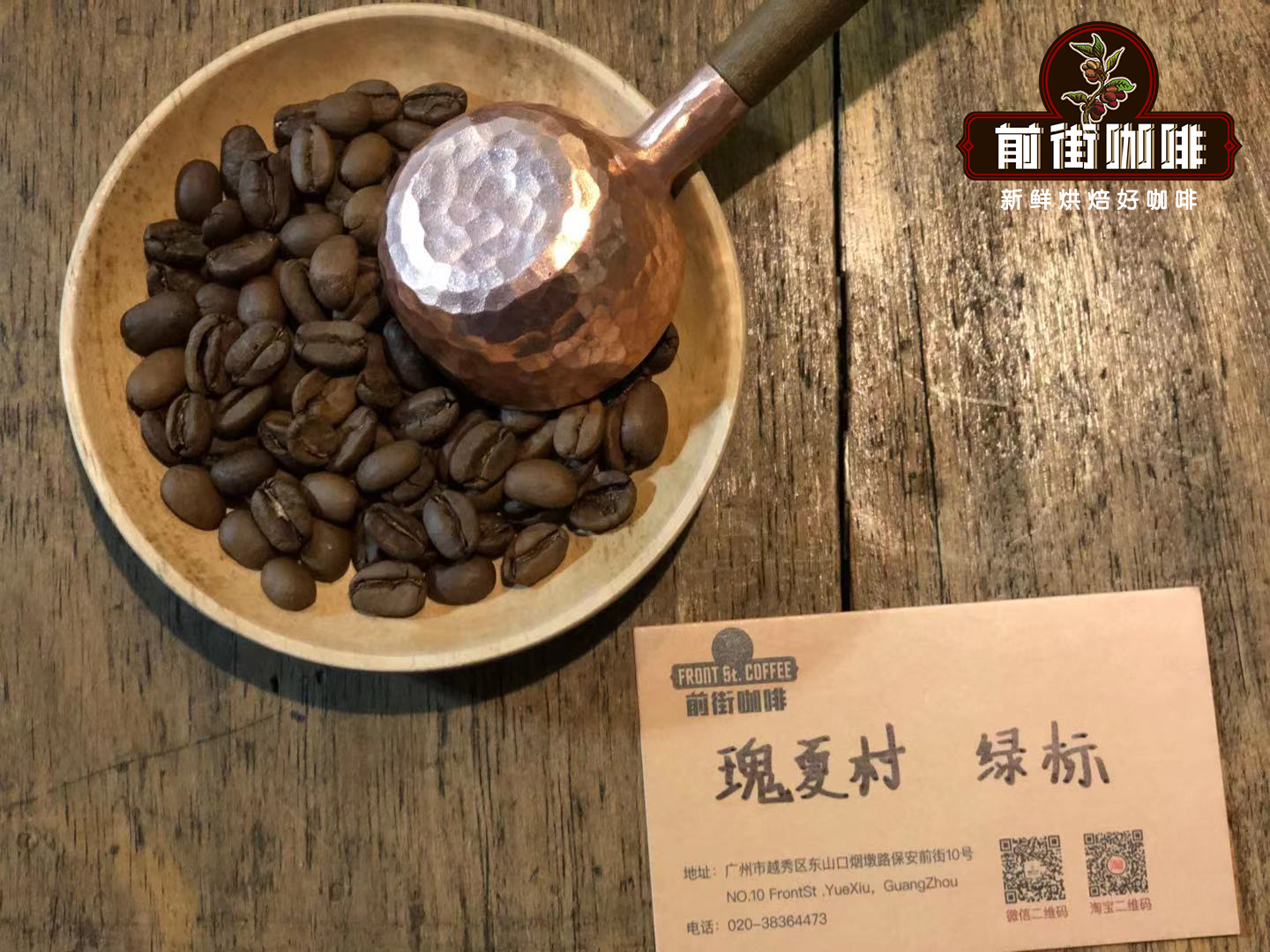
Hacienda Esmeralda divides its Geisha coffee into several grade lots, including the "Esmeralda Special", commonly known as the red label, the "Private Collection" green label, and the "Geisha1500" blue label. These grades are divided according to differences in altitude, growing area and processing method to meet the taste preferences of different consumers.
So what specific differences are there between Ethiopian Geisha and Panamanian Geisha in flavor and cultivation?
Take the green label of Gesha Village as an example. This lot uses only a single plot and a single variety, such as the Gori Gesha variety grown in the Bangi plot (1,911-2,001 meters above sea level), processed by the natural method. In cupping, this coffee showed a bright dried berry aroma and a wet aroma of ripe fruit. On the palate, stone fruit flavors such as cherry stood out, and as the temperature dropped it revealed berry, caramel and honey sweetness, with a long finish.

The green label of Hacienda Esmeralda is also naturally processed and is a blend selected from several high-quality plots on the estate. In cupping, its wet aroma had noticeable floral notes. When slurped, it showed layers of jasmine, passion fruit and honey, with a clean and smooth mouthfeel and moderate sweetness. Compared with the green label of Gesha Village, although both are naturally processed, their flavor profiles differ.
In terms of variety, the Geisha of Gesha Village comes from newly discovered varieties. Among them, Gesha1931 is extremely close to Panama Geisha in both morphology and cupping flavor, while Gori Gesha is a wild forest variety. Panama's Geisha is a unique branch discovered and cultivated in the high-altitude area of the Jaramillo estate.
In terms of flavor, the Geisha of Gesha Village usually has more intense stone fruit flavors and higher sweetness, while Panama Geisha is known for its delicate floral notes, tea-like quality and honey finish, which is more in line with the typical impression of Geisha coffee among the general public.
In addition, growing altitude is also a key factor affecting flavor. The growing altitude of Gesha Village in Ethiopia is generally above 1,900 meters, while the blue label of Hacienda Esmeralda in Panama is at 1,400-1,500 meters (hence the name Geisha1500), and the red and green labels are between 1,600-1,800 meters. Generally speaking, higher altitude brings a greater temperature difference between day and night, causing the coffee fruit to mature more slowly, which is conducive to the accumulation of flavor substances. This may be one of the reasons why the Geisha of Gesha Village has more prominent sweetness.
In summary, although Ethiopian Geisha and Panamanian Geisha share the same origin, they each have their own strengths in growing environment, varietal subdivision, processing method and flavor performance. Understanding these differences will help coffee lovers make a more suitable choice according to their own taste preferences.
Whether you prefer Gesha Village with its rich fruity aroma and high sweetness, or Hacienda Esmeralda with its delicate floral notes and tea-like quality, both are different interpretations of the charm of Geisha coffee. When choosing Geisha coffee beans, you may want to pay attention to their place of origin, altitude, processing method and grade label to obtain a better drinking experience.