How to choose beans for iced coffee: ice-to-water ratio and cold brew flavor guide

Introduction: Choosing the right coffee beans and getting the ice-to-water ratio right are key to making a good cup of iced coffee. This article explains the flavor characteristics of cold brew coffee, tells you which roast levels are better suited to iced coffee, and provides the golden ratio of ice to water. It also shares how cold brew temperature affects flavor, and how to adjust your coffee choice to your personal taste, helping you easily make a layered, rich iced coffee.

Cold brew coffee is increasingly popular these days; it is common not only in cafés but also available as ready-to-drink bottles in convenience stores. Although making iced coffee by adding ice to hot coffee is simple, cold brew coffee's flavor expression is quite different. Have you ever wondered which coffee beans you should choose to make cold brew? Factors such as temperature, roast level, and grind size all affect the final taste.
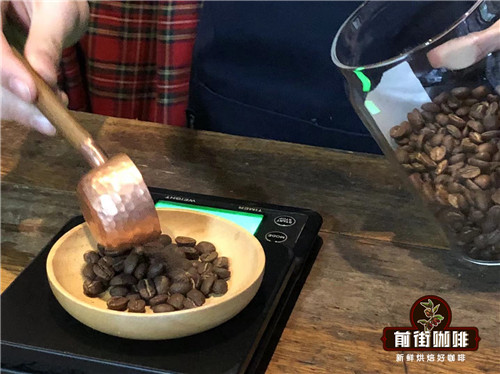
Unlike pour-over or espresso, cold brew coffee is more tolerant of coffee bean variables. Cold brew is usually conducted at room temperature or lower (21°C to 2°C), with an extraction temperature far below the 91°C to 96°C of hot extraction. The low-temperature environment greatly extends extraction time, and a coarser grind is needed to ensure full extraction. But low temperature also means that many bright acidity and floral-fruity flavors that are only released at high temperatures are hard to bring out, so cold brew coffee tends to have a fuller body, lower acidity, and a gentler taste.
Some people try adding a "bloom" step similar to pour-over before cold brewing, that is, first using a small amount of hot water to activate the coffee grounds, then adding cold water to continue extraction; this is said to bring out more layers. Overall, however, the flavor intensity of cold brew coffee is usually not as strong as that of hot-extracted coffee, which is determined by the nature of low-temperature extraction. In addition, when making iced coffee, the common ratio of ice to water is 1:1, which maintains appropriate strength while diluting.
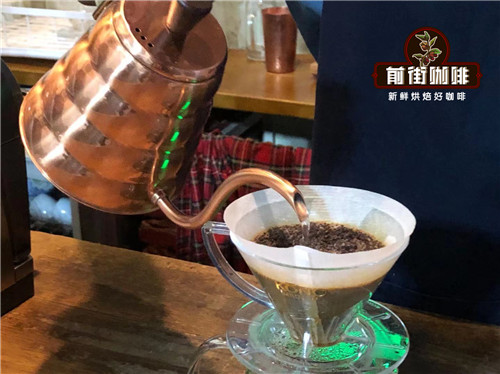
Regarding roast level selection, opinions online vary widely. Some praise light-roasted Ethiopian Yirgacheffe, believing its floral-fruity character suits cold brew; others prefer dark roasts, feeling they bring richer nutty, chocolate, and caramel flavors. In fact, there is no absolute standard; the key is personal taste preference.
Most cold brew lovers tend toward medium-dark to dark roasted coffee beans, because cold brew itself easily presents a full-bodied, low-acidity flavor profile; dark roast's chocolate, syrup, or caramel notes are easier to highlight, while light roast's floral-fruity aromas are often masked in cold brew. Even if you use high-quality single-origin light-roasted beans, it may be difficult to fully present their delicate flavors.
It is recommended to adjust according to personal preference: if you usually like a rich mouthfeel, you can start with dark roast; if you prefer a fresh flavor, you can gradually test the performance of different roast levels. It is worth noting that cold brew has relatively loose requirements for coffee bean freshness; beans stored for a few weeks are still suitable for cold brew, because some flavor substances are inherently difficult to extract. You can first choose cost-effective everyday beans, and after finding the type that suits your taste, then consider trying high-end or single-origin beans.
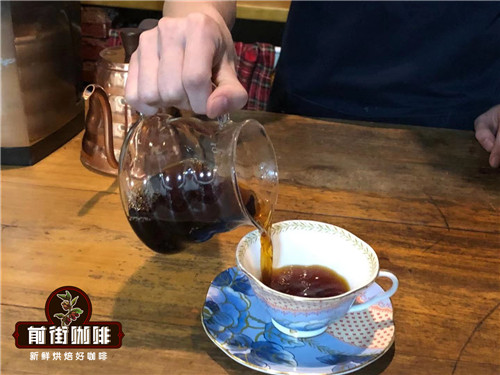
In summary, the key to making high-quality iced coffee lies in: choosing coffee beans suited to cold brew characteristics (usually medium-dark roast is safer), controlling the ratio of ice to water (1:1 recommended), understanding the effect of low-temperature extraction on flavor, and continuously adjusting and experimenting according to personal taste. Through these methods, you can easily make a balanced, layered iced coffee.


