Yunnan Arabica Variety Guide and Typica Cold Brew Recipe
Introduction: Explore the cultivation traits and flavor profile of Typica, Yunnan's signature coffee variety, and master precise cold brew parameters and steps. Starting from the basic characteristics of Arabica coffee, this article analyzes the unique advantages and challenges of the Typica variety, and provides a complete home cold brew process, including grind size, coffee-to-water ratio, refrigeration time and other key factors, to help you extract a balanced, gentle fruit-forward flavor.
Arabica coffee originated in Ethiopia and is globally recognized as the highest-quality coffee category. It grows best at altitudes of 1,000 to 2,000 meters, with an optimal temperature of 15 to 24°C and annual rainfall exceeding 1,500 ml. The coffee tree is a relatively large shrub with dark green oval leaves. Its fruit is oval and contains two slightly flat beans. The bean shape is elongated oval when viewed from the front, with a narrow, S-shaped curved center crack and a relatively flat rounded back. Arabica coffee typically has a caffeine content of 0.8% to 1.5%. With its rich aroma and layered flavors, it is the top choice for single-origin coffee. However, it has weak resistance to pests and diseases, especially leaf rust, and requires more meticulous cultivation management.
Arabica coffee grown in different origins, altitudes and climates presents distinctly different flavor characteristics. Unroasted, it has a fresh grassy scent; after roasting, it can display the fruitiness of light-to-medium roasts and the caramel flavors of dark roasts, suitable for various brewing methods. From cultivation traits to flavor expression, Arabica coffee laid the foundation for the evolution of subsequent varieties.

Among the many Arabica variants, Typica is one of the most representative classic varieties. It originated in Ethiopia and southeastern Sudan and is also a coffee variety widely cultivated in the Western Hemisphere. Typica plants grow upright but have low light requirements, and can achieve high yields in specific regions such as Hawaii. Its top leaves have a distinctive reddish-copper color, earning it the name "red-top coffee." Typica coffee trees have slightly sloping branches, with distinct leaf and fruit distribution: branch angles of about 50 to 70 degrees, oval fruit, slender beans, and an overall tall, elegant tree shape.
As a recognized specialty coffee variety, Typica is the original basis for many commercial improved varieties. Its flavor is delicate and elegant, but cultivation faces two major challenges: low yield and susceptibility to rust disease, requiring more manpower for meticulous management. These traits make it a focus of attention for quality-seeking coffee enthusiasts.

Taking the Yunnan producing region as an example, the locally grown Typica variety (referred to in some materials as "2013 Yunnan Arabica") uses the natural sun-dried processing method, fully expressing the regional character of Yunnan coffee. This processing method gives the coffee a clean, balanced and gentle overall tone. When brewed, the flavor is layered: the entry has the sweet-tartness of dried apricots, accompanied by mild nutty notes; the mid-palate reveals the sweetness of brown sugar, and the finish leaves a soft, tea-like aftertaste. These flavor characteristics make it suitable for various brewing devices, including pour-over, moka pot, and French press, and especially suitable for highlighting its fresh character through cold brew.

Cold brew coffee is favored for its simple preparation and mild taste, but low-temperature extraction places stricter demands on time and parameters. Due to the lower temperature, flavor compounds dissolve more slowly, typically requiring 6 to 12 hours of steeping to fully extract the sweet and tart components. If steeping exceeds 12 hours, the woody fibers in the coffee may release off-flavors resembling tree roots; although bitterness is not pronounced, it disrupts the overall aromatic harmony. Mastering the appropriate extraction time is key to cold brew success.

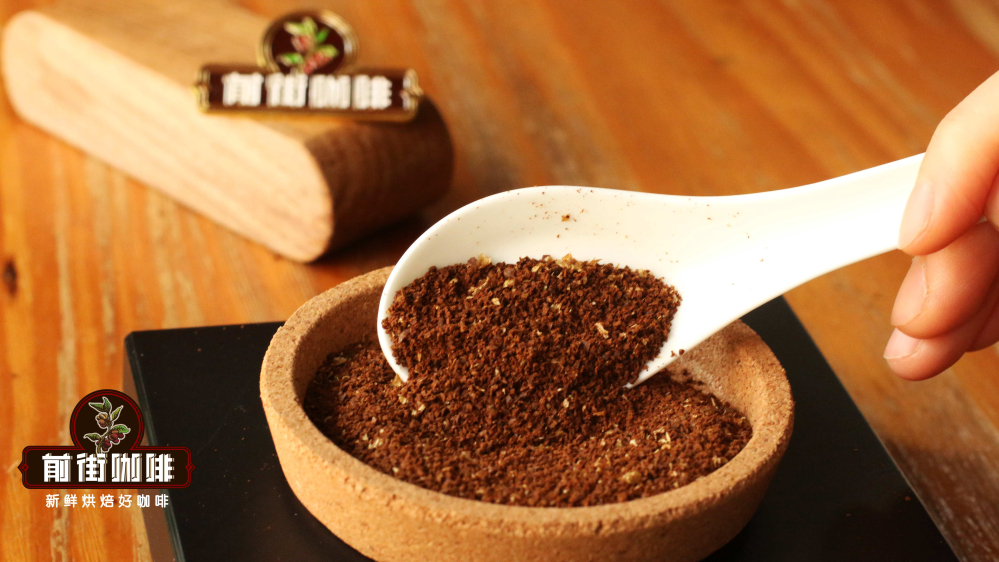
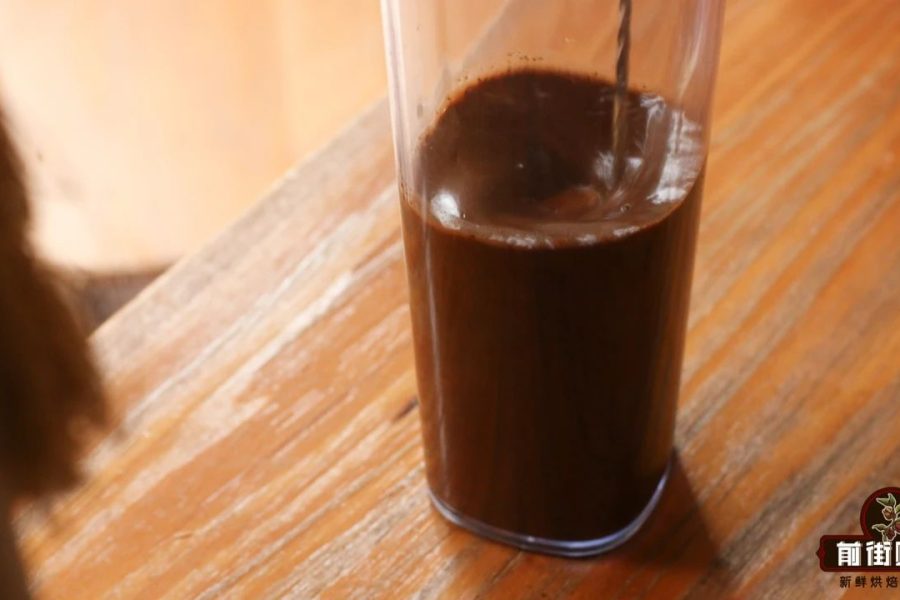
When making Typica cold brew, it is recommended to use 50 g of ground coffee as a baseline (reduce to 20 g for single serving). The grind size should correspond to 85% passing through a No. 20 standard sieve, i.e., a texture close to caster sugar. Pour the ground coffee into a glass container, add 400 ml of room-temperature water and 200 g of hard ice cubes (totaling 600 g of ice-water mixture), giving a coffee-to-water ratio of 1:12. Stir thoroughly with a stirring rod to mix the grounds and water, then seal the container and place it in the refrigerator for extraction.
Refrigeration time is recommended to be between 8 and 16 hours, adjustable according to personal preference for sweetness and acidity intensity. After extraction, filter out the grounds with filter paper, pour the clean coffee liquid into a sealed container, and refrigerate for about another 4 hours to further enhance flavor integration. When drinking, add ice as desired to enhance the refreshing taste, especially suitable for summer cooling or light drinking experiences.