Panama Diamond Mountain Coffee: Natural Process, Variety and Pour-Over Guide
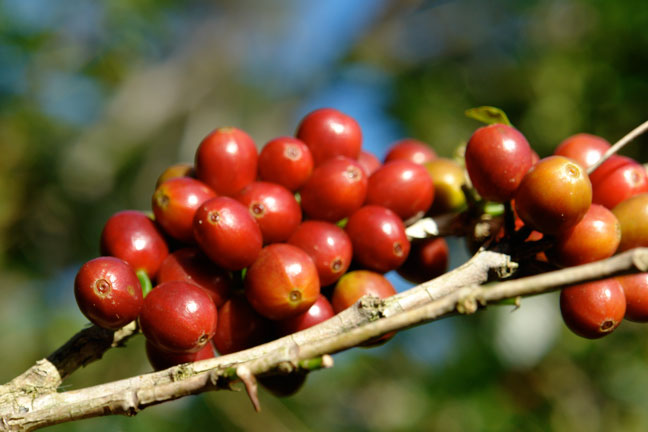
Introduction: Diamond Mountain coffee, part of Hacienda Esmeralda's portfolio in Panama, may not be as famous as Geisha, yet it has earned professional recognition for its consistent, balanced flavor. This article takes a deep look at this Catuai variety coffee grown on high-altitude farms in Jaramillo and Cañas Verdes—from its natural processing method to its cupping flavor layers and precise parameters for home brewing—to give you a full understanding of Diamond Mountain coffee's distinctive appeal.
On the global specialty coffee map, Panama holds an important place thanks to its unique microclimates and the legendary story of Hacienda Esmeralda. Although it began in 1780 when European colonists introduced Typica, what truly made Panama famous worldwide was the Geisha variety that won the Best of Panama (BOP) competition in 2004. Within Esmeralda's product lineup, the Diamond Mountain series, with its high value and consistent performance, is a quality choice for experienced coffee lovers exploring Panama's terroir.
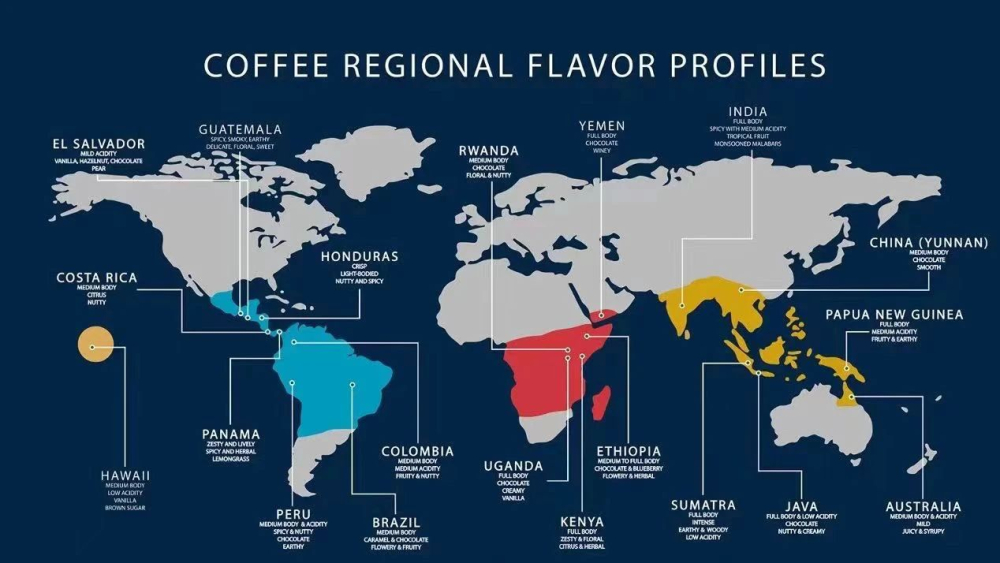
The roots of Diamond Mountain coffee's cultivation go back to the Panama Canal construction era. In the late 19th century, large numbers of European engineers settled in the Boquete region after completing the canal project, bringing not only advanced technology but also a coffee-growing culture planted in this volcanic soil. Compared with the Geisha variety, which was originally used as a windbreak, Catuai—a hybrid bred in 1949 by crossing Yellow Caturra with Mundo Novo (a natural cross of Bourbon and Typica)—gradually became the mainstay of commercial cultivation thanks to its strong disease resistance, stable yields and clean flavor.
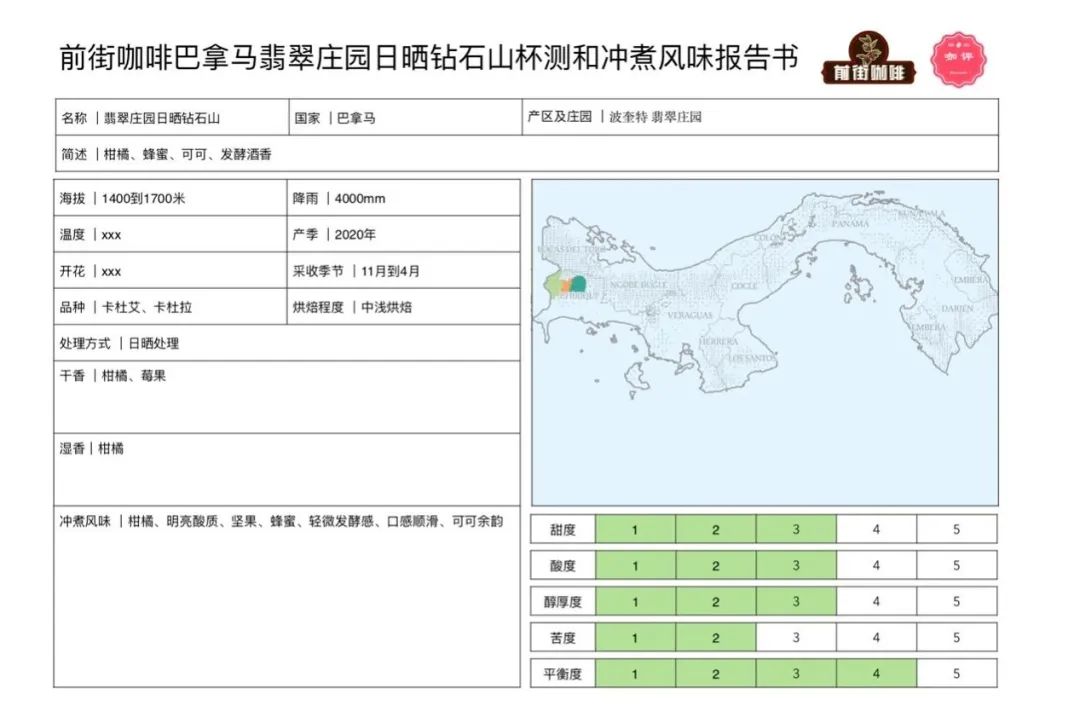
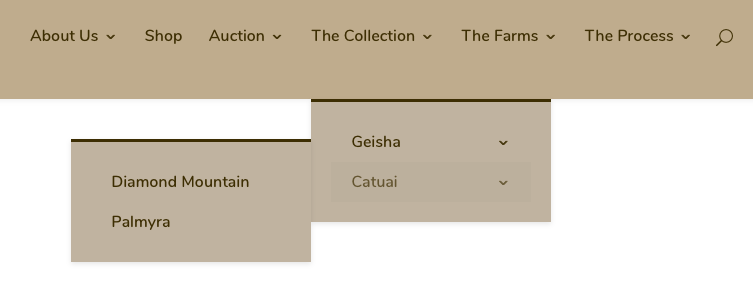
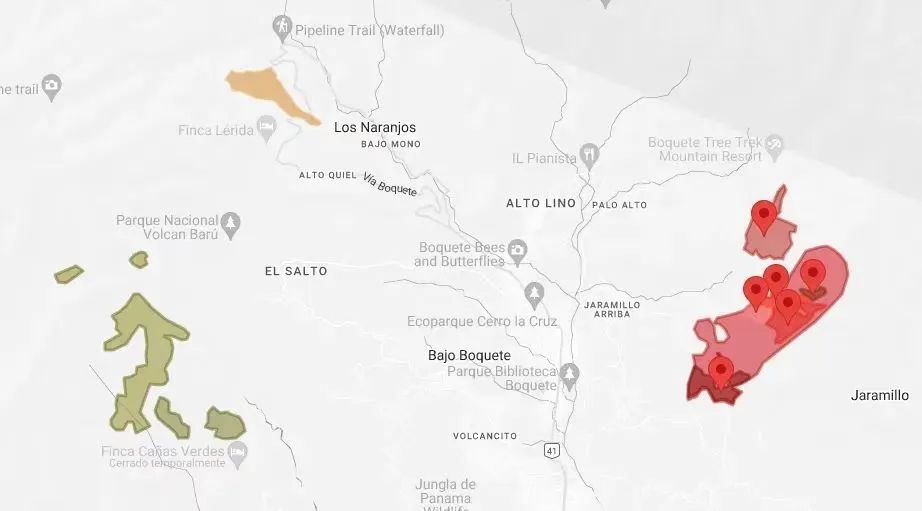
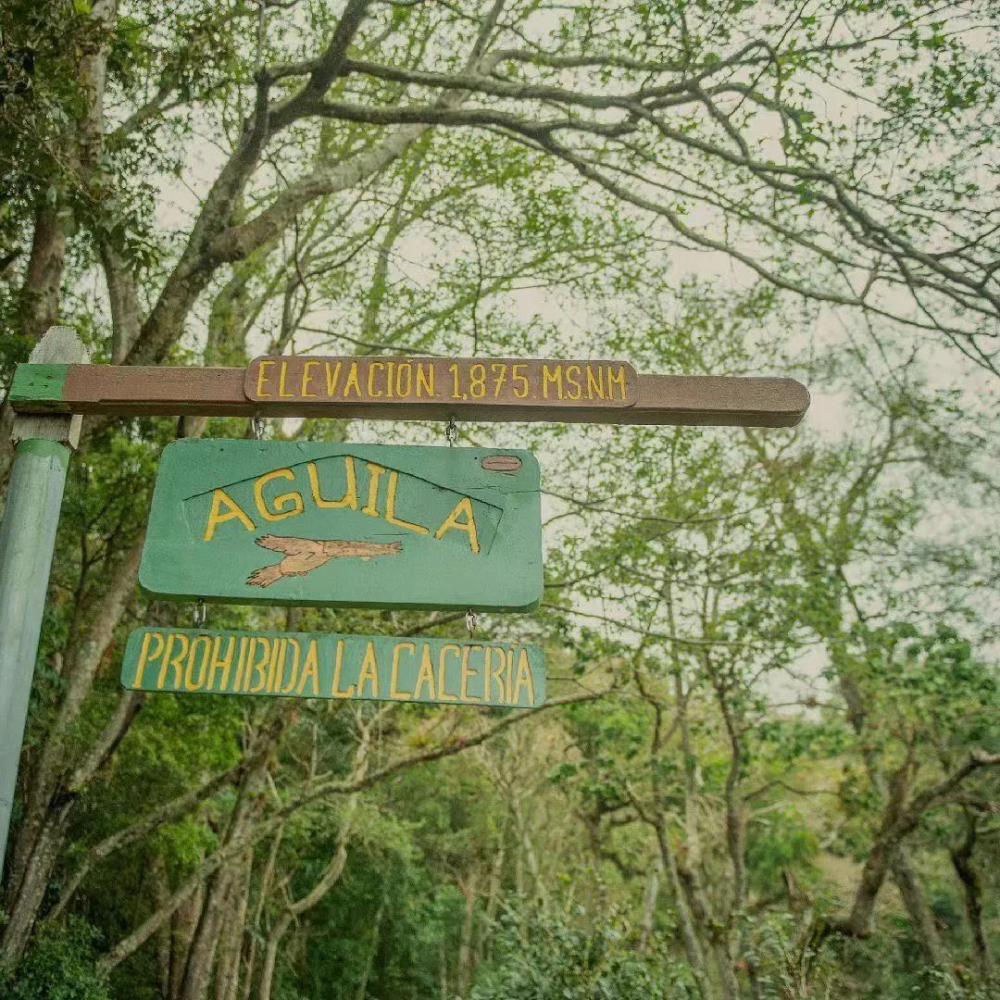
Hacienda Esmeralda clearly divides its coffees into two systems: Geisha and Catuai. The former includes Esmeralda Special (red label), Private Collection (green label) and Geisha 1500 (blue label); the latter has spawned two sub-brands, Diamond Mountain and Palmyra. All Diamond Mountain coffee comes from two core estates—Jaramillo and Cañas Verdes—at altitudes between 1,400 and 1,700 meters. It is both Eco-friendly and Rainforest Alliance Certified, ensuring sustainable growing practices.
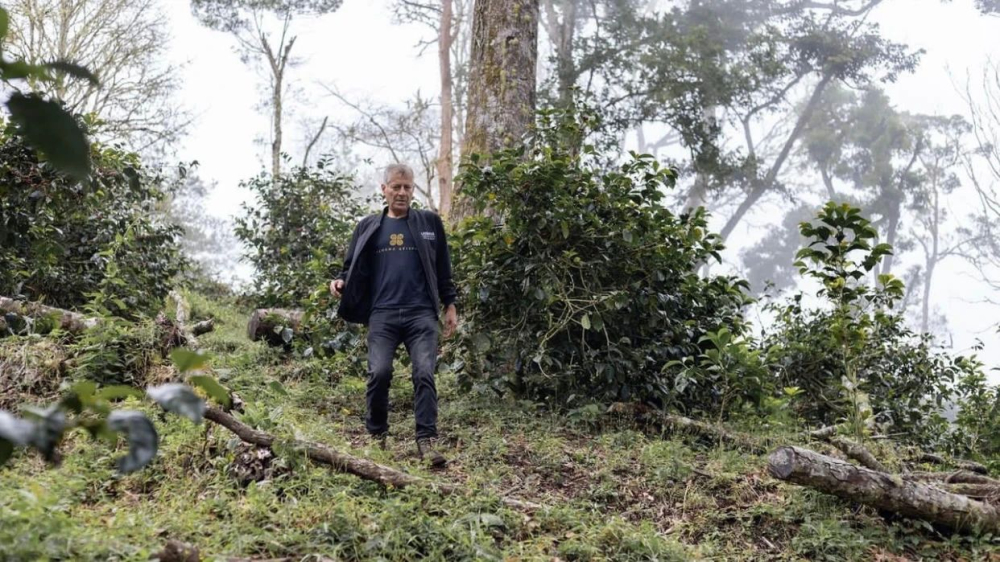
Focusing on the Jaramillo estate, abundant annual rainfall of 4,000 mm, daytime temperatures of 19–25°C and nighttime lows of 11–15°C create an ideal environment for coffee growing. The area sits at 1,600–1,700 meters, and its five micro-plots (Mario, Ferris Wheel, Queen, Forest and Buenos Aires) each have their own microclimate; the Mario plot is where the 2004 BOP-winning Geisha was born. Cañas Verdes, though slightly higher (1,600–1,800 meters) and with somewhat less annual rainfall (3,500 mm), has volcanic soils across its nine plots (Flax, Coronation, Founder and others) that likewise give the coffee a rich mineral foundation.

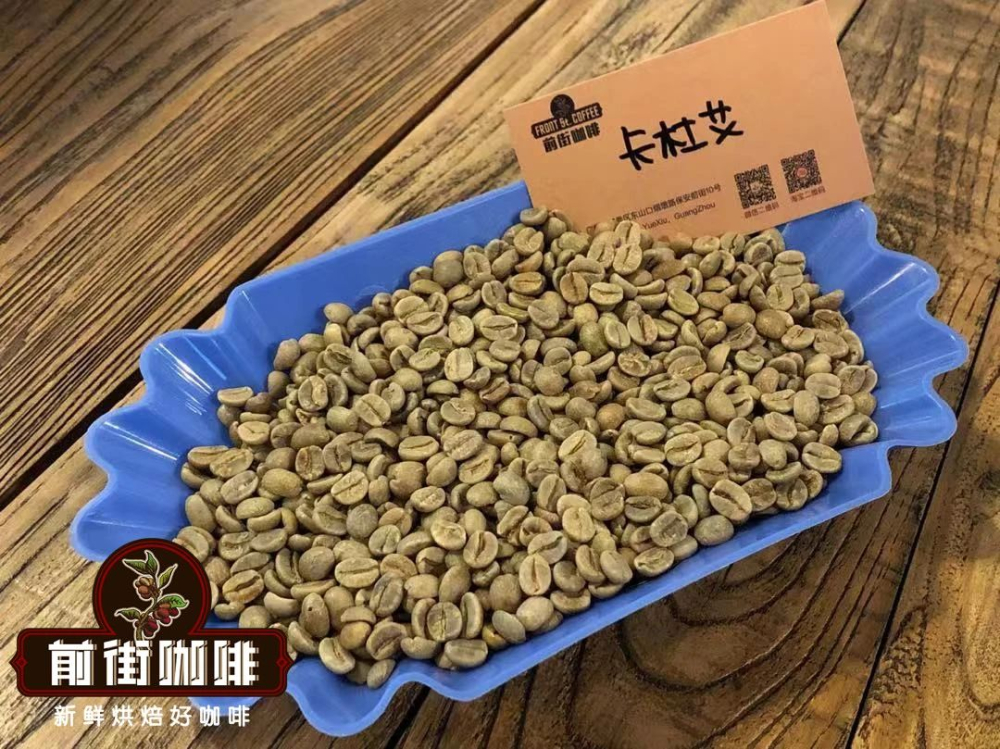
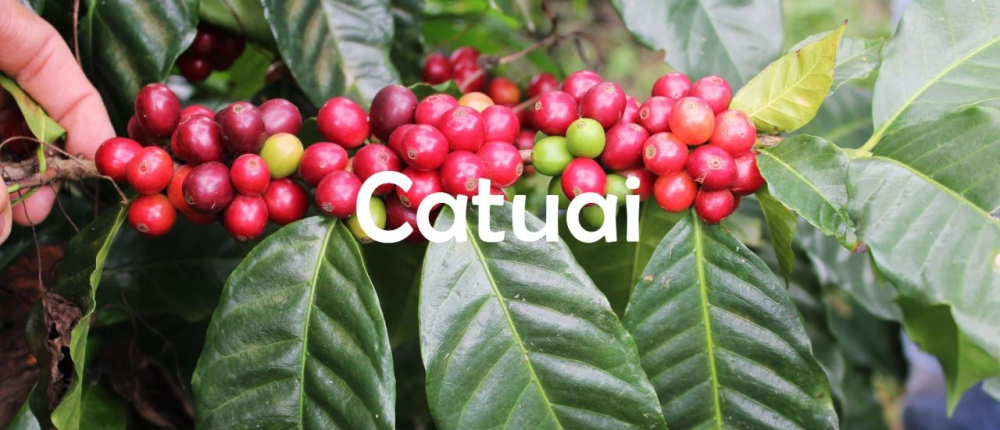
Diamond Mountain coffee uses the Catuai variety, a hybrid that perfectly inherits the high-sweetness genes of the Bourbon line and the compact plant size of Caturra. Compared with traditional Bourbon, Catuai plants are shorter, allowing planting density per unit area to reach twice that of Bourbon, which both raises yields and makes detailed field management easier. Its flavor profile shows bright citrus acidity, full body and a signature caramel sweetness, traits further enhanced by Esmeralda's skilled processing.
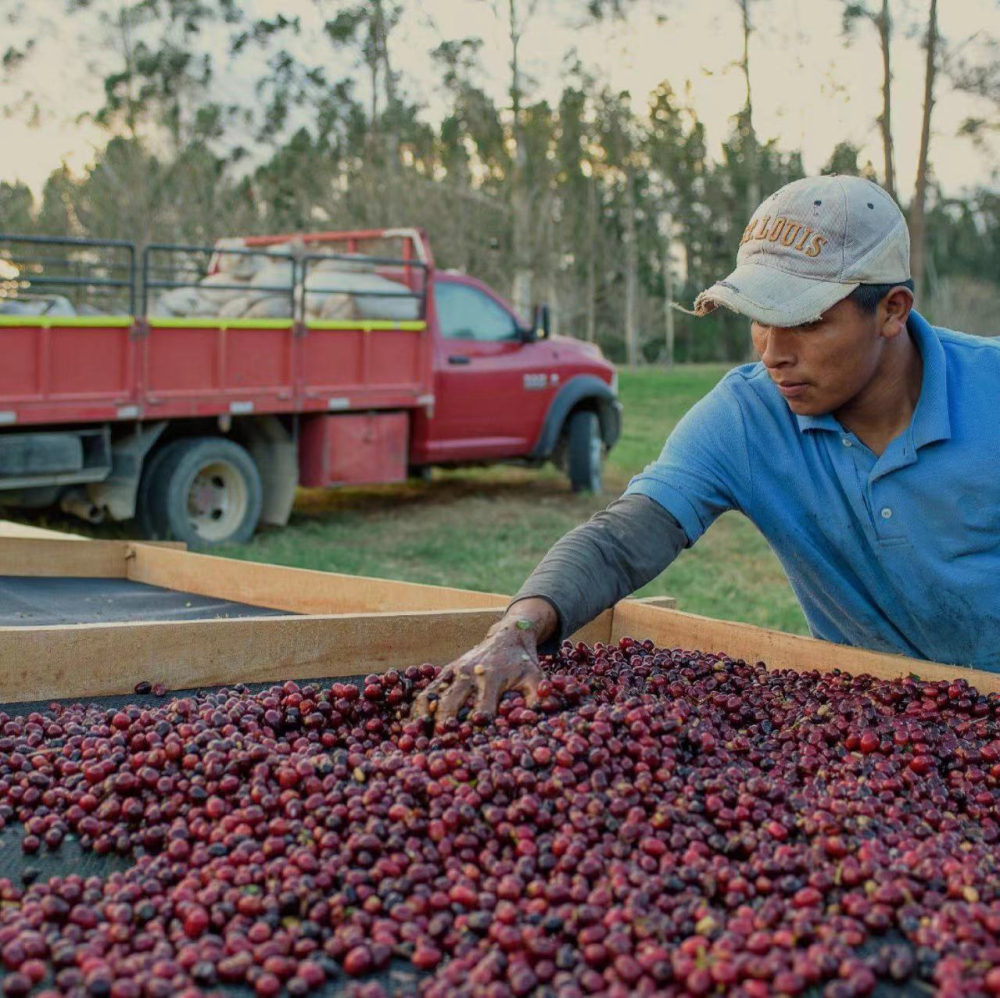
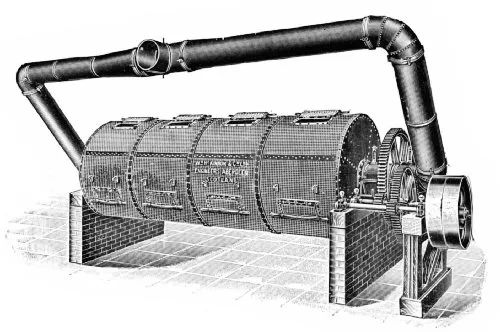
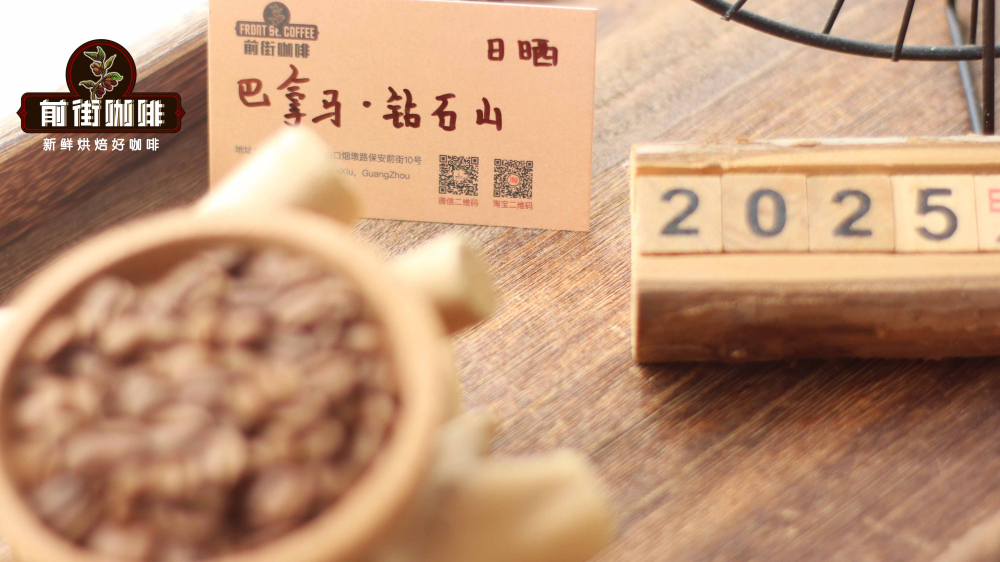
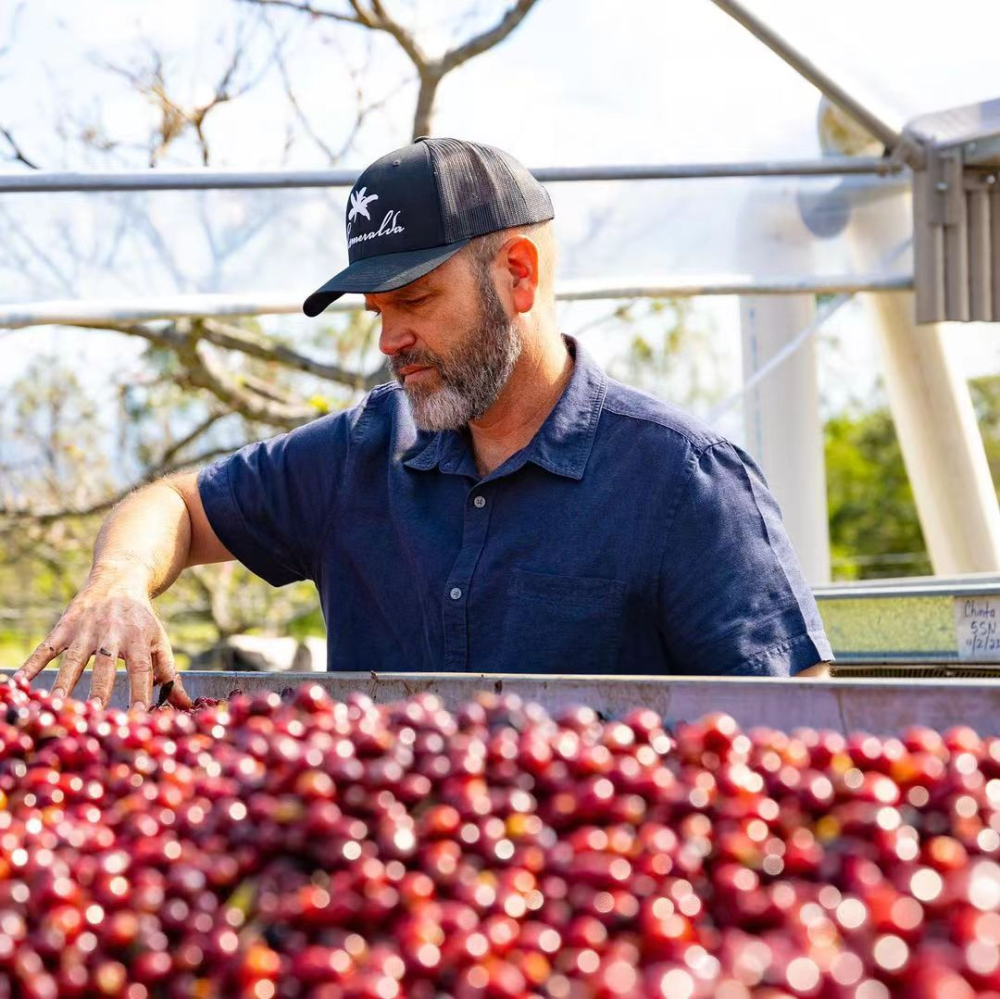
Hacienda Esmeralda uses the classic natural process for Diamond Mountain coffee: after picking ripe cherries, unripe and defective beans are removed by hand sorting, and the whole cherries are then spread directly on well-ventilated concrete patios in the yard to dry. In the initial stage they are turned 3–4 times a day to ensure even drying, for about 3–5 days (8 hours of sunlight per day), during which the fruit's moisture gradually evaporates and sugars in the mucilage seep into the bean core. When moisture content drops to about 35%, the beans are moved to a Guardiola mechanical dryer for 72 hours of temperature-controlled rotating drying (usually held at 40–45°C); this step avoids the risk of over-fermentation and stabilizes the final moisture content at 11–12%. Finally, a 30–45 day "resting period" (reposo) lets internal stresses in the beans fully release and the flavor settle into balance.
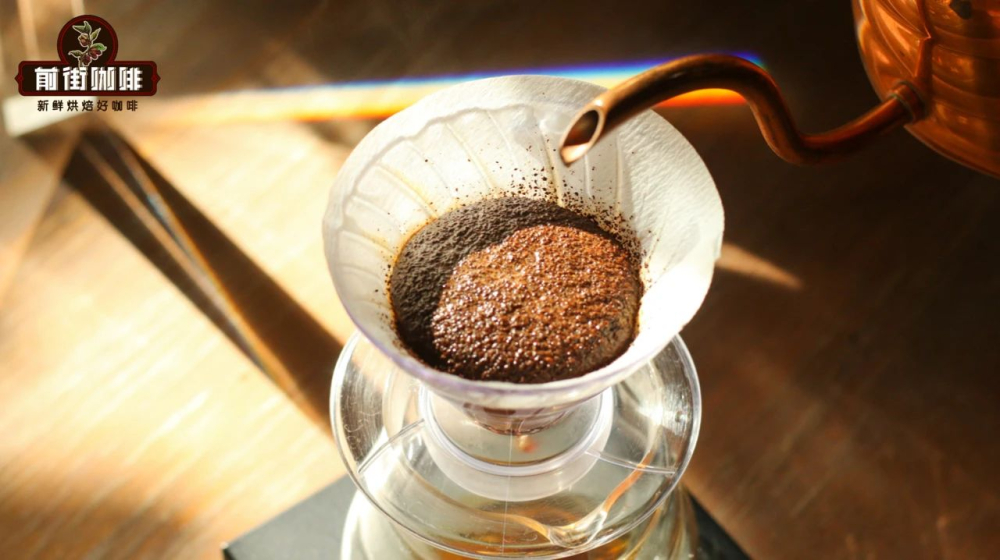
For brewing Diamond Mountain natural coffee at home, a V60#01 dripper is recommended to highlight its clear flavor layers. Parameters: medium-fine grind (80% passing a Chinese standard No. 20 sieve, similar to fine granulated sugar), 15 g of coffee, a 1:15 coffee-to-water ratio, and water at 90–91°C. Brew in three stages: first pour 30 g of hot water and let it bloom for 30 seconds; then pour in a slow circular stream to 125 g for the first stage, and when the water level drops to the top of the bed, continue pouring to 225 g to complete extraction; the whole process takes about 2 minutes—watch the flow rate to avoid over-extraction. These parameters balance citrus notes, honey sweetness and a berry finish, and are especially suited to drinkers who prefer fruit-forward coffee.
Note that different lots of Diamond Mountain coffee may show flavor variation due to microclimate differences; for example, beans from the Jaramillo plot often carry a more pronounced dark cocoa finish, while versions from Cañas Verdes may highlight more tropical fruit aromas. When trying it for the first time, record your brewing data, then fine-tune grind size or water temperature based on the actual flavor feedback. In addition, naturally processed beans have a longer degassing period; it is recommended to store them 5–7 days after roasting before brewing for the best cup.
From growing altitude to processing method, from variety characteristics to brewing recipe, Diamond Mountain coffee showcases the diverse appeal of Panama's coffee industry. Whether as a daily staple or a starting point for flavor exploration, this Catuai coffee—balanced yet layered—deserves a place on any coffee lover's tasting list.