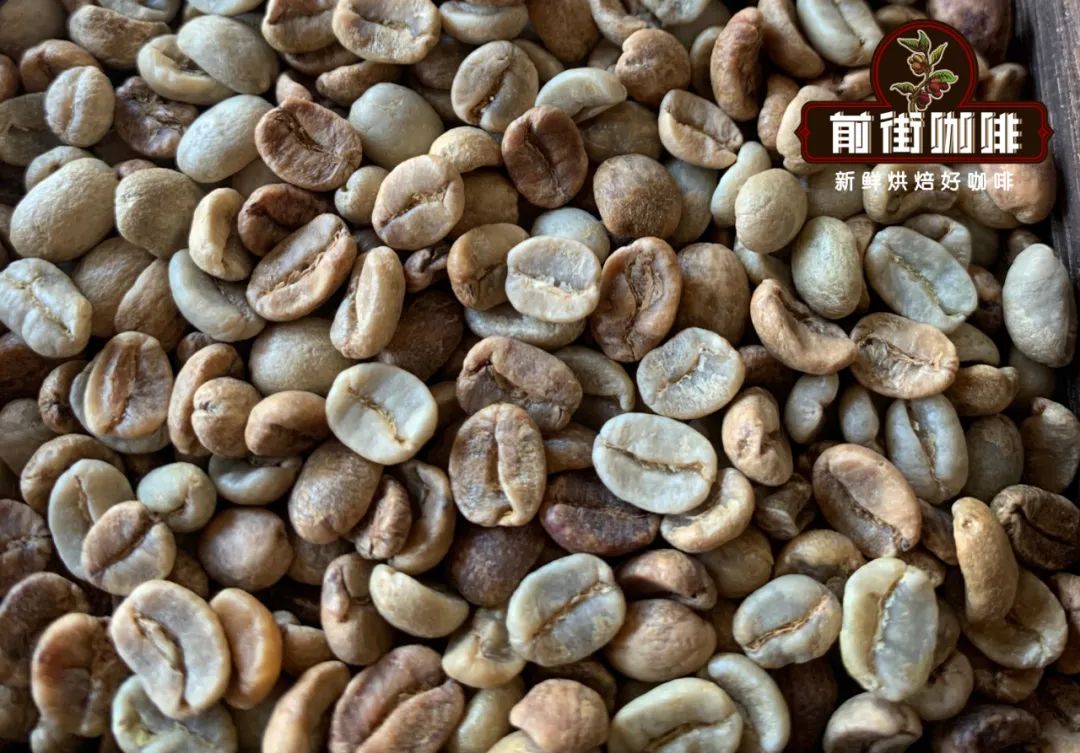
Honey Process vs. Natural Coffee: A Complete Guide to Honey Processing and Raisin Honey
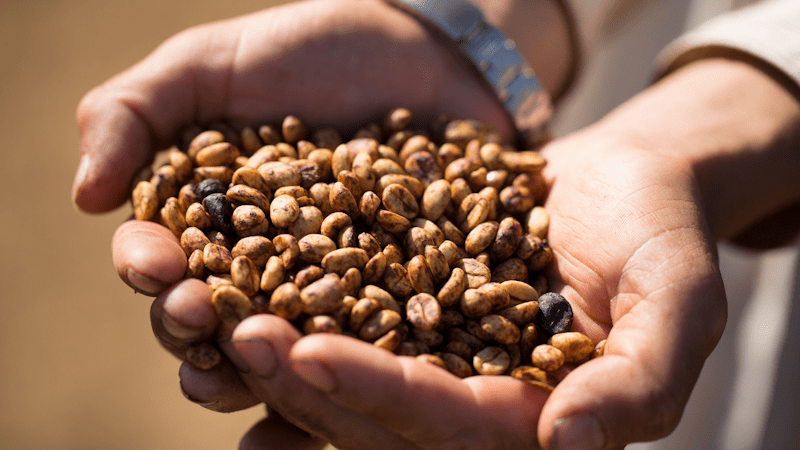
Introduction: The way green coffee is processed directly affects its final flavor. Honey processing, a unique method that sits between washed and natural, has drawn attention for its balanced mouthfeel and rich layers. This article takes a close look at the core differences between honey and natural coffee, explains the principles of honey processing from pectin retention to the different grades, and introduces the niche but increasingly popular raisin honey method, helping you fully understand how these processes shape coffee flavor.
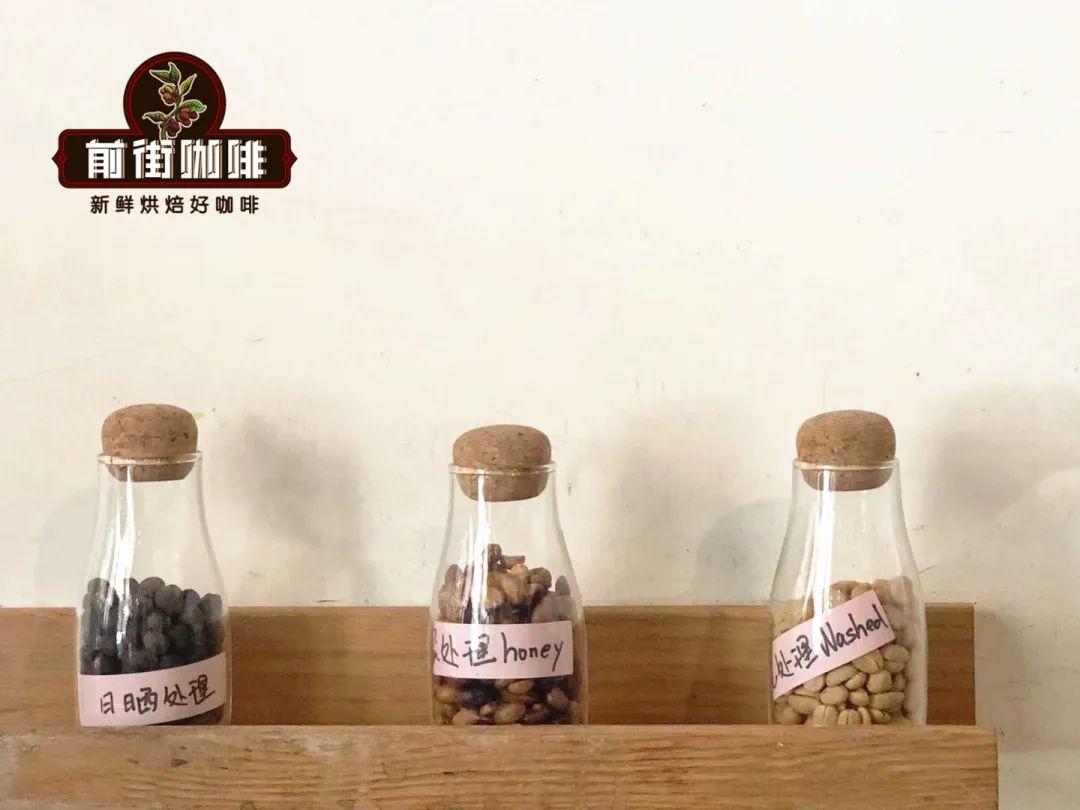
In the world of specialty coffee, processing is one of the key steps that determines a coffee's flavor direction. The most common methods include the stable washed process, the full-bodied natural process, and honey processing, which combines the strengths of both. Each of the three has its own character, and honey processing is increasingly favored by coffee lovers for its balanced flavor.
Natural processing, as the name suggests, dries the whole coffee cherry in the sun until its moisture content drops to about 11%, after which the outer skin, pulp, and pectin are removed to extract the green bean inside. This method usually gives coffee a richer sweetness and fruitiness, but the risk is that uneven drying can easily produce off-flavors. Washed processing, by contrast, first uses machines to remove the skin and pulp of the coffee cherry, then breaks down the remaining pectin layer through fermentation, and finally dries the beans to a moisture content suitable for storage. Washed coffees usually have a cleaner, brighter mouthfeel and clear acidity.
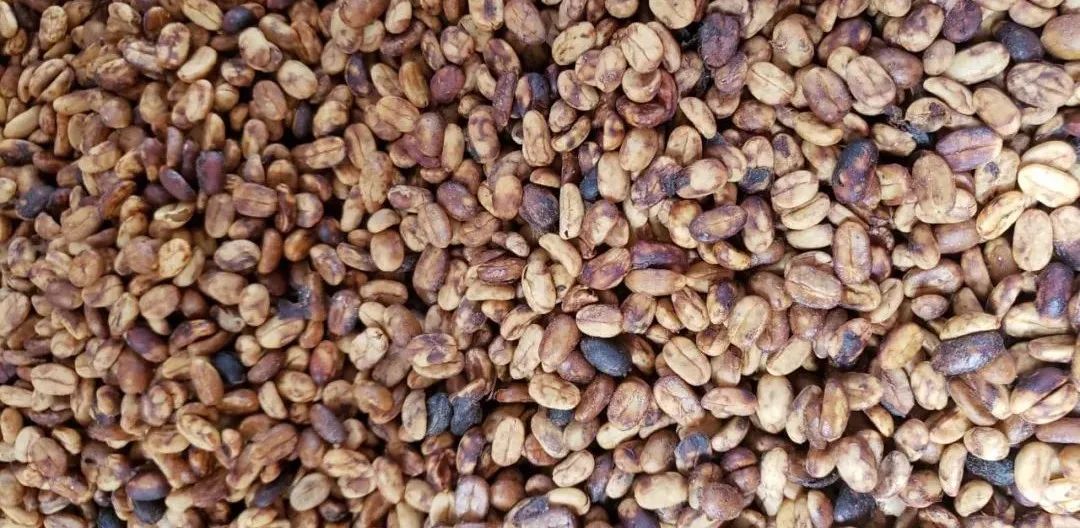
Honey processing differs from both: after the skin and pulp are removed, part or all of the pectin layer is retained, and the beans are dried with the pectin still on them. Because the pectin layer is rich in sugar and fairly sticky, it coats the beans like honey during drying, which is why the method is vividly called the "honey process." Honey processing combines the cleanliness of washed coffee with the sweetness of natural coffee, finding a unique balance between the two and delivering a more complex yet softer flavor experience.
Honey processing first appeared in Central American countries such as Costa Rica and El Salvador, and its prototype can be traced back to Brazil's "pulped natural" method, also known as semi-natural processing. At the time, Brazil widely used natural processing because of its terrain and climate (dry with little rain), but since most harvesting was mechanized and drying took place on open patios, fermentation was often uneven and flavor was inconsistent, making it hard to compete with African raised-bed natural coffees.
To improve this, Brazil began trying to remove the skin before sun-drying (the pulped natural method). This shortened drying time and effectively reduced the off-flavors caused by open-air fermentation, significantly improving overall coffee quality. For example, the classic semi-natural coffees from Brazil's Cerrado region often carry soft, solid flavor notes of cream, nuts, and chocolate.
Brazil's processing innovation inspired neighboring Central and South American countries, especially Costa Rica, which mainly used washed processing. Because Costa Rica's climate is humid and rainy with relatively short sunlight hours, copying Brazil's sun-drying method outright was not feasible. So local coffee farmers, while retaining the pectin, further optimized and adjusted the method according to how much pectin was kept and differences in drying conditions, gradually developing what we now know as honey processing and subdividing it into types such as black honey, red honey, yellow honey, and white honey.

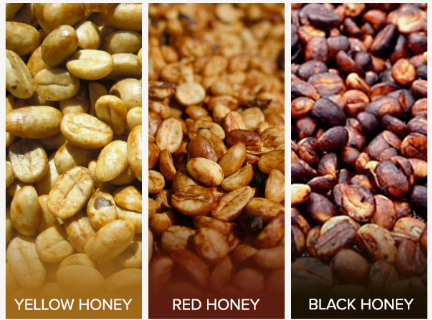
Among the different honey types, yellow honey usually removes about 40% of the pectin and dries the beans in fairly strong direct sunlight, generally for about 8 days, producing coffee with a brighter flavor, moderate acidity, and noticeable sweetness. Red honey retains more pectin, removing only about 25%, and takes longer to dry, usually around 12 days, with shading used during the period to avoid overly strong direct sunlight, making the coffee's sweetness and body more prominent and its flavor rounder. Black honey removes almost no pectin and has the longest drying time, usually lasting more than two weeks, with covers used to control light and temperature so the sugar fully transforms; this method often brings extremely rich sweetness, abundant fruitiness, and complex layers of flavor.
In recent years, a more special honey method that has gradually gained attention—raisin honey processing—has become popular. Unlike traditional yellow, red, and black honey, raisin honey pre-dries the whole coffee cherry before the pectin is removed, leaving it plump and wrinkled like a raisin. This pre-drying usually requires at least three days on raised beds; once the fruit has lost much of its water and shrunk in volume, the skin and pulp are removed and the subsequent honey process continues.
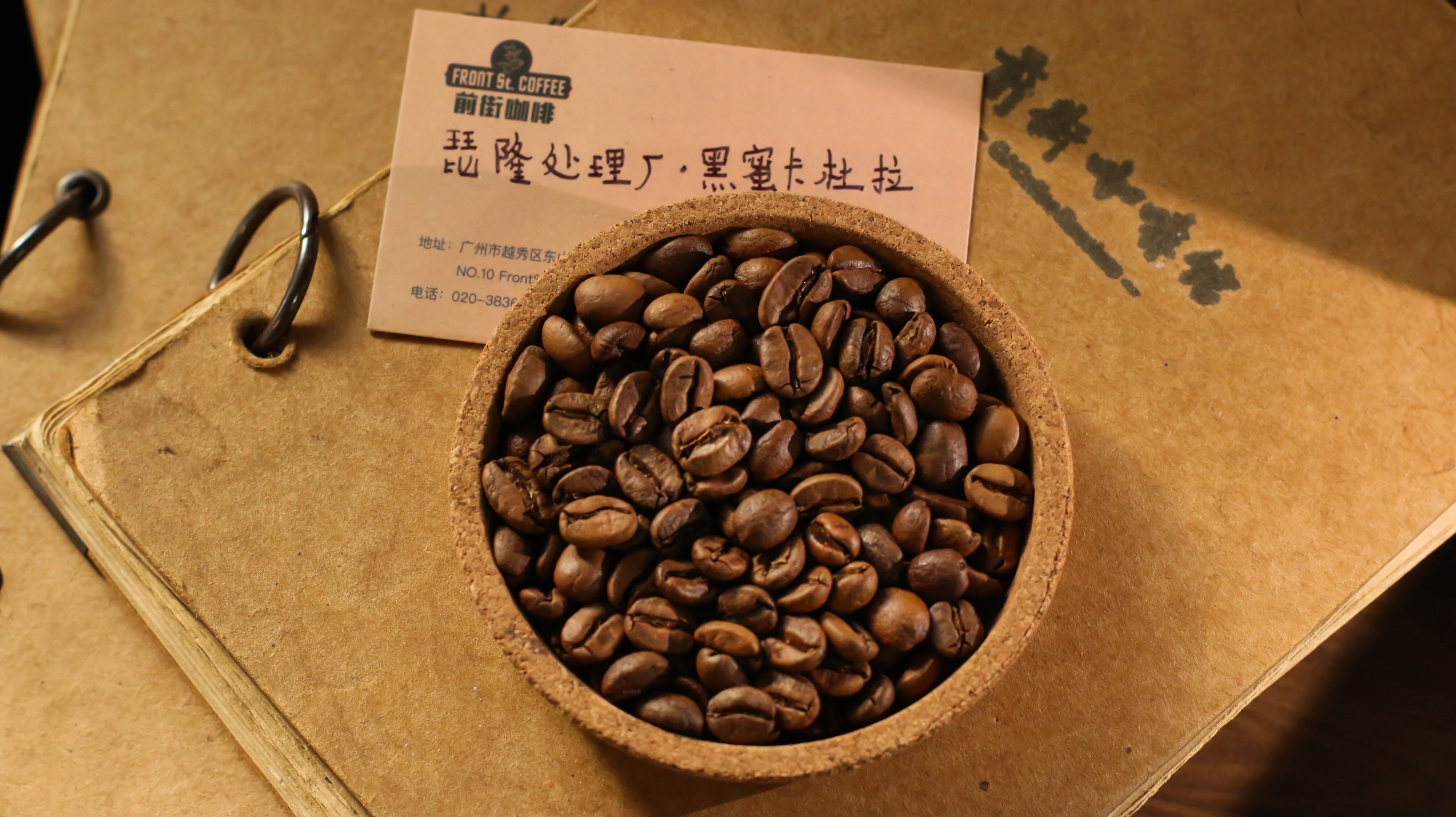
The defining features of raisin honey are "100% pectin retention" and "zero water processing." This means no water is used at any point to rinse or remove impurities, and because the pectin is fully retained, controlling the drying process becomes extremely critical. Drying takes longer and carries higher risk, and the demands on ambient temperature and humidity, ventilation, and timing are stricter. This method not only tests the coffee farmer's experience but also places higher demands on equipment and management, so raisin honey is considered a specialty coffee process even more difficult than black honey.