Is Blended Coffee Good for Pour-Over? Recipes and Flavor Pairing Guide

Introduction: Blended coffee is often misunderstood as being suitable only for espresso, but it can also present rich pour-over flavors. This article explains the definition of blended beans, the differences between traditional and modern blending goals, and explores how to combine beans from different origins and processing methods to create balanced and distinctive pour-over blends, while offering practical blending ideas and considerations.
In the specialty coffee wave, regional characteristics have become a focus for consumers—Ethiopian Yirgacheffe washed heirloom is known for its citrus notes and floral aroma, Panama Geisha displays delicate floral notes with an almond-nut finish, and Indonesian Mandheling shows herbal spice and a full body due to wet-hulling. Such single-origin coffees clearly express regional terroir and are therefore often chosen as the raw material for pour-over or espresso; the recent SOE (single-origin espresso) trend is a typical example.
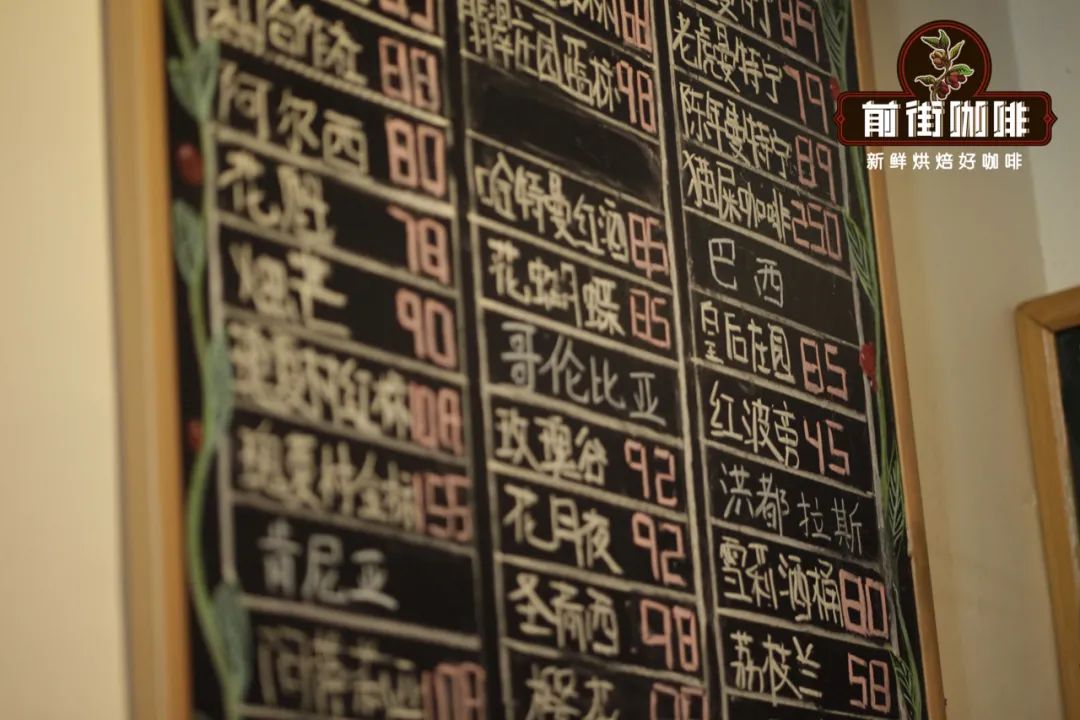
In contrast to single origin are blended beans, often labeled "espresso-only" or "heavy roast flavor." Blending essentially means mixing beans from different origins, processing methods, or even roast levels in certain proportions—for example, blending Colombian and Brazilian beans, or combining washed and natural beans—to merge clean fruit acidity with a berry base, or to create unique flavors by adjusting the ratio.
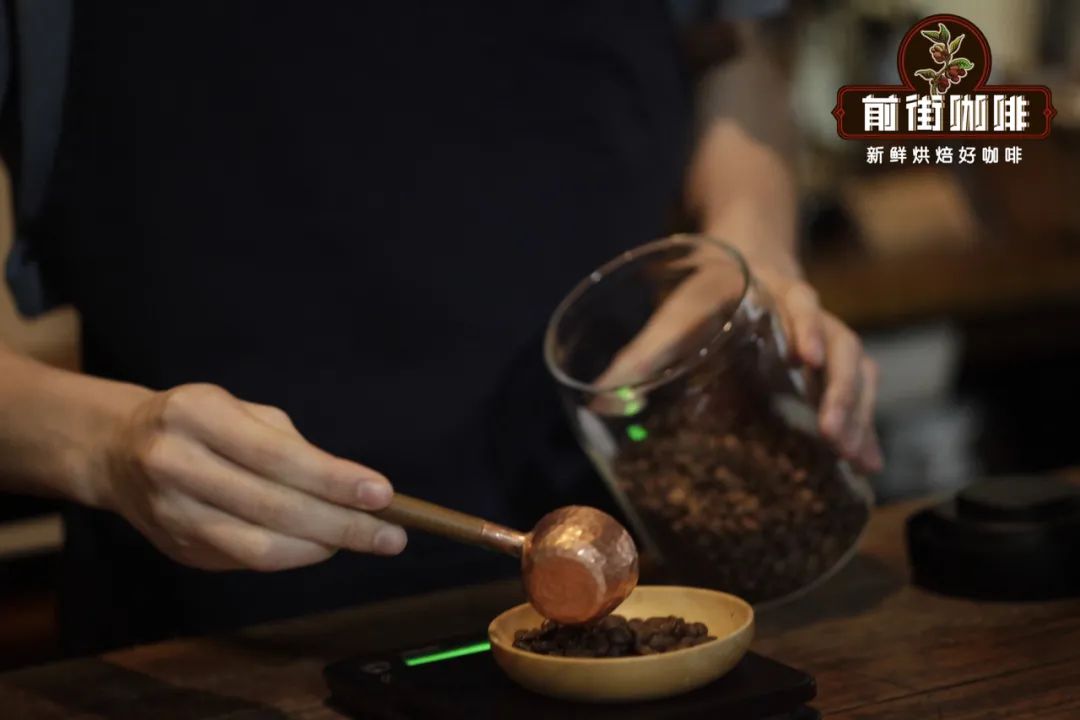
Traditional blending mainly serves two needs: first, flavor stability, using a composite recipe to reduce the impact of a single bean being out of stock or fluctuating in quality; second, cost control, adding a small amount of lower-priced beans and roasting darker to balance the overall performance. But with the development of specialty coffee, the meaning of blending has extended—skilled blenders use complementary bean characteristics to create layers that a single origin struggles to achieve. For example, a 2016 World Barista Championship competitor emphasized that the goal of their blend was to "interweave strengths" rather than mask defects, ultimately presenting a higher degree of balance.
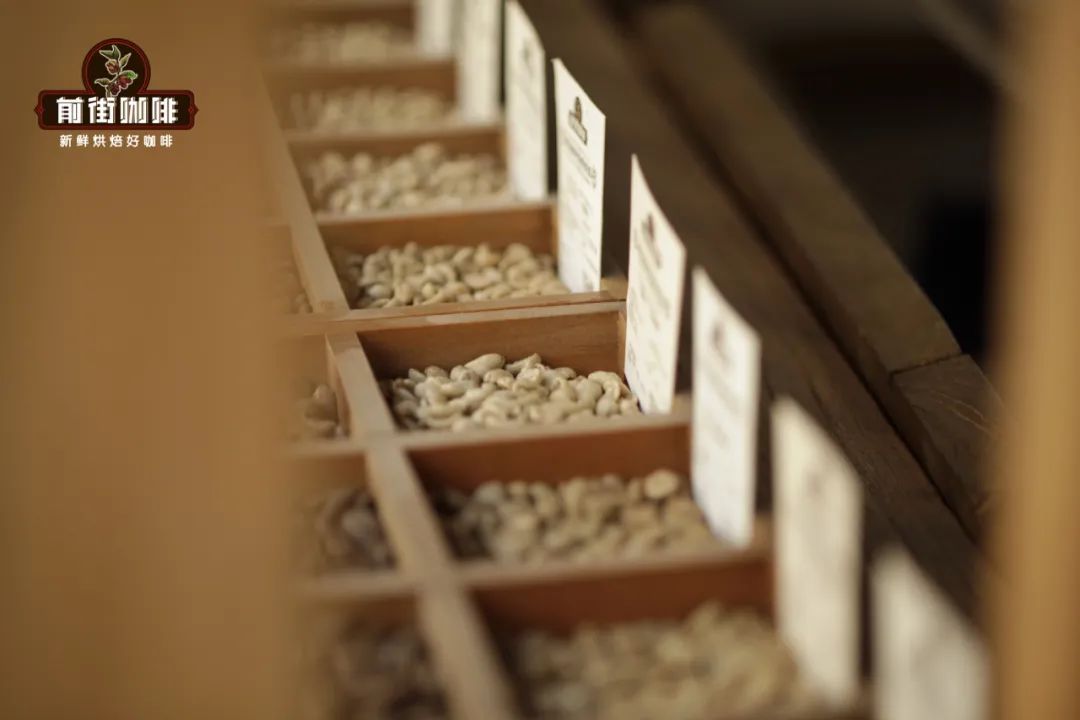
So can blended beans be used for pour-over? The answer is yes. A well-matched blend can likewise present rich flavor layers. For example, combining beans with a winey oak-barrel flavor and high-acidity natural beans may, after pour-over, present a balanced base of vinous notes, dark chocolate, and citrus acidity. The key is to adjust the blending strategy according to pour-over needs: if seeking bright acidity, increase the proportion of African beans; if preferring a full body, Asian origins or darker-roasted beans are more suitable.
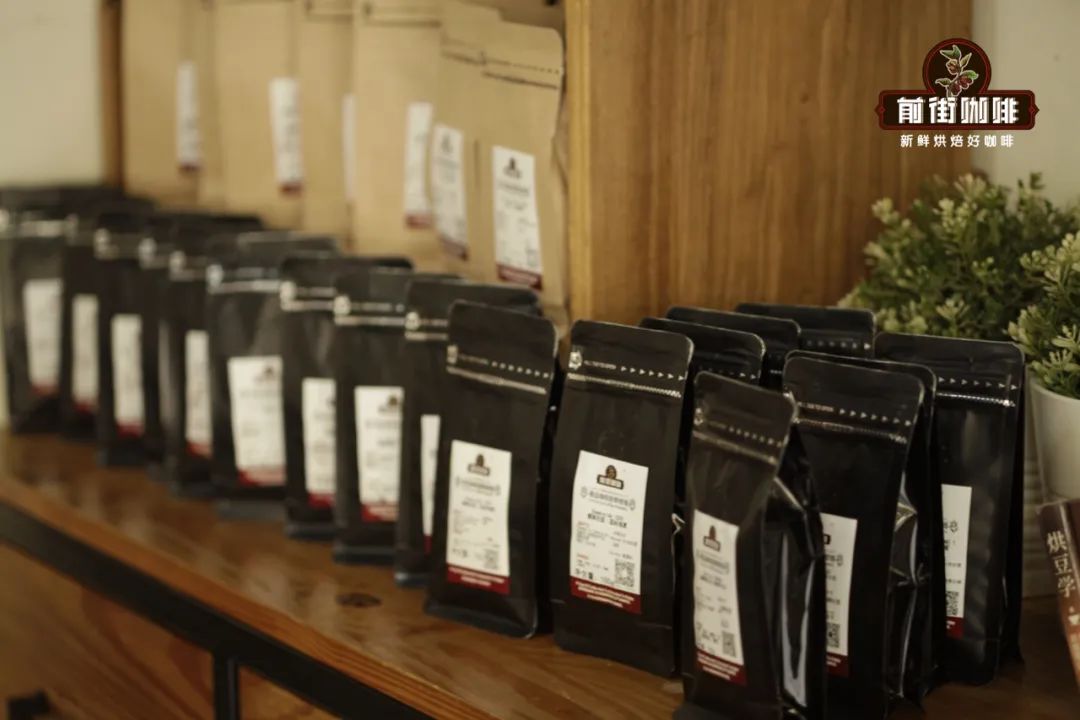
For enthusiasts, blending pour-over beans yourself is an interesting experiment. First, understand the basic flavor patterns: African beans generally have prominent fruit acidity, American beans have good balance, and Asian beans are full and intense; in terms of processing, washed is clean and refreshing, natural is full of fruitiness, honey processing falls in between, and wet-hulling has obvious herbal aroma. You can quickly judge characteristics by observing the bean bag information (such as origin, processing method, and variety description); some products also include a QR code for details.
Second, clarify the target flavor: want delicate floral and berry notes? Start with washed Geisha as the base and pair with natural Sidamo to enhance the fruity fleshiness; pursuing balance and fullness? Start with classic Colombia or Costa Rica and add Indonesian wet-hulled beans to enhance the layers. When blending, it is recommended to start with small-proportion trials, record the proportion of each bean and the final flavor performance, and gradually optimize the recipe.
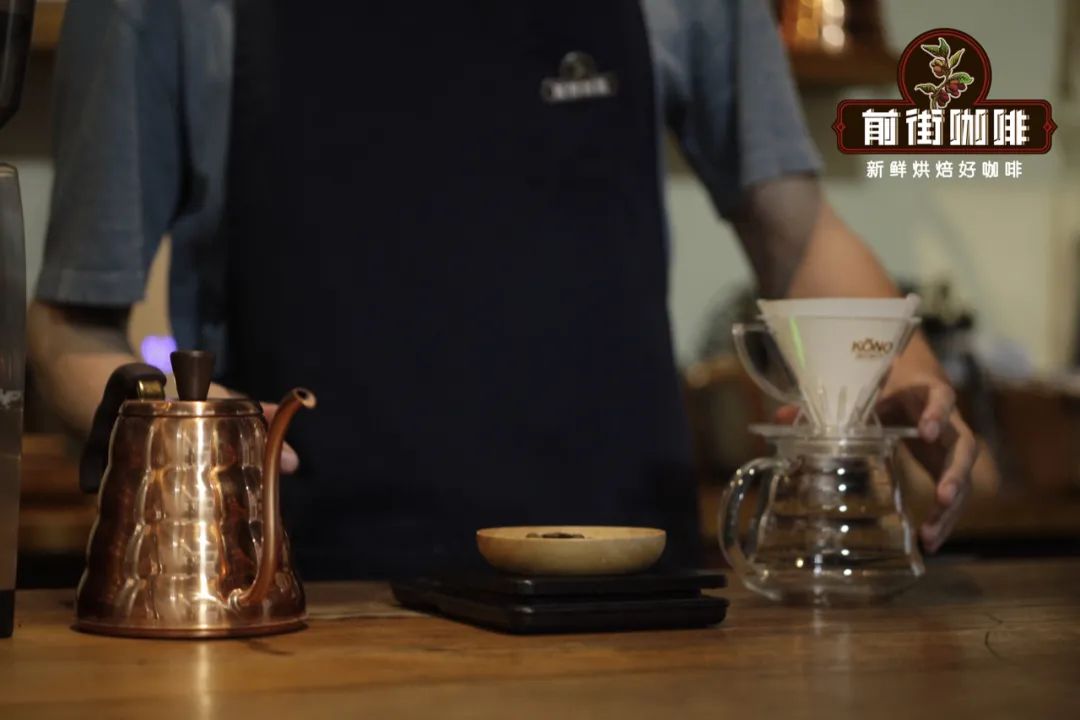
Note that blending is not simple mixing—an improper ratio of dark and light roasted beans may cause flavor conflicts. It is recommended to focus on light-to-medium roast (such as 80% light roast + 20% medium roast) to avoid overly masking regional characteristics. In addition, freshness is crucial; all beans used in the blend should ideally be used within 2-4 weeks after roasting to ensure the best extraction state.


