Ethiopia's Operation Cherry Red: A Guide to Sun-Dried Yirgacheffe
Introduction: An in-depth look at the origins and workings of Ethiopia's Operation Cherry Red, revealing how picking only fully ripe cherries improves coffee quality. The focus is on the program's most representative sun-dried Yirgacheffe G1 beans, covering everything from elevation and processing to brewing suitability, decoding the flavors of bright fruit acidity, berry notes and a black tea finish, with professional pour-over parameters.
The soul of coffee flavor comes from the interplay of growing environment and processing. Elevation determines sugar accumulation, soil type affects mineral content, and precise control of harvest timing directly determines the final quality of the beans. Among these factors, managing the ripeness of the coffee fruit is especially critical—and this is exactly the core breakthrough of Ethiopia's Operation Cherry Red.
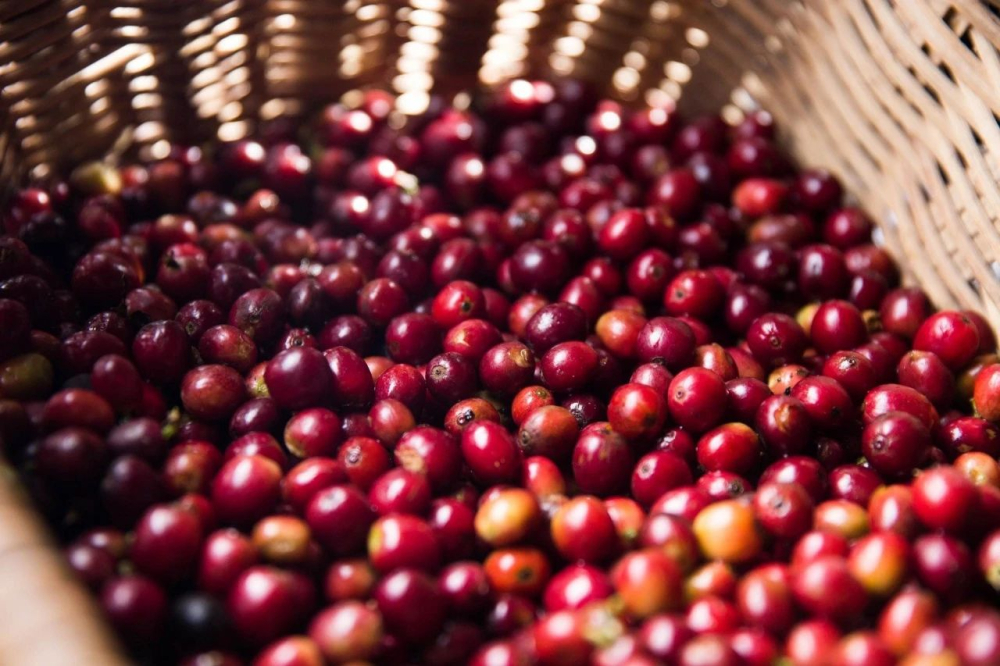
Coffee fruit presents an interesting contrast with common assumptions: the seemingly hard coffee bean is actually a plant seed, wrapped in red flesh that resembles a cherry. These "coffee cherries" usually grow in clusters at the leaf axils, with a single cluster containing dozens of fruits depending on the variety, but they ripen in a markedly staggered order. Traditional mechanical harvesting is efficient (as commonly seen in Brazil's flat growing regions) but cannot distinguish ripeness; by contrast, the steep slopes of high-altitude mountain areas make selective hand-picking a necessary means of ensuring quality.

For a long time in the development of specialty coffee there was a quality paradox: constrained by the purchasing system, farmers prioritized maximizing yield over optimizing flavor. The turning point came in 2007, when Dutch green coffee trader Trabocca launched a revolutionary project—Operation Cherry Red—reshaping the value distribution of the supply chain by establishing a standard for harvesting only fully ripe cherries.
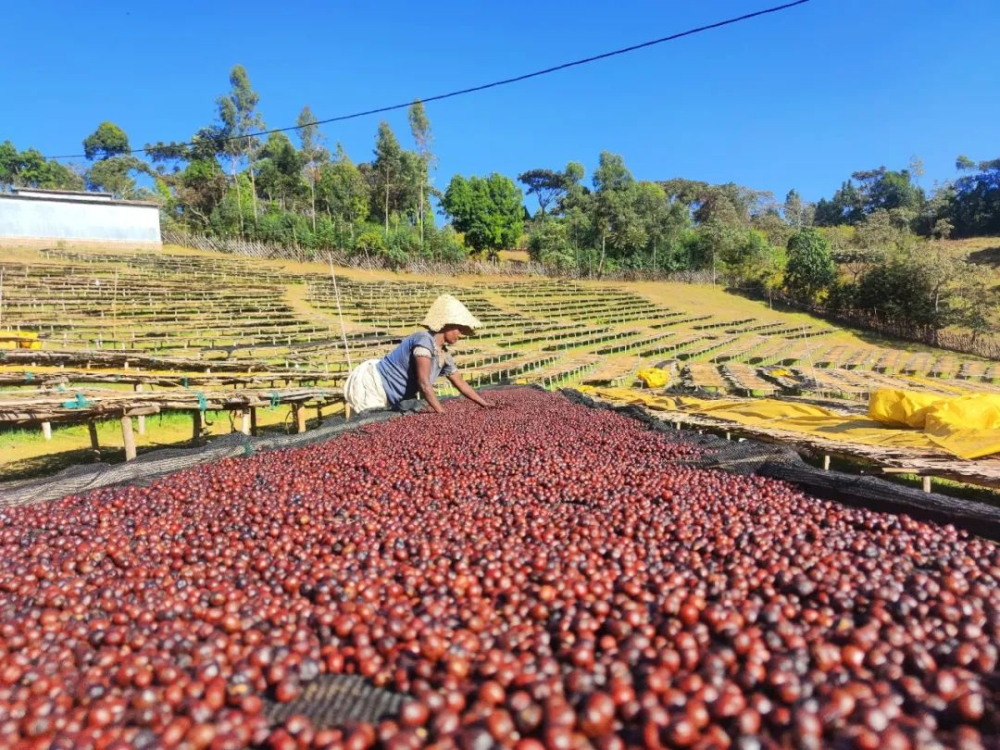
The program implemented three major innovations: first, it strictly limited picking to 100% ripe red cherries, which must be hand-selected one by one; second, it kept individual lots to a fine-grained range of 1.5–3 tons; and more importantly, it built a quality reward mechanism in which, through a dual-city cupping system in Addis Ababa and Amsterdam, qualifying lots could earn 4–20 times the premium at international auction. Supporting measures included donating professional sun-drying equipment, providing low-interest loans and technical training, forming a closed loop of quality control from cultivation to harvest.
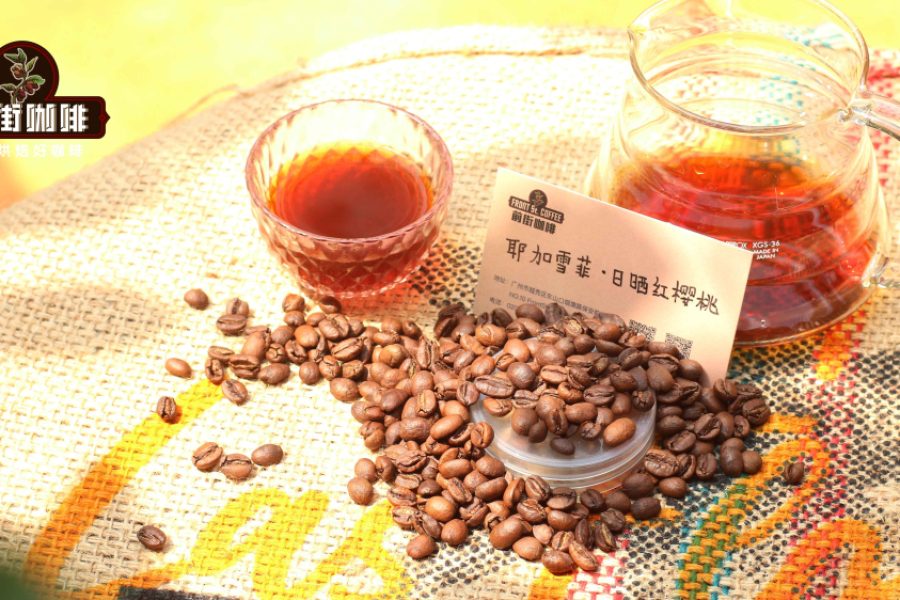
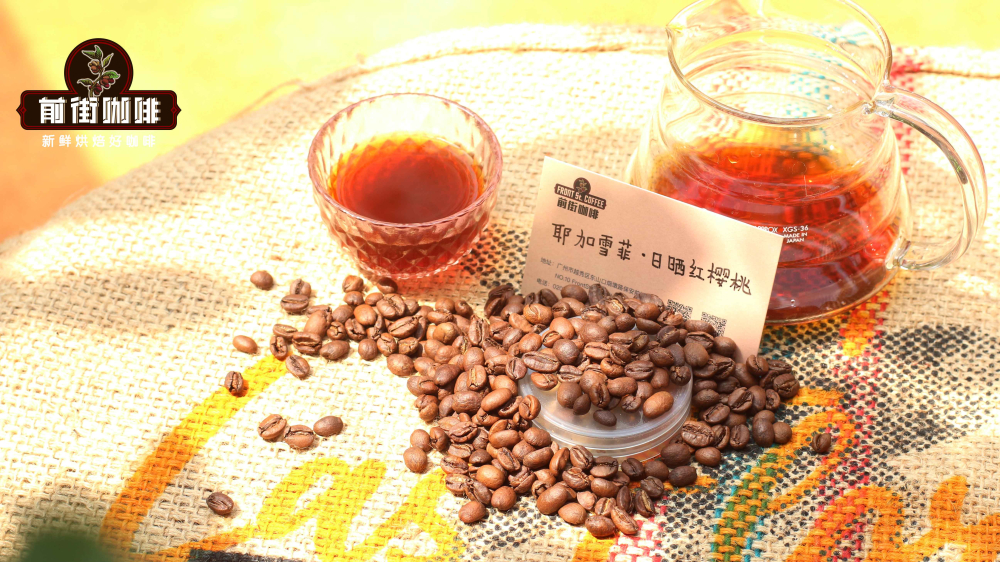
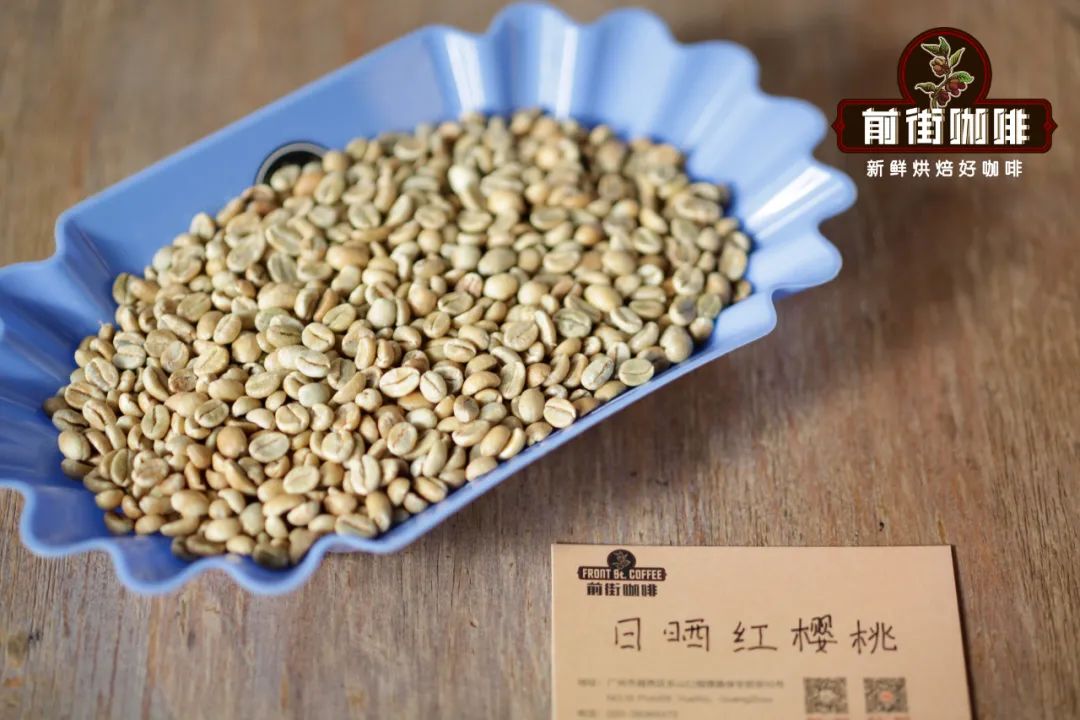
Take the classic sun-dried Yirgacheffe under this program: its G1 green beans typically grow at 1,800–2,100 meters, and after more than 21 days of natural drying, the mucilage layer and the seed interact fully to create unique flavor layers. A typical flavor profile includes tropical berries, citrus-like acidity, honey sweetness and a delicate black tea finish, with SCAA cupping scores generally reaching 86 points or above. These specialty-grade sun-dried beans, plump and high in density, are especially suited to pour-over extraction at 92–94°C; a 1:15 coffee-to-water ratio is recommended, and when pouring in stages, make sure the bloom water in the first stage just covers the entire coffee bed.
The success of Operation Cherry Red validates the feasibility of a quality-oriented model: by establishing a transparent premium channel, it gives farmers returns of US$3–5 per kilogram above market price, while propelling Ethiopian coffee to benchmark status in the international market. The system has now expanded to eight major regions including Sidama and Yirgacheffe, covering more than ten derivative processes such as washed and honey, among which sun-dried Yirgacheffe, with its bright fruity character, has become the go-to vehicle for coffee lovers to experience Ethiopia's native terroir.
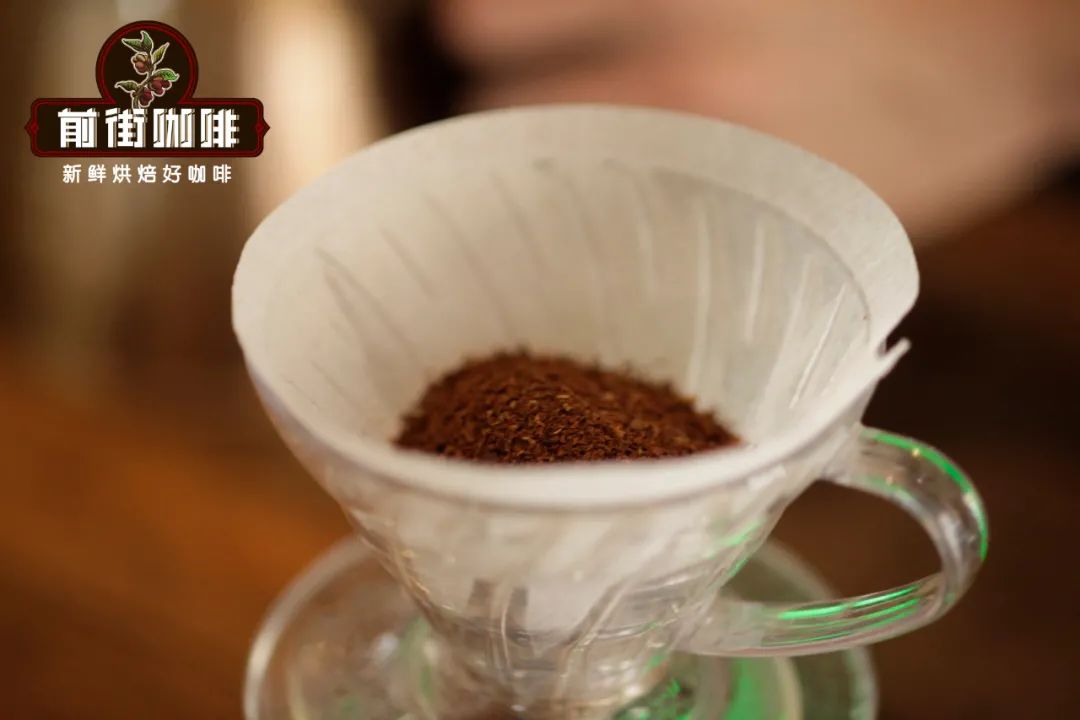
For home brewers, buying this kind of specialty sun-dried bean requires attention to three points: check whether the beans are deep brownish-red with an even, glossy sheen; smell the dry aroma for clear fermented fruit notes without off-odors; and after grinding, the grounds should give off berry aromas such as blueberry. For brewing, a V60 or conical dripper is recommended, with a steady pour at a medium-coarse grind (about 70% passing a Chinese standard No. 20 sieve), and the second pour can be slowed appropriately to fully extract the sweet compounds.
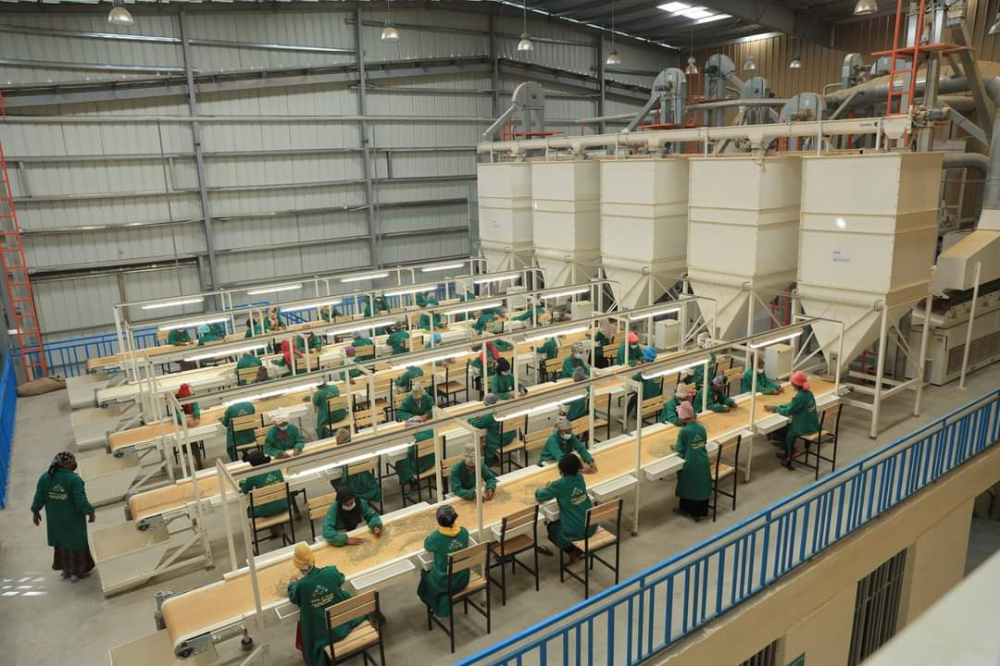
This quality revolution, begun at the turn of the century, not only brings coffee lovers worldwide better-flavored beans but also restructures how value is distributed along the coffee supply chain. When every fully red cherry passes through twelve rounds of hand sorting, and when traditional processing methods merge perfectly with modern quality-control standards, every sip of richness in our cup is the best interpretation of the Ethiopian highlands' sunshine and the farmers' craftsmanship.