Pour-Over Coffee Grind Size Guide: Adjusting Coarseness by Extraction
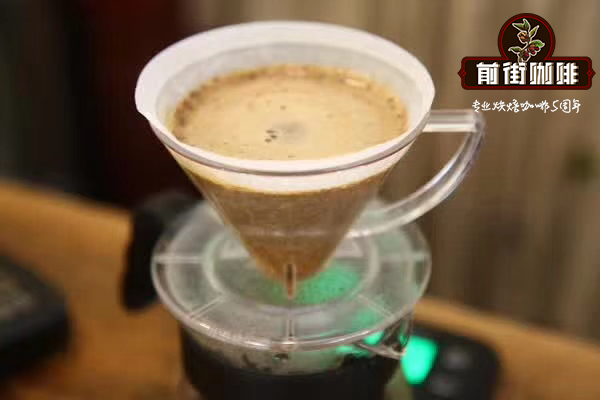
Introduction: Grind size is one of the key factors affecting pour-over coffee flavor. The right coarseness balances extraction time and water flow rate, preventing over-extraction or under-extraction. This article explains grind parameters for different brewing methods, teaches you to adjust particle size by observing extraction, and offers practical judgment tips to help beginners quickly find the grind size that suits their taste.
The grind coarseness of coffee grounds directly affects extraction efficiency and final flavor. The finer the coffee particles, the larger the total surface area in contact with water, and the faster flavor compounds dissolve; conversely, coarser particles have less contact area and extract more gently. Understanding the relationship among these three—contact time, extraction rate, water flow rate—is the core logic of adjusting grind size.
In brewing methods with short contact time (such as the AeroPress), a finer grind is needed to ensure full extraction; while in long immersion brewing (such as the French press), a coarse grind prevents excessive release of bitter compounds. Pour-over coffee usually falls between the two; in most cases a medium-fine to medium grind is recommended, similar to the texture of fine granulated sugar.
Grinding too fine slows the water passing through the filter paper, prolonging extraction time. Although this may bring a fuller mouthfeel, if dripping is not complete after 2 minutes, bitterness and a muddy quality are likely. Conversely, grinding too coarse lets water pass quickly through the coffee bed, causing under-extraction, and the coffee tastes thin and lacking in layers.
The intuitive way to judge whether the grind is right is to observe the extraction process: ideally, the coffee liquid should drip at a steady rate, with a single-cup extraction time of about 2.5 to 3 minutes. If the flow is too fast (e.g., dripping finishes in only 1 minute), try adjusting the grinder setting half a step finer; if the flow is too slow or even clogged, adjust coarser.
Personal taste preferences should also be taken into account. Those who prefer bright acidity and a clear mouthfeel can choose a slightly coarser grind; drinkers who favor a full body and a rich finish will find a slightly finer grind more suitable. It is recommended to adjust no more than 1/4 turn of the setting each time, testing gradually to find the best balance point.
Common beginner mistakes include blindly pursuing “fine powder = good flavor” or ignoring differences in grinder performance. Conical and flat burr grinders produce particles of different uniformity, so the actual result at the same setting may vary. Regularly cleaning oil residue from the burrs is also important; otherwise it affects the accuracy of subsequent grinding.
Mastering grind adjustment requires accumulated practice. Recording the grind setting, water temperature, coffee-to-water ratio and extraction time each time, and comparing flavor notes, helps you build your own parameter system faster. Remember, there is no absolutely correct number—only the plan best suited to the characteristics of the coffee beans at hand.


