Barista Reveals: Best Coffee-to-Water Ratio for Americano and Flavor Enhancement Tips
Introduction: Want to make an Americano at home that rivals a coffee shop? This article explains the golden ratio logic of espresso plus water, from 1:6 to 1:8 coffee-to-water ratios with tested data, tackles the three root causes of sour and astringent flavors, and compares the detailed differences between iced and hot versions. Included are extraction parameter tables and crema handling methods used by professional baristas to help you precisely control the flavor layers of every cup.
As the most basic coffee form worldwide, Americano actually hides many technical details. Unlike the simple brewing common in convenience stores, specialty café Americanos are usually made from espresso and hot water, and their flavor expressiveness can even surpass some milk coffees. Once you master the core parameters, even home equipment can consistently produce quality drinks.

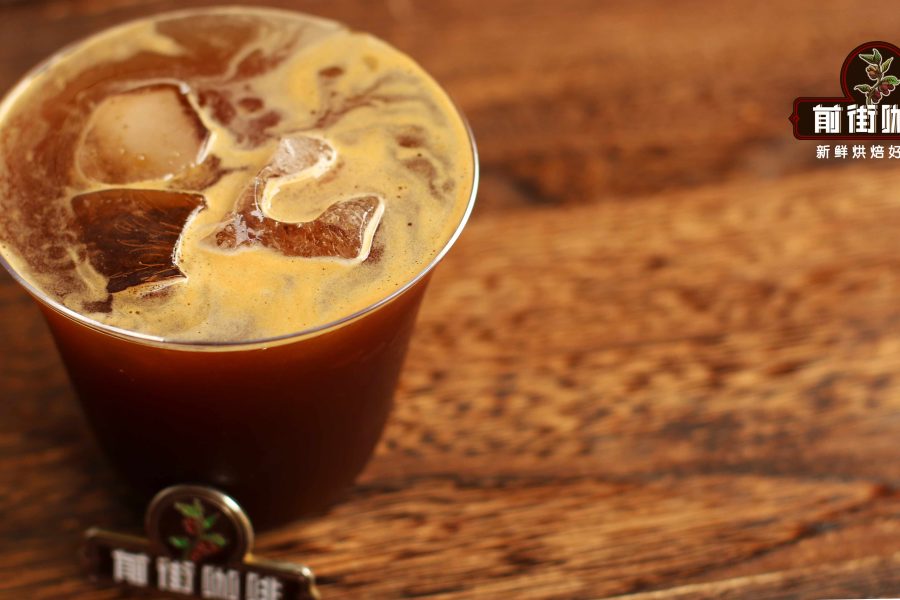
Making a quality Americano requires grasping just two key elements: the espresso base and the water ratio. For a standard hot Americano, a coffee-to-water ratio of 1:6 to 1:8 is recommended; test data shows that 1:6 (40g espresso + 240g hot water) balances strength and mouthfeel. If you prefer a lighter version, gradually adjust to 1:8. For iced Americano, because room must be left for ice cubes, a 1:7 ratio is recommended (40g espresso + 280g ice-water mixture), with ice making up about 64% to ensure temperature balance.
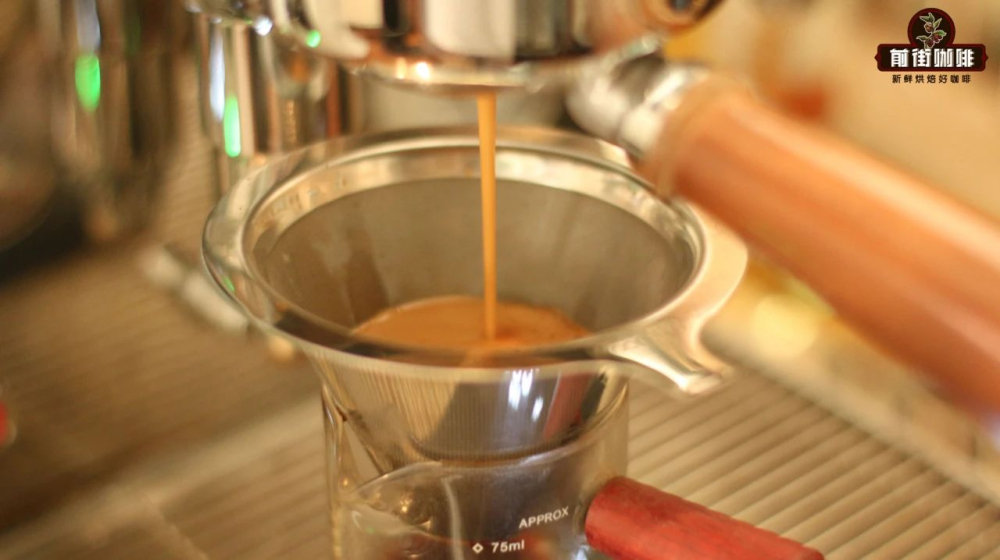
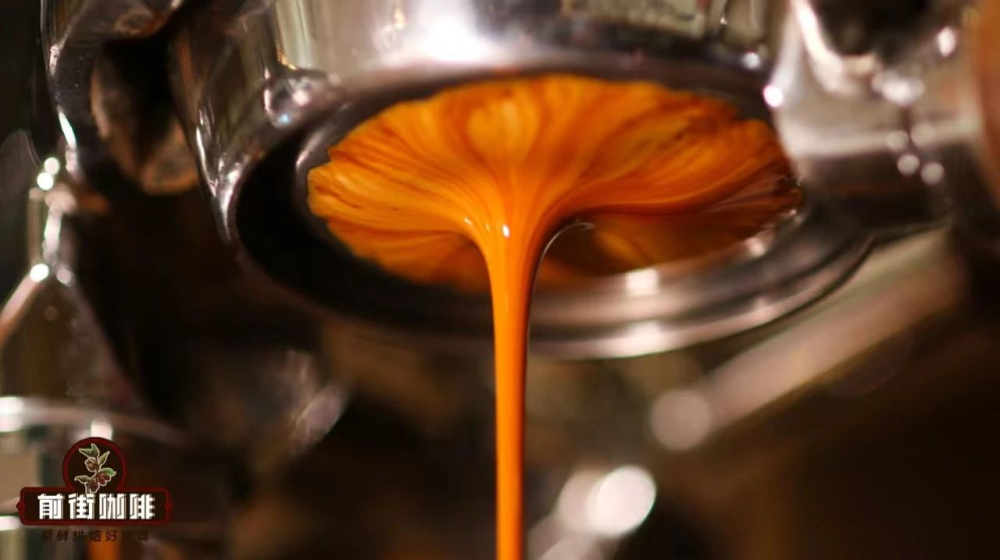
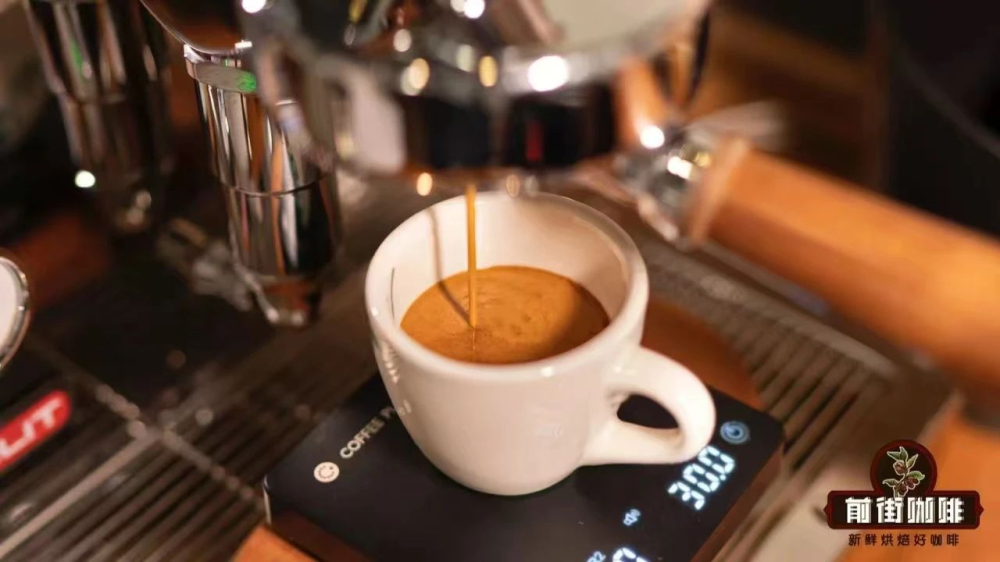
The parameters for making espresso directly affect the final flavor. Using a medium commercial grinder as an example, the recommended basic extraction plan is: 20g freshly roasted coffee grounds, extraction time controlled at 27±1 seconds, targeting 40g of thick coffee liquid. If using light-roast beans, extend extraction to 30 seconds and coarsen the grind; for dark-roast beans, shorten to 25 seconds with a finer grind. Watch the flow rate—the ideal state should be a slow, honey-like drip.
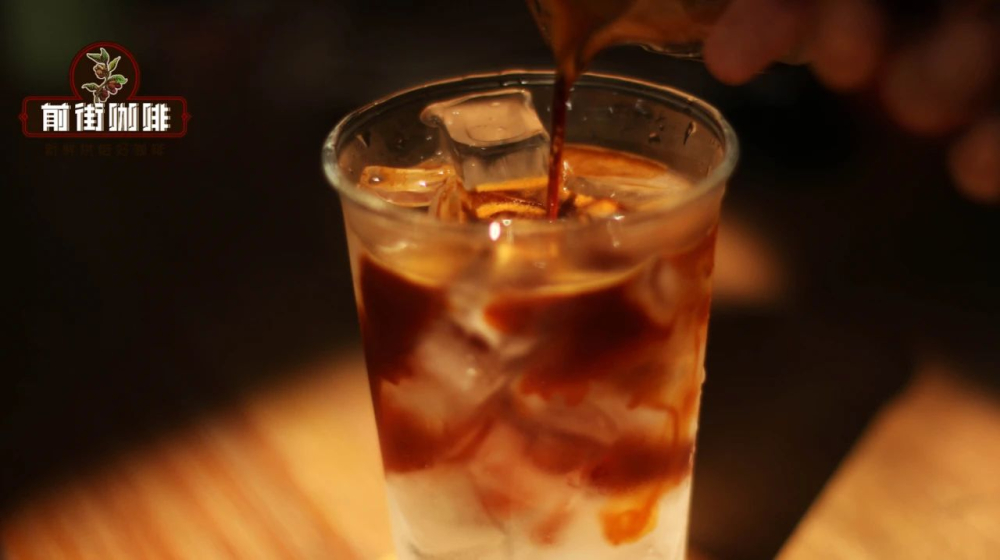
Water temperature control is often overlooked but crucial. For hot Americano, use 92-94°C hot water to preheat the cup before pouring; this effectively brings out the coffee's caramel and nutty notes. Avoid boiling water (above 96°C), which causes excessive release of tannic acid and produces a noticeable bitterness. For iced Americano, pre-chill the cup, layer in ice and cold water, then slowly pour in the espresso to prevent a sudden temperature change from affecting flavor release.

For the common sour and astringent issue, the root causes mostly come from three aspects: first, using light-roast single-origin beans (such as Ethiopian natural beans); it is advisable to switch to a medium-roast blend to balance acidity; second, under-extraction (coffee-to-liquid ratio exceeding 1:3 or time under 20 seconds), which can be improved by adjusting the grind finer or increasing the dose; third, water hardness being too high; filtered or mineral water is recommended (TDS 50-150mg/L).

There is clear controversy over handling crema. Professional comparative tests show: Americano with the full crema retained has about 15% higher body, with a distinct dark chocolate finish; after skimming off the crema, the mouthfeel is cleaner and perceived acidity is reduced by 20%. In practice, if you seek a rich, layered traditional flavor, keep the crema; when making standardized chain-style drinks, consider lightly skimming the surface for a more consistent mouthfeel.
Advanced tip: when using a moka pot to pre-extract espresso, adjust the coffee-to-water ratio to 1:2 (18g coffee + 36ml water) to obtain a richer base through pressure extraction. Home users can choose the three-stage pouring method—first pour 30% of the total water to quickly saturate the grounds, then complete the remaining extraction at a constant flow rate, which effectively improves crema quality and flavor uniformity.