Pour-Over Extraction Time: From Parameters to Flavor
Introduction: The flavor presentation of pour-over coffee is closely tied to extraction time, yet beginners often overlook it. This article deeply breaks down the relationship between extraction time and concentration and grind size, provides a 2-minute golden window reference, explains the logic of the classic 1:15 coffee-to-water ratio, and details the key points of the three-stage pouring method. Through practical techniques such as observing the coffee bed state and training water-flow stability, it helps you precisely control the flavor balance of every cup.
In the specialty coffee world, the pour-over method has become the mainstream choice for coffee enthusiasts thanks to its controllability. Most beginners tend to focus on explicit parameters such as water temperature and grind size, but easily underestimate the decisive role of extraction time—an indicator often simply regarded as "bloom duration," yet it directly affects the flavor layers and concentration the coffee ultimately presents.
Regulating extraction time is essentially a balancing act of extracting flavor compounds. Extending extraction time causes the acids, sugars, and bitter components in the coffee to keep dissolving, creating a fuller mouthfeel and a more pronounced contrast among sweetness, acidity, and bitterness; conversely, a shorter extraction preserves more delicate citrus notes and floral aromas but may lack complexity. Professional roasters recommend keeping the base extraction duration within the 120-130 second range, ensuring full extraction without going too far.
The intuitive way to judge whether extraction is sufficient is to observe the state of the coffee bed. Ideally, the brewed coffee grounds should show an even, fluffy, flocculent structure. If the bed congeals into a muddy state, it usually means the grind is too fine, causing channeling—fines clog the gaps in the filter paper and slow the water flow; in this case, adjust the grind setting one step coarser (for example, from a No. 20 sieve to No. 18). Conversely, if the water has already passed through quickly before reaching the standard time, it indicates the particles are too large and extraction is insufficient, so the grind should be adjusted finer.
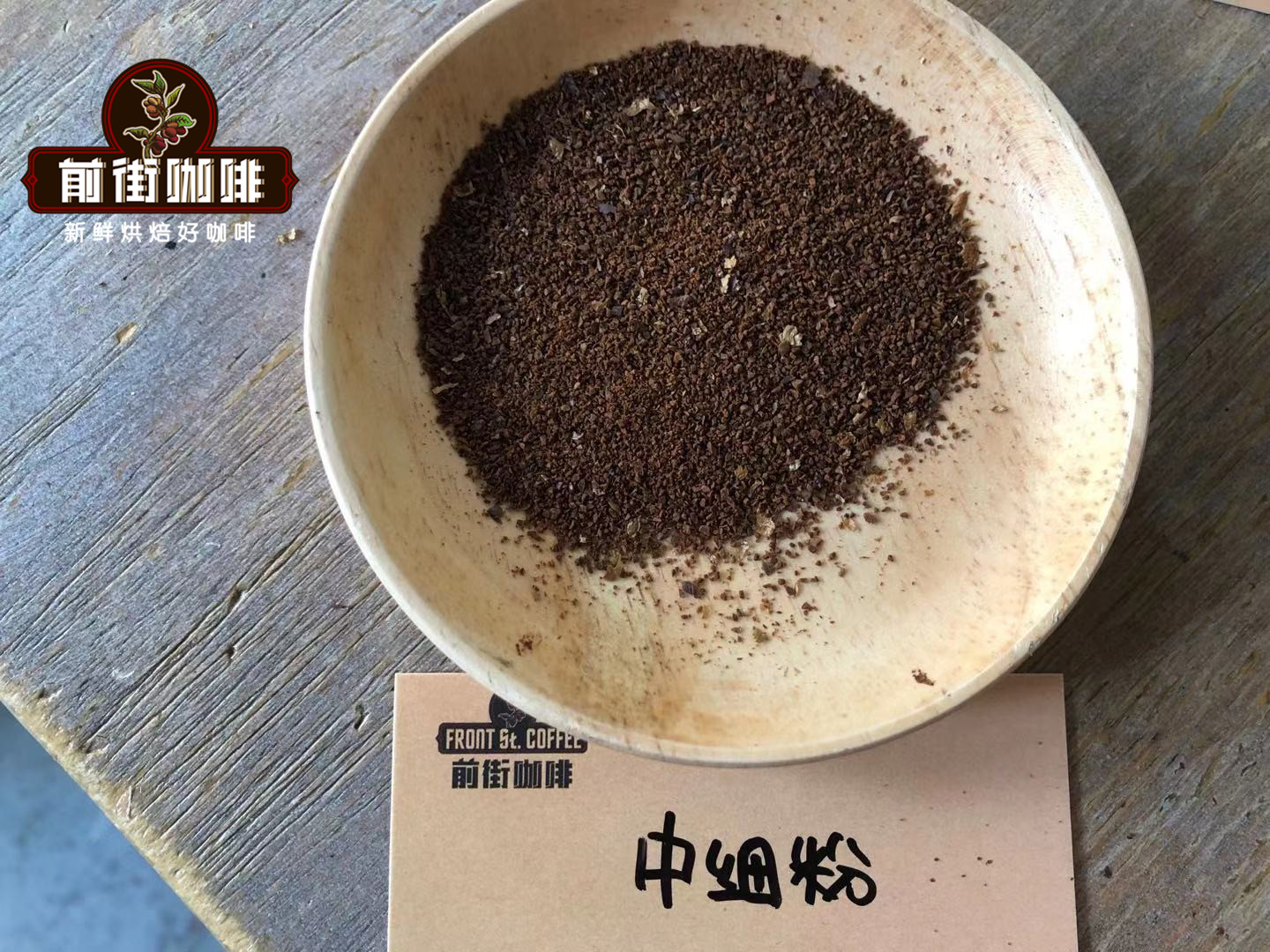
There is a scientific standard for matching grind size to equipment: cold-drip systems require an extremely coarse grind (about 80% pass rate), while pour-over coffee recommends a medium grind of No. 18-20 sieve (70-75% pass rate), between moka pot (75-80%) and French press (65-70%). This fine-tuned control ensures water passes through the coffee bed at the ideal rate of 1-2 milliliters per second, avoiding both the burnt bitterness of over-extraction and the sharp acidity of under-extraction.
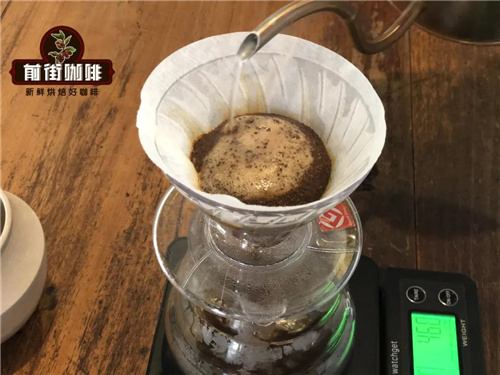
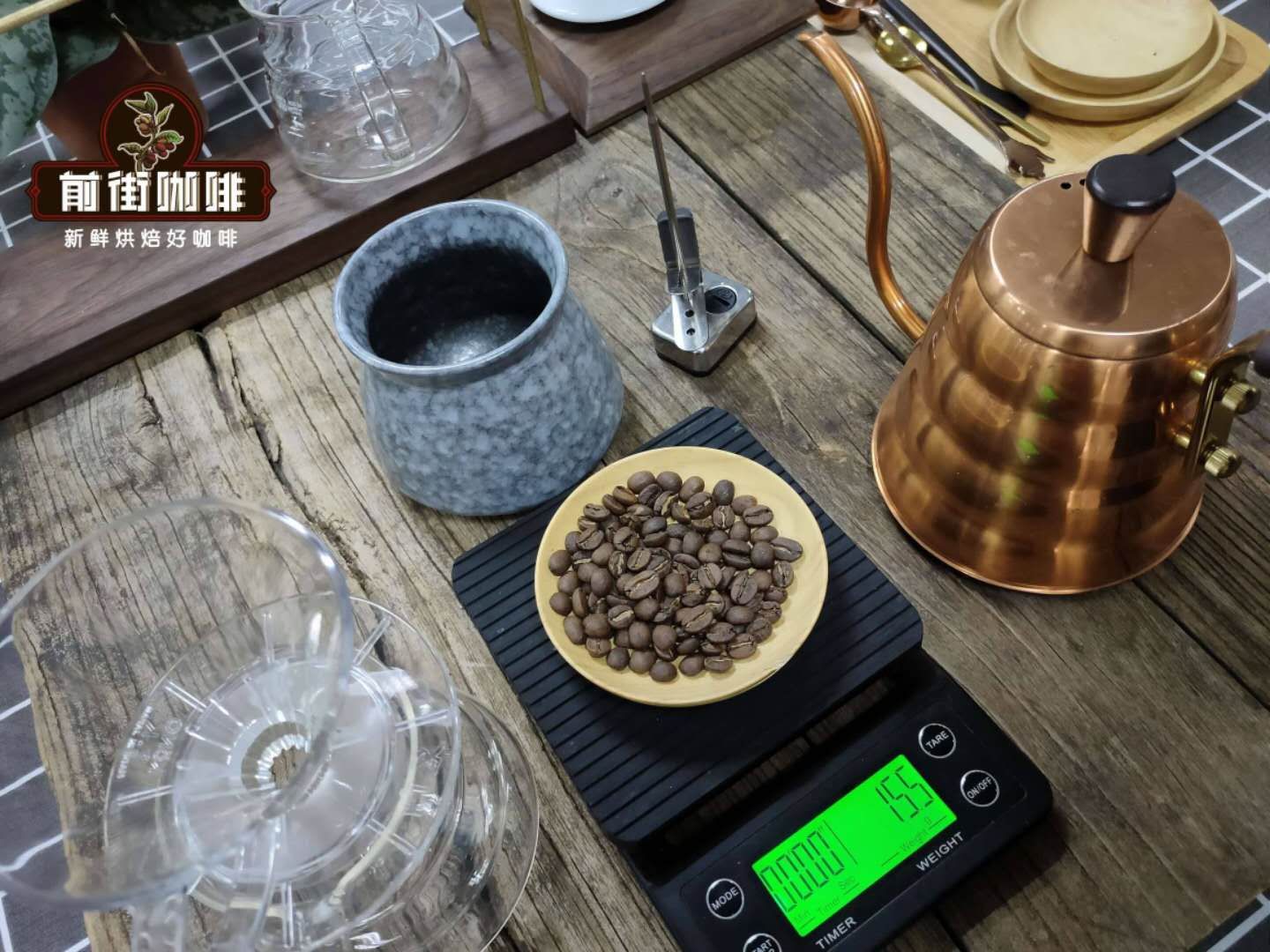
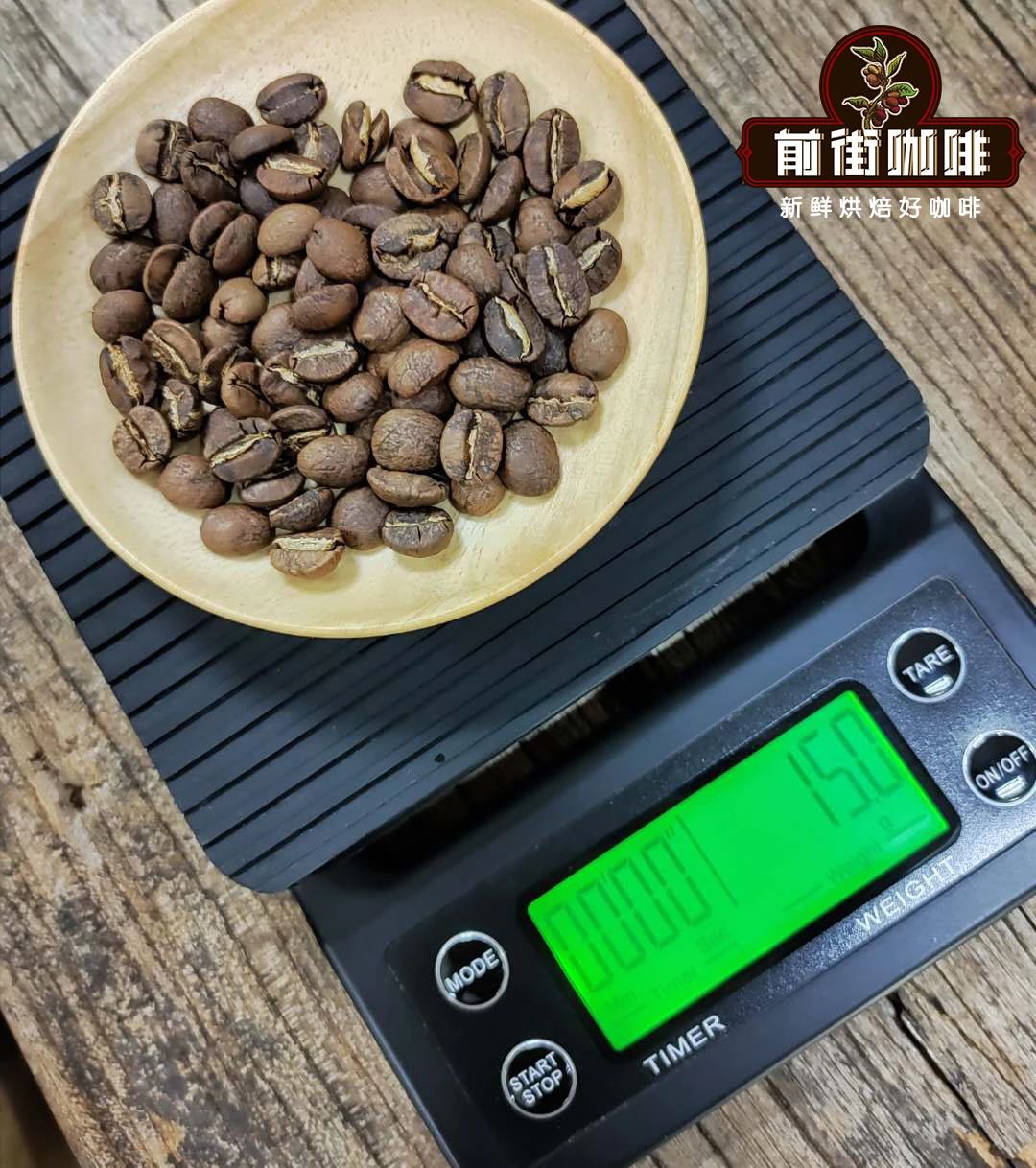
The coffee-to-water ratio is another core variable. Using the golden ratio of 1:15 to 1:17 (for example, 15 grams of coffee to 225-255 milliliters of water) maintains a palatable concentration while leaving ample room for flavor compounds to dissolve. In practice, it is recommended to measure precisely with a digital scale to avoid parameter deviations from estimating by experience—clinical tests show that an error of 1 gram of coffee powder can cause overall concentration to fluctuate by as much as 7%. For daily brewing, you can first fix the dose (for example, 15-20 grams) and fine-tune concentration by increasing or decreasing the water amount.
Water-flow control technique directly affects extraction uniformity. When practicing, point the spout of the pour-over kettle at the center of the coffee bed, keep the kettle vertical to the dripper, and pour slowly in a figure-eight trajectory. Advanced brewers can use a staged pouring method: the first stage pours 30 grams of hot water and blooms for 30 seconds to activate the aroma; the second stage pours in a small stream in circles until reaching 125 grams; when the water level drops to the surface of the coffee bed, continue pouring to a total volume of 225 grams. Throughout, maintain a steady stream (about 1.5 centimeters in diameter) and avoid pulsing pours that surge and shrink, which disrupt the coffee bed structure.
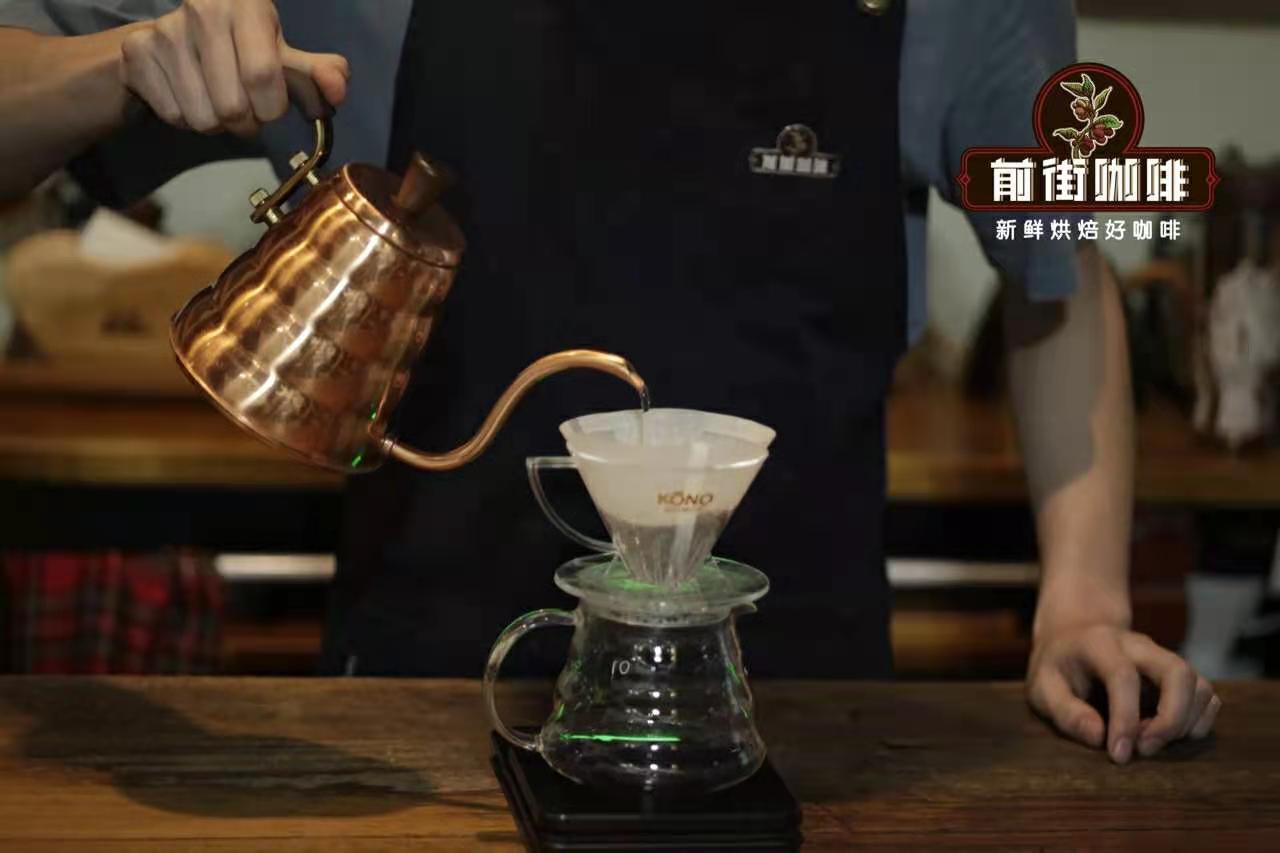
A recommended basic brewing recipe: use a medium-fine grind (similar to the texture of granulated sugar), 15 grams of coffee powder with 225 milliliters of 92°C hot water. In the first stage, bloom with 30 grams of water for 30 seconds; in the second stage, pour 95 grams of water in circles to reach 125 grams; in the final stage, use 100 grams of water to complete extraction, with the total duration strictly controlled at 2 minutes 00 seconds ± 10 seconds. These parameters suit most medium-roast single-origin beans; adjust grind size and pouring speed slightly based on actual flavor feedback.


