Jamaican Blue Mountain Coffee: Flavor, Processing, and Authenticity Guide
Introduction: Jamaican Blue Mountain coffee is hailed as one of the world's top coffees, yet it is difficult to verify and expensive. This article takes an in-depth look at the growing environment, processing methods, flavor characteristics, and grading system of authentic Blue Mountain coffee, helping coffee lovers distinguish genuine from fake, understand its unique appeal, and offering professional brewing advice to help you experience the true Blue Mountain flavor.
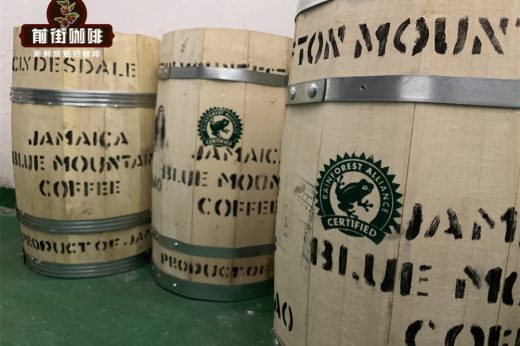
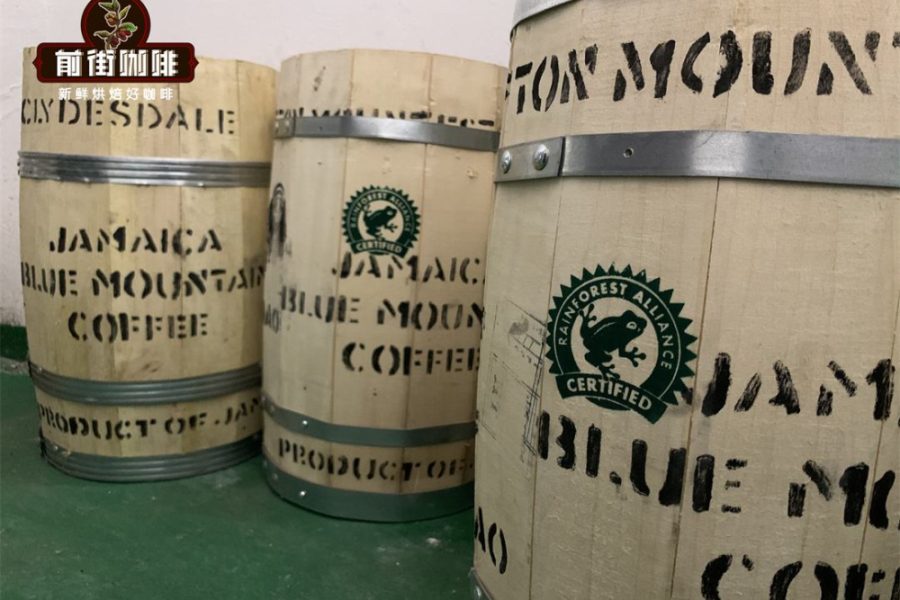
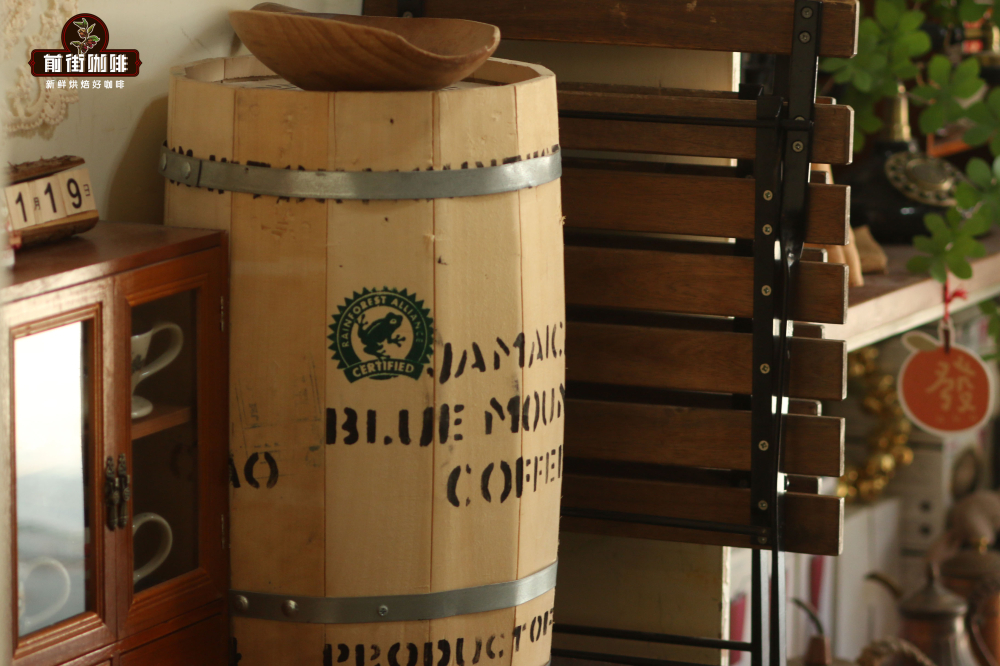
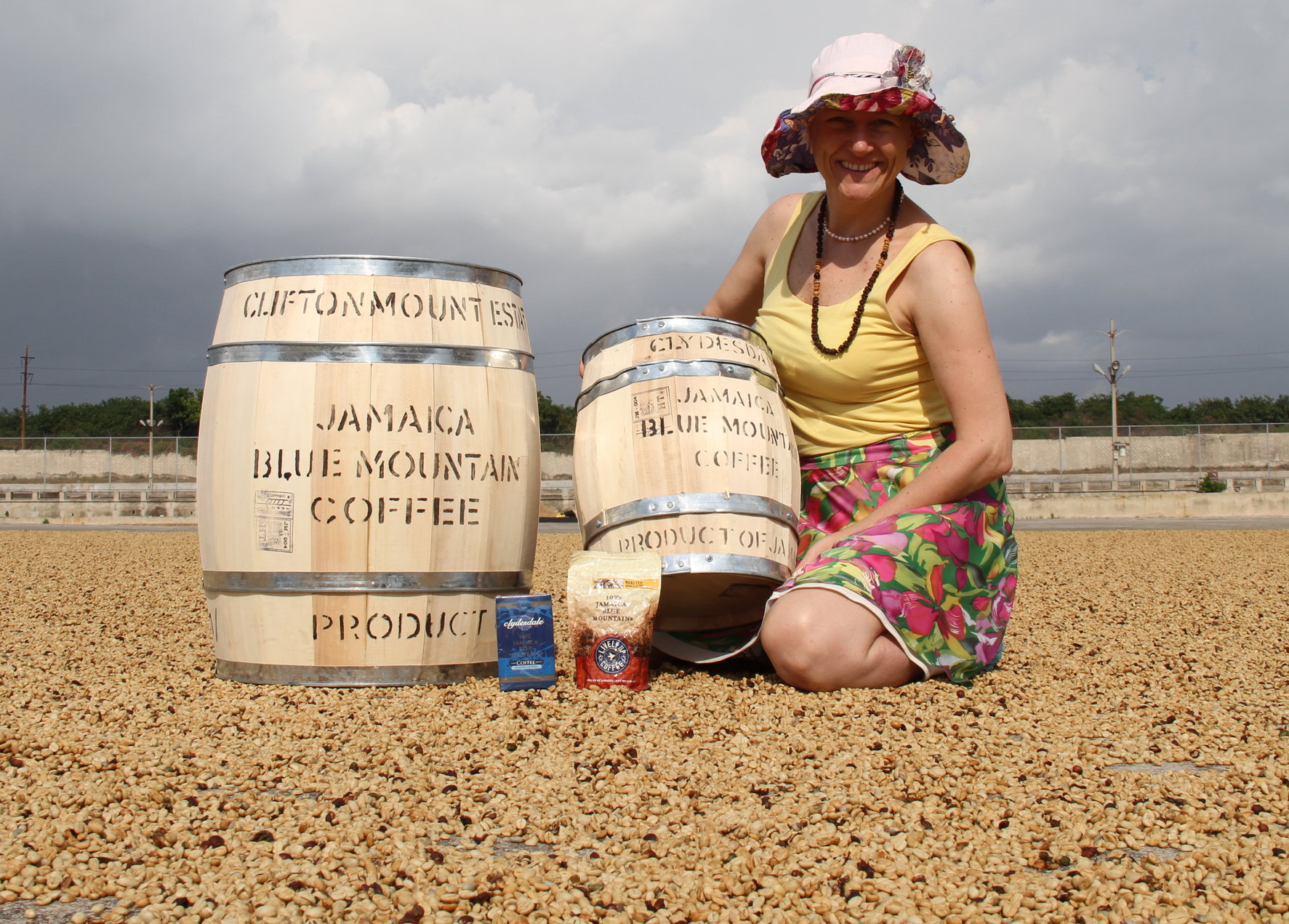
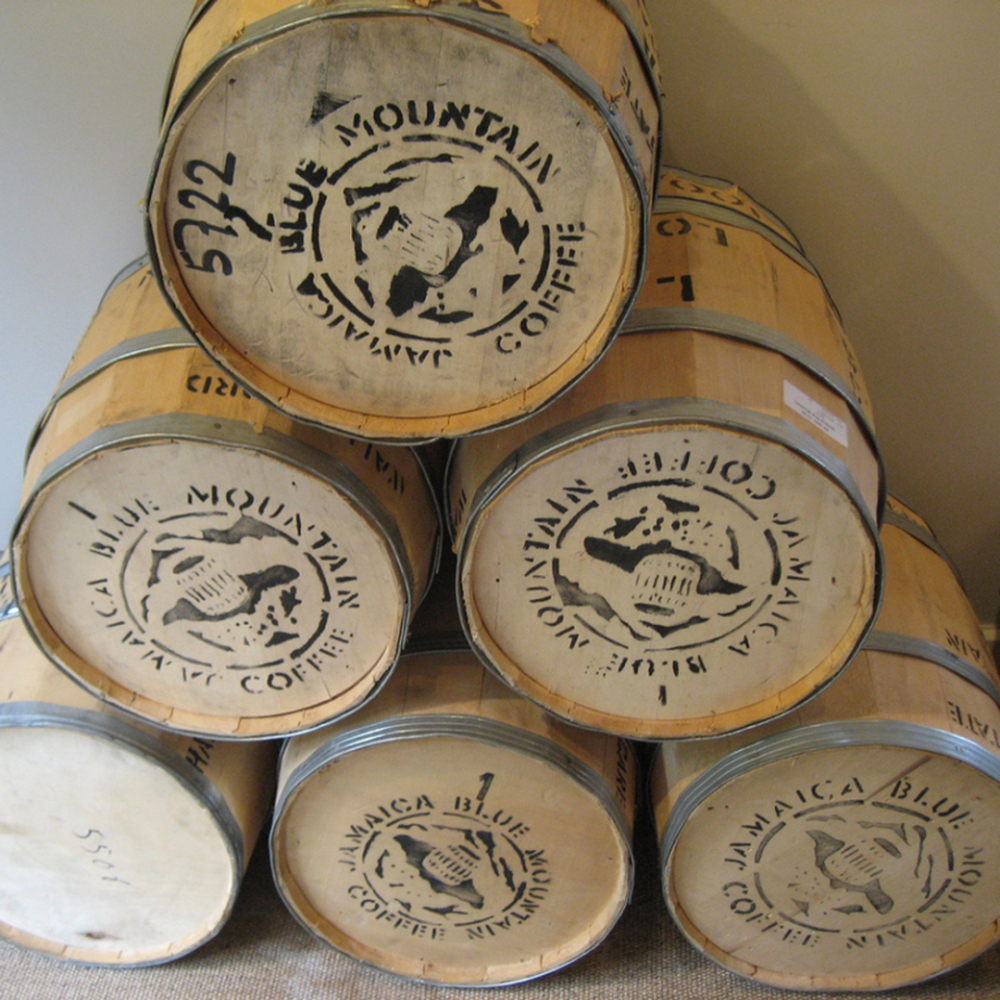
Not all coffees labeled "Blue Mountain" come from Jamaica's Blue Mountain range. True Jamaican Blue Mountain coffee not only carries an authoritative certificate issued by the Jamaica Coffee Board, but its packaging barrels also bear a green frog logo—the mark of Rainforest Alliance-certified estates. Jamaica is currently the only producing region in the world that ships green beans in wooden barrels, and well-known estates such as Clifton Mount are prime examples.
Authentic Blue Mountain coffee's flavor is textbook: rich, layered, and intense aroma, with sweet, sour, bitter, and mellow notes in perfect balance, with no single taste overpowering or missing. Its scarcity, outstanding quality, and strict quality control together create a market price far above that of ordinary coffee.
The Blue Mountain coffee currently circulating in the market is processed only by the washed method. This process precisely brings out the basic flavor characteristics of the producing region and is the entry key to understanding coffee terroir. Notably, a small batch of natural-process Blue Mountain coffee appeared in 2019 and has been available in limited quantities since 2020; these special-process products are also officially certified but differ in flavor from the traditional washed version.
The legend of Blue Mountain coffee began in the 18th century. In 1717, King Louis XV of France ordered coffee to be introduced to Jamaica; in the mid-1720s, then-Governor Sir Nicholas Lawes brought Arabica seeds from Martinique and began cultivation in the St. Andrew area. Over time, the Blue Mountain range gradually became synonymous with top-tier coffee, and its growing areas were clearly divided into three grades: high-altitude Blue Mountain coffee, the next-tier High Mountain coffee, and ordinary Jamaican coffee.
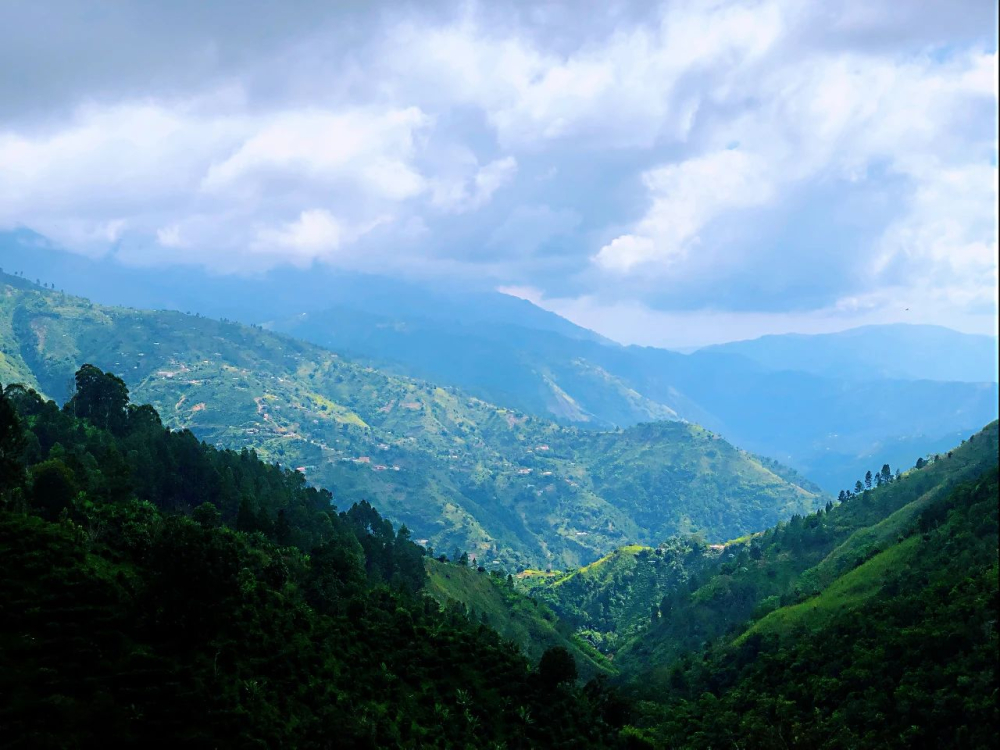
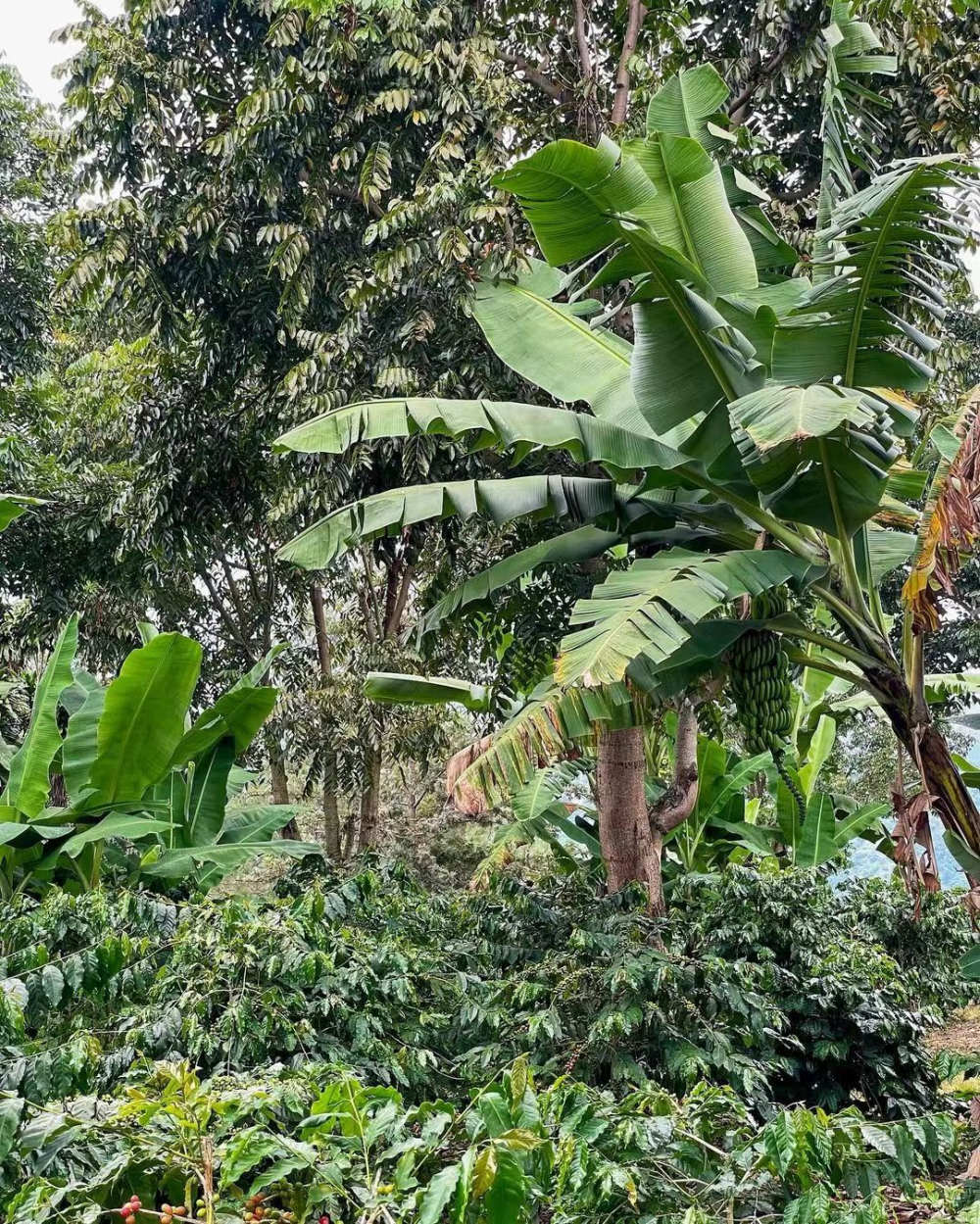
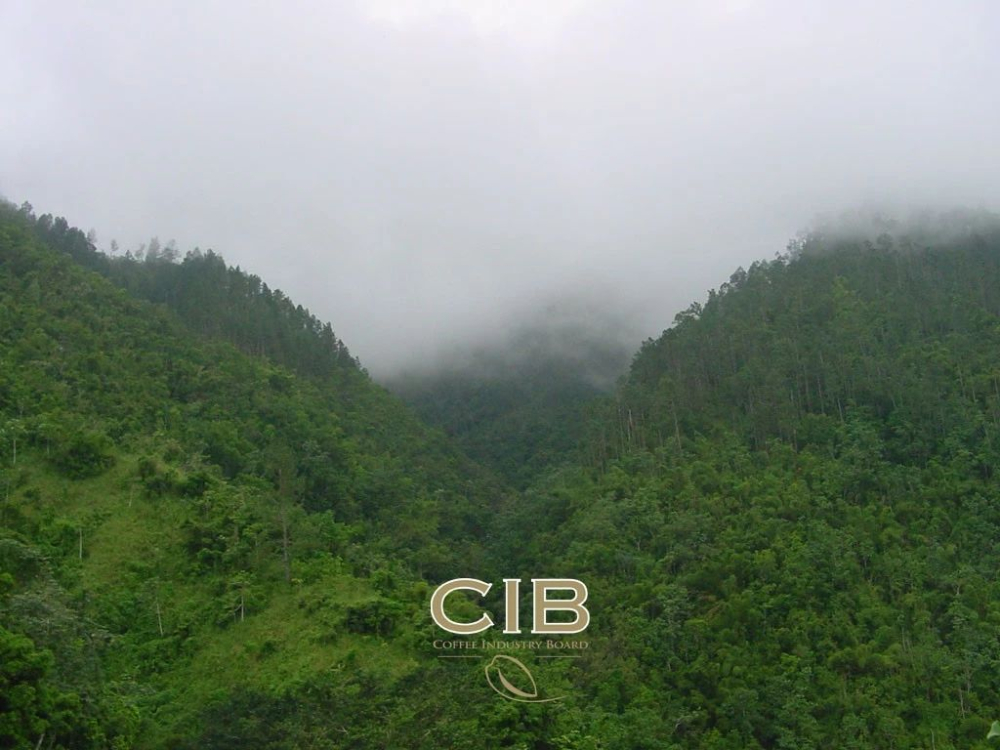
The Blue Mountain range lies in eastern Jamaica. This highest peak in the Caribbean (2,256 meters above sea level) is shrouded in mist year-round, with average annual rainfall of 1,980 mm and temperatures stable at around 27°C. Fertile volcanic soil and a unique microclimate provide a near-perfect growing environment for coffee trees. In particular, local farms use a mixed-planting model, with coffee plants growing alongside banana and avocado trees, which both provide shade and improve the soil. The steep terrain means picking can only rely on skilled women workers, who must accurately judge the ripeness of the coffee cherries—picking too early or too late significantly affects final quality.
Traditionally, Blue Mountain coffee uses only the washed process. This method requires farms to have a running-water supply system: first the skin and pulp are removed, the mucilage is broken down through 12–18 hours of fermentation, and then the beans are washed by rubbing with running water until smooth. The wet beans with parchment still on must be dried to a moisture content of 12–14%, and finally strictly sorted and stored. These multiple steps ensure the coffee's purity and consistency.
The natural-process Blue Mountain coffee that has appeared in recent years is also officially certified, born from changes in market demand. Although the washed method better expresses Blue Mountain's original flavor, natural processing offers consumers more diverse choices. It is worth noting that any change in processing method must meet the strict standards of the Jamaica Coffee Board.
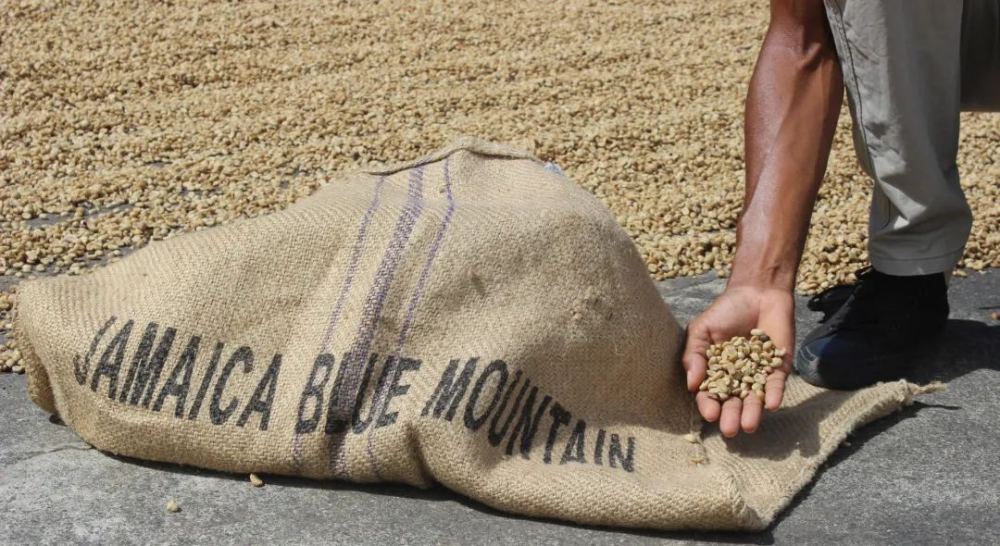
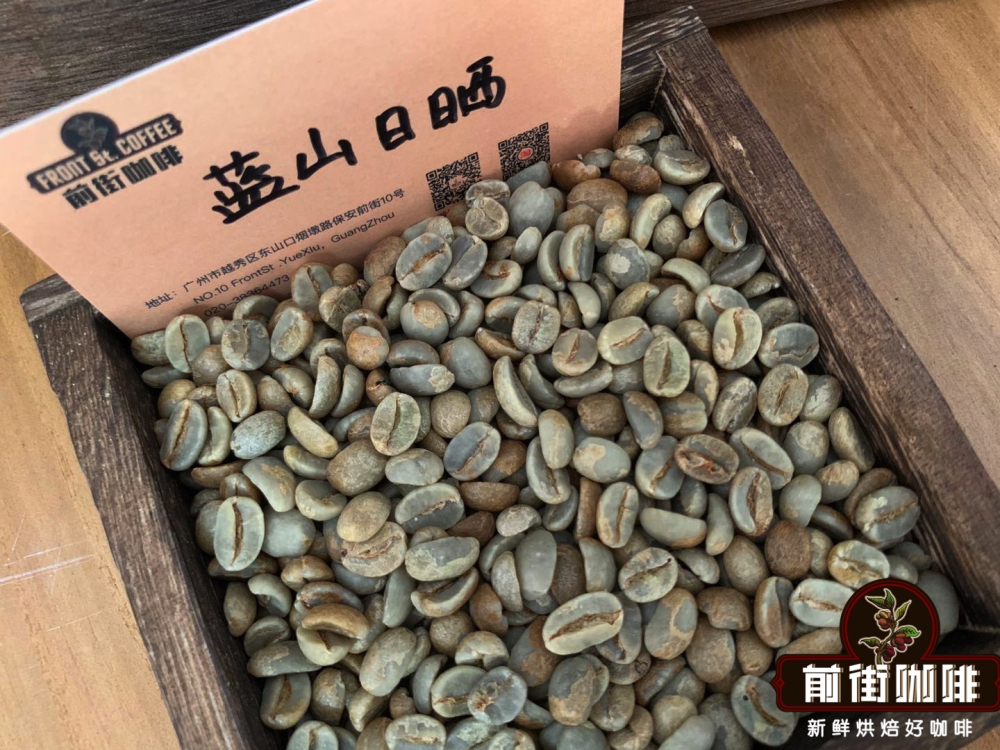
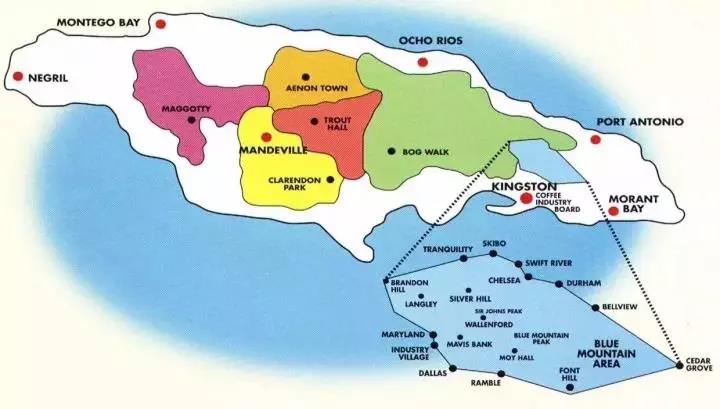
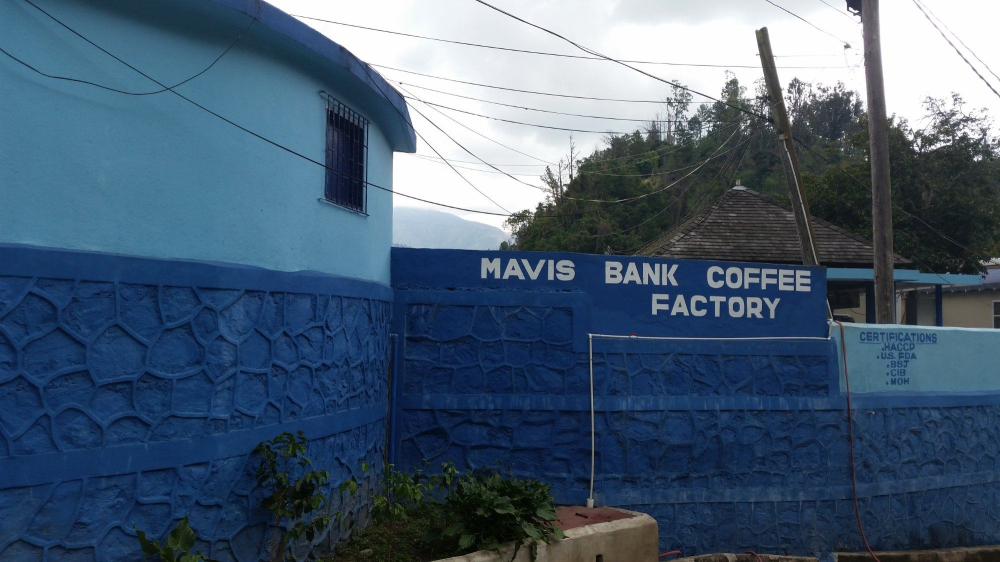
The Blue Mountain producing area covers only 6,000 hectares of actual cultivation, divided into three core regions: St. Andrew, Portland, and St. Thomas. Besides well-known estates, many small family farms have tended coffee trees on these steep slopes for generations. Producing-area certification marks include six official stamps such as the Mavis Bank Central Factory, and high-quality estates also mark their barrels with exclusive logos.
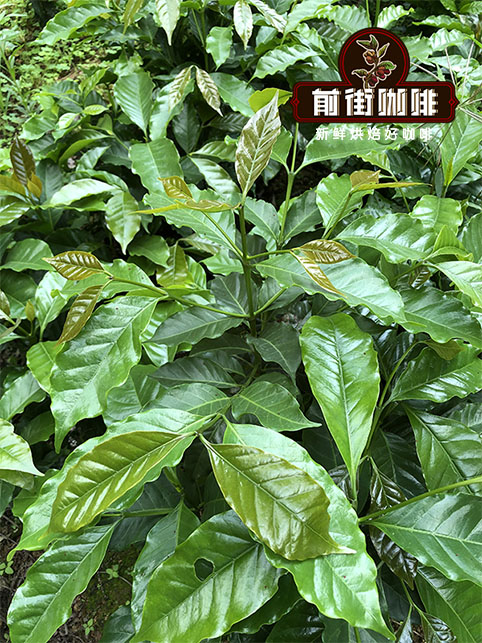
As a representative of the Typica variety, Blue Mountain coffee beans are oval and elongated. Although this variety has elegant flavor, it is weak in disease resistance and very low in yield—an important reason for its high price. Typica characteristics include bronze-colored leaf tips (commonly called red-top coffee) and opposite-growing oval leaves, white flowers, and fruit like bright red cherries.
The Jamaican government strictly controls quality through the Coffee Industry Board (CIB): only coffee grown at altitudes of 1,000–1,700 meters may be named "Blue Mountain." The grading system divides NO.1 through NO.3 and Peaberry (PB) by bean size, defect rate, and moisture content; NO.1 requires beans of 17 screen or above, a defect rate below 3%, and moisture content of about 13%. Data shows that 85% of the global Blue Mountain coffee quota is exported to Japan, but Chinese consumers actually account for 15% of consumption (including re-export trade).
Jamaica is the only country in the world with a government coffee authority (CIB), under the Ministry of Agriculture. The agency is responsible for growing-technique guidance, processing training, and fair-trade supervision; its board is composed of large estate owners (newly certified estates require 50 hectares or more). Major producers such as Wallenford (60% of output) and Mavis Bank (20%)—the latter being one of the few companies producing all three grades: Blue Mountain, High Mountain, and Jamaica Select.
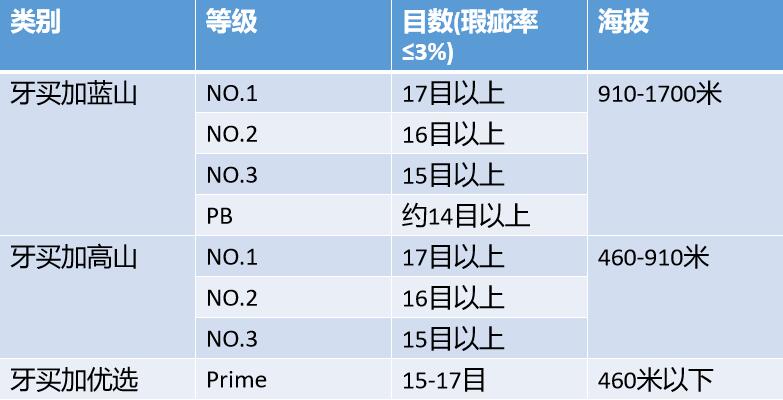
Blue Mountain coffee is divided into three categories by altitude:
• Blue Mountain Coffee (1,000–1,700 m): graded NO.1/NO.2/NO.3/PB; NO.1 requires beans of 17 screen or above, defect rate <3%, moisture content 13%, grown in five mountain areas including John Crow
• High Mountain Coffee (500–1,000 m): quality second only to Blue Mountain, a value choice
• Ordinary Jamaican Coffee (<500 m): altitude limits lead to significant flavor differences
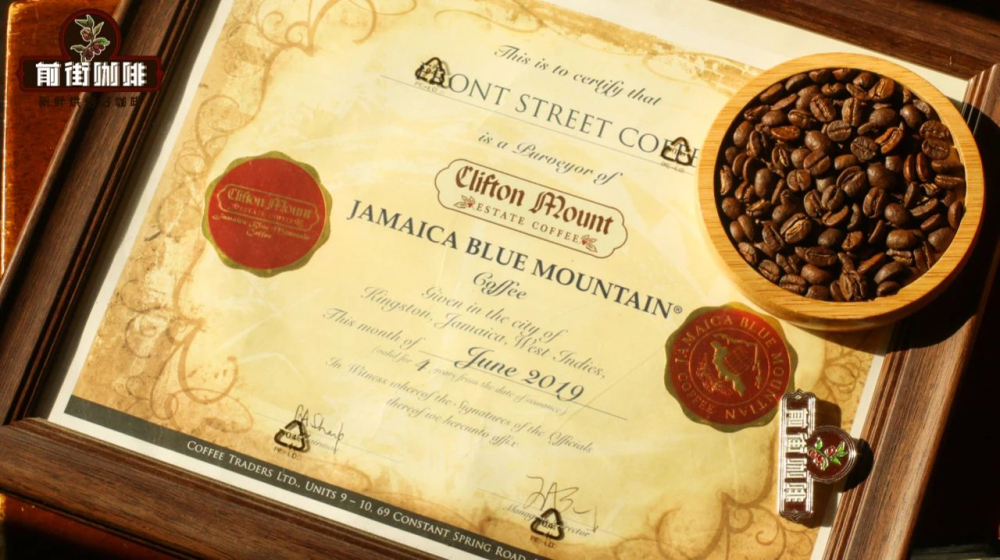
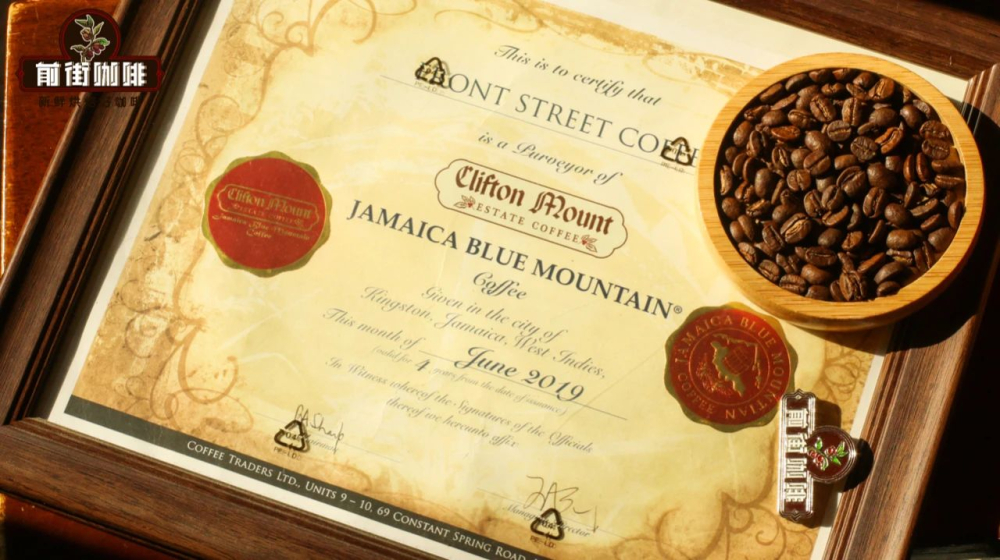
Genuine Blue Mountain coffee comes with three official certificates: the Jamaica Coffee Board quality certificate, the manufacturer's authorized sales certificate, and the certificate of origin. The inspection process includes random sampling of packaging, with certification issued once standards are met.
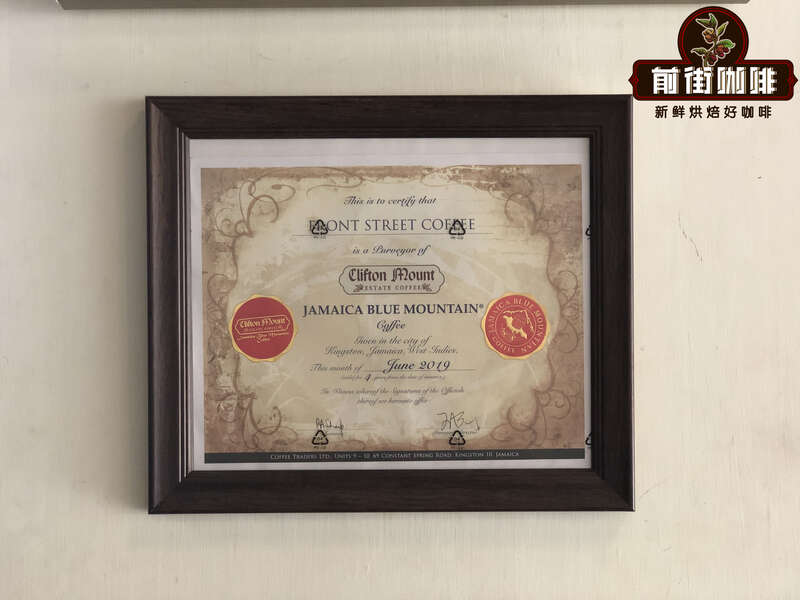
Authenticity can be checked in four ways:
1. Appearance: green beans are blue-green, medium-small with slightly upturned ends, and plump after roasting
2. Grinding: high-altitude growth makes cell walls porous, so particles crumble easily when hand-ground
3. Aroma: genuine Blue Mountain has a dense, complex fragrance that blends cannot replicate
4. Mouthfeel: sour, bitter, and sweet in balance with nothing overpowering; peaberry aroma is more restrained but has strong impact
Common misconceptions: do not trust low-priced "premium Blue Mountain" (normal prices are far above ordinary coffee), and avoid confusing "Blue Mountain blend" (mixed beans dark-roasted to imitate the flavor) with genuine products.

Professional brewing advice:
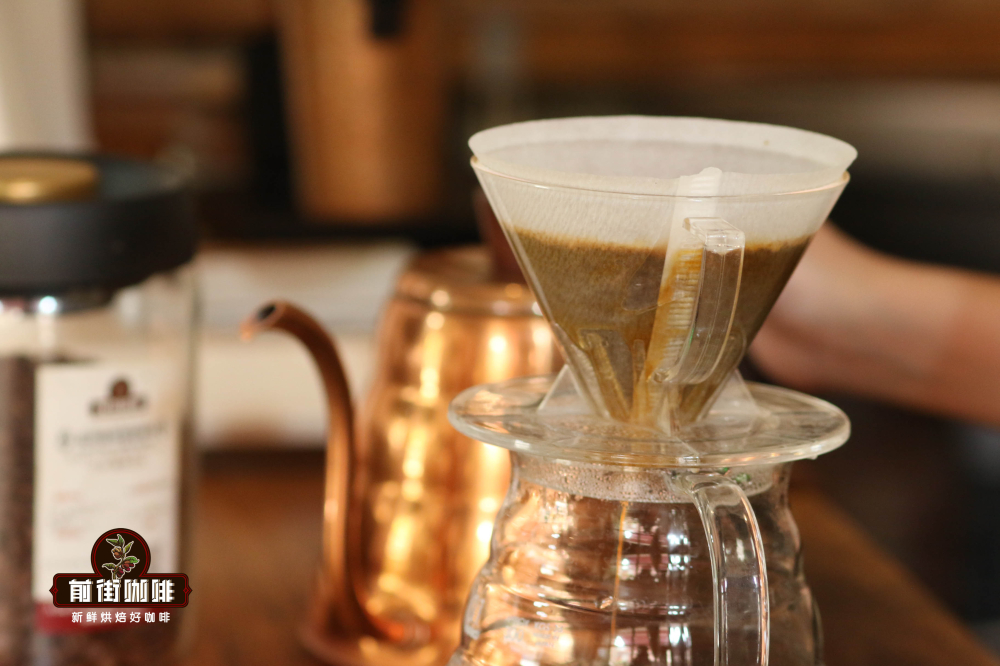
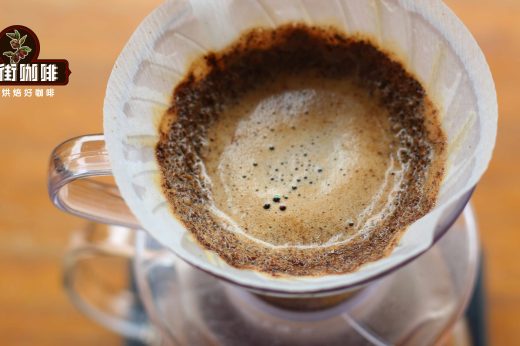
• Dripper choice: Kono recommended (short ribs reduce channeling), V60, or Kalita wave
• Parameters: 15 g coffee / 86–88°C water / 1:15 coffee-to-water ratio / 75% passing a No. 20 sieve
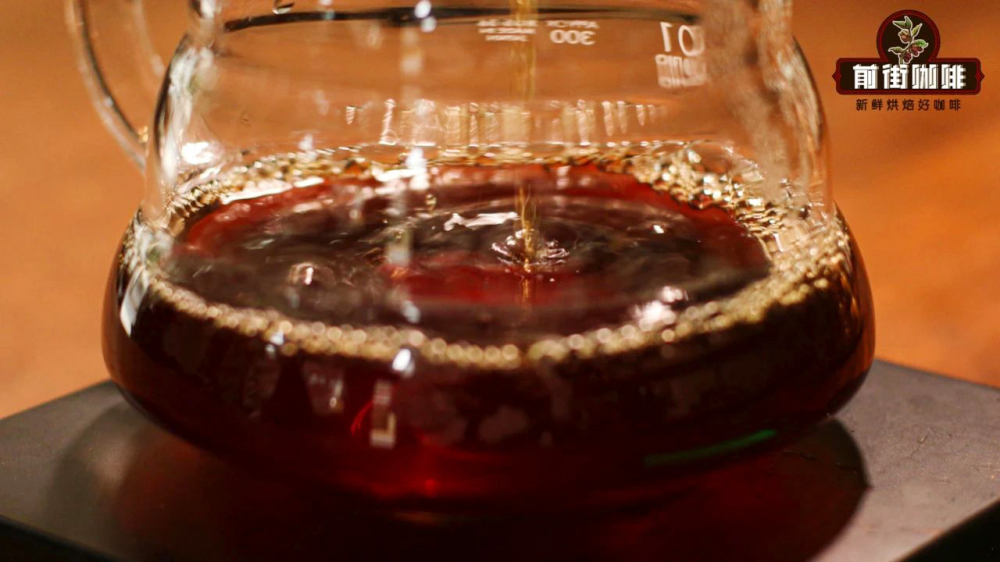
• Procedure: bloom with 30 g water for 30 seconds → first pour 125 g in a slow circular stream → after the water level drops, continue pouring to 225 g, total time 2 minutes. Low-temperature slow extraction highlights Blue Mountain's mellow character and avoids over-extraction caused by high temperatures.