Arabica Coffee Beans: Variety Characteristics and Global Origins Guide
Introduction: Arabica coffee, originating from the Ethiopian highlands, has become the core variety in the specialty coffee sector thanks to its unique flavor complexity and cultivation challenges. This article systematically reviews the origin story of the Arabica family, the characteristics of its core varieties, and provides an in-depth interpretation of the terroir features and representative bean types of renowned global regions, helping you accurately master the flavor codes and brewing adaptations of different Arabica beans.
The creation of a good cup of coffee hinges on the selection of high-quality coffee beans. As the Arabica species, which accounts for over 70% of the global coffee market, its unique aroma and balanced sweet-tart flavor make it the top choice for coffee enthusiasts. So, what exactly is Arabica coffee? What varieties and regions are worth noting? Let us explore in depth together.
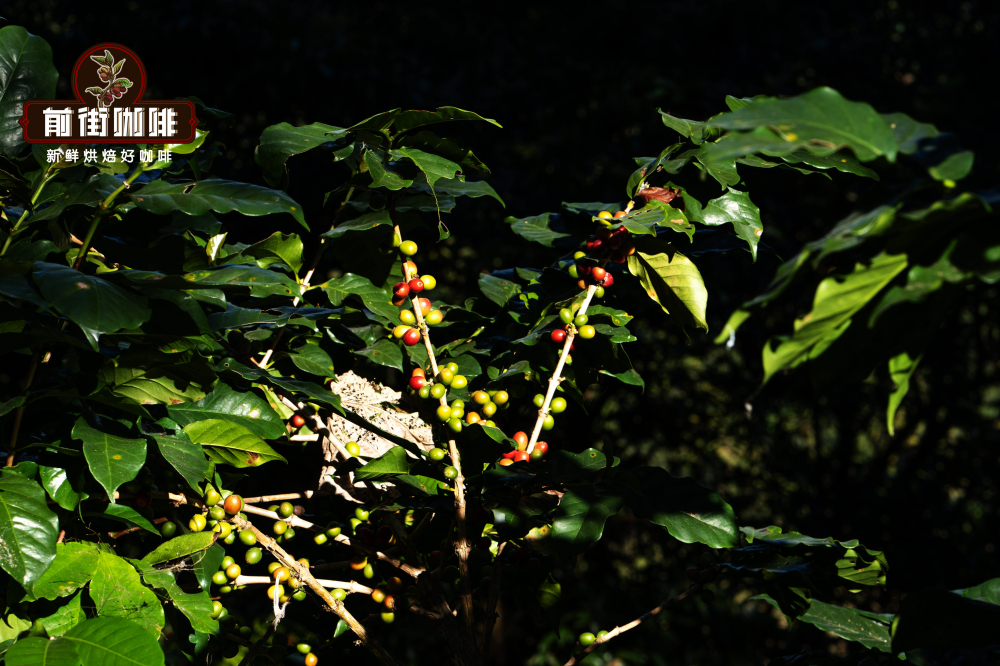
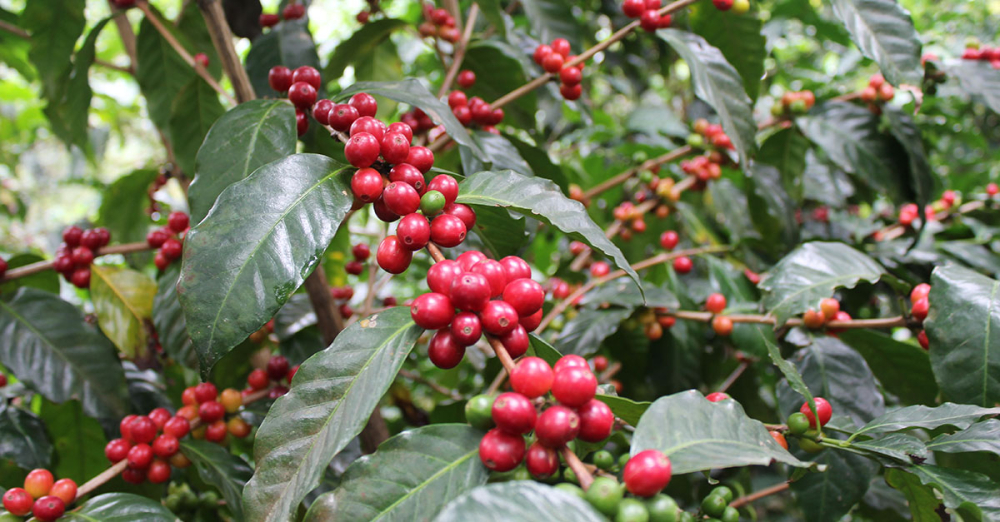
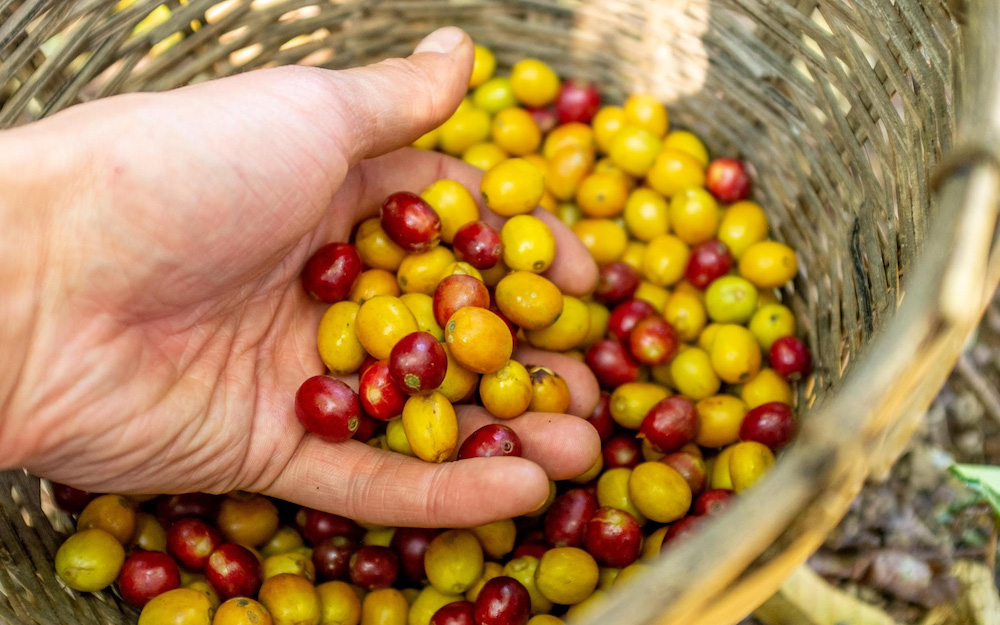
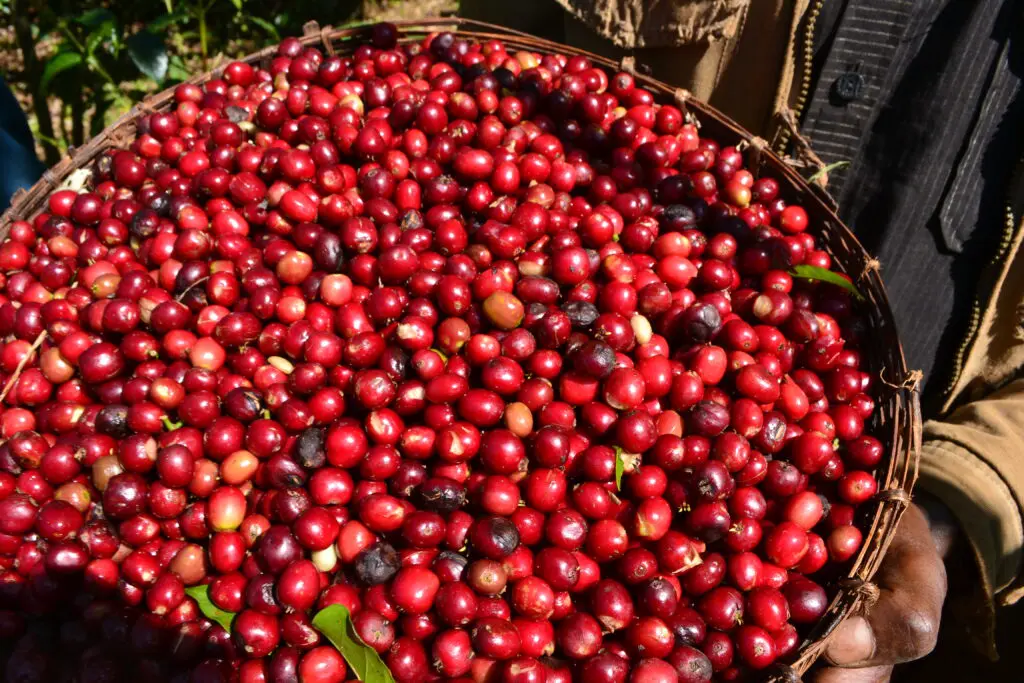
The story of coffee begins in 16th-century Ethiopia. Legend has it that a shepherd noticed his flock became unusually active after eating certain red berries; these berries were the prototype of coffee. Initially used as a stimulant in religious ceremonies, coffee gradually spread worldwide and became an indispensable beverage in modern life.
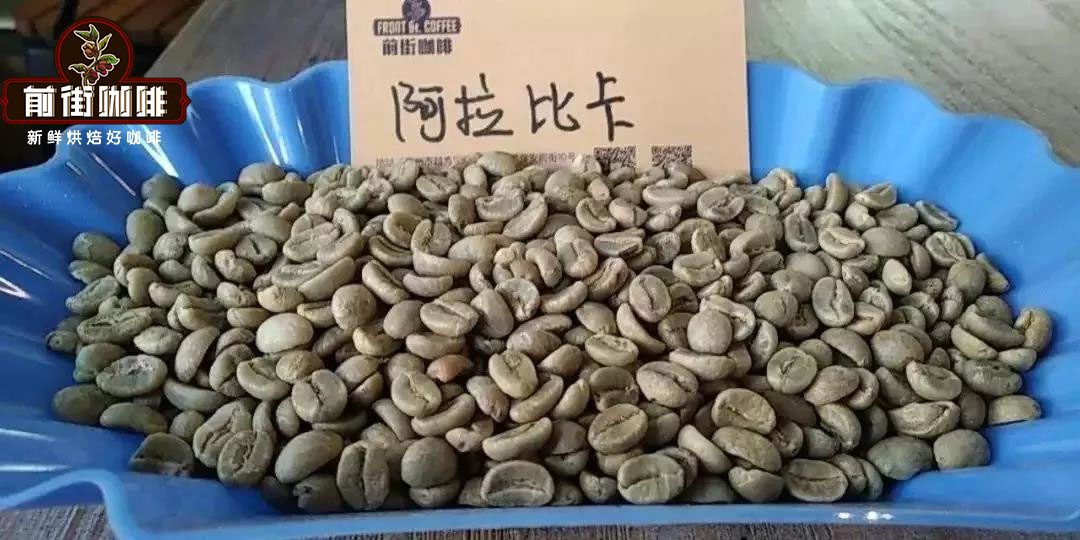
The coffee varieties currently circulating in the market are mainly divided into two major categories: Arabica and Robusta. Arabica coffee has higher cultivation costs and typically grows in high-altitude areas of 1000-2000 meters, such as Nicaragua, Costa Rica, and Panama in Latin America. Its flavor is renowned for being mellow and balanced between sweetness and acidity. Robusta, on the other hand, adapts to low-altitude, high-temperature environments, has high yield and low cost, but its flavor is relatively flat, often used in instant coffee or espresso blends.

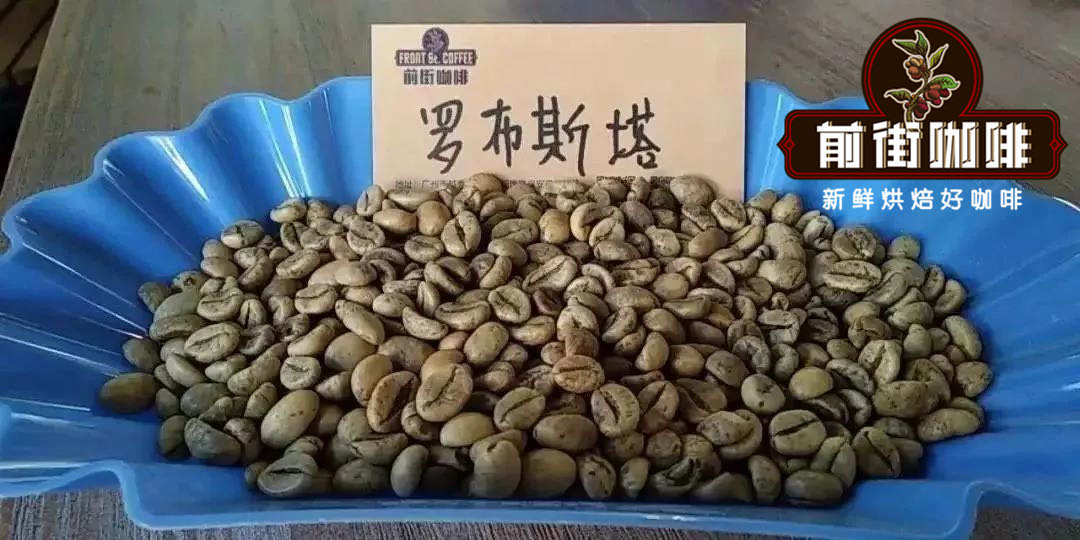
Robusta coffee has the advantages of adapting to low altitudes, fast maturation, high yield, strong resistance to leaf rust, and relatively low price. The coffee liquid extracted from it is highly viscous and has a heavy mouthfeel, but often carries rubbery or musty off-flavors and lacks the acidic aroma components of high-quality Arabica, so it rarely appears in the specialty coffee sector. It is worth noting that many espresso blends incorporate a certain proportion of Robusta to increase crema and body.
The main circulation forms of Robusta include instant coffee, blended beans (such as French and Italian blends), and brewing methods that mask off-flavors through medium-dark to heavy roasting. In fact, the higher caffeine content in most espresso often stems from the proportion of Robusta in the blend (about 50% in French blends, 30%-40% in Italian blends), rather than the brewing method itself.
In contrast, high-quality Arabica coffee, due to its demanding growing environment and long maturation period, has more complex flavors. Its sweet, sour, and salty tastes are balanced, its caffeine content is only about half that of Robusta, and it is rich in various aromatic substances. However, Arabica has extremely high requirements for the growing environment—it needs volcanic soil, high altitude, large day-night temperature differences, and is susceptible to leaf rust, with low yields per unit area, resulting in green bean prices far higher than Robusta.
The evolution of varieties within the Arabica family began with self-pollination and mutations of Ethiopian native species. Currently, it is mainly divided into three major lineages: ancient native varieties (such as Typica and Bourbon), well-known mutants (such as Maragogype and Geisha), and hybrid varieties (such as Pacamara). Among them, Typica and Bourbon are the most representative original branches.
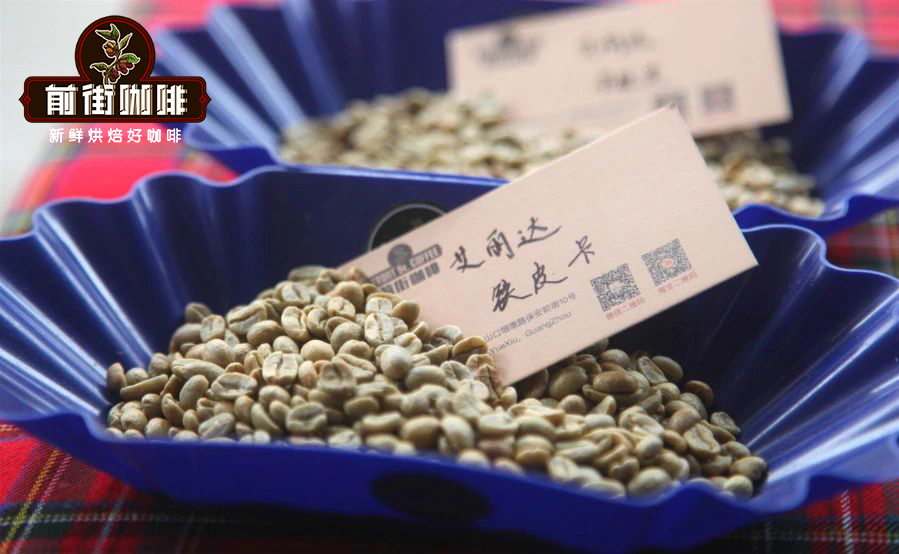
Typica is the variety closest to the native species, originally from Kaffa in Ethiopia and Yemen. Its top leaves are bronze-colored, the beans are oval or slender-pointed, the tree height is 3-4 meters, and the flavor is pure and soft, with citrus-like fruit acidity and a sweet finish, but its yield is low and disease resistance is poor. A typical region is the Elida Estate in Panama (altitude 1850 meters, natural process), where the coffee presents complex flavors of raisins, peaches, and sugarcane, with high cleanliness. For roasting, it is recommended to use semi-direct fire equipment, with precise control of the temperature curve (e.g., reducing heat to 90°C before first crack, and dropping the beans 1 minute 45 seconds after first crack) to highlight citrus acidity and caramel sweetness.

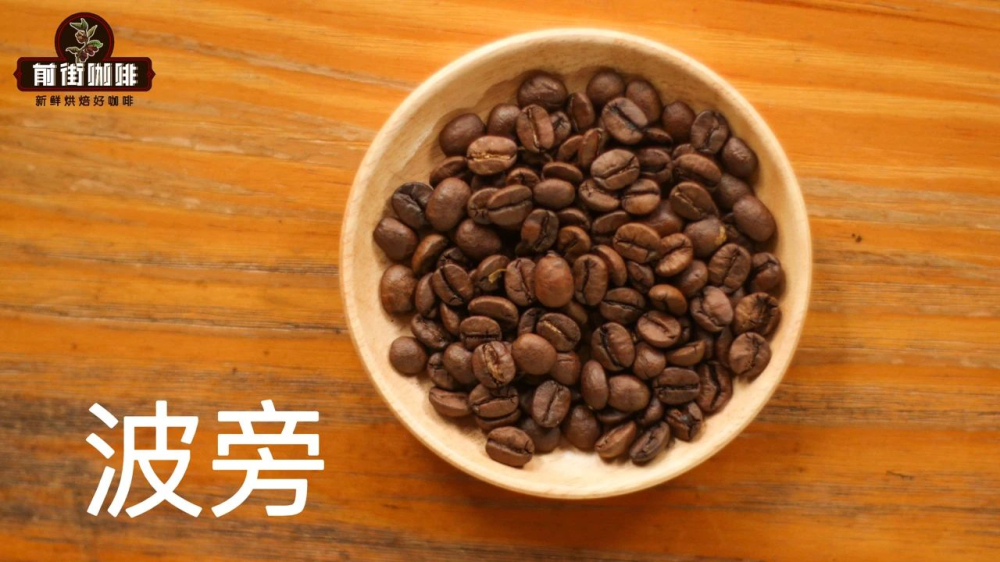
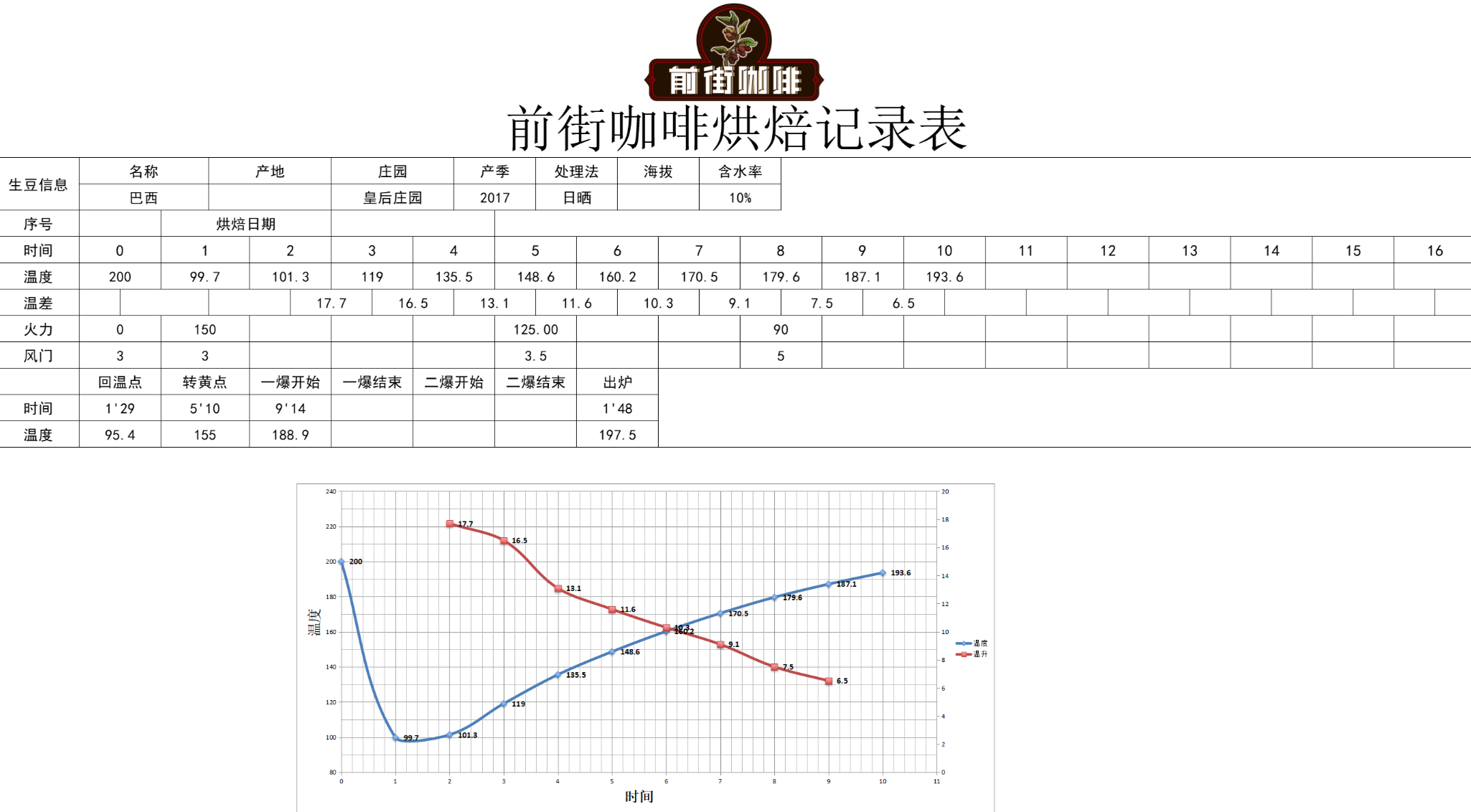
Bourbon is a natural mutation of Typica, with the bean shape changing from slender-pointed to round, and a more layered flavor. It was named after being introduced from Yemen to Bourbon Island (now Réunion) in 1715, and is now widely planted in Brazil, Colombia, and other places. Its characteristics are dark chocolate, cocoa, nut, and caramel flavors, with gentle acidity and low bitterness. For example, the Yellow Bourbon from Fazenda Rainha in Brazil (altitude 1400-1950 meters, natural process), through medium roasting, can enhance nut and chocolate aromas, with a bright and refreshing mouthfeel. Recommended roasting parameters: bean drop temperature 200°C, first crack at 9 minutes 14 seconds (188.9°C), development after first crack for 1 minute 48 seconds to 197.5°C for discharge.
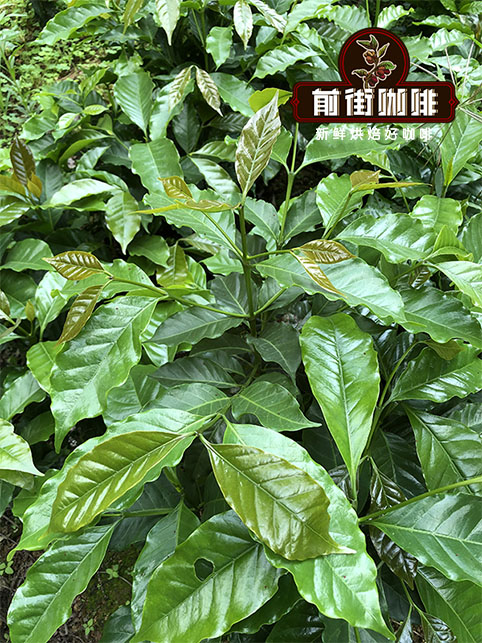
Caturra is a natural dwarf mutation of Red Bourbon, with a shorter tree height that facilitates picking and higher yield than Bourbon, but its sweetness depends on fertilization management. Its flavor is mainly citric acidity and mild sweetness, commonly found in the Tarrazú region of Costa Rica (altitude 1500-1700 meters). When roasting, note that the beans are relatively hard (medium moisture content), the yellowing point is about 5 minutes 15 seconds, and after first crack, develop for 2 minutes to 194°C for discharge, which can highlight plum, berry, and caramel sweetness.
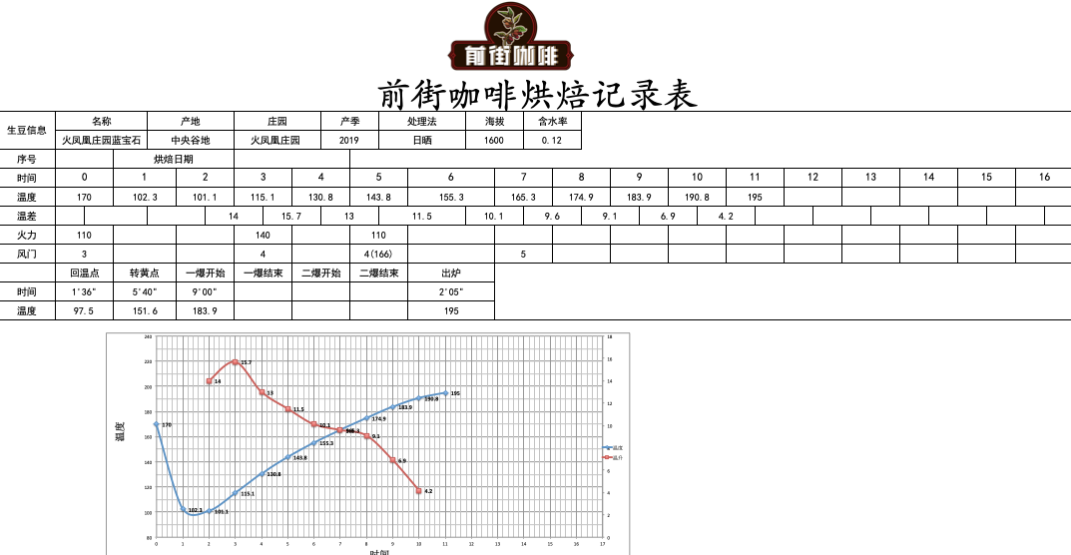
Catuai is a hybrid of Caturra and Mundo Novo, with strong wind resistance and fruits that do not easily fall off, but its flavor is slightly more monotonous than Caturra. Representative regions include the Finca La Fénix in Costa Rica (altitude 1600 meters, natural process), which blends Caturra and Catuai varieties, presenting tropical fruit acidity, berry sweetness, and a honey finish. It is recommended to use medium heat roasting (e.g., develop for 2 minutes 05 seconds after first crack to 195°C) to retain berry aroma and a full-bodied mouthfeel.
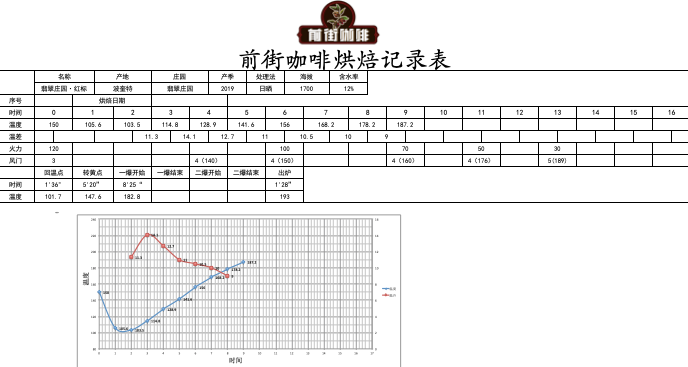
Geisha is a branch of Typica, originally from the Gesha mountain in Ethiopia, and has been famous worldwide since 2004 due to the exceptional Cup of Excellence results from Hacienda La Esmeralda in Panama. Its flavor is renowned for citrus, floral (jasmine, ginger lily), and toffee aromas, with bright acidity and a smooth mouthfeel. For the Esmeralda Estate Red Label Geisha (altitude 1700 meters, natural process), reducing heat before first crack (e.g., first crack at 8 minutes 10 seconds, heat 100°C) can highlight lime acidity and green tea aftertaste.
Hawaiian Kona is the only coffee produced in the United States, grown on Kona Island (altitude 1100 meters) in volcanic rock soil. Its beans are round and plump, with a flavor blending honey sweetness and mulberry aroma. Light roasting (e.g., develop for 1 minute 50 seconds after first crack to 193.4°C) can highlight the layered sweetness and malt finish.
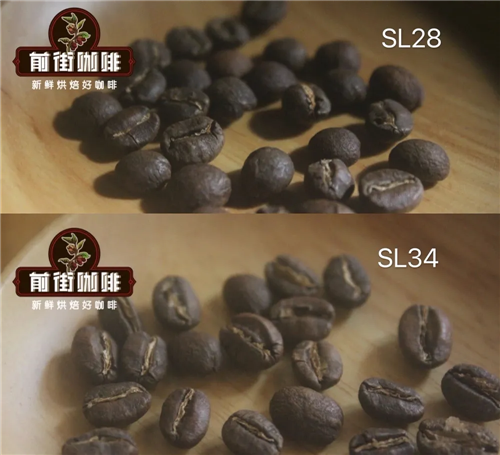
Kenyan coffee is famous for the SL28 and SL34 varieties, which are hybrid derivatives of Bourbon. Its flavor is characterized by intense citrus acidity (such as blackcurrant and green plum) and heavy sweetness, suitable for light roasting (e.g., controlling heat before first crack to highlight acidity). A representative coffee from the Thika region (altitude 1550-1750 meters), Azalia coffee, enhances cleanliness and fruity layers through a 72-hour washed process.
In summary, the charm of Arabica coffee lies in its diverse variety characteristics and terroir expression. From the pure citrus of Typica to the floral toffee of Geisha, from the chocolate mellowness of Bourbon to the citrus burst of Kenya, each bean carries the sunshine, soil, and craftsmanship of its region. When choosing, you can select according to personal taste preferences (e.g., prefer acidity choose Ethiopia, prefer mellowness choose Brazil), paired with suitable roast level and brewing method, to unlock the infinite possibilities of Arabica coffee.