Huila Pink Bourbon Pour-Over Guide: Flavor and Brewing
Introduction: Explore the unique Pink Bourbon coffee beans of Colombia's Huila region and learn about this rare variety from cultivation to brewing. This article details its flavor characteristics, the differences between the two main processing methods (semi-washed and anaerobic washed), and provides professional-grade pour-over parameters and techniques to help you fully express its complex layers of citrus, berry, and floral notes.
Colombia: A Key Origin for Specialty Coffee Worldwide
As the world's third-largest coffee exporter, Colombia is known for producing high-quality Arabica coffee. The country's coffee cultivation is concentrated in the southern highlands, generally above 1,500 meters in elevation, and this exceptional geographic environment gives its coffee a distinct nutty character and rich sweetness. Among these regions, Huila, with its volcanic soil and abundant rainfall, has become an ideal growing area for specialty varieties such as Pink Bourbon.
The Unique Origins of Pink Bourbon
This rare variety originates from a natural cross between Red Bourbon and Yellow Bourbon, and its signature pink skin can only be consistently expressed under specific climatic conditions. Because of the complexity of its genetics, Pink Bourbon is extremely difficult to cultivate and is currently found mainly in the high-altitude areas of Colombia and Guatemala. Compared with ordinary Bourbon, its fruit accumulates sugar more slowly, providing a unique flavor foundation for subsequent processing.
The Terroir Advantages of the Huila Region
Huila Department in southern Colombia is surrounded by the Andes and the confluence of several rivers, creating a microclimate with significant day-night temperature differences. A growing elevation of 1,700-1,900 meters, together with mineral-rich volcanic soil, allows the coffee fruit to develop balanced acidity and sweetness. The region's distinctive humid environment is especially suited to the use of experimental processing methods.
The Art of Balance in Semi-Washed Processing
This improved process combines the cleanliness of the washed method with the sweetness of the natural method. The specific procedure is: after removing floaters, the mucilage layer is removed by machine, skipping the traditional fermentation tank stage, and the beans go directly into temperature-controlled drying. The resulting coffee shows bright citrus notes and moderate body, with lively but not sharp acidity and a sweetness as lingering as honey.
Recommended Precise Pour-Over Parameters
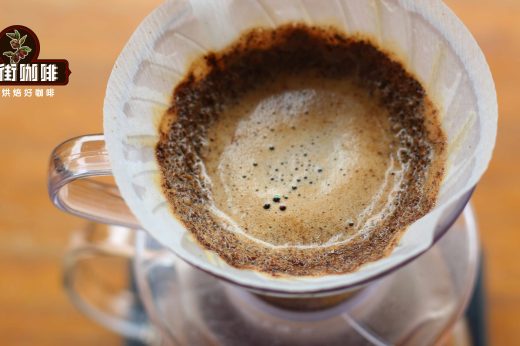
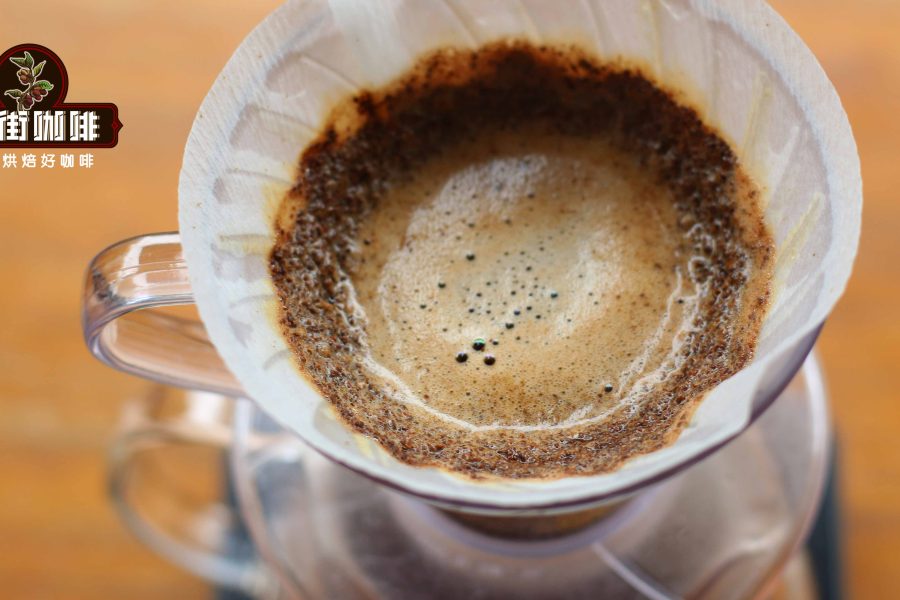
A V60 dripper is recommended, with water at 90±1°C and a coffee-to-water ratio of 1:15 (15 grams of coffee to 225 milliliters of water). Grind size should be controlled so that 80% passes a Chinese standard No. 20 sieve, equivalent to a medium-fine grind. For staged extraction, first pour twice the coffee dose in water (30 grams) and bloom for 30 seconds, then pour in stages up to 125 grams and pause; once the water level drops, continue pouring to 225 grams to complete extraction. The whole process takes about 2 minutes; keep the flow even to avoid channeling.
Layers of Flavor Expression
When hot, the coffee highlights fresh berry and citrus aromas; as it cools to a medium temperature, a crisp acidity like cherry tomato emerges, and the finish turns to honeyed sweetness accompanied by delicate floral notes. The overall mouthfeel is clean and transparent, with excellent balance of acidity and sweetness, suitable for drinkers who prefer bright fruit flavors.
Advanced Processing: Anaerobic Washed
This complex fermentation process can unlock deeper flavor potential. After harvest, the coffee cherries first undergo 12 hours of dry fermentation, then are moved into sealed containers for 24 hours of anaerobic secondary fermentation. The strictly temperature-controlled environment prompts the mucilage to transform into distinctive smoked plum and blackberry flavors while retaining a rich, black-tea-like body.
Professional-Level Brewing Adjustments
Although the same basic parameters are used, it is recommended to extend the bloom to 40 seconds to fully awaken the flavors. When pouring, use a center-outward radial motion; pour the first stage to 125 grams, wait 20 seconds, then continue to 225 grams. By reducing agitation frequency to minimize disturbance of fragile flavor compounds, the dense cocoa finish can be better highlighted.
In-Depth Flavor Wheel Analysis
This processing method gives the coffee a fuller burst of black berries; the citrus acidity transforms into a more structured citric acidity, and the caramel sweetness that emerges in the middle paired with a black-tea aftertaste forms a three-stage tasting experience. It is well suited to pairing with high-cocoa dark chocolate or dark-roasted nuts as flavor references.