Indonesian Wet-Hulled Coffee and Honey Process Compared: A Flavor Guide

Introduction: Coffee flavor depends not only on variety and origin; processing method is equally crucial. Indonesian wet hulling, pulped natural, and honey processing are three distinctive techniques, each shaping a completely different cup profile. This article provides an in-depth analysis of the technical details, flavor characteristics, and suitable applications of these three processing methods, along with key roasting and brewing parameters to help you explore coffee's diverse charm more precisely.
Among the many factors influencing coffee's final flavor, besides variety, origin, and cultivation methods, green coffee processing is a key step that cannot be ignored. Current mainstream processing techniques include natural (dry), washed (wet), and innovative methods in between—wet hulling, pulped natural, and honey processing. These methods evolved in response to different regional climate conditions and resource characteristics, giving coffee beans unique personalities.
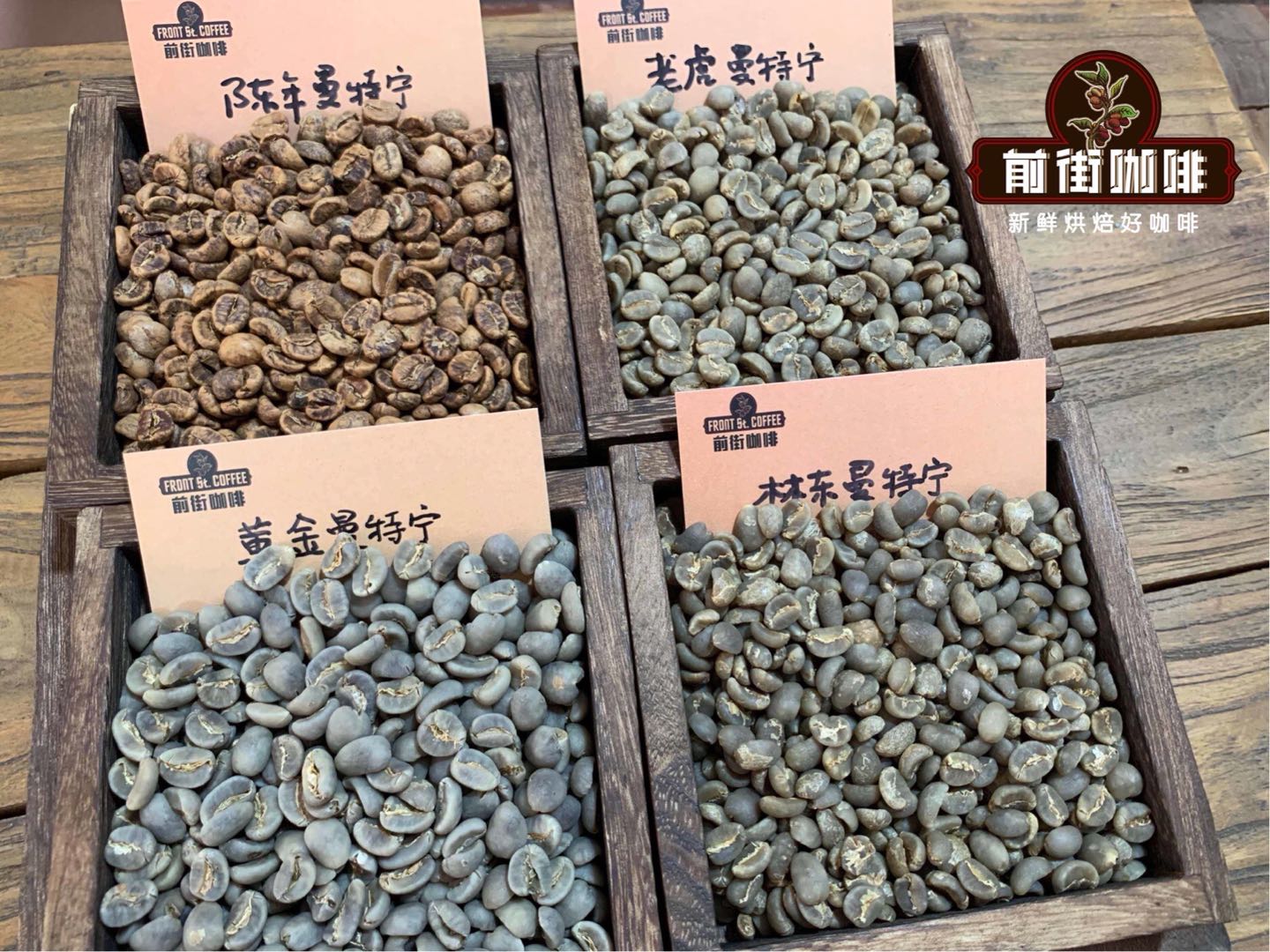
Indonesian Wet Hulling: A Unique Process Adapted to Rainy Climates
Indonesian wet hulling, locally called Giling Basah, is a traditional processing method developed to cope with Indonesia's humid, rainy environment. Compared with other methods, coffee processed this way often presents a full-bodied, intense character with highly distinctive flavor.
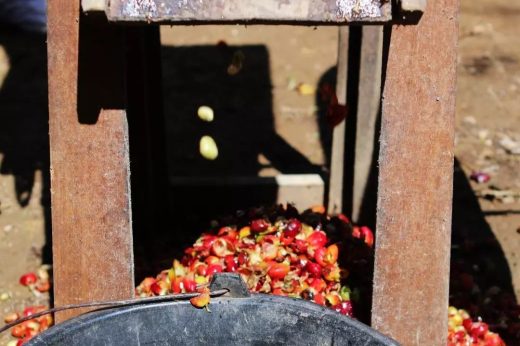
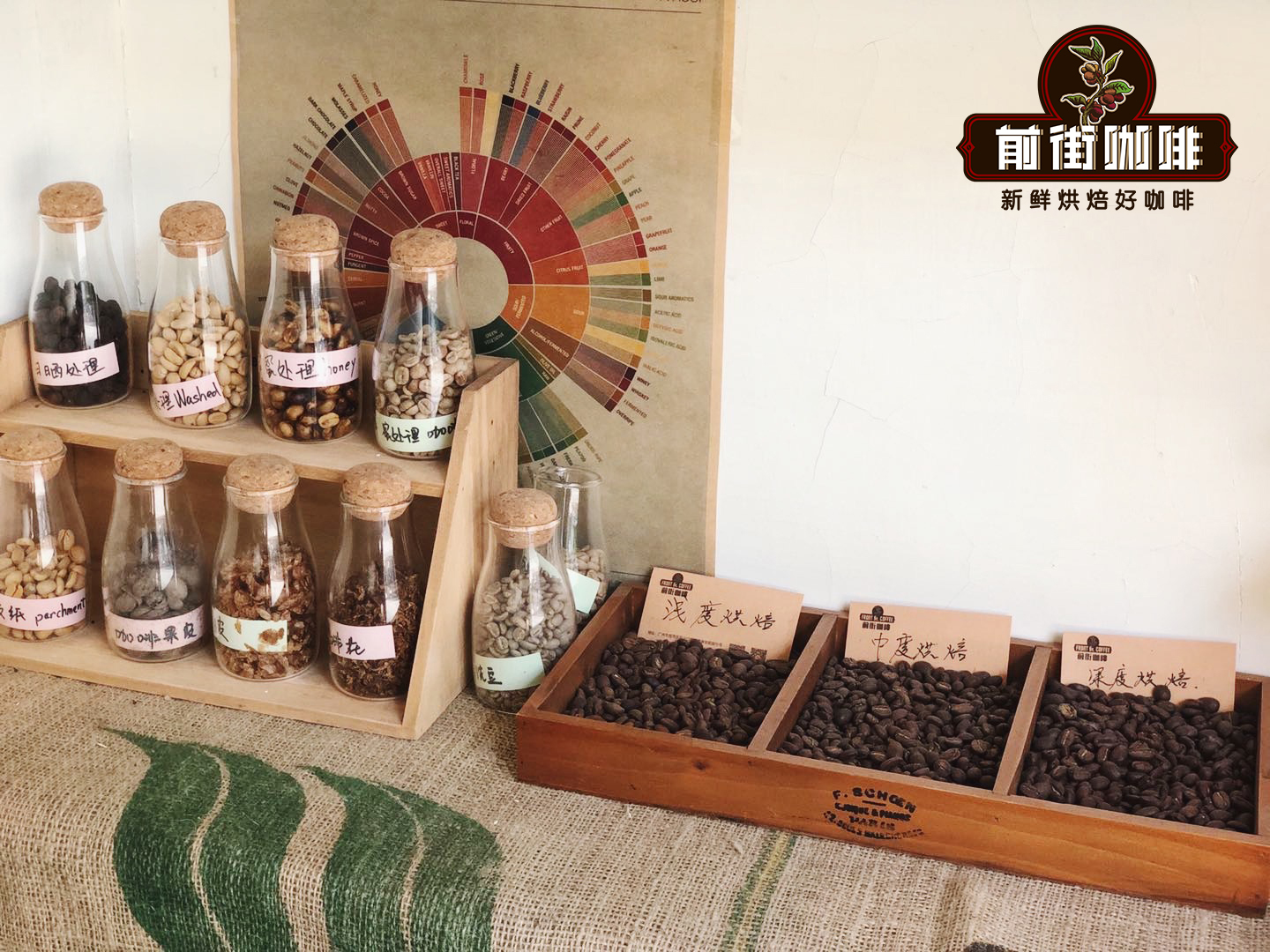
Its core steps are: ① Remove the skin and pulp, retaining the parchment and mucilage; ② Ferment in a water tank; ③ Wash off the mucilage; ④ Sun-dry with parchment to 20-24% moisture content (about 2-3 days); ⑤ Hull off the parchment; ⑥ Continue drying to 12-13% moisture content; ⑦ Complete preparation for export. Because it requires multiple drying stages and early removal of the protective parchment, this process gives coffee lower acidity, a thick mouthfeel, and distinct herbal-spice notes, but also places higher demands on consistency.
Advantages, Disadvantages, and Flavor Profile of Wet Hulling
Indonesia's climate conditions gave rise to this special process—frequent rainfall makes long sun-drying unfeasible, and wet hulling effectively reduces the risk of mold by shortening the drying cycle and removing the parchment early. However, this also makes final flavor consistency harder to control.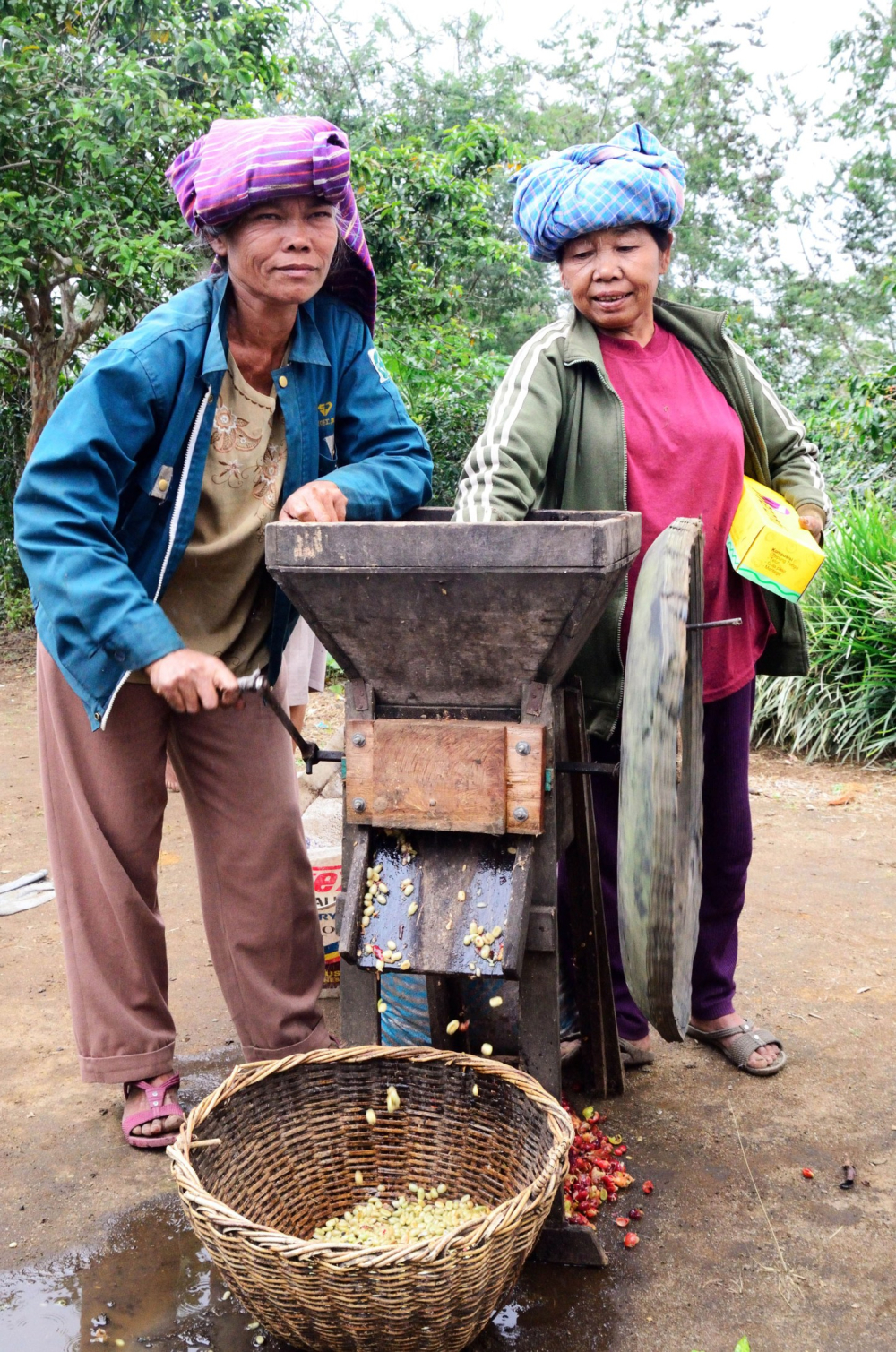
Pulped Natural: An Efficient Solution for Water Optimization
To address the large quality fluctuations of the traditional natural method and the high water consumption of the washed method (10-20 tons of water per ton of coffee cherries), Brazil in the 1990s leveraged its dry climate advantage to develop the pulped natural method. By partially retaining the mucilage layer, this method increases sweetness and body while reducing water use.
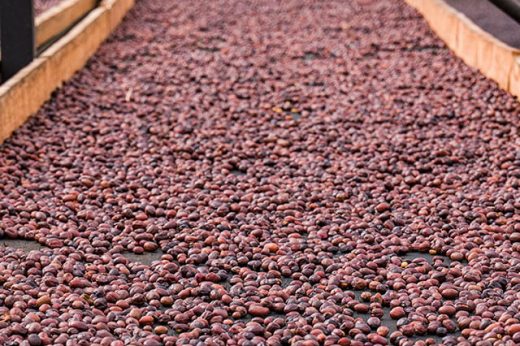
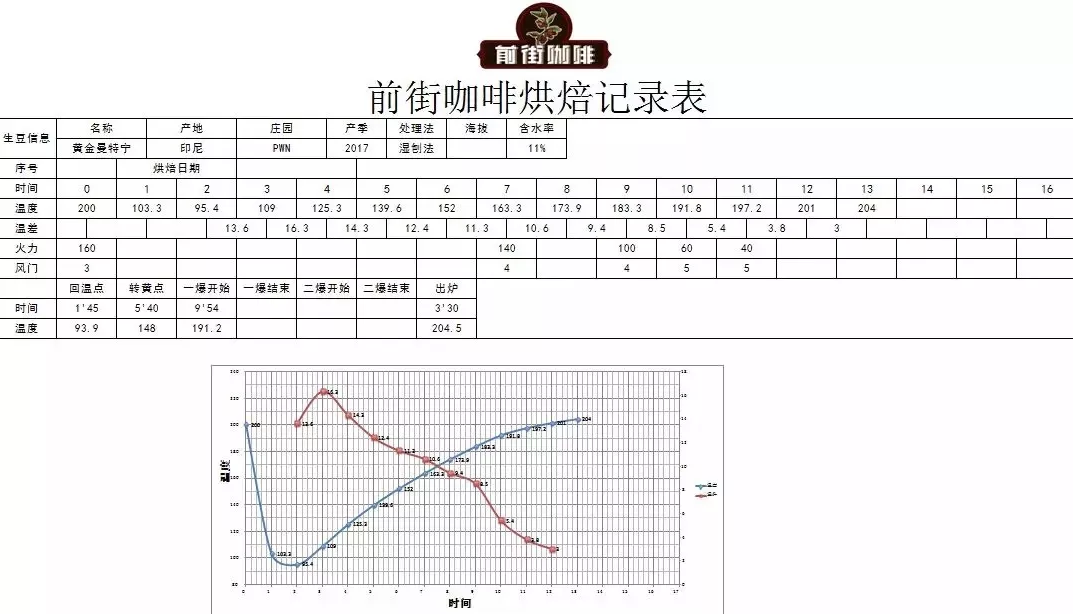
The specific process is: first sort out defective cherries, then remove the skin and pulp and partially remove the mucilage layer, briefly wash for one hour (short immersion and fermentation time, so mucilage is not completely removed), and finally spread the beans with adhering mucilage on well-ventilated raised mesh beds to dry.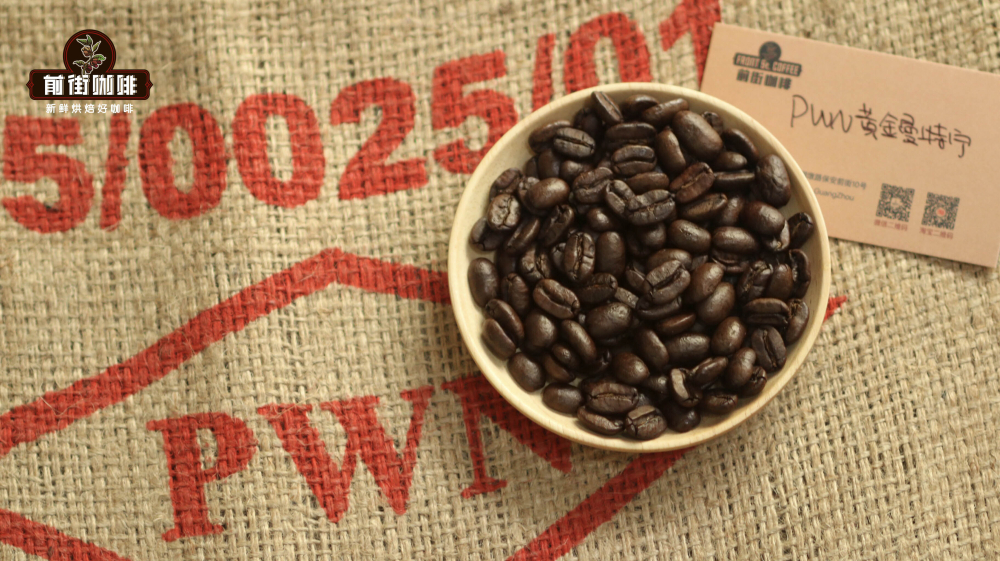
Honey Processing: A Water-Saving Adaptation in Central America
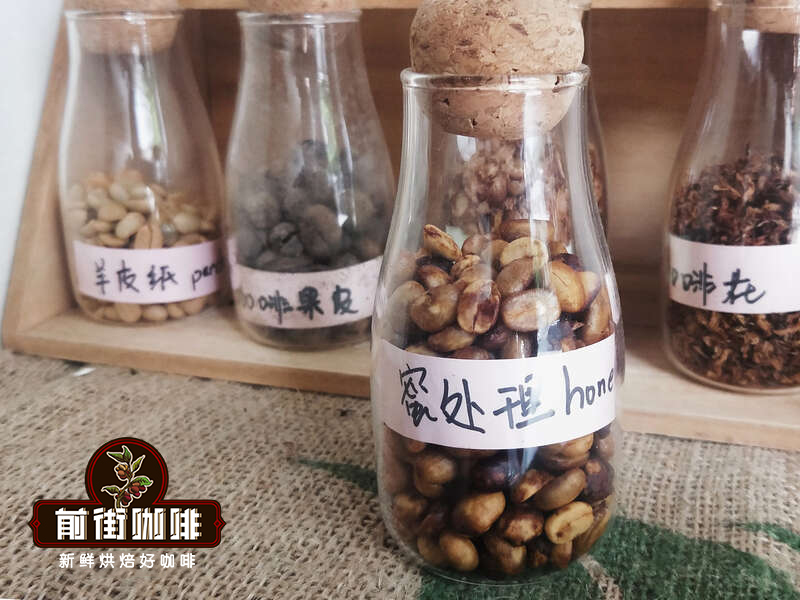
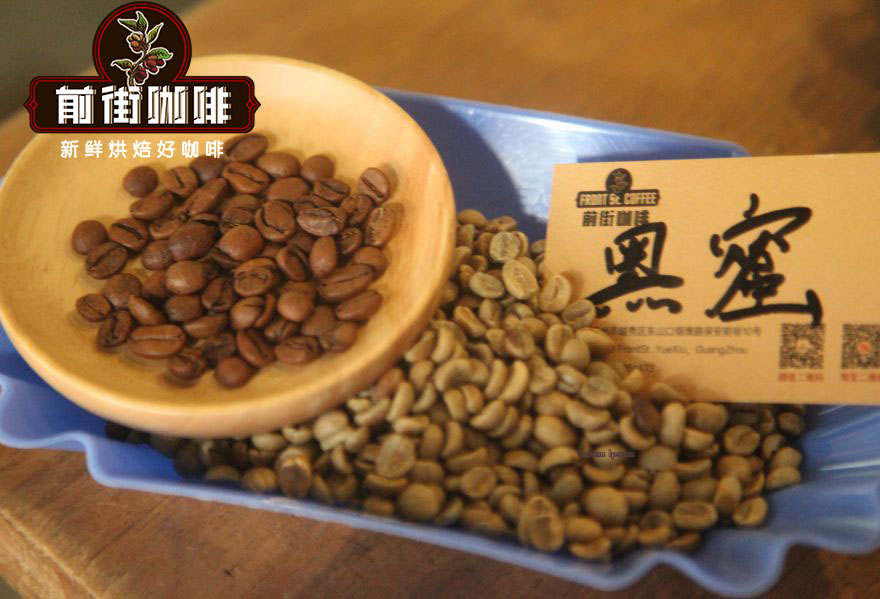
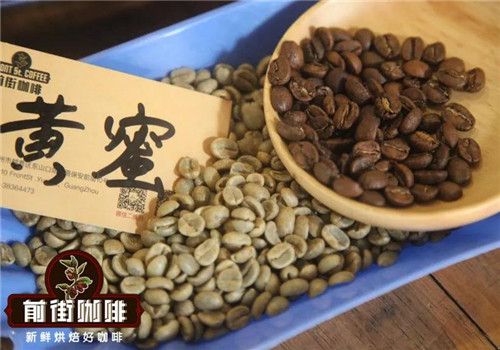
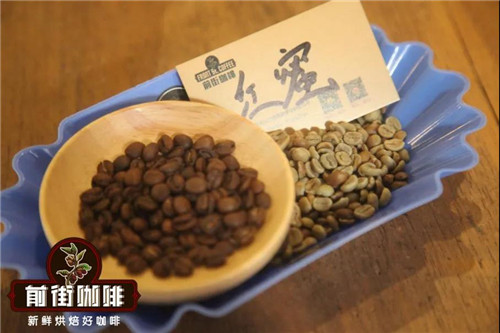
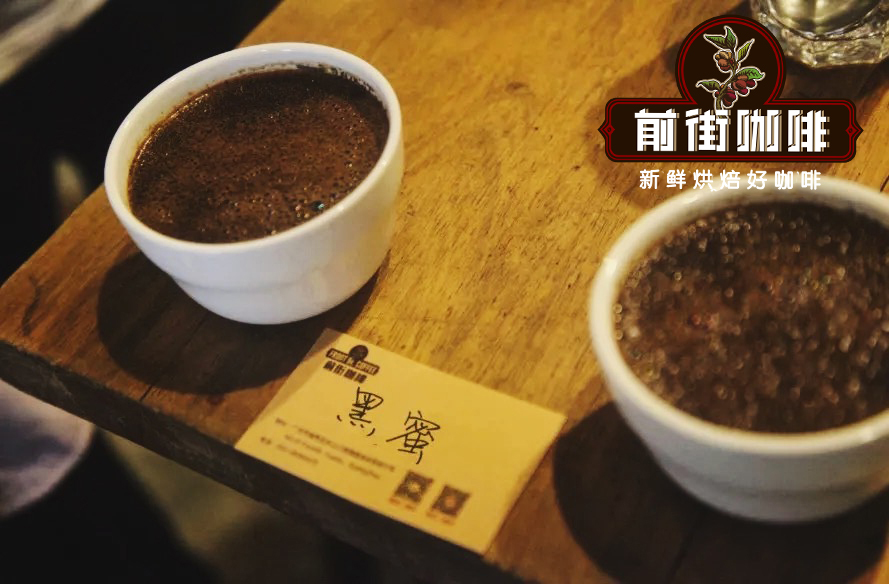
After pulped natural was introduced to Central America, it further evolved into honey processing. Its core feature is retaining all or part of the mucilage for sun drying, especially suitable for high-altitude regions with limited water resources. Based on differences in mucilage retention and drying conditions, honey processing is subdivided into black honey, red honey, orange honey, yellow honey, and white honey.
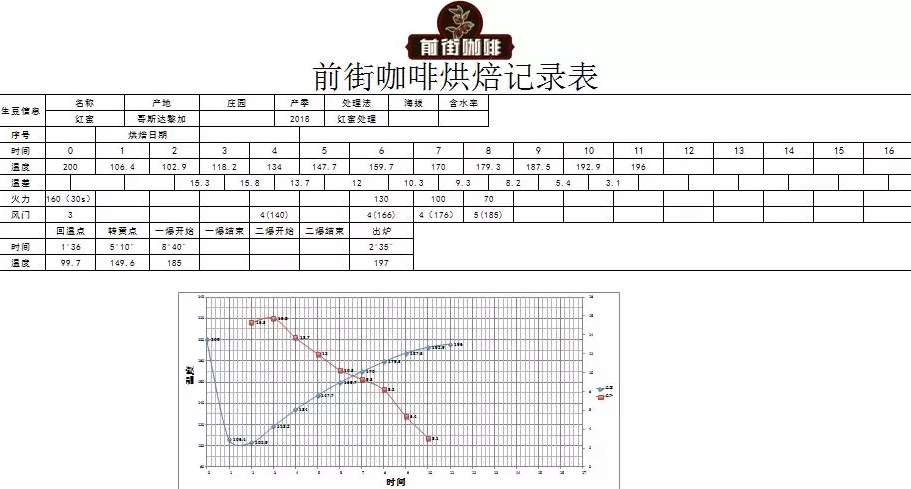
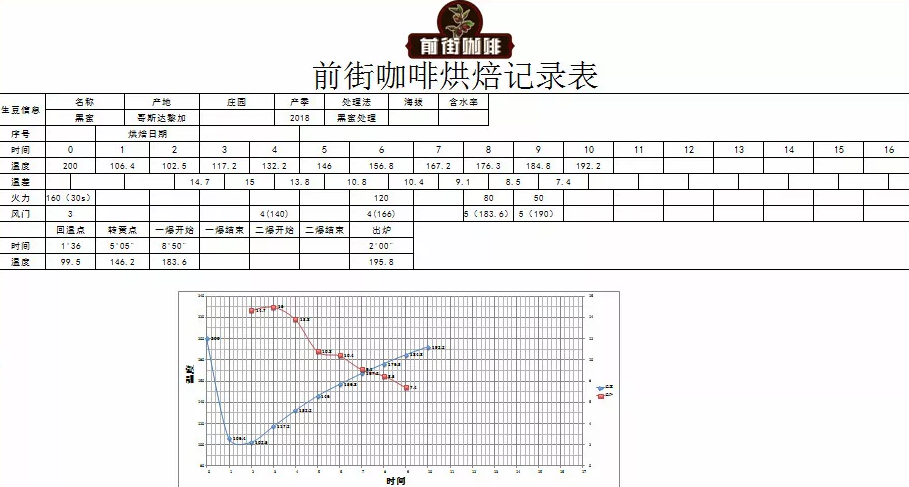
The classification criteria mainly include: ① Mucilage removal ratio (e.g., black honey retains 80%, red honey about 25%, yellow honey 40%); ② Sun-drying duration (black honey requires more than 14 days, yellow honey about 8 days); ③ Drying method (thick layer slow drying vs. thin layer fast drying); ④ Turning frequency (affects drying uniformity). For example, black honey is often shaded throughout to slow drying and promote sugar conversion, while yellow honey mostly uses thick layers with less turning to extend drying time.
Sensory Differences and Practical Parameters of Honey Processing
Coffees of different honey types perform differently in the cup: Black honey has the most intense and complex aroma (prominent fermented and tropical fruit notes) but takes the longest to dry; red honey has good balance with red wine and stone fruit flavors; yellow honey is cleaner and brighter, mainly citrus and caramel notes. In practice, thick-layer dried black honey requires attention to prevent over-drying, while thin-layer yellow honey needs frequent turning to ensure uniformity.
Processing Method Comparison and Selection Advice
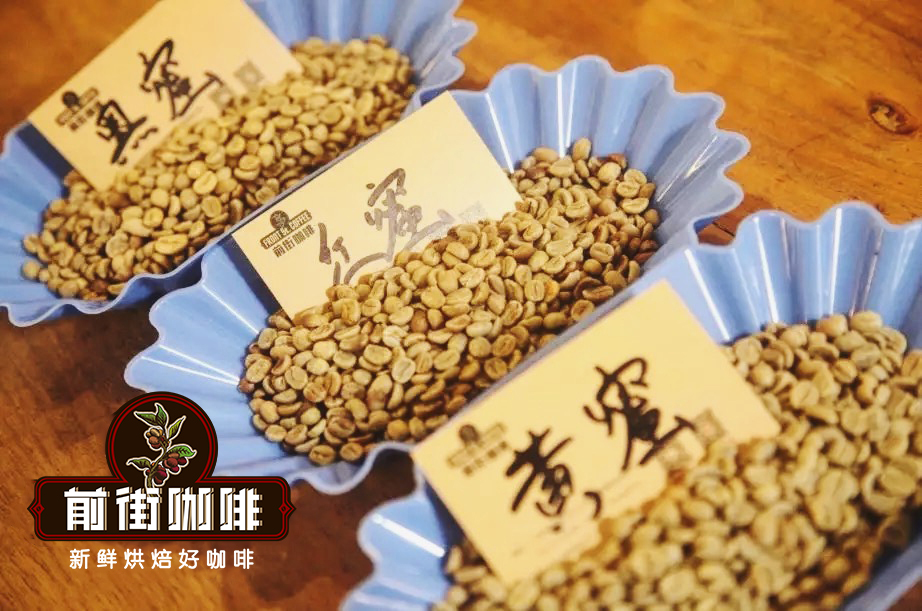
Considering flavor, sweetness, production risk, and resource consumption, the characteristics of each processing method are as follows: Acidity ranking: washed > semi-washed > honey > wet-hulled > natural; Sweetness ranking: natural > honey > wet-hulled > semi-washed > washed; Production risk (degree of weather influence): wet-hulled/natural > washed/honey > semi-washed; Equipment needs: washed/semi-washed > honey/wet-hulled > natural; Water usage: washed > semi-washed > honey/wet-hulled. Consumers can choose coffee beans processed by a suitable method based on personal taste preferences (e.g., choose washed for high acidity, honey or wet-hulled for full body) and the climate characteristics of the origin.
Whether exploring the full-bodied wet-hulled coffee nurtured by Indonesia's rainforests, savoring the sweetness of pulped natural born in Brazil's dry climate, or experiencing the diverse layers of Central American honey processing, understanding the core logic of these processing techniques will help you more deeply appreciate the story and craftsmanship behind every cup of coffee.