Coffee Processing Explained: How Washed and Natural Methods Shape Flavor
Introduction: The flavor expression of coffee beans is closely related to the processing method. From coffee fruit to roastable green beans, washed and natural are the two mainstream processing methods. They not only affect drying efficiency but also, through the fermentation process, give coffee distinctly different acidity, sweetness and complexity. This article provides an in-depth analysis of the procedural differences, key parameters and flavor characteristics of the two methods, helping you choose the coffee type that suits your taste preferences.
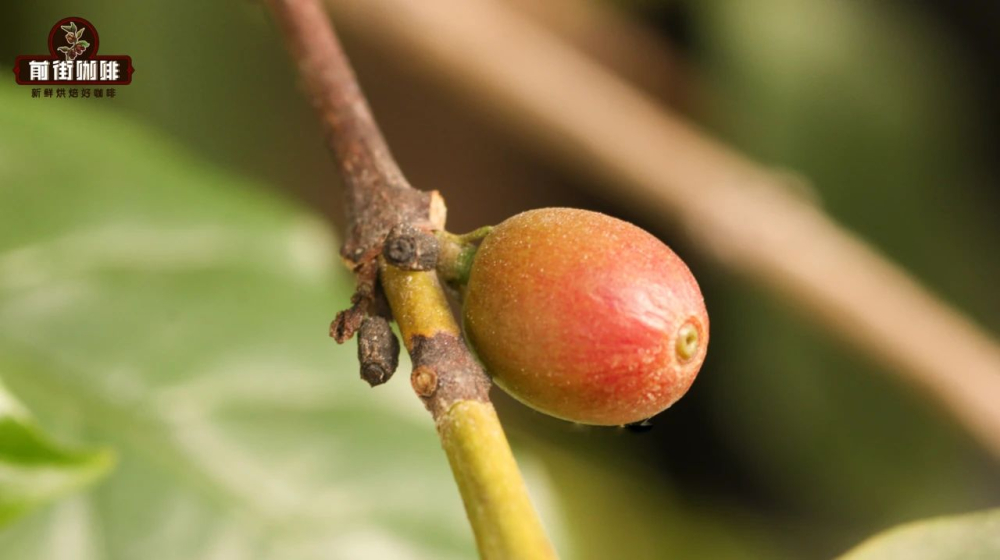
Coffee beans are not the same as the fruit of the coffee tree. In fact, they are the seeds inside the coffee fruit, wrapped in multiple layers—from outside to inside, the skin, pulp, mucilage layer, parchment and silver skin, with the coffee bean we refer to at the very core. To turn these fruits into roastable green beans, a series of professional processing steps is required, and this process is what we commonly call green coffee processing.
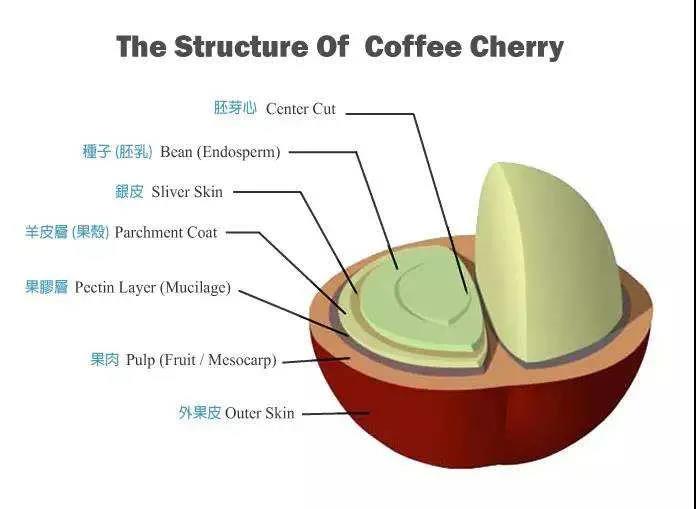
Many people mistakenly believe that processing is simply physical separation, but in fact its influence on the final flavor of coffee is extremely significant. The core difference between washed and natural processing lies not only in water usage or sunlight duration, but more importantly in the control of the fermentation stage. During fermentation, the sugars in the pulp and mucilage break down to produce acidic substances and fermented flavors, which penetrate into the coffee beans and thus form different mouthfeel characteristics.
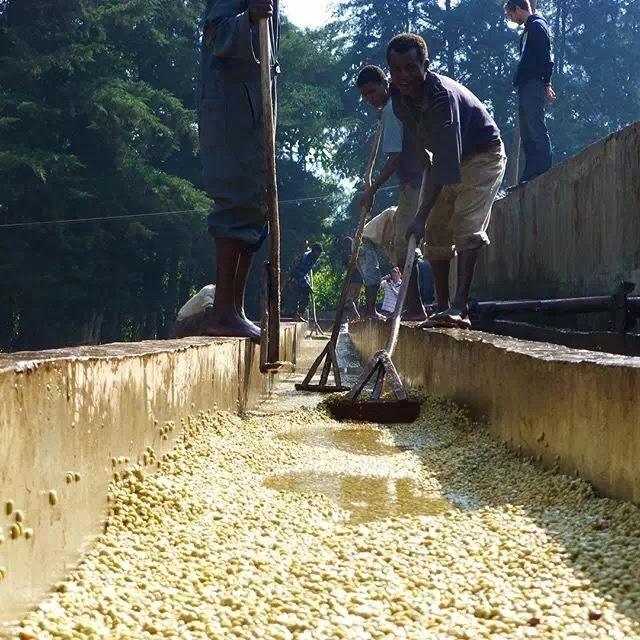
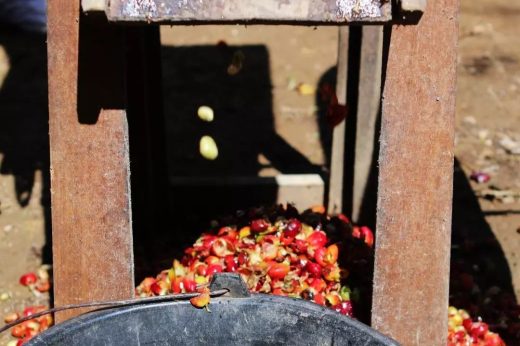
The first step of the washed process is flotation, which uses density separation to remove underripe, inferior fruit. The skin and pulp are then removed by machine, and the coffee beans with mucilage still attached are placed in water tanks for fermentation. Fermentation usually lasts 12-36 hours, depending on ambient temperature and the condition of the beans. After fermentation is complete, the mucilage layer must be thoroughly washed off with clean water, and finally the beans are dried in the sun until the moisture content drops to 11%-13%. The advantage of this method is that it is less dependent on weather, and because the initial moisture content is lower, the drying cycle is shorter than with the natural method.

The flavor characteristics of washed coffee are very distinctive: it usually shows bright acidity and a clean, refreshing mouthfeel. Coffee beans grown at high altitudes and processed by the washed method often display more delicate citrus-like acidity and a clearly layered flavor structure.

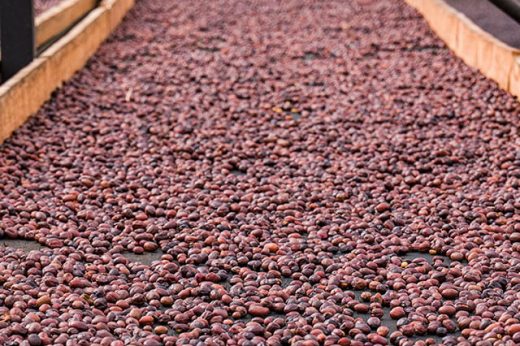
By contrast, natural processing is the most traditional craft and the most dependent on natural conditions. After picking, the coffee fruit is dried whole; over a period of about a month, exposure to sunlight slowly reduces the moisture content to 11%-13%. During this process, the sugars in the pulp and mucilage are fully absorbed by the coffee beans, thus laying the flavor foundation for subsequent roasting. The notable advantage of this method is its extremely low water consumption, making it particularly suitable for regions lacking water resources.
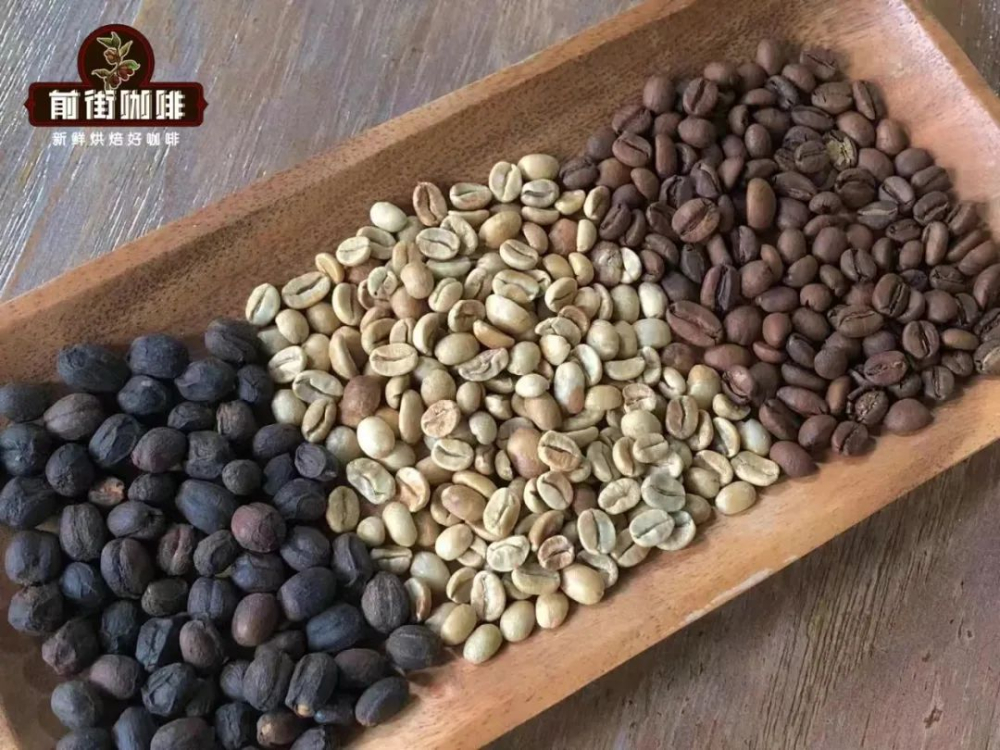
Natural coffee usually has a more intense and complex flavor, often with ripe berry notes, rich sweetness and a full body. Prolonged contact with the pulp allows the coffee beans to develop more layers of aroma, including complex flavors such as caramel and chocolate.

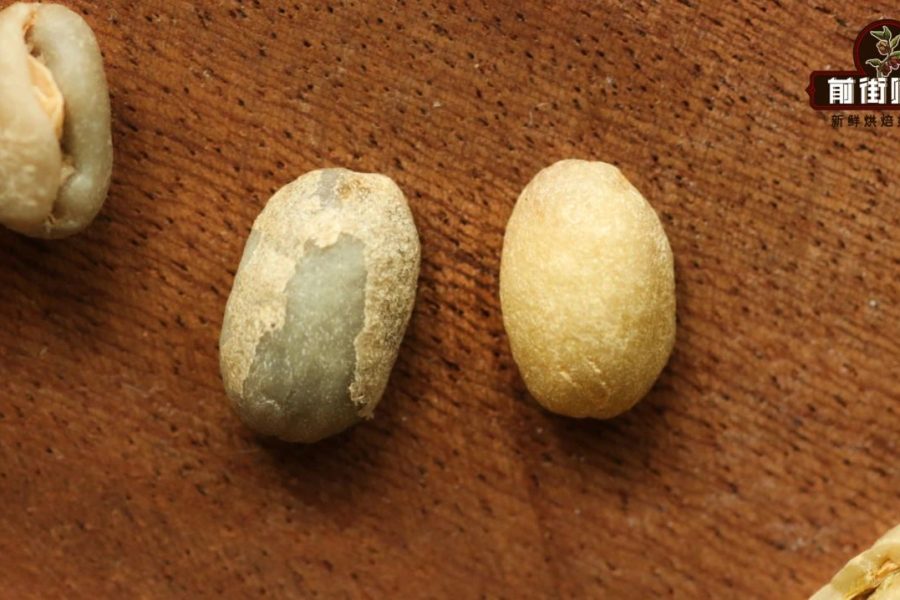
The most intuitive way to distinguish washed from natural green beans is to observe the color: washed green beans are a vivid blue-green, while natural green beans tend toward yellowish-brown. This color difference stems from the different drying methods and processing stages.
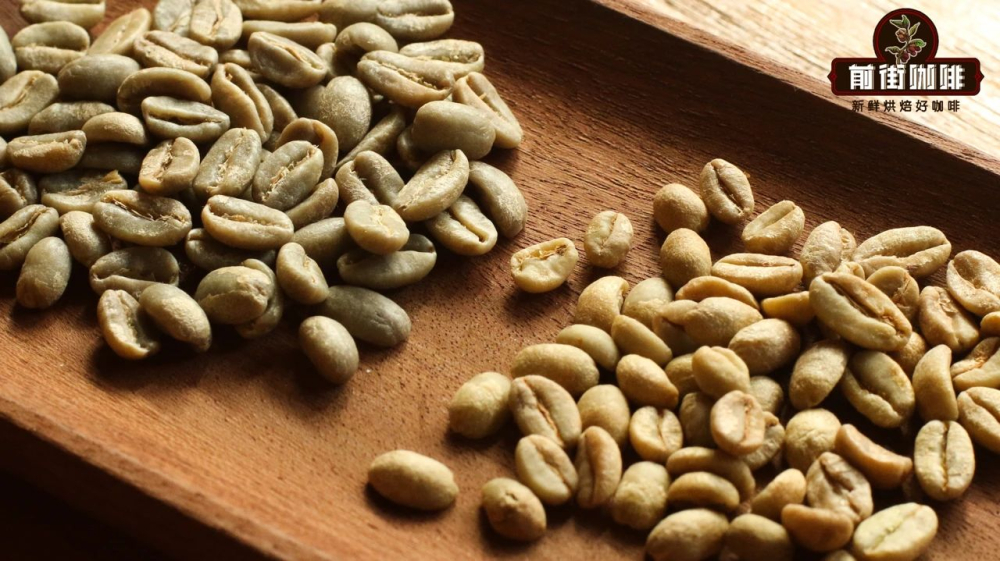
For roasted beans, the retention of silver skin is an important basis for judgment. After roasting, natural beans usually shed their silver skin more thoroughly, leaving a clean bean surface; washed beans, because they have less silver skin attached initially, often cannot have the silver skin at the center seam fully peeled off during roasting, leaving a visible silver skin line in the middle of the bean.


Drawing on extensive cupping experience, it can be concluded that washed coffee generally has higher acidity and purity, with clear flavor lines but relatively limited complexity; natural coffee, on the other hand, is known for its rich berry aroma, higher sweetness and multi-layered mouthfeel. Consumers can choose according to personal taste preferences—those seeking a fresh, bright mouthfeel can choose washed, while those who prefer intense, complex flavors are better suited to natural.