Pour-over coffee beginner's guide: choosing and storing coffee beans
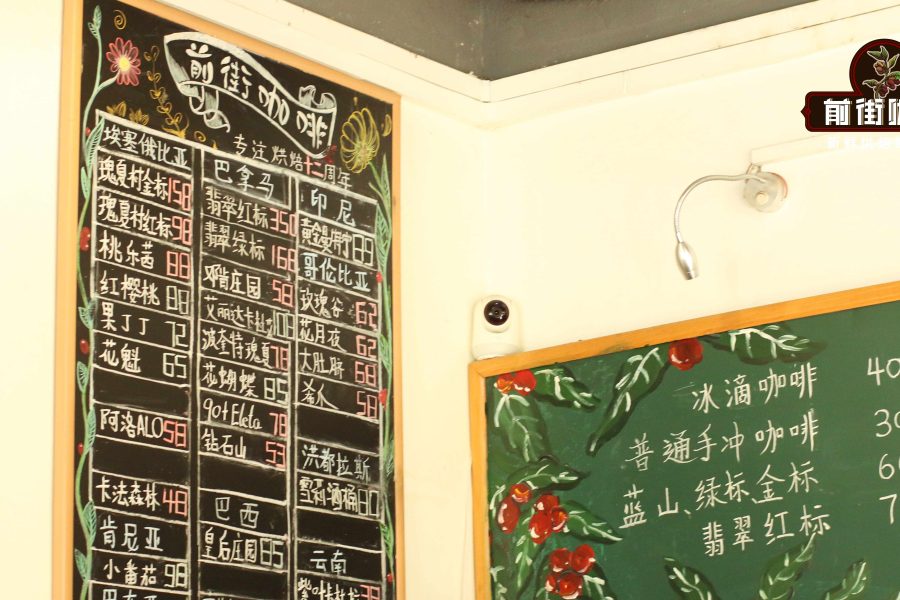
Introduction: Choosing and storing coffee beans is the first step in pour-over coffee and a key part of what shapes the flavor. This article walks you through selecting beans suited to pour-over based on freshness, origin and roast level, and offers science-based storage methods to prevent aroma loss. Master these tips and you can brew a cup with rich, layered flavor at home.
Brewing a cup of coffee by hand at home, watching the hot water meet the coffee grounds as the aroma gradually fills the air, is a rare chance to relax. Yet many coffee lovers feel confused when buying beans: how do you find beans suited to pour-over? How should you store them to keep the flavor at its best? This article breaks down the key points of choosing coffee beans across three dimensions—freshness, regional character and roast level—and shares practical tips for extending their shelf life.
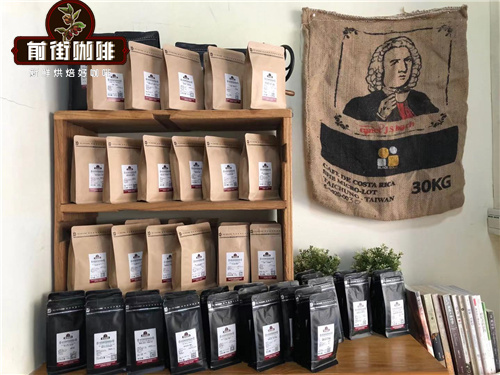
The first thing to check when judging whether beans are fresh is the roast date.Coffee beans are usually at their best between 5 and 14 days after roasting; past 50 days, even expensive beans will have lost much of their flavor. Choose products with a clearly marked roast date and try to use them up within a month. Compared with pre-ground coffee, whole beans preserve aromas and flavor compounds far better; after buying, adjust the grind to suit your grinder.
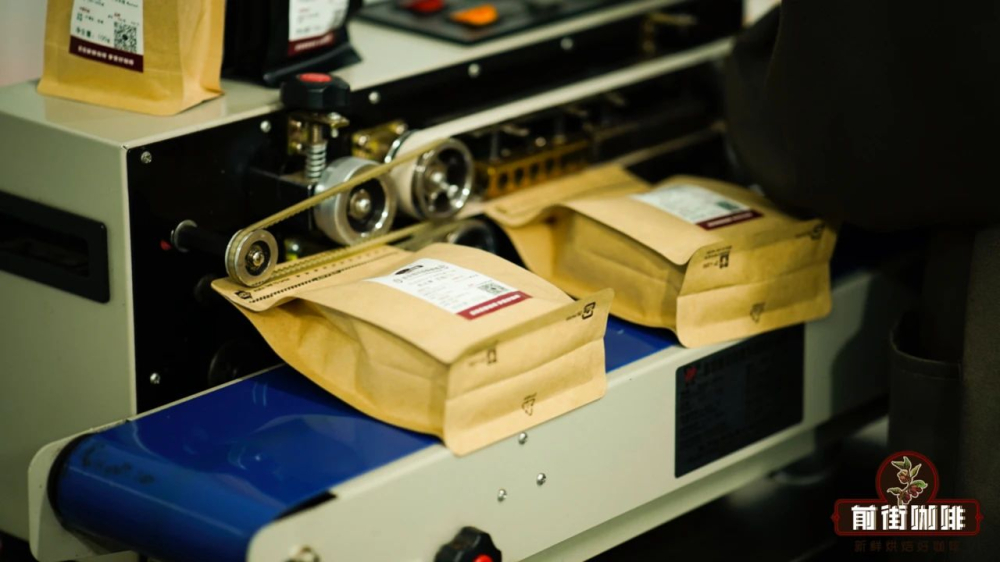
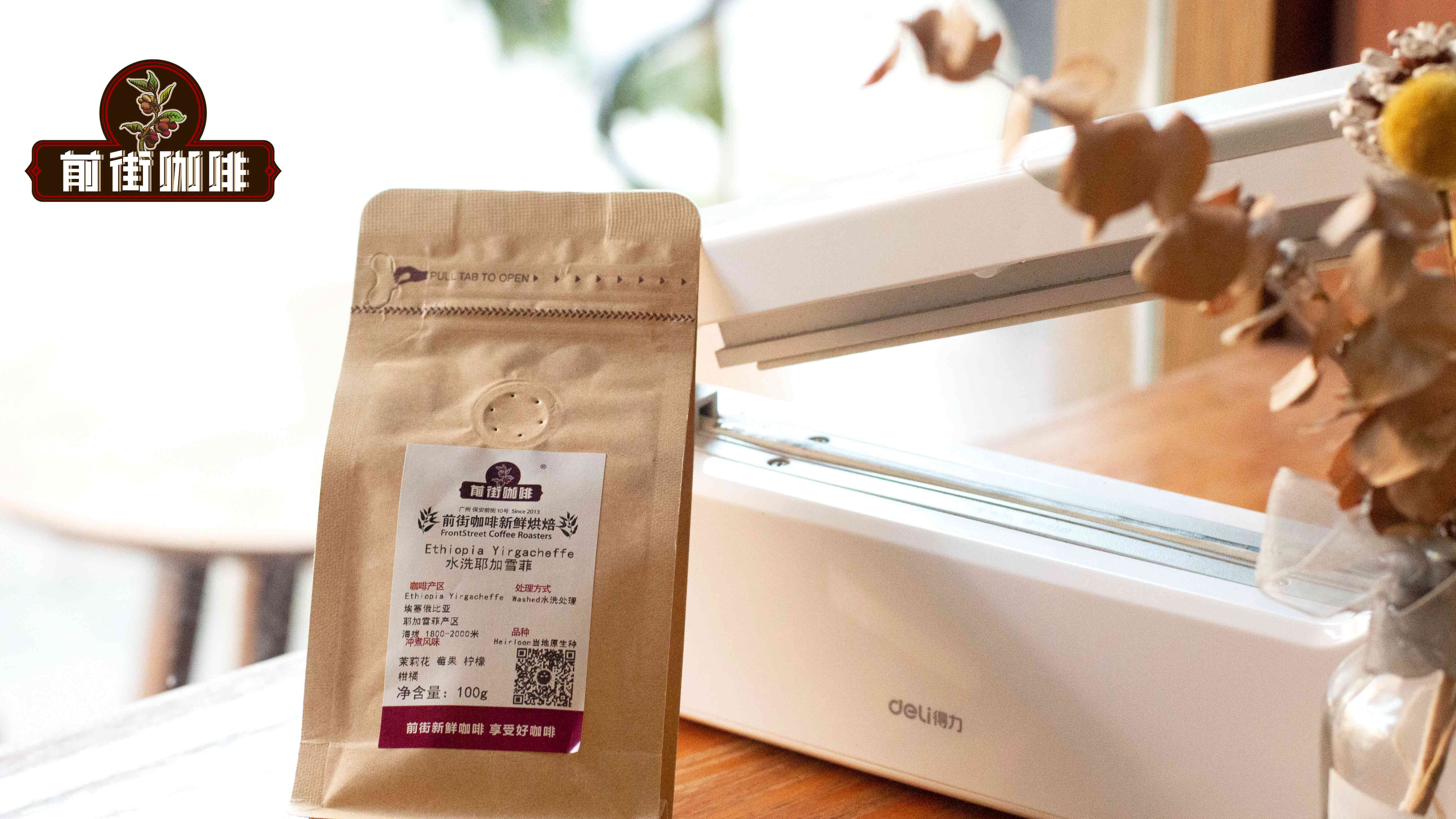
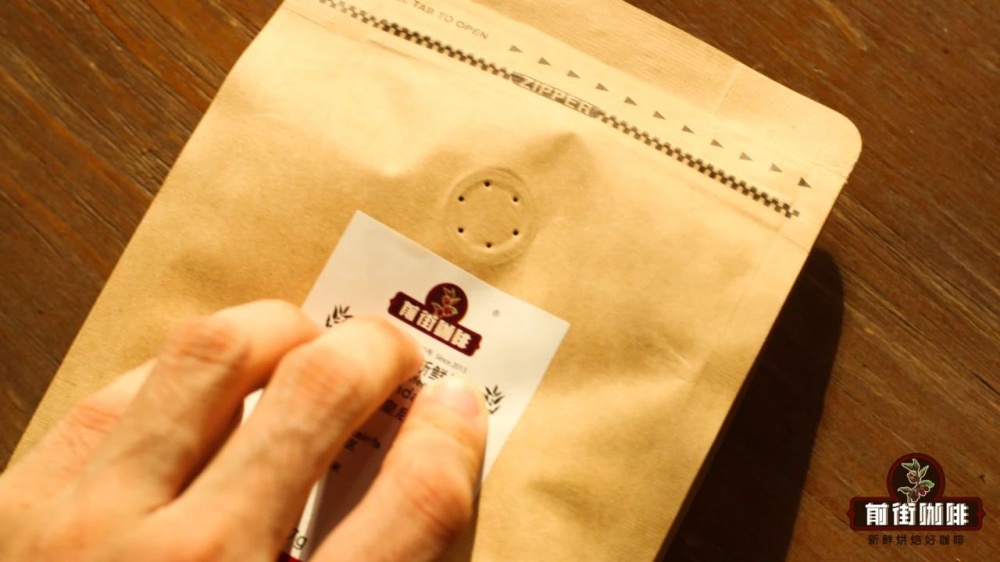
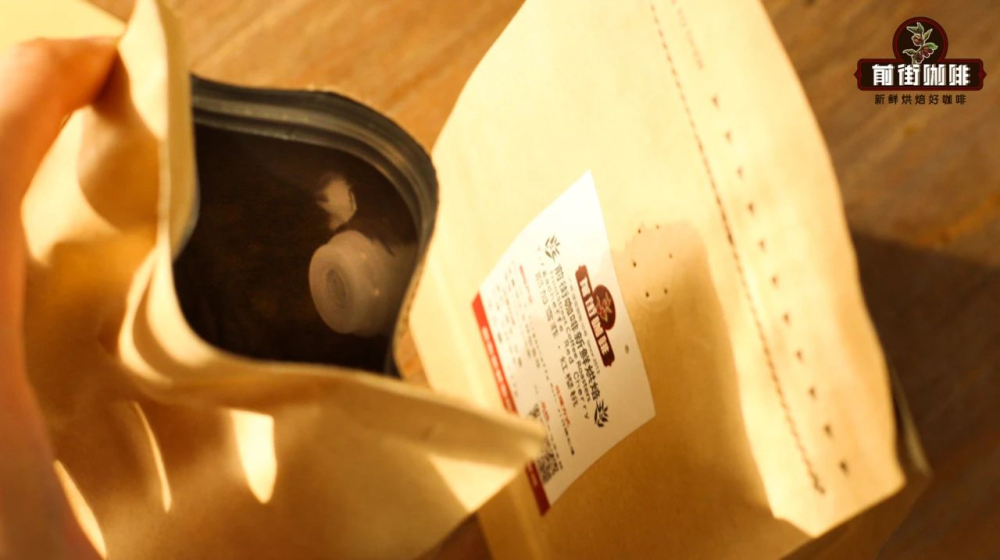
Where you buy also matters. Give priority to vendors that offer fresh roasting, so you know the beans you receive were roasted recently. Check whether the packaging shows a roast date rather than a production date—this is an important clue to freshness. Good coffee packaging usually features a one-way degassing valve, which lets carbon dioxide escape while keeping oxygen out.
The flavor of coffee beans is closely tied to origin. African coffees are known for bright fruit acidity and suit those who like a fresh-tasting cup; typical flavors include citrus and tropical fruit aromas such as blueberry, and they are usually lightly roasted. Asian coffees show a full-bodied mouthfeel and distinctive spice notes, with complex flavors such as herbs and earth, and generally need a medium-dark roast to bring out their character. Latin American coffees are relatively balanced, with prominent nut, chocolate and caramel notes, and are the classic example of a medium roast.
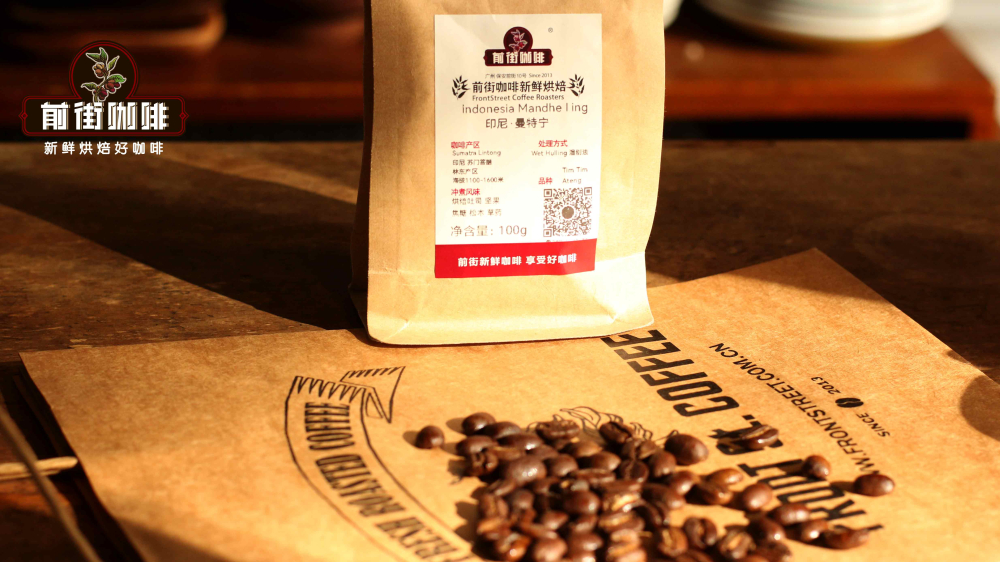
Coffee beans of different roast levels call for different brewing parameters. Light roasts are denser, so use a slightly coarser grind and a higher water temperature (92–96°C); medium-dark roasts bloom faster, so you can grind a little finer and lower the temperature (88–92°C). Beginners can start with a medium roast, which usually has a more balanced ratio of acidity to bitterness and is more forgiving.
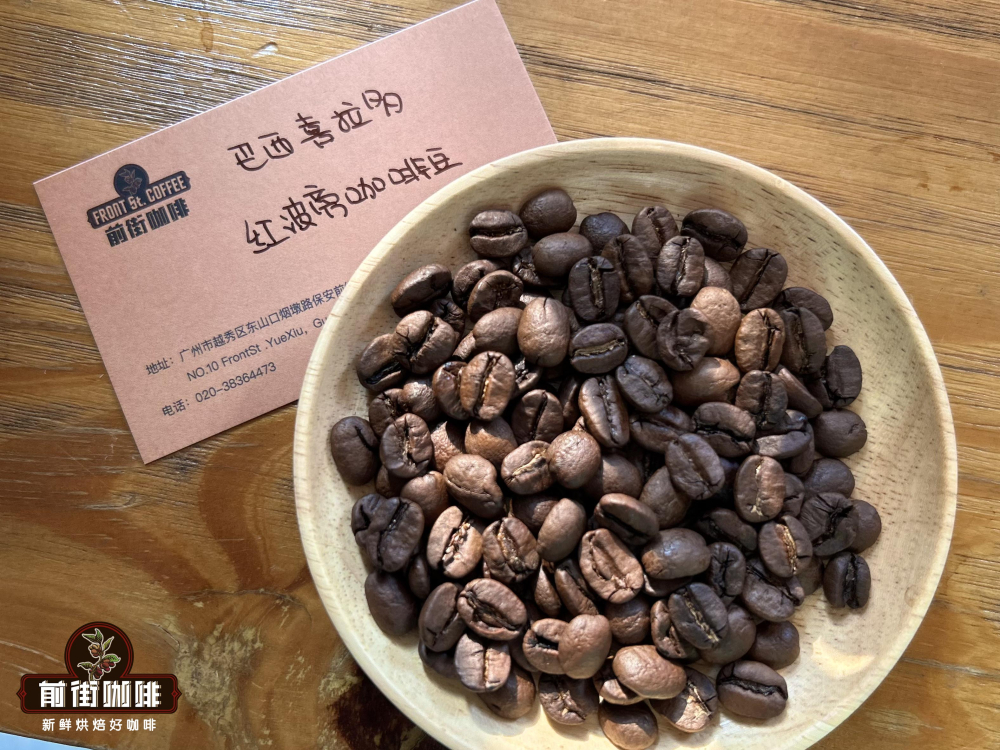
Proper storage directly affects how well coffee beans keep their flavor. Beans continuously oxidize on contact with oxygen in the air, causing aroma loss and deterioration of the oils. The ideal storage conditions are a dark, sealed environment below 25°C. Use an opaque, airtight container and avoid storing beans long-term in clear glass jars. Plastic containers may absorb coffee oils and affect the flavor in later use.
As for whether beans should be kept in the refrigerator, the professional advice is this: unless you are storing them long-term (more than a month), keeping them at room temperature away from light is more suitable. Frequent temperature changes cause beans to absorb moisture, which actually speeds up deterioration. If you really must refrigerate them, be sure to use a fully sealed container and let the beans sit at room temperature before grinding, so condensation does not affect the grind.
In summary, when choosing pour-over coffee beans, weigh freshness, regional character and your personal taste preferences together. Fresh whole beans, an appropriate grind and correct storage—none of these three elements can be left out. Through practice and experimentation, you will gradually find the beans and brewing method that suit your taste best, and enjoy making professional-level pour-over coffee at home.


