Indonesian Mandheling Coffee: 5 Estate Varieties, Processing and Pour-Over Guide
Introduction: Indonesian Mandheling is a classic choice for coffee lovers thanks to its unique full-bodied, low-acid flavor. But with so many estate varieties and processing methods to choose from, how do you pick? This article details the origins and variety differences of five representative Mandheling coffees, the characteristics of wet-hulling and natural processing, and offers professional pour-over parameter suggestions to help you find the flavor you love.
Indonesian Mandheling coffee beans have long been a favorite of specialty coffee lovers for their rich, full-bodied mouthfeel. Yet when faced with the many Mandheling coffees on the market from different origins and processed in different ways, many people don't know where to start—for example, beans from the same Sumatra may show huge differences from nutty notes to tropical fruit aromas depending on altitude, estate, or even drying method. This article takes five typical Mandheling coffees as examples to analyze in depth their varietal characteristics, processing differences and practical brewing advice.
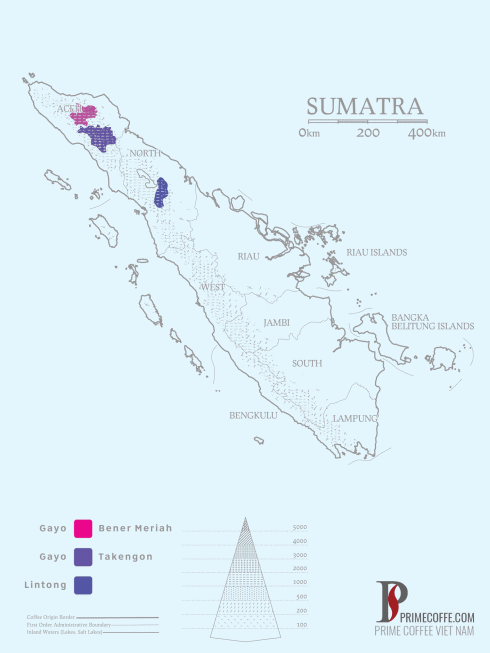
The history of Mandheling and Indonesian coffee dates back to the 17th century, when Dutch colonists first introduced Arabica coffee seedlings to Java and Sumatra. But the coffee leaf rust disaster of 1877 nearly destroyed Arabica cultivation across the islands, and people turned to the more disease-resistant Robusta—which explains why 90% of Indonesia's coffee production today is still Robusta. However, on the volcanic slopes of Sumatra at altitudes of 750-1500 meters, a small amount of high-quality Arabica growing areas remains; the Mandheling produced here is full-beaned and hard-textured, and although it is easily affected in overall quality by defective beans, it also achieves its signature rich flavor.
Behind the origin of the name "Mandheling" lies an amusing misunderstanding: during World War II, Japanese soldiers stationed in Indonesia never forgot the local coffee and, after returning to Japan, asked traders to buy it on their behalf. Because the supplier was not at liberty to disclose the specific growing region, he casually used the name of a local ethnic minority, "Mandheling," as a stand-in, and this accidental naming eventually became the coffee's exclusive label. Unlike coffees traditionally named after their growing region (such as Yirgacheffe or Blue Mountain), Mandheling is essentially a regional flavor representative of Sumatran Arabica.
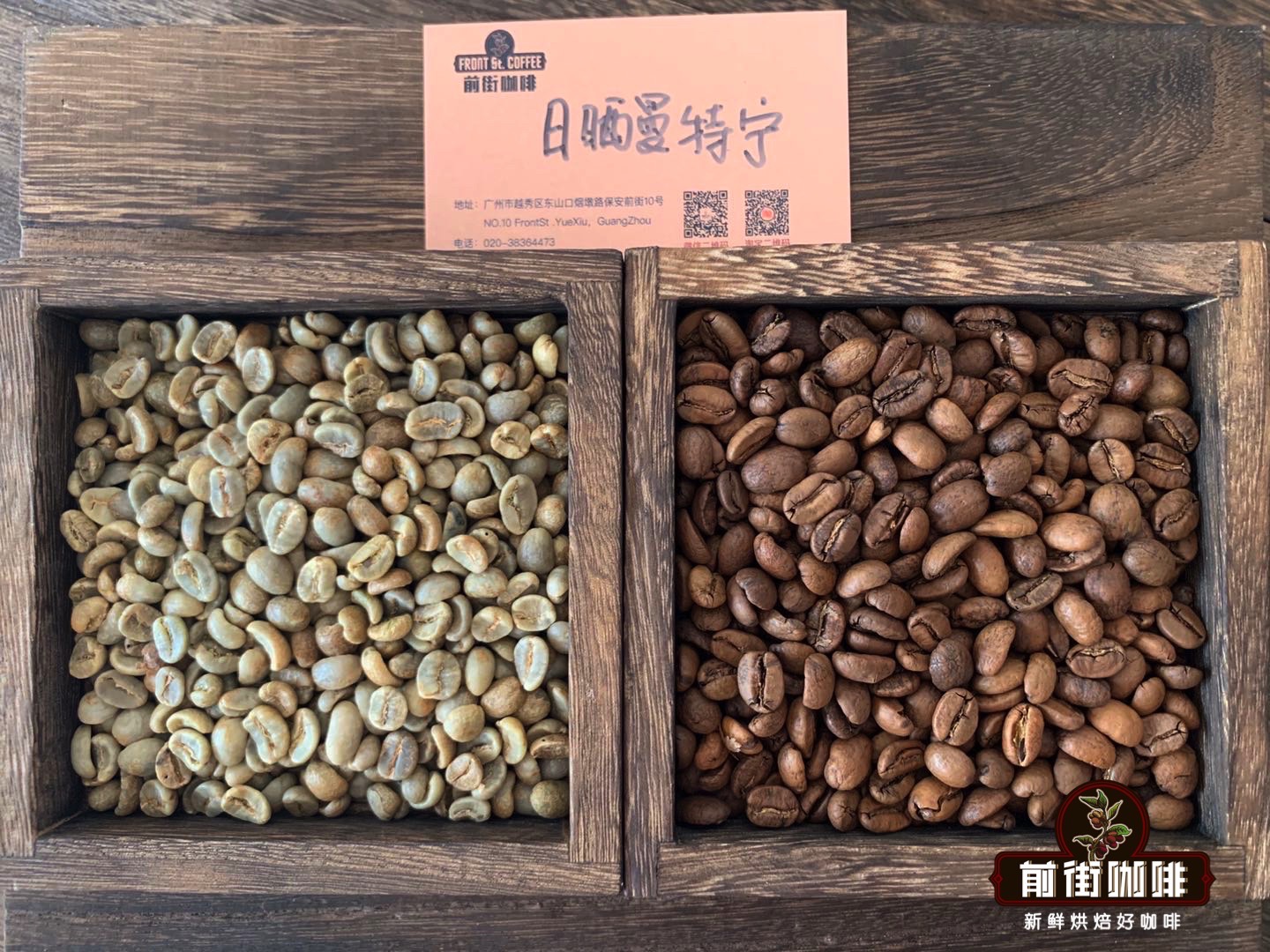
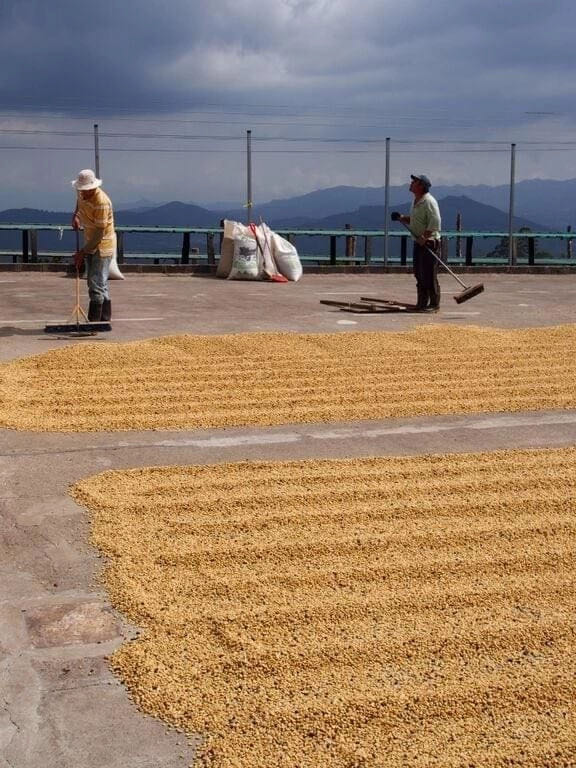
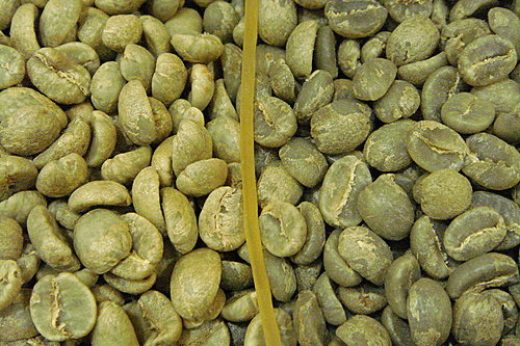
The most distinctive process of Indonesian Mandheling is certainly wet-hulling (known locally as Giling Basah). Because Sumatra's humidity is as high as 70%-90% year-round, with annual rainfall in some areas exceeding 2000 mm, natural drying of green coffee takes 2-3 weeks, and the damp environment is highly prone to bacterial contamination. Traditional washed processing requires drying with the parchment intact to protect the green beans, but wet-hulling removes the parchment and hulls the beans directly while they are still in a "semi-dry" state at 20%-24% moisture content (close to the 10%-12% moisture of fully dried beans), exposing the green beans to sunlight for rapid dehydration—a process that not only shortens drying time to one-third that of the washed method, but also unexpectedly creates Mandheling's signature low acidity, thick mouthfeel and herbal-spice flavors. However, hulling in the semi-dry state causes the bean surface to stick together and requires greater friction to strip it off, which often forms the unique "goat's hoof bean" appearance (an uneven surface resembling a goat's hoof).
Next, a focus on the flavor characteristics and processing differences of five typical Mandheling coffees: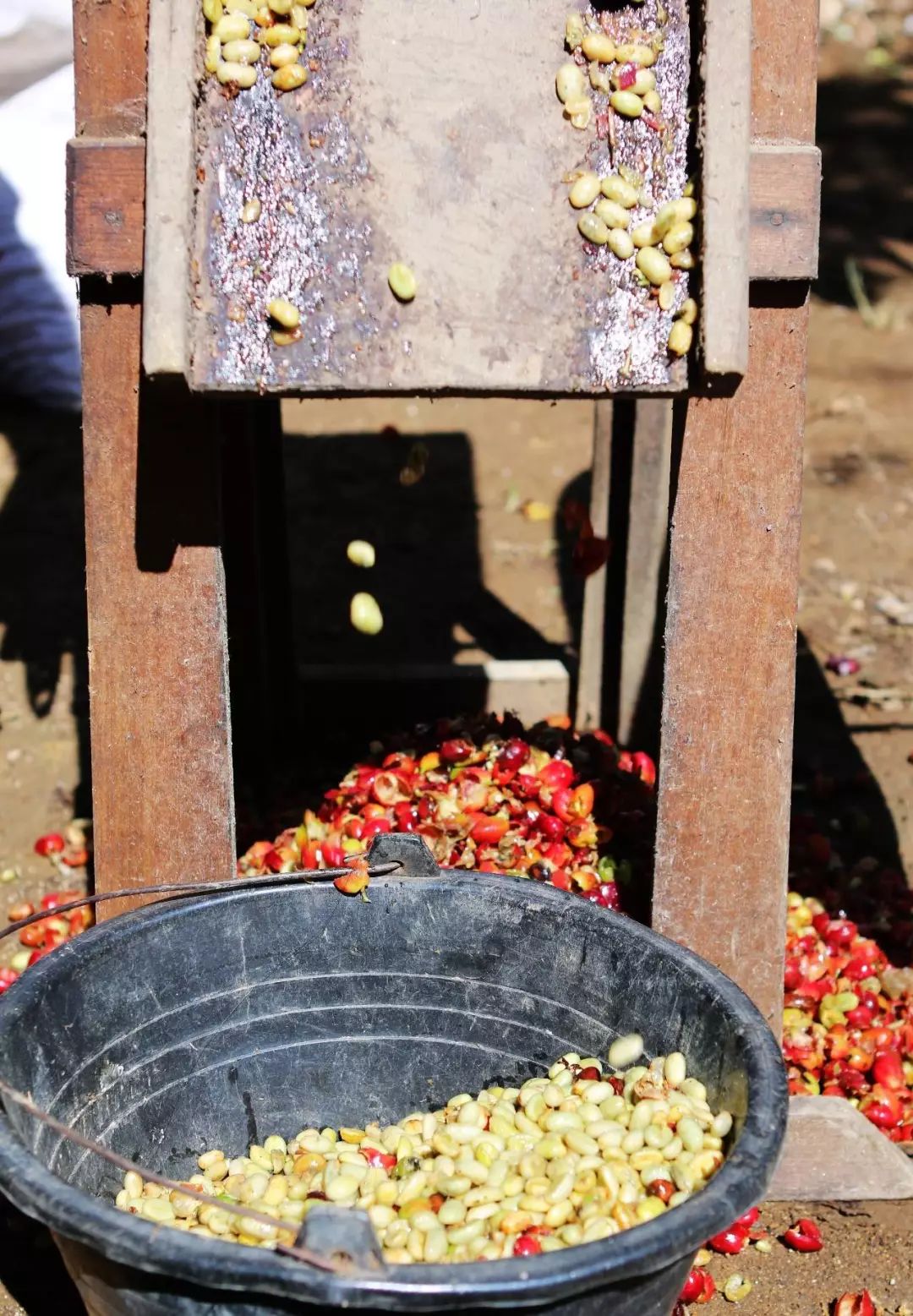
First up is the classic strides variety from Mount Gayo in Sumatra (1100-1600 meters), processed with the Ateng variety and wet-hulling. This bean has extremely strict screening standards (18 mesh and above, fewer than 3 defects per 300 grams of green beans, the highest G1 grade), with neat, deep-green flat beans. After fine screening, its earthy off-flavors are greatly reduced, with flavors dominated by baked toast, nuts and pine, and a finish of caramel and herbal freshness.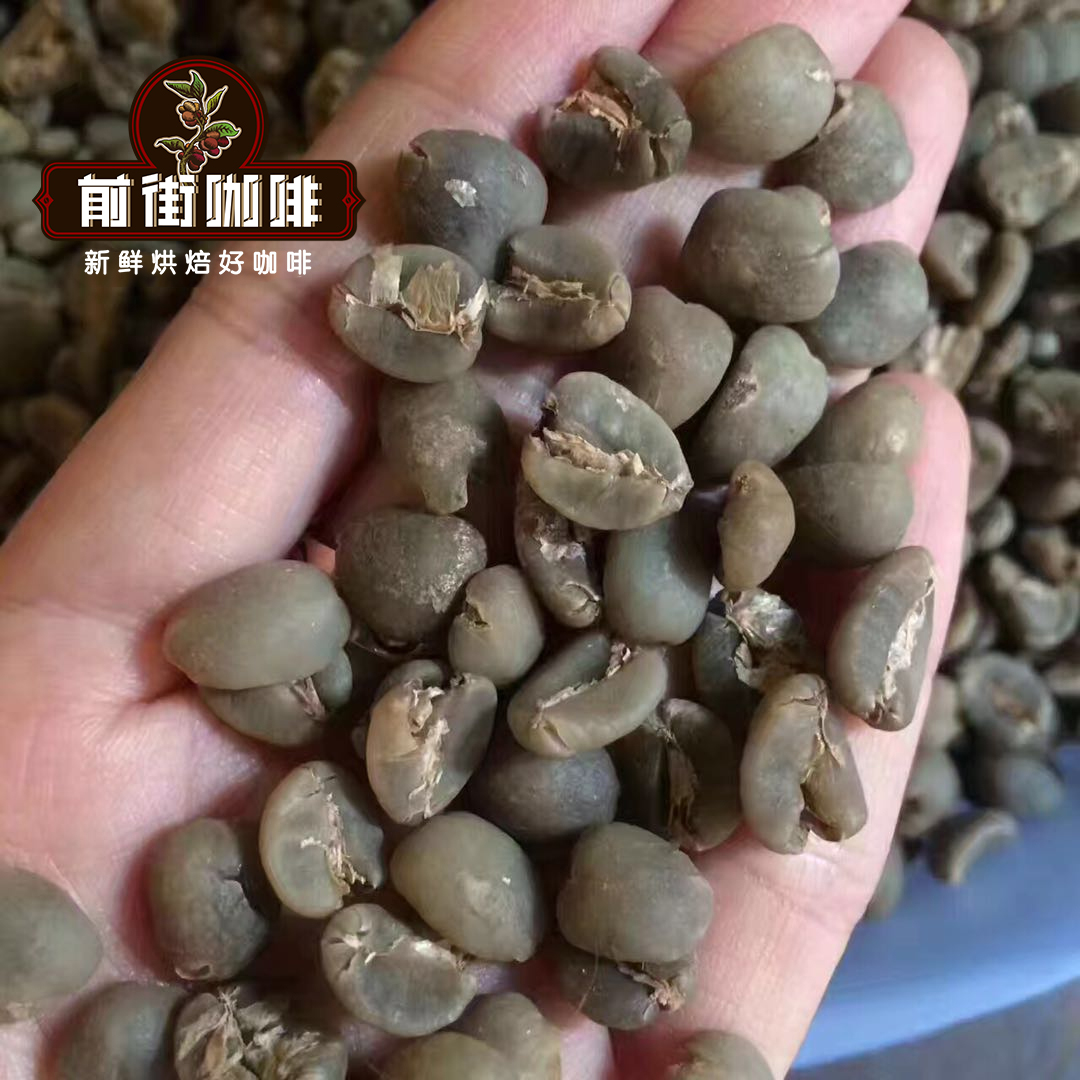
Another Mandheling from the Lintong mountain area of Sumatra (near Lake Toba, 1100-1600 meters) uses a blend of Typica and Caturra varieties, also wet-hulled. As an entry-level everyday bean, its greatest features are extremely low acidity and outstanding body, with flavors presenting a balanced combination of baked toast, nuts, caramel and herbs.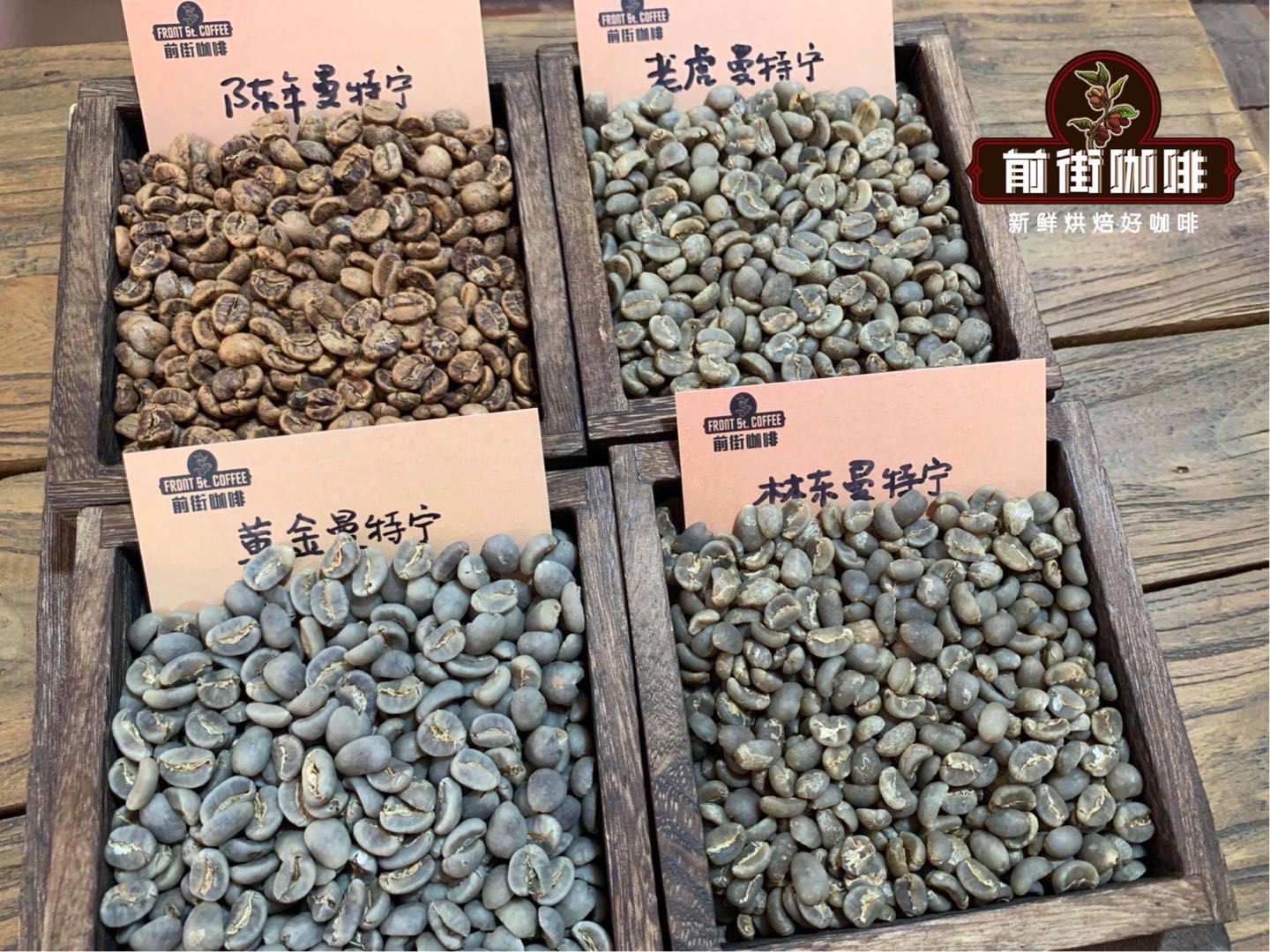
The 1500-meter "Tiger Mandheling" (also called Tiger Estate Mandheling) has higher requirements: beans of 17 mesh and above with a defect rate below 4%, mainly Caturra, Typica and Sidikalong varieties. Caturra brings citrus-lemon notes, Typica lends lasting sweetness, and the combination makes the mouthfeel more balanced and clean, with overall flavors centered on cream, dark chocolate and nuts.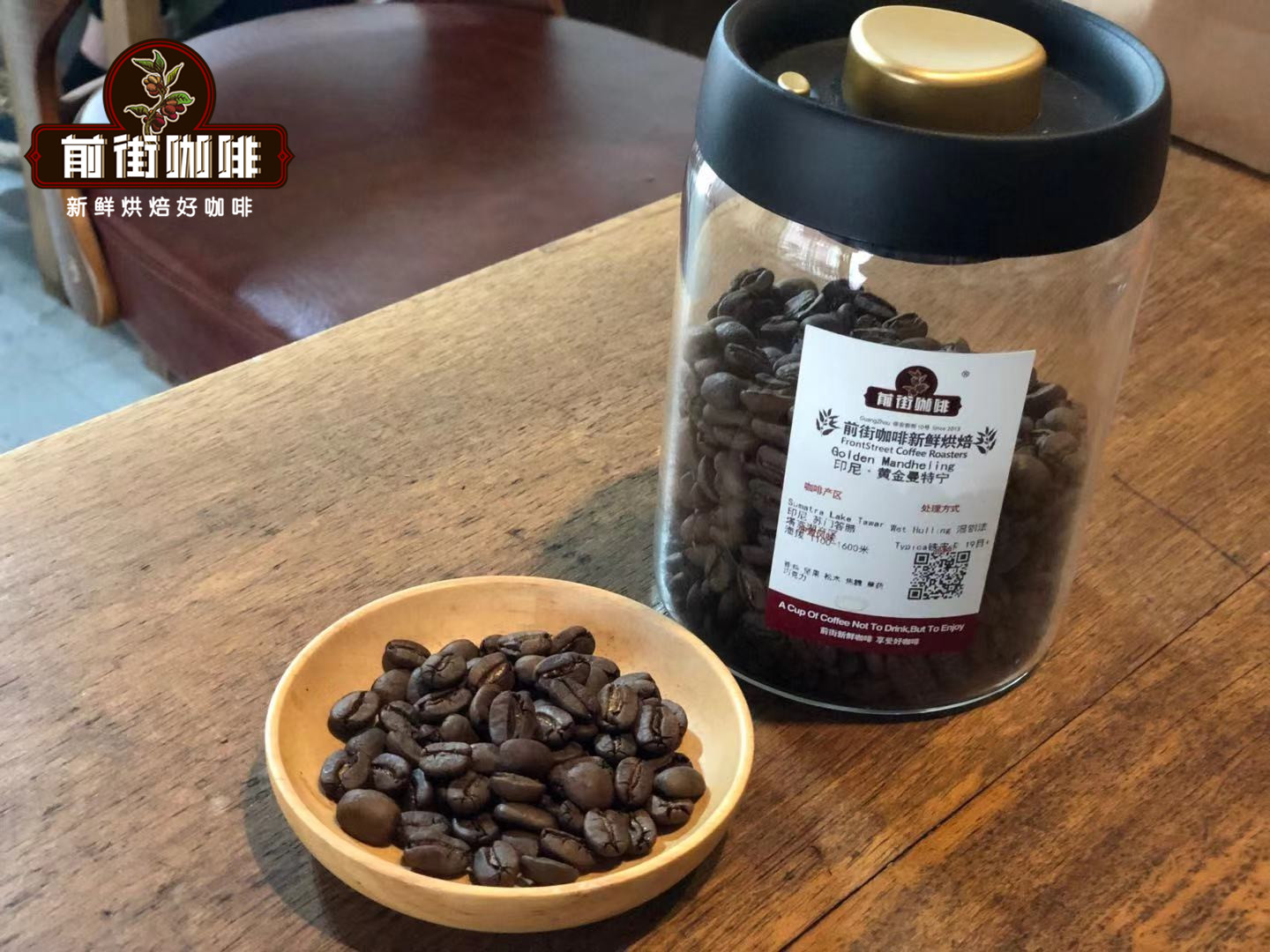
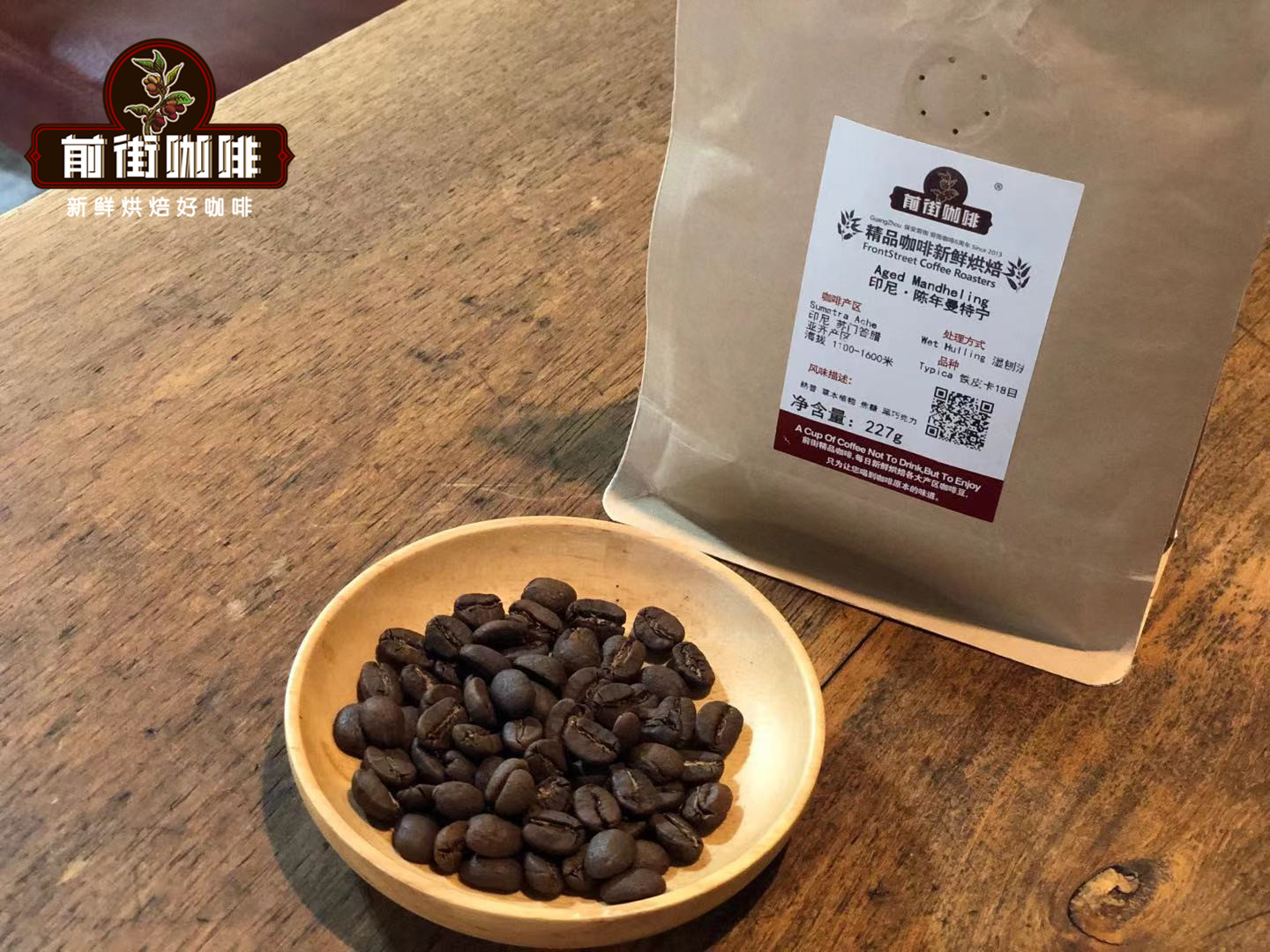
Aged Mandheling is a specialty created through a special storage process—green beans are stored for 2-3 years (in a cool, ventilated environment to prevent mold), during which acidity gradually weakens and the color darkens. Although some improperly handled aged beans may develop off-flavors resembling leather, high-quality aged Mandheling presents a mellow depth like ripe pu-erh, paired with caramel, herbal and chocolate flavors, for a rounder, more delicate mouthfeel.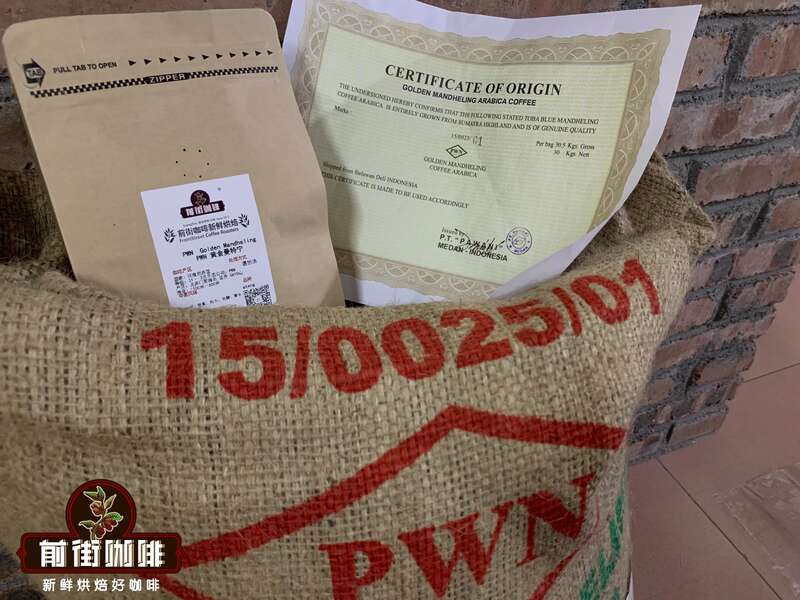
The only naturally processed Mandheling comes from the Wahana Estate by Lake Toba in Sumatra (1000-1700 meters, annual rainfall 2000-3000 mm, day-night temperature difference over 10°C), using Bourbon and Typica varieties. Thanks to the high altitude and ample sunshine, the coffee cherries generally have a sugar content above 13%, and natural processing preserves more fructose conversion products, with flavors dominated by tropical fruit aromas such as melon, mango and peach, along with layers of natural fermentation.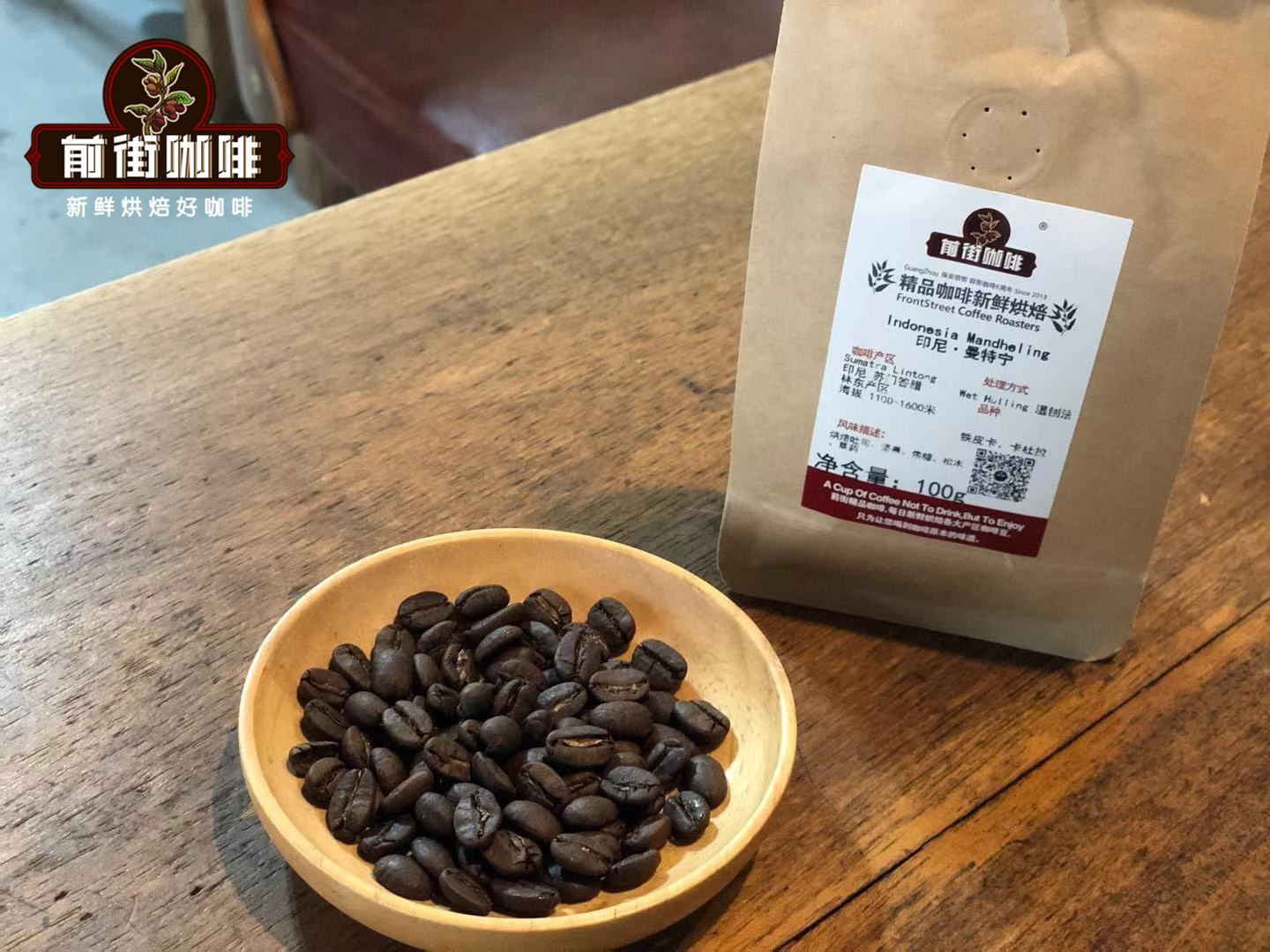
For Mandheling coffees processed in different ways, the pour-over parameter suggestions are as follows: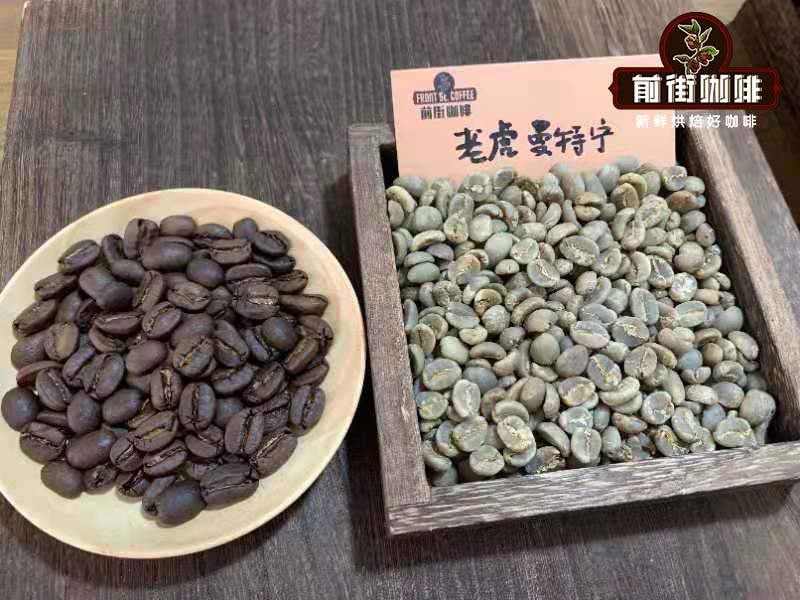
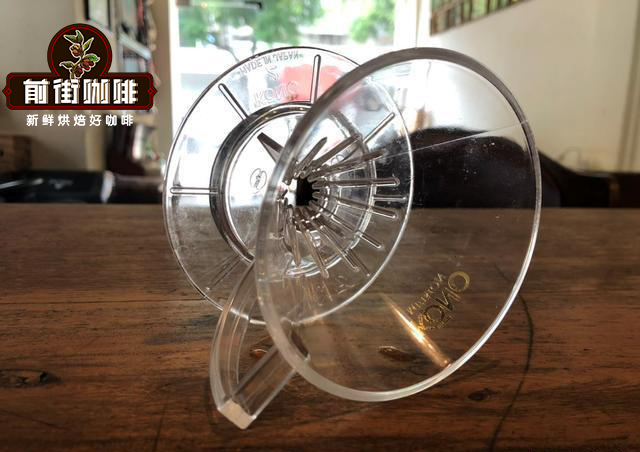
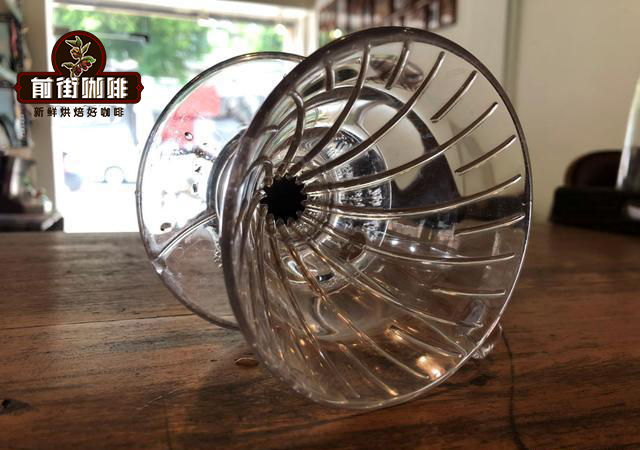
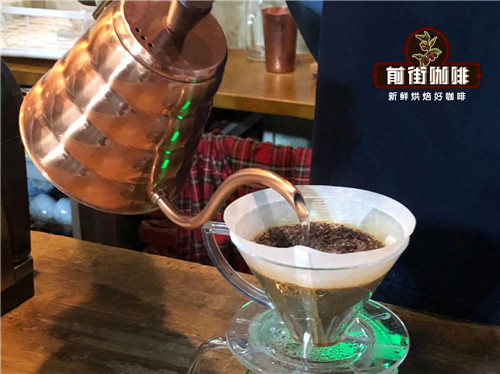
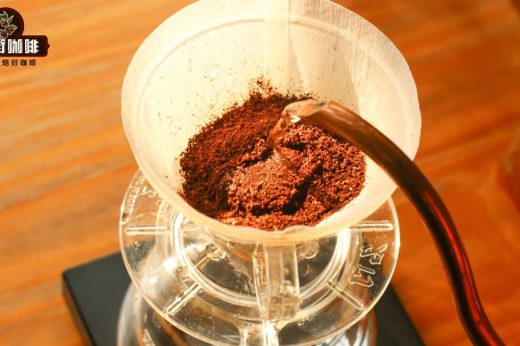
Common parameters for the four wet-hulled coffees: use a Kono dripper, 1:15 coffee-to-water ratio, 15 grams of coffee, 88°C water temperature, grind size (70%-75% passing through a No. 20 standard sieve). During brewing, first bloom with 30 grams of water for 30 seconds, then pour in a small circular stream to 125 grams for the first stage, and when the water level drops, continue pouring to 225 grams, for a total extraction time of about 2 minutes 10 seconds.
For naturally processed Mandheling, switch to a Hario v60 #01 dripper, 1:15 coffee-to-water ratio, 15 grams of coffee, water temperature raised to 91°C, grind size (80% passing through a No. 20 standard sieve). Also extract in stages: bloom with 30 grams of water for 30 seconds, pour to 125 grams for the first stage, continue pouring to 225 grams to finish, keeping total time at 2 minutes.
In terms of flavor, wet-hulled Mandheling generally presents warm aromas of nuts, caramel and chocolate, with rich layers and clean balance; the natural-process version is dominated by the fresh sweetness of tropical fruit, with moderate acidity that feels livelier. Master these differences and parameters, and you can precisely choose the Mandheling experience you prefer.