Colombian Coffee Pour-Over Guide: Golden Ratio and Flavor Analysis
Introduction: Explore the unique appeal of Colombian coffee, from premium growing regions to professional pour-over parameters, and master the flavor characteristics and brewing techniques of this classic single-origin bean. This article details Rose Valley coffee's growing environment, processing method, roast curve and cupping performance, and provides a tested 1:15 coffee-to-water pour-over recipe to help coffee enthusiasts precisely present its bright berry notes and fermented layers.

As one of the few specialty coffee representatives named after a country, Colombian coffee is highly regarded for its consistent quality and distinctive regional character. The country relies on the unique geographical conditions of the Andes—three north-south Cordillera ranges create diverse microclimates, and together with moderate average temperatures of 18-22°C and abundant rainfall, this creates the advantage of year-round harvesting. The staggered ripening of coffee cherries at different altitudes allows even a single region to present rich flavor layers.
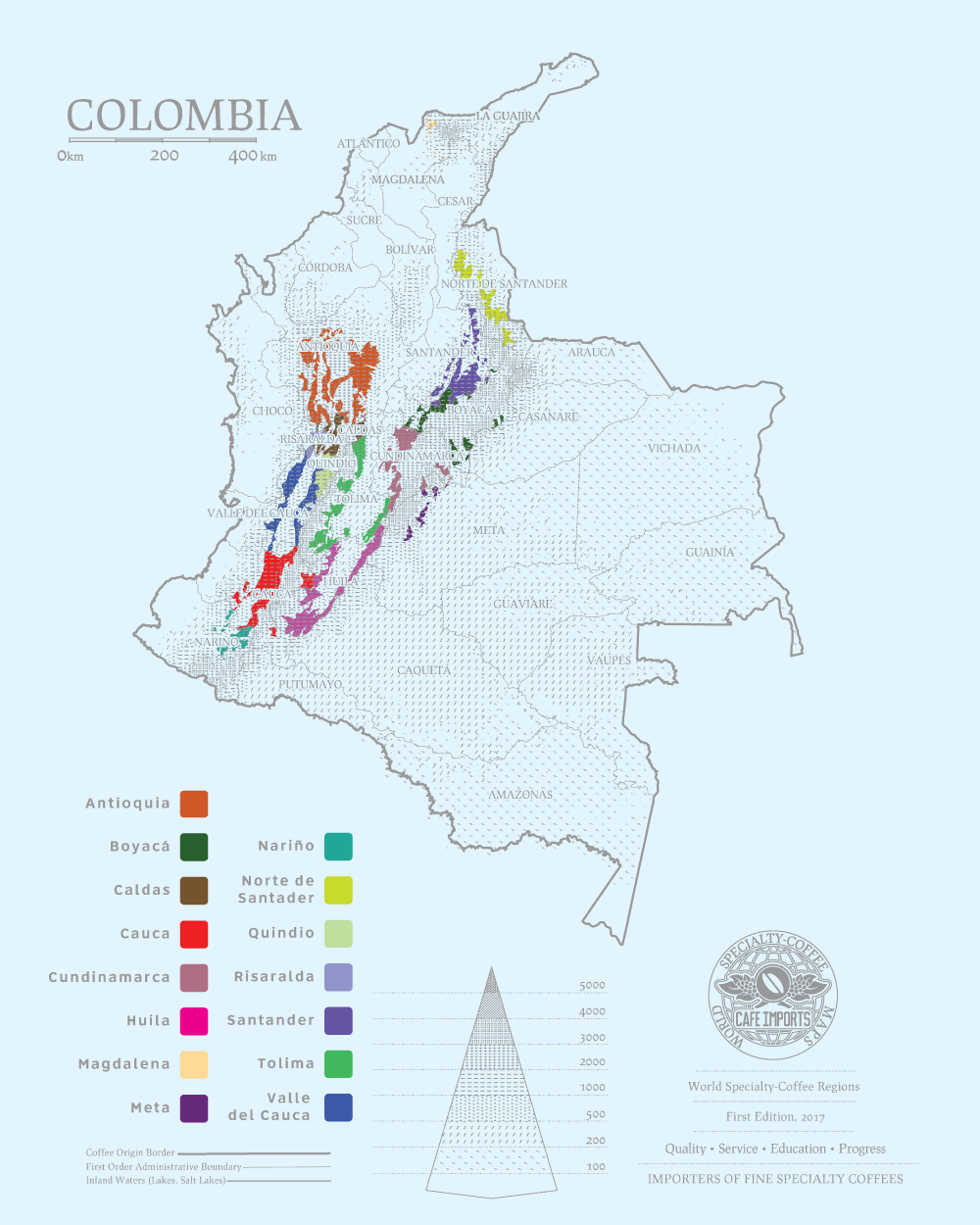
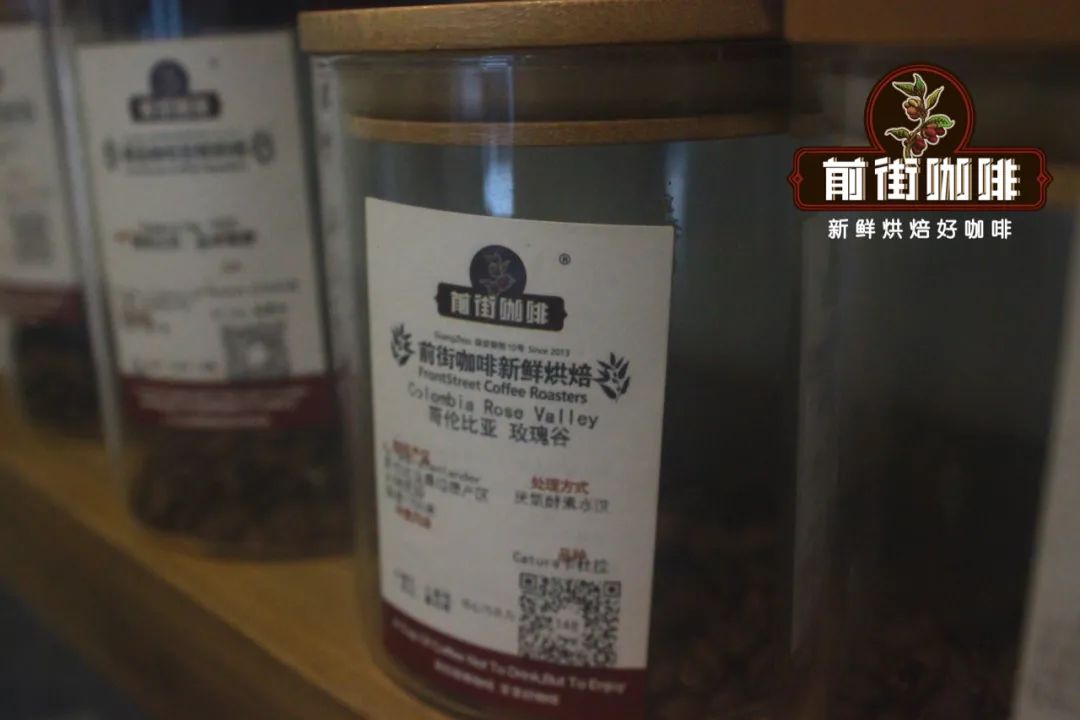
Take Rose Valley coffee from Santander Department as an example: its plantation is located in a volcanic soil zone at 1,400-1,600 meters above sea level, and a day-night temperature difference of 8-10°C gives the beans a firm pulp structure and active aromatic compounds. Beans from this region generally carry a pronounced fresh herbaceous quality and a full-bodied finish, closely related to the local traditional cultivation of the Caturra variety.
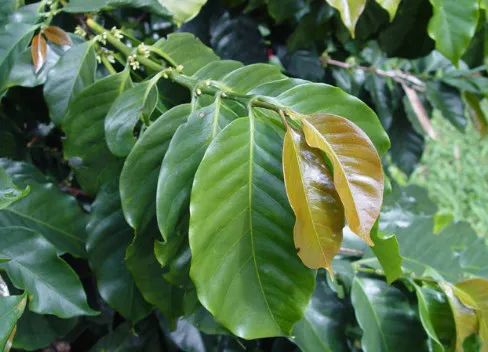
The Caturra variety used at Rose Valley is a natural mutation of Bourbon, discovered in Brazil in 1937. Compared with the original Bourbon, its plant height is about 30% shorter while yield is 20-25% higher, and it perfectly inherits the signature citrus and nutty notes. Particularly noteworthy is that this lot uses an innovative anaerobic enzyme washed process: oxygen in the sealed container is first replaced with carbon dioxide, reducing the pectin sugar decomposition rate by 40%, and the fermentation period is extended to 1.5 times that of the conventional washed method, thereby developing more complex sweetness and a unique fermented flavor.
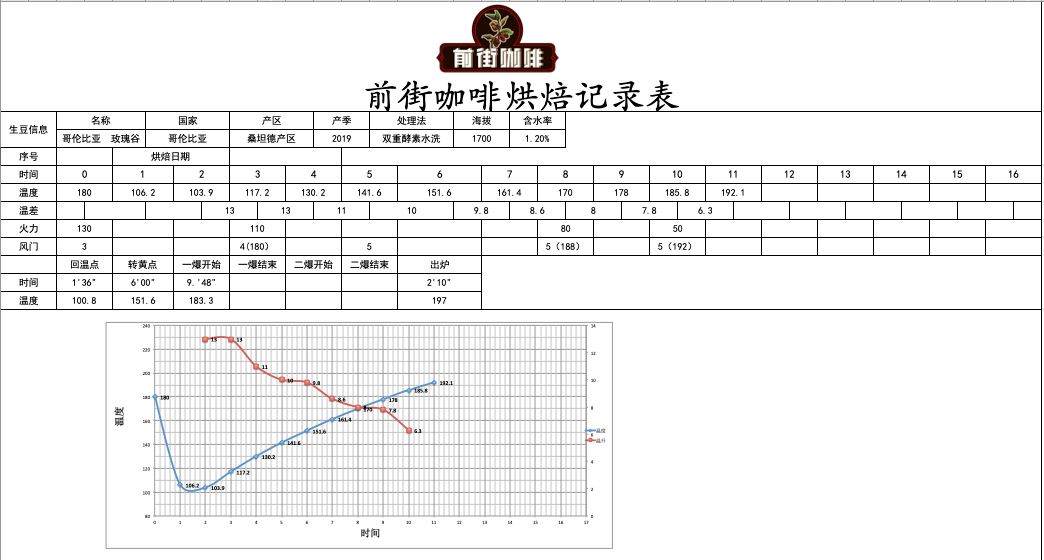
For roasting, a medium roast profile is used, with a charge temperature set at 180°C to ensure stable heat penetration. Key milestones include the beans turning yellow at 6:00 (151°C) and reaching first crack at 9:48 (183.3°C), finally holding at 197°C for 2 minutes 10 seconds of development before dropping. This roasting strategy preserves the brightness of floral and fruity acidity while strengthening the deeper chocolate and caramel base.
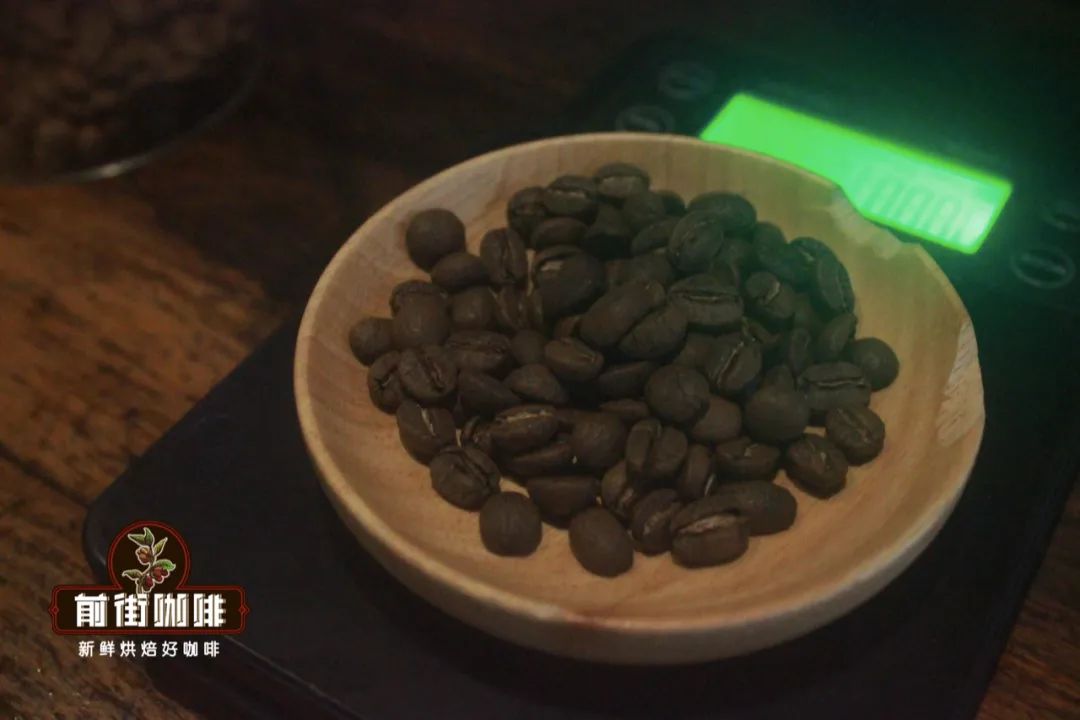
Cupping data shows that when freshly ground, the dry aroma presents a clear strawberry-caramel-cookie composite scent; after water is added, the high-temperature stage (88-92°C) is dominated by citrus acidity, accompanied by distinct bursts of berries. In the medium-temperature range (75-82°C), dark chocolate flavors gradually emerge, and the finish features a fermented wine-like note lasting more than 30 seconds. Note that flavor intensity declines by about 40% 15 minutes after brewing, so drinking promptly is recommended.
Recommended pour-over parameters: 15 g coffee grounds with 225 ml water (1:15 ratio), using a V60 #02 dripper. Adjust grind so that 80% passes a 0.85 mm sieve (equivalent to about 75% passing the Chinese standard No. 20 sieve), and control water temperature precisely at 91±1°C. In the pre-infusion stage, pour 30 g water and bloom for 30 seconds to effectively release carbon dioxide and avoid uneven extraction. In the first pour stage, pour to 130 g (a 100 g increment), using a center-outward spiral pour; after a 10-second interval, continue pouring to a total of 225 g, with the final 25 g poured slowly at a single center point to reduce over-extraction of fines.
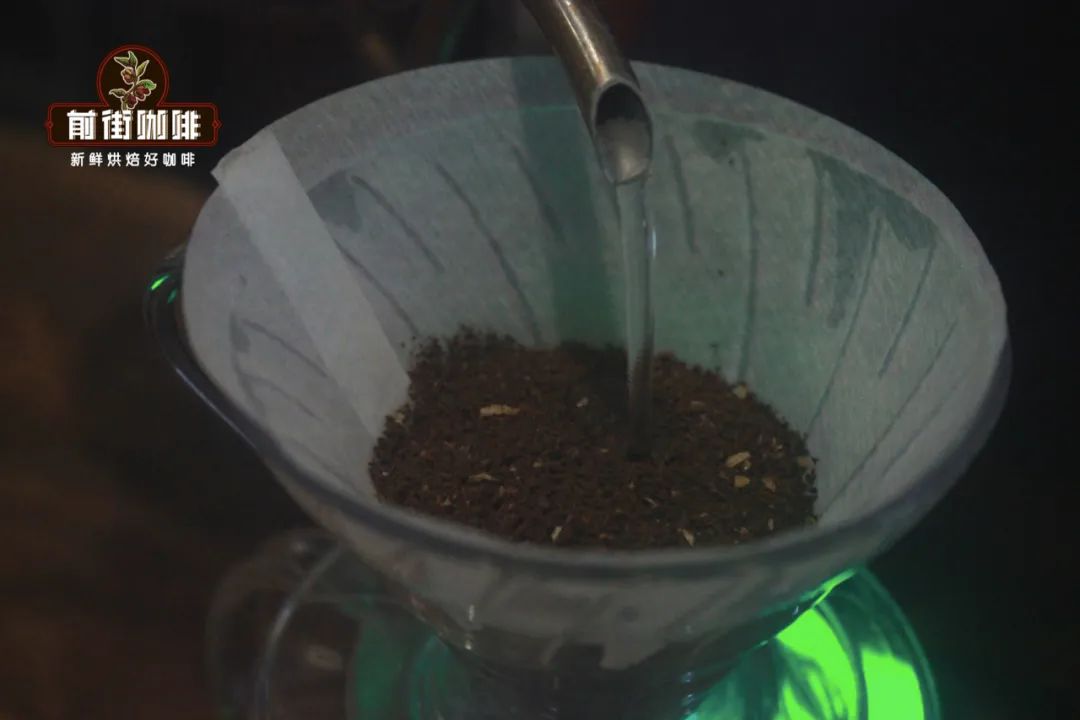
During actual brewing, note three points: ① the dripper must be fully preheated (rinsing with water above 93°C is recommended); ② maintain a steady flow rate of 2-3 ml per second; ③ avoid stirring, which can loosen the coffee bed excessively. This recipe has been tested many times and consistently delivers a balanced expression of fresh red berry aroma up front, honey sweetness in the middle, and a faint smoky finish at the end.
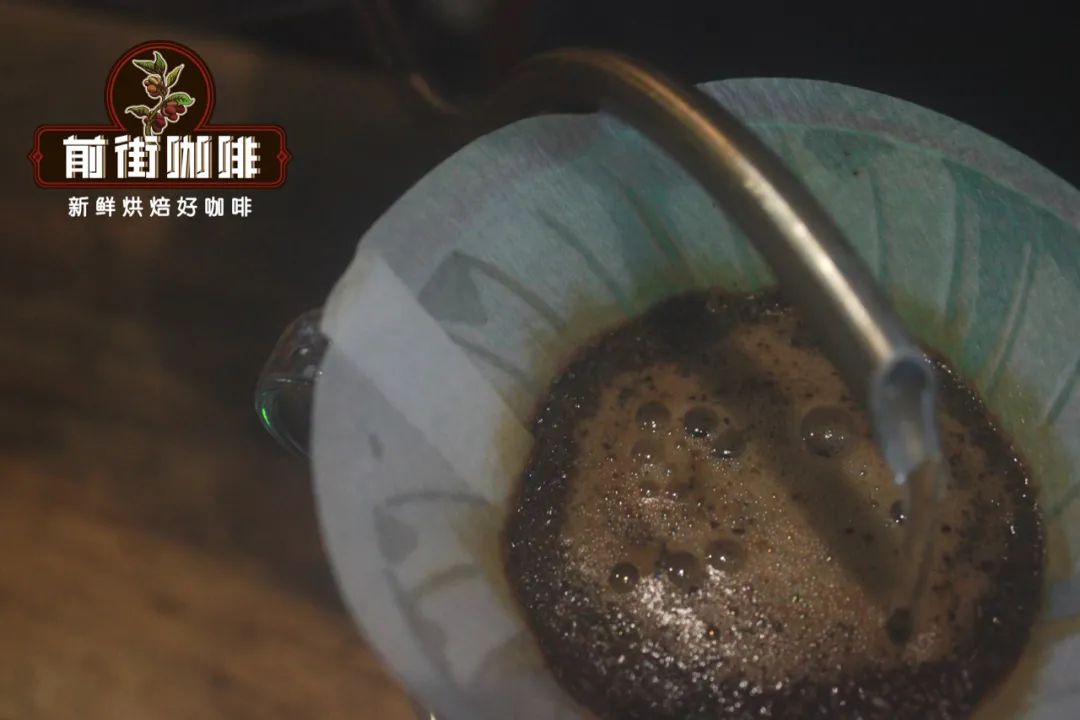
For beginners, it is recommended to fine-tune flavor intensity by adjusting the bloom time (±5 seconds) or changing the pour speed of the final stage (switching to a spiral pour). If noticeable astringency appears, it is usually caused by water temperature that is too high (>93°C) or grinding that is too fine (>85% passing rate); if the flavor is flat, it may be under-extraction (less than 225 g water or pouring too fast). Mastering these variable-control techniques will allow you to fully unlock the unique potential of this Colombian coffee.