Beginner's Guide to Choosing Espresso Beans: Blends vs. SOE
Introduction: For beginners just getting into espresso, the dazzling array of coffee bean types on the market often leaves them unsure where to start. This article introduces in detail the two main types of espresso beans—blends and single-origin SOE beans—covering their characteristics, suitable uses, and flavor differences, and offers practical buying advice to help you find the coffee beans best suited to your personal taste preferences.
After a while in coffee, many enthusiasts want to make a cup of espresso themselves. Yet when they open an e-commerce platform and encounter terms like blend, SOE, Yirgacheffe, Huakui, Kenya, Geisha, and Colombia, they are often bewildered, as if they have entered a whole new world. So how can beginners choose espresso beans that match their taste and offer good value?
When choosing espresso beans, three things matter: brand reputation, bean freshness, and personal taste preference. The market currently has many coffee bean brands of uneven quality, and a careless choice can mean buying stale or even expired products. Choosing a trustworthy roaster is therefore crucial—it not only ensures bean freshness but also avoids many unnecessary troubles.
Espresso beans fall mainly into two categories: blends and single-origin SOE (Single Origin Espresso) beans. Understanding the characteristics of these two types is the first step in buying.
Blends are usually made by mixing beans from two or more different origins. This blending aims to balance flavor, mouthfeel, body, and sweetness while ensuring quality consistency and a stable supply. To achieve these goals, blends are generally medium-dark or dark roasted to highlight classic flavors such as chocolate, nuts, caramel, and cream. These beans are well suited to consumers who enjoy traditional espresso flavors (such as Americano, latte, and cappuccino).

From an extraction perspective, medium-dark roasted blends have a more balanced flavor profile and release oils and roast aromas more readily. Even beginners can relatively easily extract a satisfying espresso. In addition, blends are usually more affordable than single-origin SOE beans. Here are several blends with good value:
1. Classic blend: a mix of Brazilian, Indonesian Mandheling, and Vietnamese beans, with rich crema, pronounced caramel aroma, prominent nut and dark chocolate flavors, and a pleasant finish.
2. Specialty blend: combines Colombian and Brazilian beans, with a smooth mouthfeel, a faint grassy aroma, moderate bitterness, and a fresh aftertaste.

3. Commercial blend: uses Colombian, Brazilian, and Robusta beans, with a classic flavor, pronounced caramel sweetness, prominent nut and cocoa flavors, balanced acidity and sweetness, and a lingering finish.

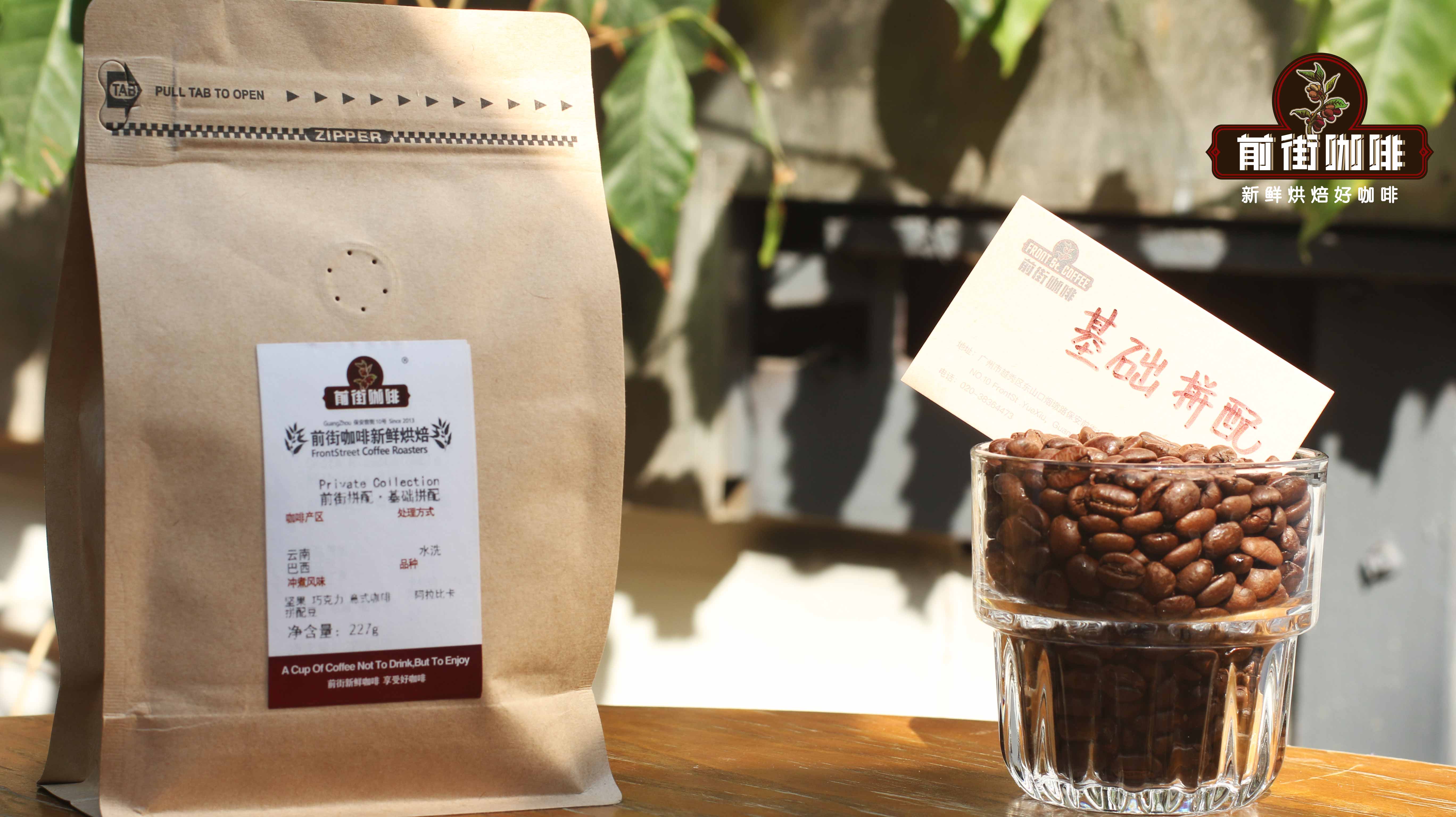
4. Dark cocoa blend: mainly Yunnan AA and Brazilian beans, with mild fruit acidity and caramel sweetness, harmonious nut and dark chocolate flavors, and a smooth but relatively light taste.

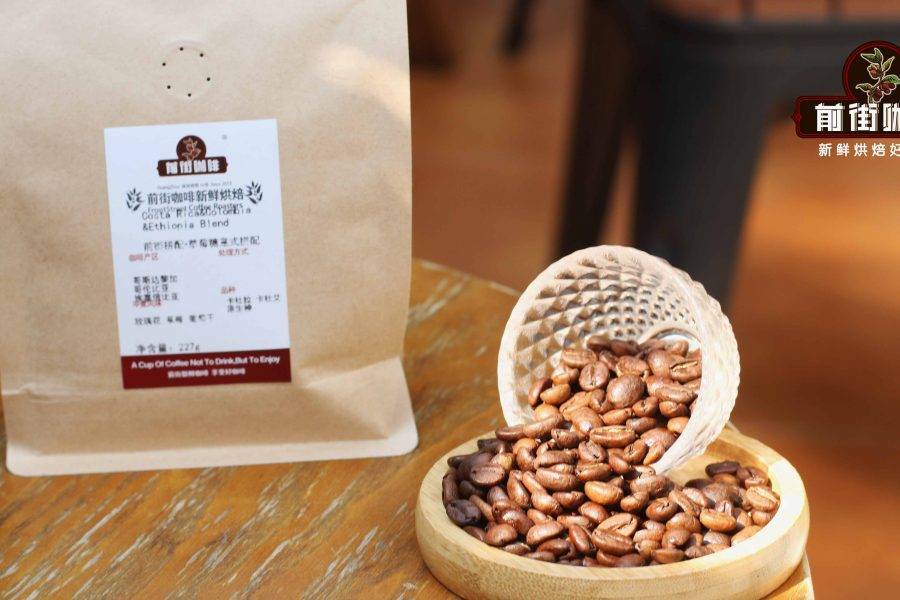
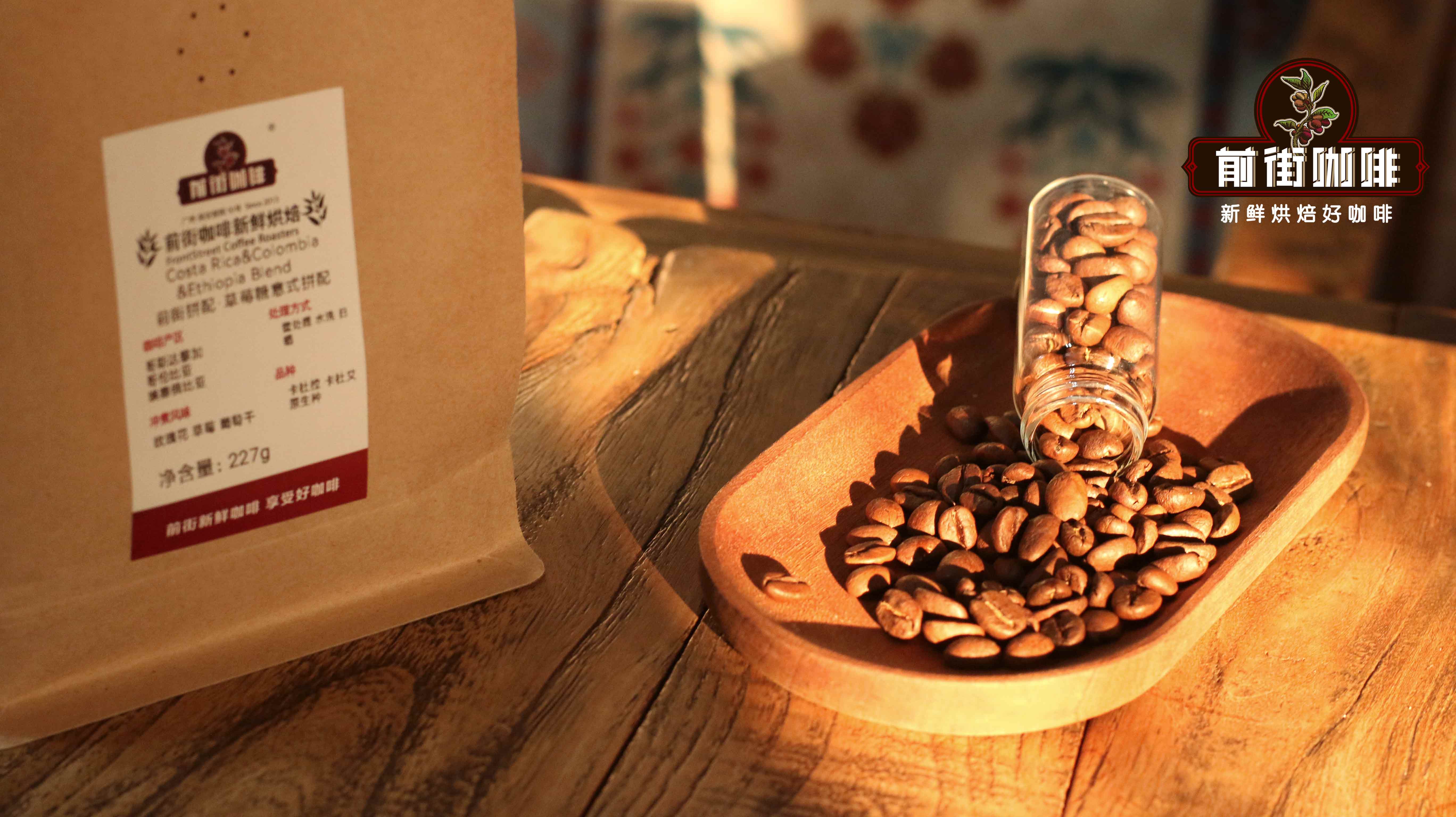
5. Strawberry candy blend: combines Costa Rican, Colombian, and Ethiopian beans; honey processing brings sweet aromas of strawberry fruit candy, grape, and rose, with low bitterness and a long finish.
Single-origin SOE beans are completely different: they come from a single origin, region, estate, or variety, and are roasted with a curve optimized for espresso extraction. Because they use single-origin specialty coffee beans, SOE can clearly express the beans' own unique flavors, such as floral notes, tropical fruit acidity and sweetness, or winey aromas. These beans have rich layers on the palate, a long finish, and great individuality, and are much loved by younger consumers seeking unique flavors.
SOE beans suit coffee lovers who want to explore the flavors of different origins. By choosing SOE beans from different origins, you can experience a range of flavor changes, from bright acidity to intense fruitiness.
When choosing SOE beans, pay attention to roast level and processing method. A medium roast usually retains more fruit acidity and floral notes, while a darker roast better highlights caramel and chocolate flavors. In addition, different processing methods (such as washed, honey, or natural) also significantly affect the final flavor.
For beginners, if you prefer traditional, balanced coffee flavors, blends are the safer choice; if you are interested in exploring the unique flavors of different origins, try single-origin SOE beans. Whichever type you choose, freshness is always key—choose beans with a recent roast date and store them properly.

Finally, remember to adjust the grind according to the brewing equipment you commonly use (such as an espresso machine or moka pot) to achieve the best extraction. The ideal extraction time for espresso is usually between 25 and 30 seconds, and observing the color and thickness of the crema is also an important indicator of successful extraction.