Ethiopian Natural G1 Hualkui Coffee Beans: Flavor Analysis and Processing Guide
Introduction: An in-depth look at the traditional craft and flavor secrets of the natural coffee processing method. Using Ethiopian specialty Arabica G1 Hualkui coffee beans as an example, this article explains the full process from fresh cherry to cupping. By comparing the performance of different roast levels, it reveals how natural processing gives coffee its berry notes and fermented complexity, and offers practical home brewing advice to help you find the coffee experience you love.
The formation of coffee flavor is the result of multiple factors working together—from growing altitude, microclimate, and variety characteristics to processing method and extraction, every step affects the final cup. Among these, the coffee processing method, as the key link between cultivation and roasting, directly affects the moisture content of the beans (which must ultimately drop to around 11% to ensure storage stability) and the flavor foundation.
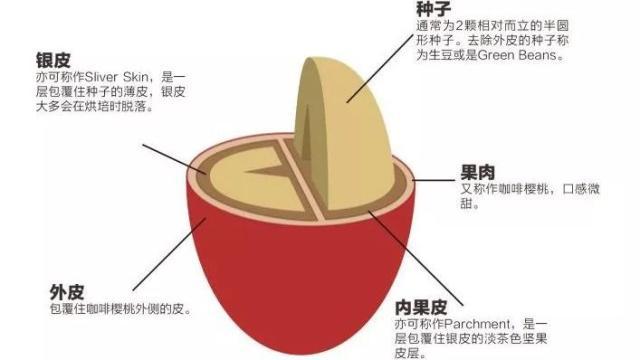
Although modern coffee processing techniques have developed many innovative methods such as wet hulling and honey processing, the natural processing method remains the oldest traditional craft. The coffee fruit is a drupe structure, containing from outside to inside the skin, pulp, mucilage layer, parchment, and silver skin, finally wrapping the green coffee beans we need. Because fresh fruit has a moisture content as high as 60%-70%, removing the seed directly is difficult and prone to spoilage, and the core of the natural method is precisely the gradual removal of water through natural drying.
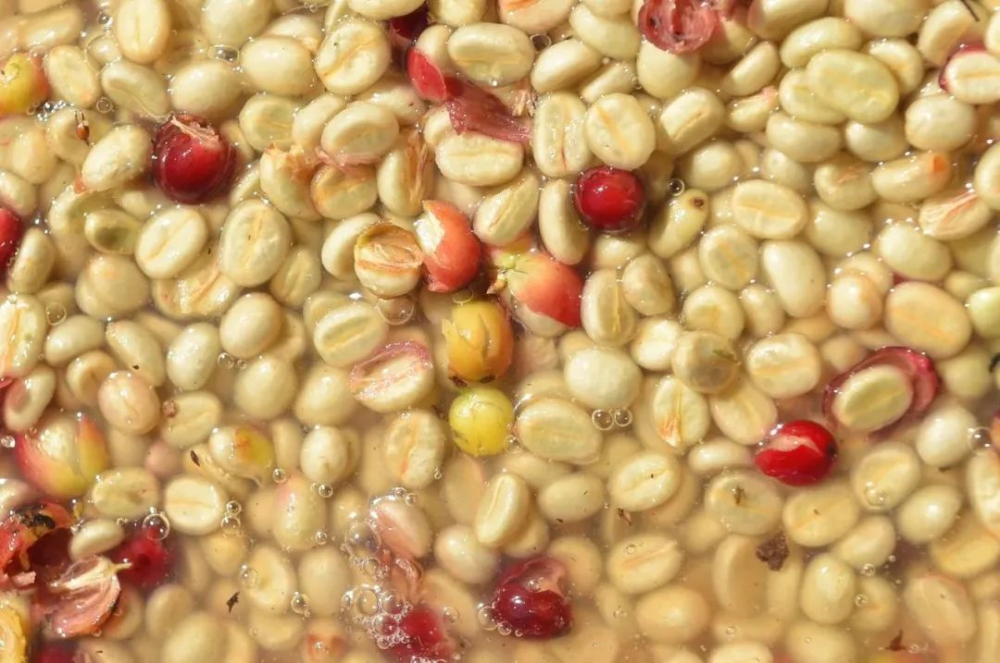
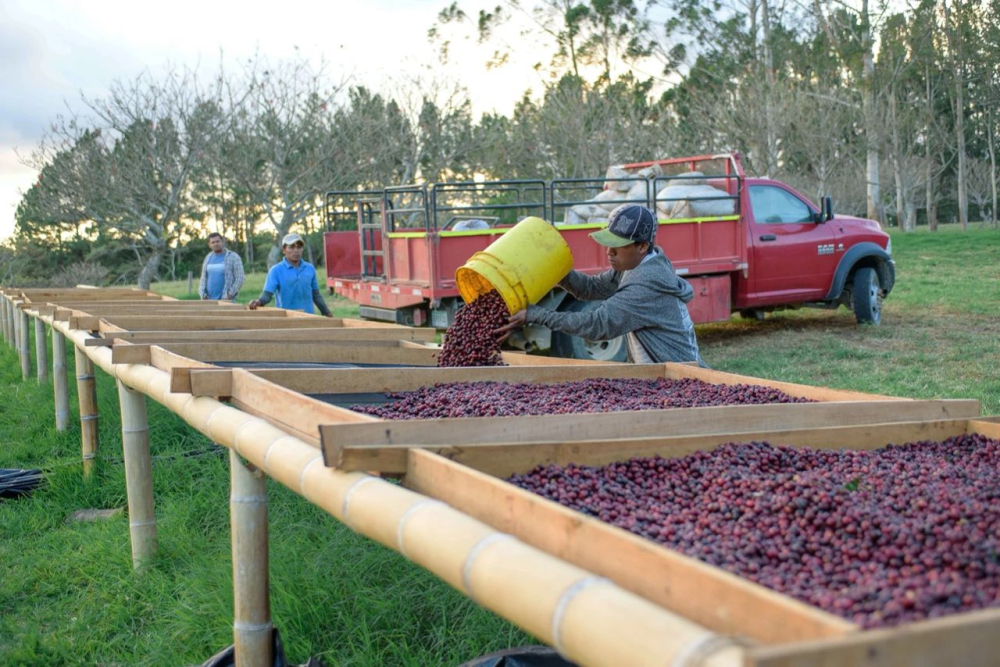
Traditional natural processing requires spreading whole coffee fruit (with pulp and mucilage) directly on drying beds, exposed to continuous sun for 30-45 days until the moisture content reaches the target. During this period, the fruit must be turned daily to ensure even drying, and eventually the fruit shrinks to a firm state similar to raisins, at which point the mucilage and silver skin have naturally separated and the core can be peeled off by hand. This long drying process allows the sugars and aromatic substances in the pulp to fully penetrate the seed, giving the coffee its unique flavor.
Naturally processed coffee typically presents vivid berry notes—from red cherry and blackcurrant to the sweet aroma of tropical fruit, accompanied by mellow tartaric acidity and fermented complexity. Compared with the clean and refreshing washed process, natural beans often have a fuller body and a more complex flavor spectrum. Their flavor intensity is closely related to the sunshine conditions of the producing region, and is especially prominent in high-altitude, high-sunshine areas such as Ethiopia.
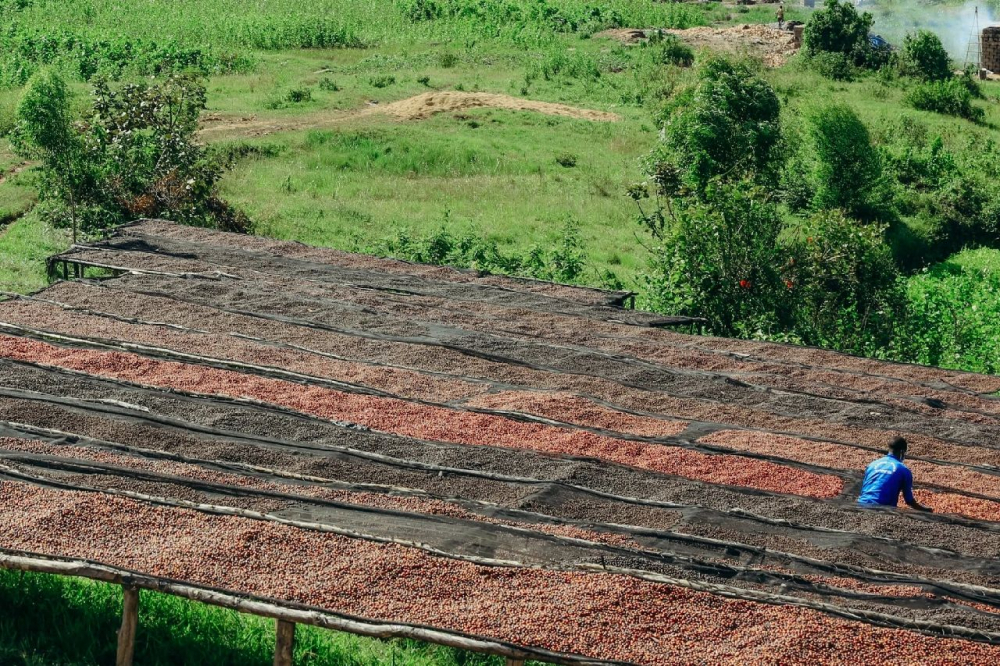
As a world-renowned specialty coffee producing region, about 70% of Ethiopia's coffee is still naturally processed (although washed capacity has continued to grow in recent years). Local heirloom varieties such as the Heirloom series often show unique floral and citrus notes after natural processing. Taking G1-grade Hualkui coffee beans as an example (a selected lot grown at high altitude in Ethiopia's Sidama region), its natural version, due to the long drying with the pulp surrounding it, forms a signature creamy strawberry aroma and caramel finish, while retaining a moderate fermented quality that enhances layering and complexity.
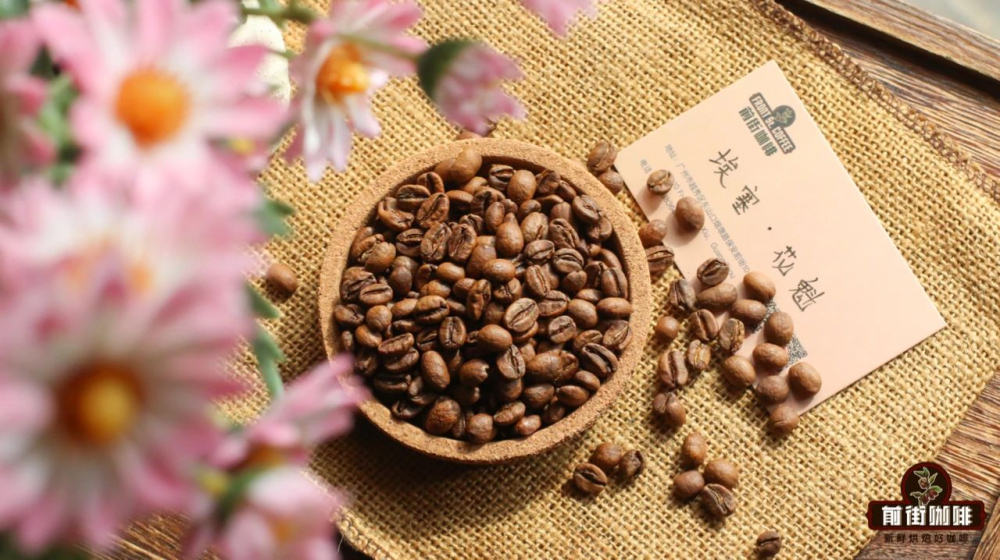
For different consumption scenarios, naturally processed Hualkui coffee beans can present diverse flavors by adjusting roast level and brewing method:
• Convenient choice: Drip bag coffee is suitable for office settings; choose fresh seasonal lots, keep the hot water temperature at 90-93°C, and pay attention to a center-circling pouring technique;
• Maximizing flavor: Light-medium roasted beans (dropped at the dense stage of first crack) are suitable for pour-over; a medium-fine grind is recommended (75%-80% passing through a Chinese standard No. 20 sieve), which can clearly present tropical fruit and a black tea finish;
• Milk coffee suitability: The medium roast version (developed 1.5 minutes after first crack) is rich in oils; when making a latte it highlights buttery cookie and almond nutty notes, while an Americano highlights the balance of dark berries and caramel.

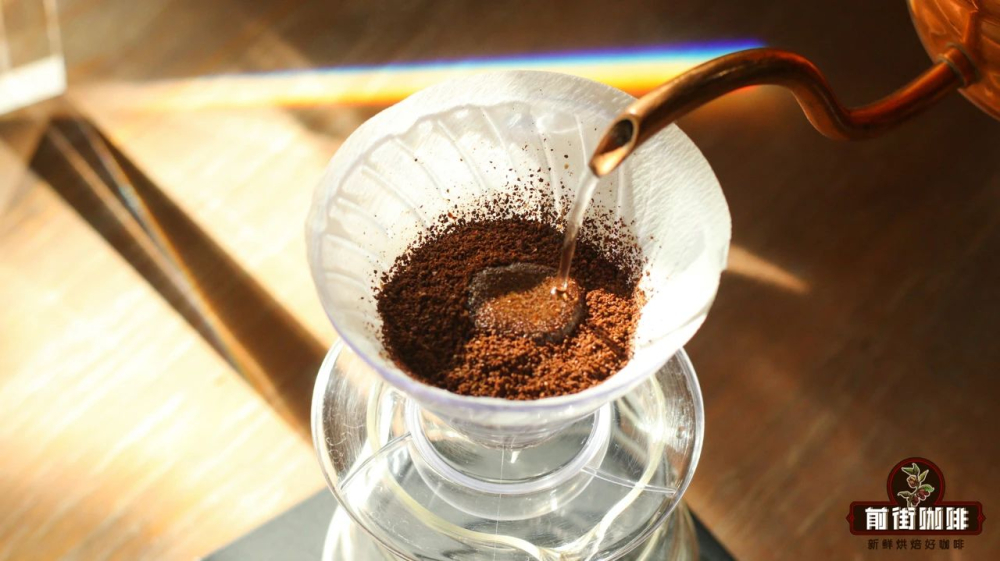

It is worth noting that natural processing has strict environmental requirements—only areas with average daily sunshine exceeding 6 hours and a dry climate can ensure stable quality. Thanks to the abundant sunshine of its highlands and mature manual sorting techniques, Ethiopia remains a core producing region for the world's top natural coffees. Even today, when washed techniques are widespread, many local farms still adhere to the traditional natural process, creating a highly recognizable regional flavor profile.


