Home Espresso Essentials: 5 Top-Rated Espresso Blends and Extraction Guide

Introduction: Espresso is the core base of Italian-style drinks, and everything from Americano to latte depends on its quality. Choosing the right coffee beans directly affects the final flavor—blends are the top choice for home use because they are balanced and consistent. This article details five market-validated, highly compatible blend options, covering crema performance, flavor characteristics and suitable scenarios, with key extraction parameter recommendations to help you recreate professional-level taste at home.
Espresso is known for its thick texture from high-pressure extraction, and its crema layer and full body form the foundation of all derivative drinks. Whether it is an Americano with hot water, a latte mixed with milk, or a flavored specialty drink with syrup, the quality of the espresso directly determines the ceiling of the final product. Unlike single-origin beans with their prominent regional character, blends achieve a balanced expression of acidity, bitterness, sweetness and aroma through the scientific ratio of beans from multiple origins, making them especially suitable for the pressure environment of home semi-automatic espresso machines.
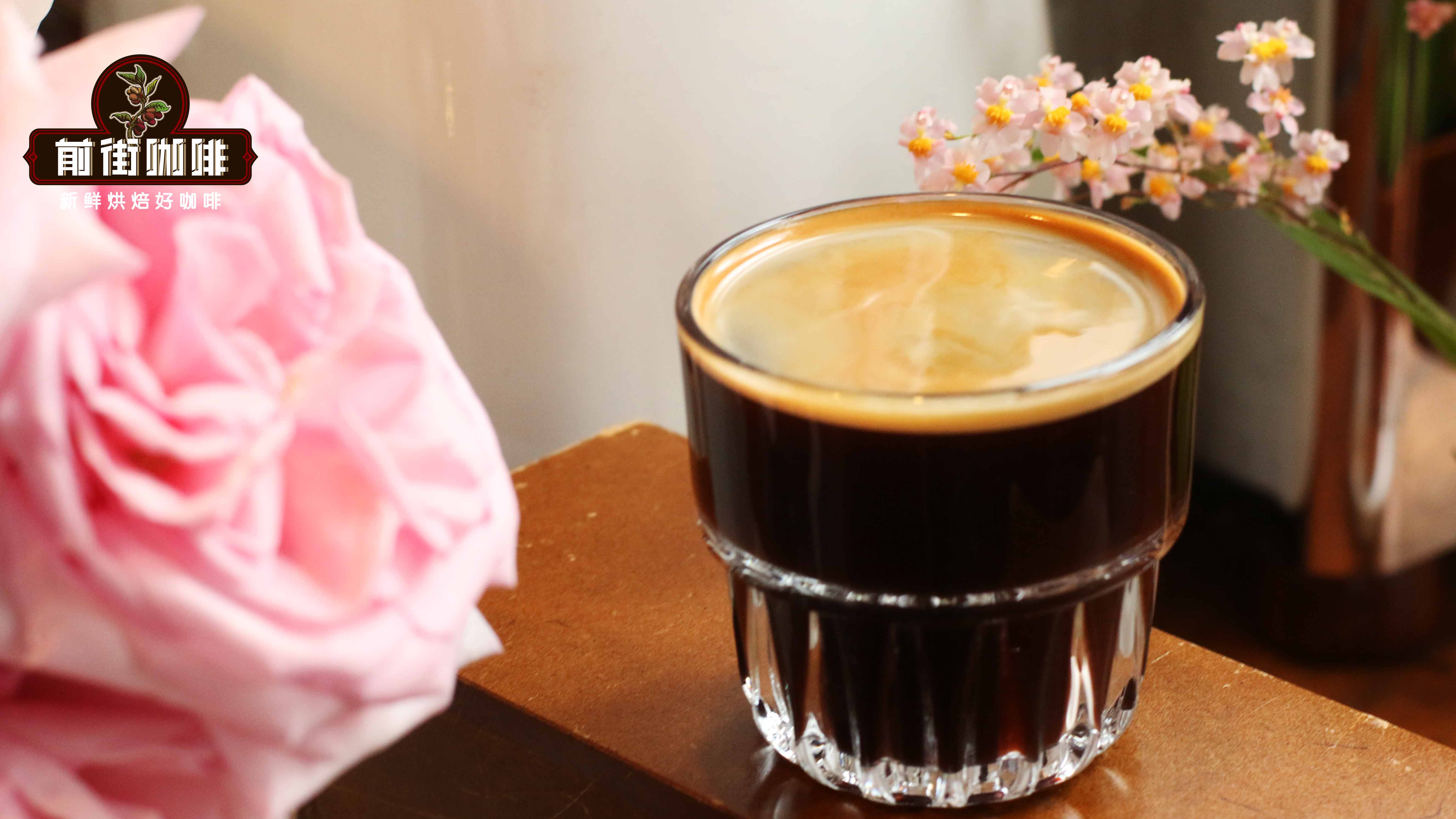
When purchasing, focus on three dimensions: first, roast level—medium-dark roasting (early second crack) usually brings a fuller body; second, bean composition—a combination of Arabica with a small amount of Robusta can enhance crema; third, flavor direction—choose nutty notes, fruity acidity or caramel sweetness according to drinking preference. Below are five typical blend options verified by actual testing.
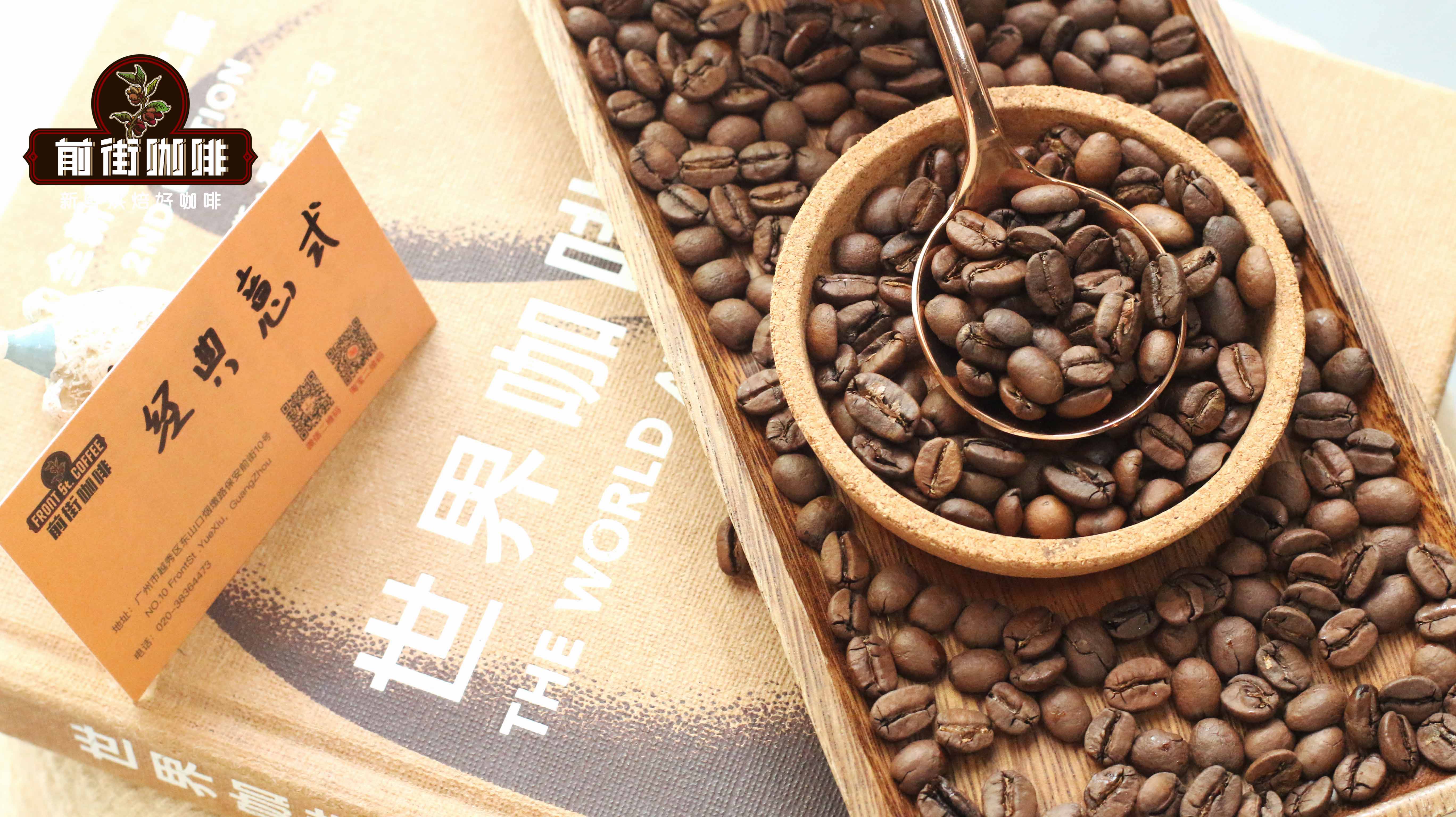
Home users seeking a rich mouthfeel can prioritize mixed formulas containing Robusta. This type of bean composition forms a classic complementary structure similar to Mandheling and Brazilian beans by increasing the proportion of low-acidity, high-body dark-roasted beans. The crema thickness is significantly improved, making it especially suitable for latte art needs. Recommended extraction parameters: maintain 25-30 seconds at 9 bar pressure, 18-20 g dose yielding 36-40 ml, with water temperature controlled at 92-93°C.

Consumers who prefer fruity acidity are advised to choose a medium-roasted honey-process blend. This type of bean composition often combines Central American and African origins, such as the chocolate finish of Colombia paired with the berry notes of Ethiopia. Tests show that with a 1:2 coffee-to-liquid ratio (18 g dose yielding 36 ml), it can highlight a clear sweet acidity like strawberry gummy while maintaining a silky texture. Note to extend the pre-infusion time to 35 seconds to help the floral and fruity aromas fully release.

For those sensitive to acidity, the nutty chocolate combination of Brazil and Colombia is a safe choice. Brazilian beans provide the base flavors of roasted almond and caramel, while Colombian beans add cocoa depth; the espresso extracted from the two combined has a rich mouthfeel like butter cookies. This type of bean composition is highly compatible, suitable both for making a 30 ml standard espresso and for direct use in Americano. It is recommended to use pre-infusion technology (pre-infuse for 20 seconds, then extract under pressure) to improve water flow uniformity.
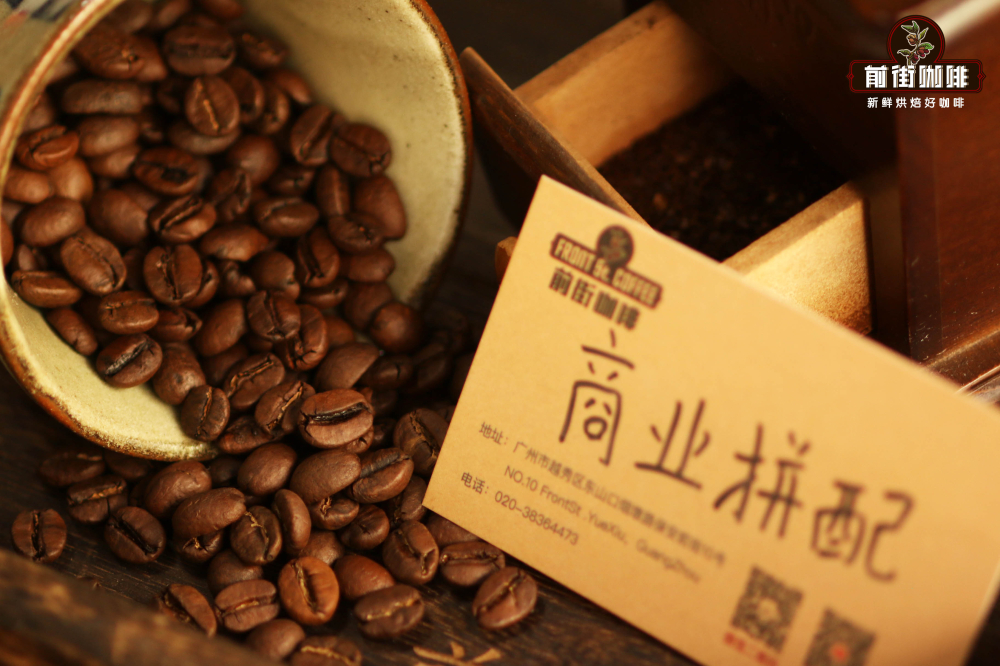
Recreating coffee shop flavor requires matching commercial-grade blend characteristics. A three-origin blend (such as Brazil + Colombia + Vietnam) with a medium-dark roast profile strengthens caramelization reactions by increasing the Robusta proportion, forming the signature toasted bread and smoky finish. This type of bean composition has excellent crema persistence and outstanding flavor stability during continuous production. For home machines, it is recommended to recalibrate the burrs after every 150 g ground to ensure particle uniformity.

Beginners can start with a balanced blend. These formulas usually keep Robusta content below 10%, ensuring a smooth mouthfeel while reducing cost. Typical flavors show a gentle transition between dark chocolate and roasted nuts, with clear sweetness and no obvious defects. When storing, keep away from light and sealed; after grinding, it is recommended to use within 15 minutes to preserve volatile aromatic compounds.


