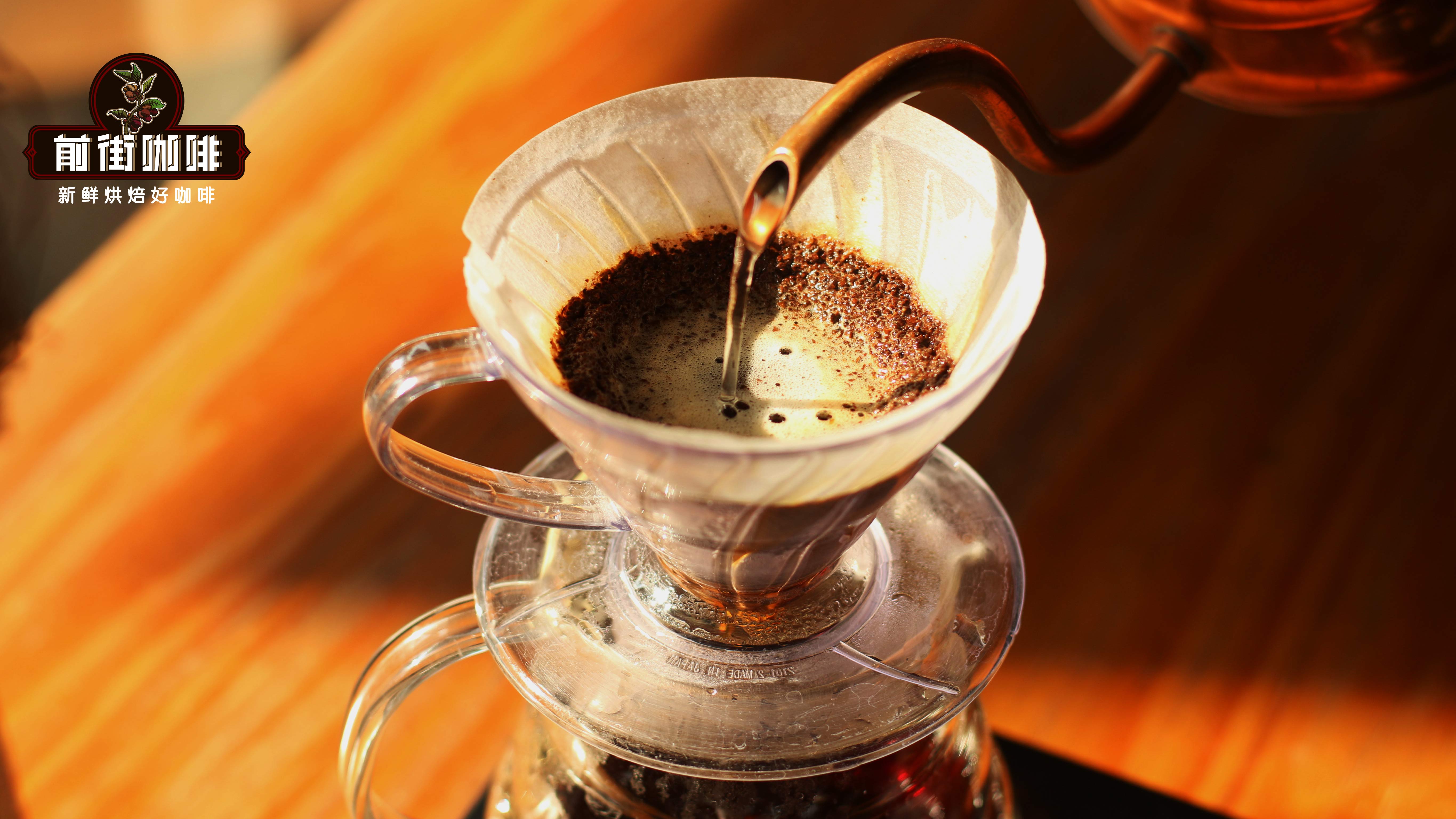
Pour-Over Brew Time and Flow Rate Guide: How a 2-Minute Extraction Shapes Flavor
Introduction: Mastering the brewing time and flow rate of pour-over coffee is key to improving the quality of home brewing. This article explains in detail the core parameters that affect coffee extraction efficiency, including dripper structure, coffee-to-water ratio, grind size, and more, and provides an actionable 2-minute standard brewing plan. By adjusting these variables, even beginners can consistently present the layering and balance of coffee, avoiding the common mistakes of over-extraction or under-extraction.
As a representative form of specialty coffee, pour-over coffee's charm lies in achieving precise flavor control through simple tools. Brewing time, as one of the core parameters determining coffee extraction quality, directly affects the body and cleanliness of the final taste. Understanding the interaction of variables during brewing can help coffee enthusiasts break through the limitation of "copying parameters" and build their own flavor system.
The standard pour-over plan usually uses a 1:15 coffee-to-water ratio (such as 15 grams of coffee grounds to 225 milliliters of water); this ratio has been verified many times to balance concentration and extraction rate. In terms of dripper selection, different designs have a significant impact on flow rate—for example, a dripper with large holes and a spiral guide structure accelerates filtration, while a style with smaller bottom holes and vertical ribs extends extraction time. Before operation, wet the filter paper with room-temperature water and release air bubbles; this step both stabilizes the dripper structure and prevents paper odors from interfering with coffee flavor.
Four core parameters jointly shape the coffee flavor profile: grind fineness determines water flow resistance; fine grinding extends contact time and releases more aromatic substances but is prone to over-extraction; the water temperature range (recommended 90±2°C) affects the dissolution rate of flavor substances—high temperatures strengthen bitterness and sweetness, while low temperatures preserve bright acidity; the coffee-to-water ratio adjusts overall concentration, while extraction time is the temporal manifestation of these factors acting together. Experimental data show that for every 30 seconds of extended extraction time, the amount of bitter substances extracted may increase by 15%-20%.
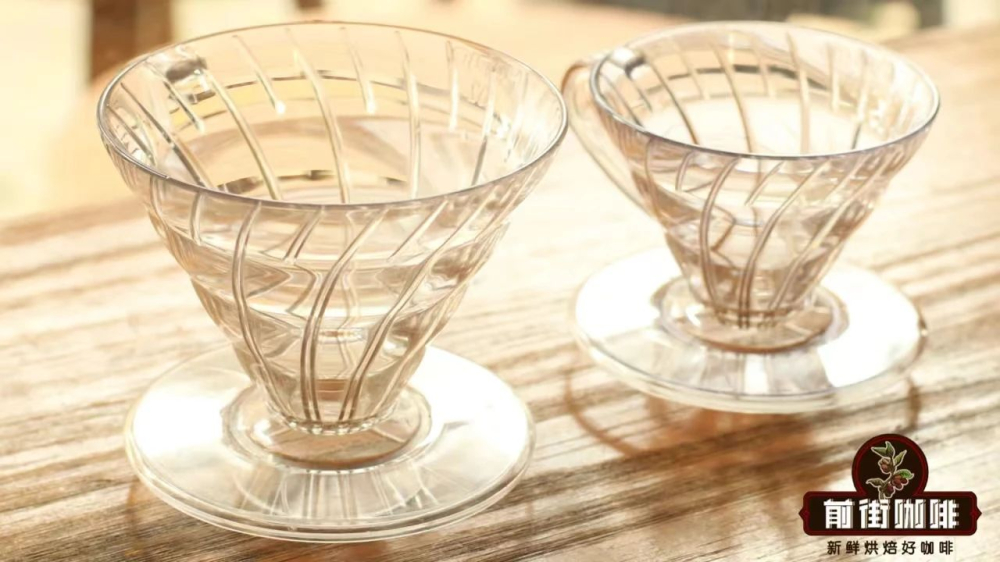
The physical characteristics of the dripper are the fundamental factor affecting flow rate. Taking two common models as examples, a conical large-hole dripper, due to its multi-layer spiral guide rib design, causes the coffee liquid to form turbulence and accelerate downward seepage, suitable for brewing that pursues a clean finish; while a style with a flat bottom and dense filter holes slows the water flow speed, creating a fuller body. Actual tests show that at the same grind size, the latter's total extraction time may be 40-60 seconds longer than the former.
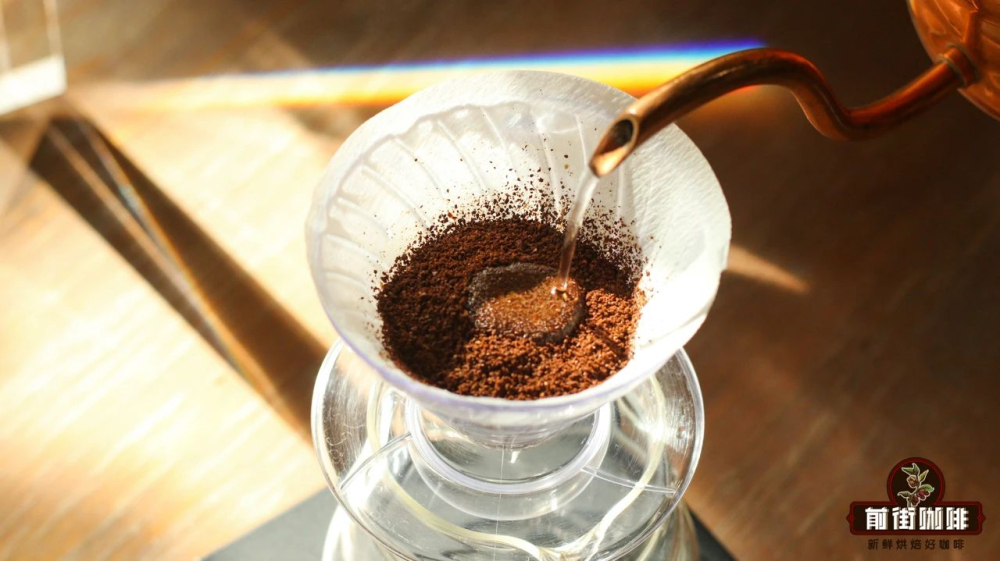
Coffee dose and pouring rhythm form a dynamic balance system. Increasing the total amount of coffee grounds not only extends the total pouring time, but the resistance of the accumulated coffee bed also naturally slows the water flow. For example: when using 15 grams of grounds, pouring water at a 1:15 ratio takes about 22.5 seconds to complete a single pour; if increased to 20 grams of grounds, at the same ratio the pouring time increases to 30 seconds. Beginners are advised to use a staged pouring method to control flow rate—first pour a small amount of hot water to bloom and activate the coffee grounds (usually 10%-15% of the total), then pour the remaining water in stages.
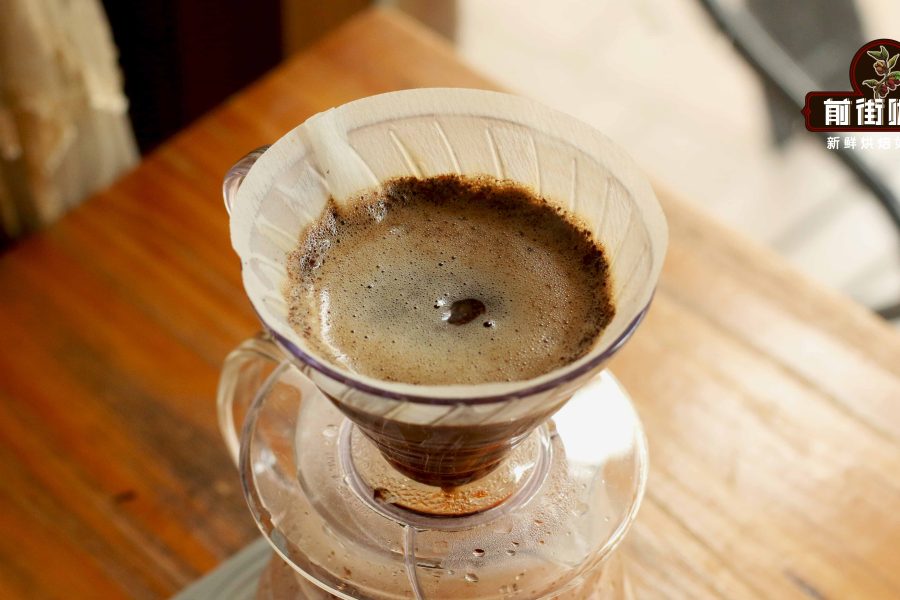
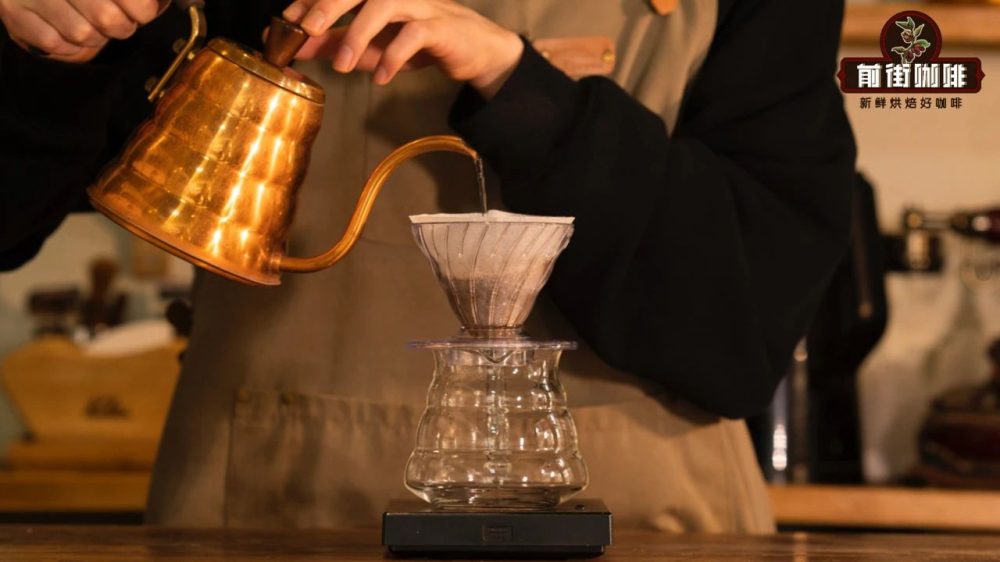
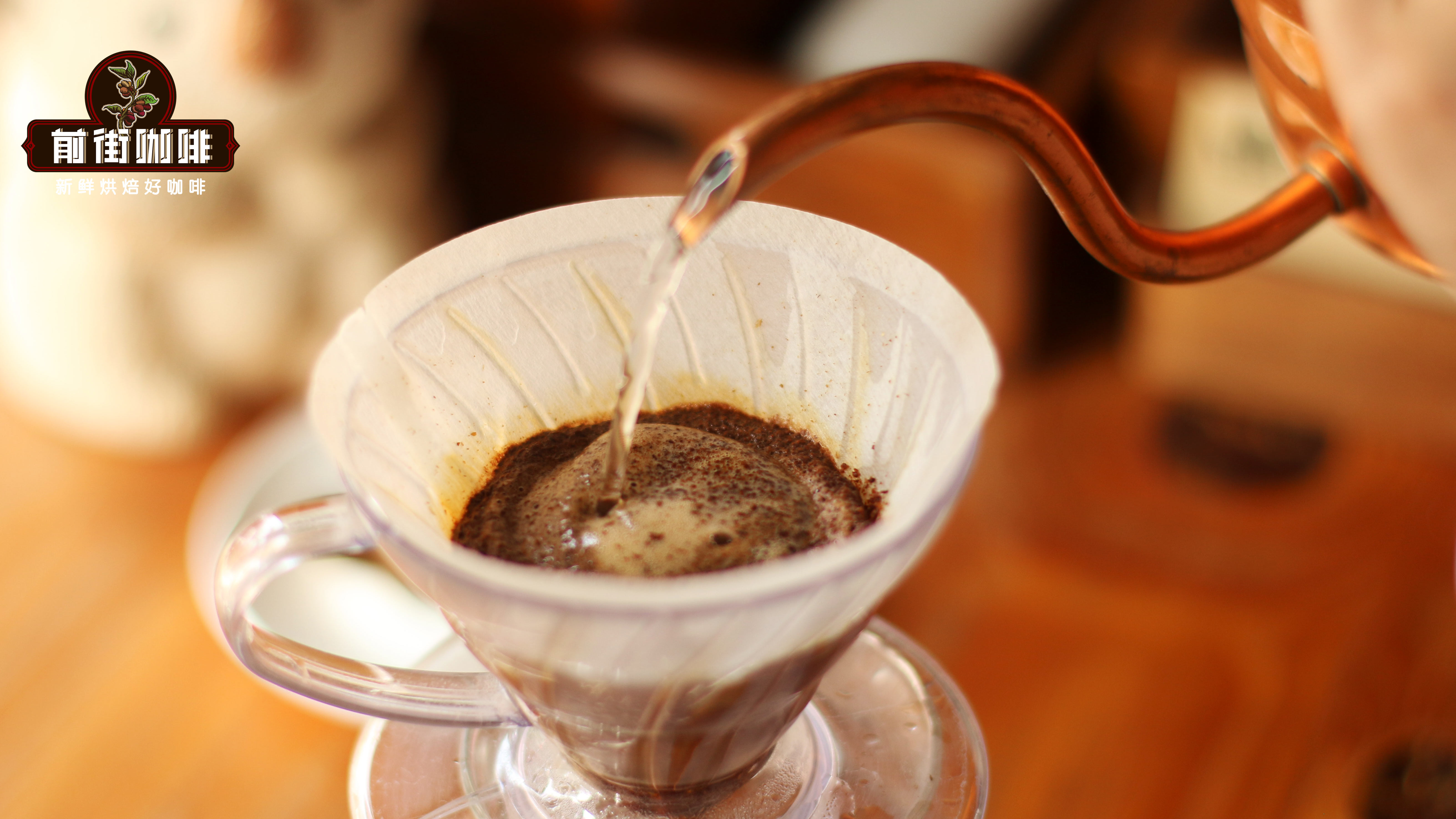
Pouring technique directly affects flow rate stability. A high-speed stream easily penetrates the coffee bed and causes uneven extraction; it is recommended to keep the stream height at about 15 centimeters and pour in steady circles, so that hot water evenly saturates all coffee particles. Observing the state of the coffee bed is an intuitive way to judge whether the flow rate is reasonable: under ideal conditions, the coffee bed should slowly sink and form a flat surface; if local depressions or pooling appear, the grind size or pouring speed needs adjustment.
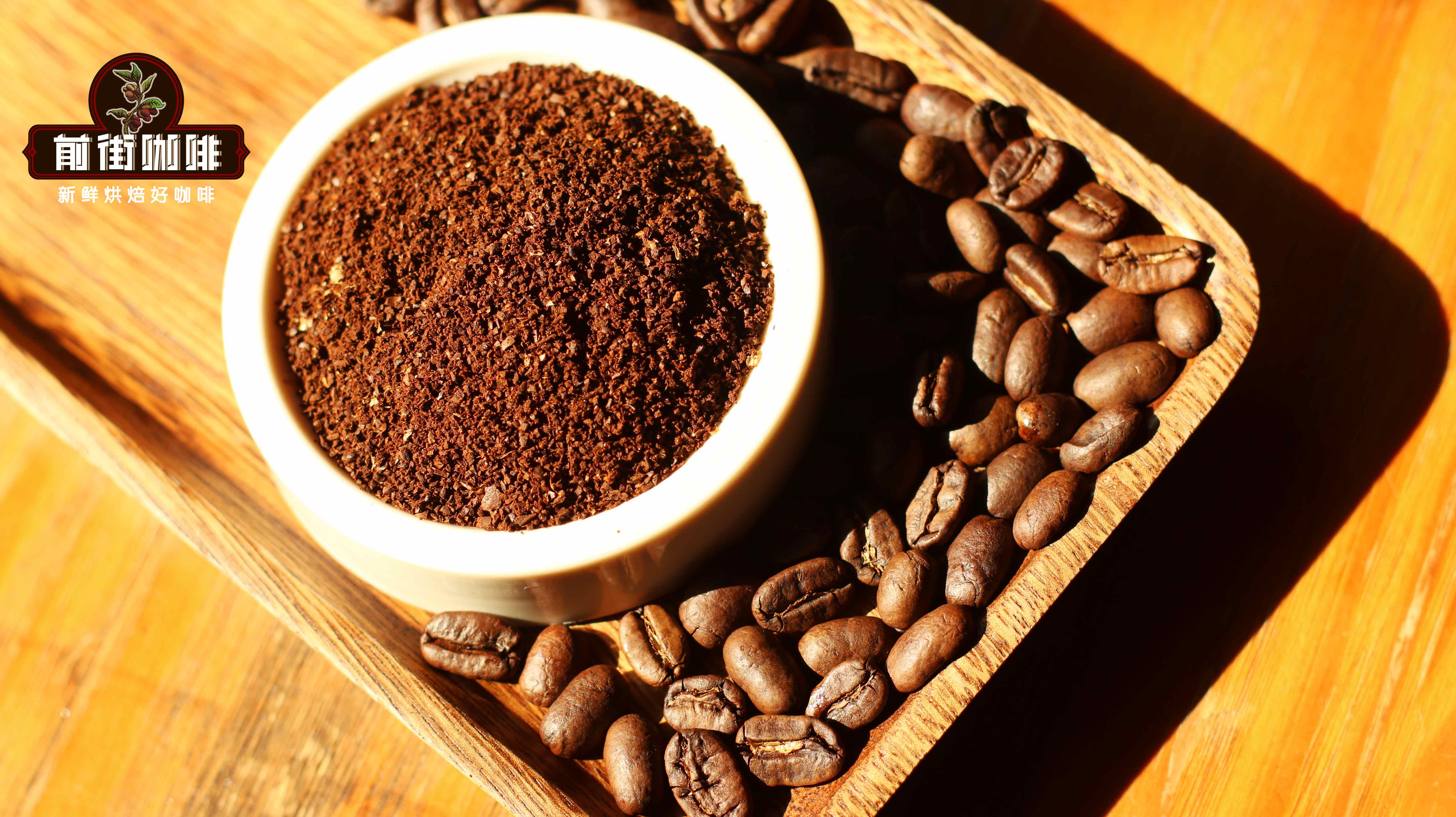
The matching rule between grind size and roast level: medium-dark roasted coffee beans (such as Indonesian Mandheling), because they contain more crystalline substances, are recommended to use a grind size like coarse granulated sugar (corresponding to about 10.5 on a home grinder scale) to prevent over-extraction and burnt bitterness; light to medium roasted Ethiopian natural beans need to be adjusted finer to fine granulated sugar level (about scale 10) to fully release floral and fruity acidity. Special note: grinding too fine will cause the coffee bed to compact, and when water flow resistance increases sharply, the total extraction time may exceed the 3-minute threshold.
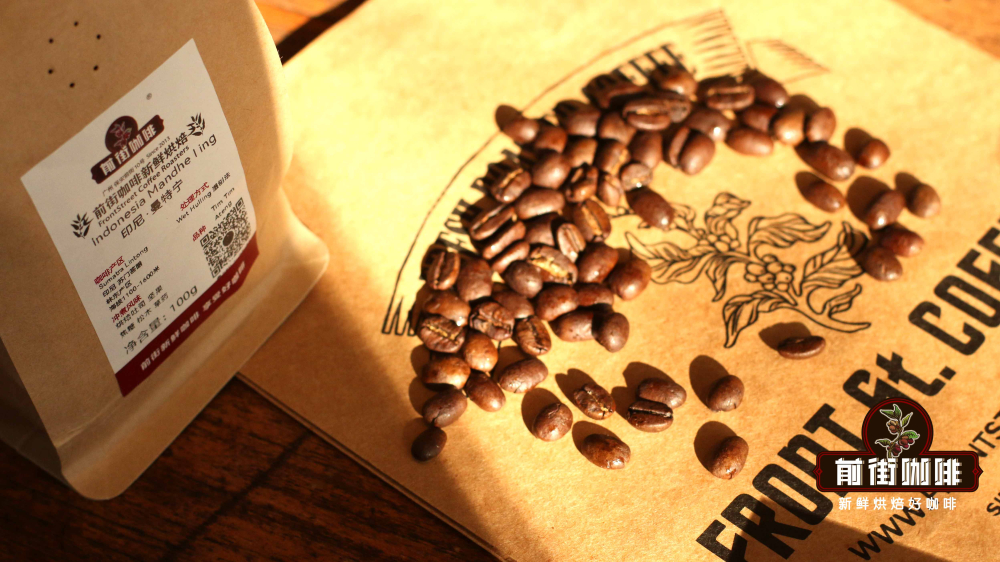
Fluid dynamics principles of particle gaps: the gaps between coffee particles determine the water flow path. With fine grinding, particles pack tightly, and water is forced to detour, extending contact time; the loose structure formed by coarse grinding accelerates drainage but reduces material exchange. Grind reasonableness can be judged through a simple test: after pouring, the coffee bed should begin to descend evenly within 45-60 seconds, and the final extraction time should preferably fall within the range of 1 minute 50 seconds to 2 minutes 30 seconds.
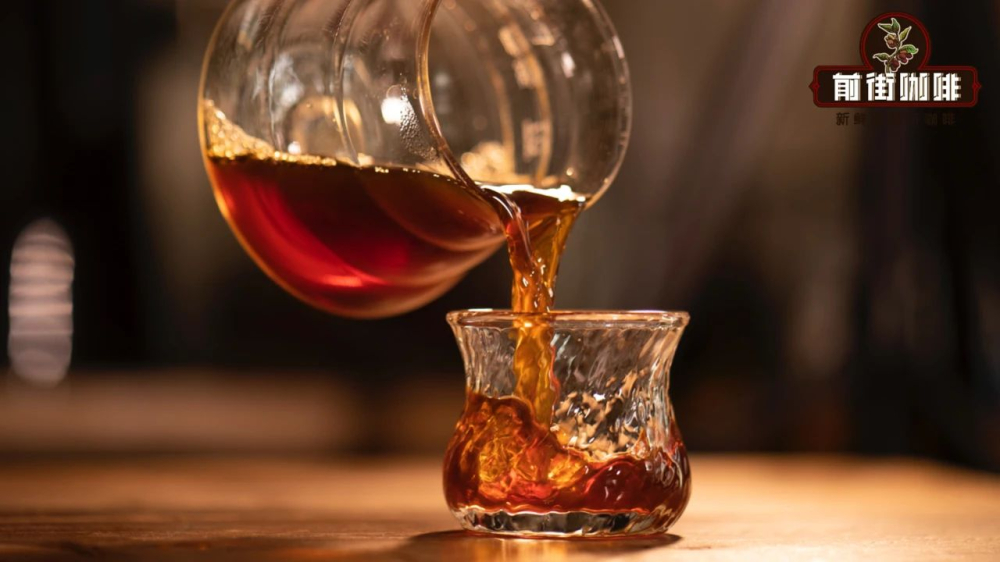
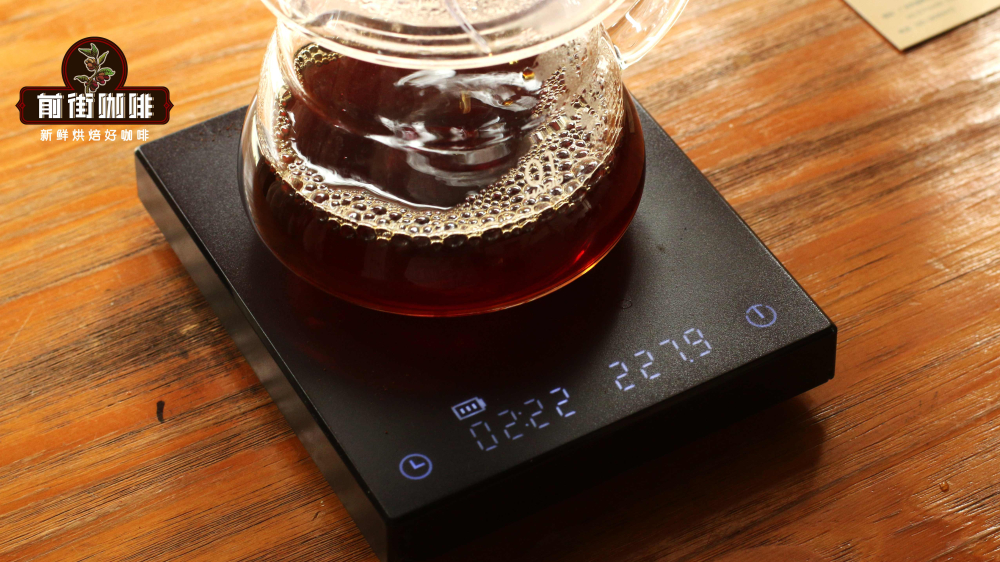
Standardized home brewing plan reference: when using a conical dripper, it is recommended to use 15 grams of coffee grounds with 225 milliliters of 90°C hot water, poured in three stages—an initial 30 grams for a 30-second bloom, then the remaining 195 grams of water poured in two additions within 1 minute 15 seconds. This parameter combination ensures the total extraction time stays stable at about 2 minutes, at which point the coffee liquid should show an amber luster with no suspended particles. If using a flat-bottom dripper, the extraction window can be appropriately extended by 10-15 seconds to compensate for flow rate differences.
The tolerance range of time control and its association with flavor: when the total extraction is shorter than 1 minute 45 seconds, acidity is prominent but sweetness is insufficient; when it exceeds 2 minutes 45 seconds, bitter and off-flavors appear. It is recommended to fine-tune through the "Golden Cup Standard": while keeping the coffee-to-water ratio unchanged, if the flavor is thin, reduce the grind size and extend by 10-15 seconds; if the mouthfeel is sharp, coarsen the grind and shorten the time. Record the parameter combination and sensory feedback of each brew to gradually build a personalized database.
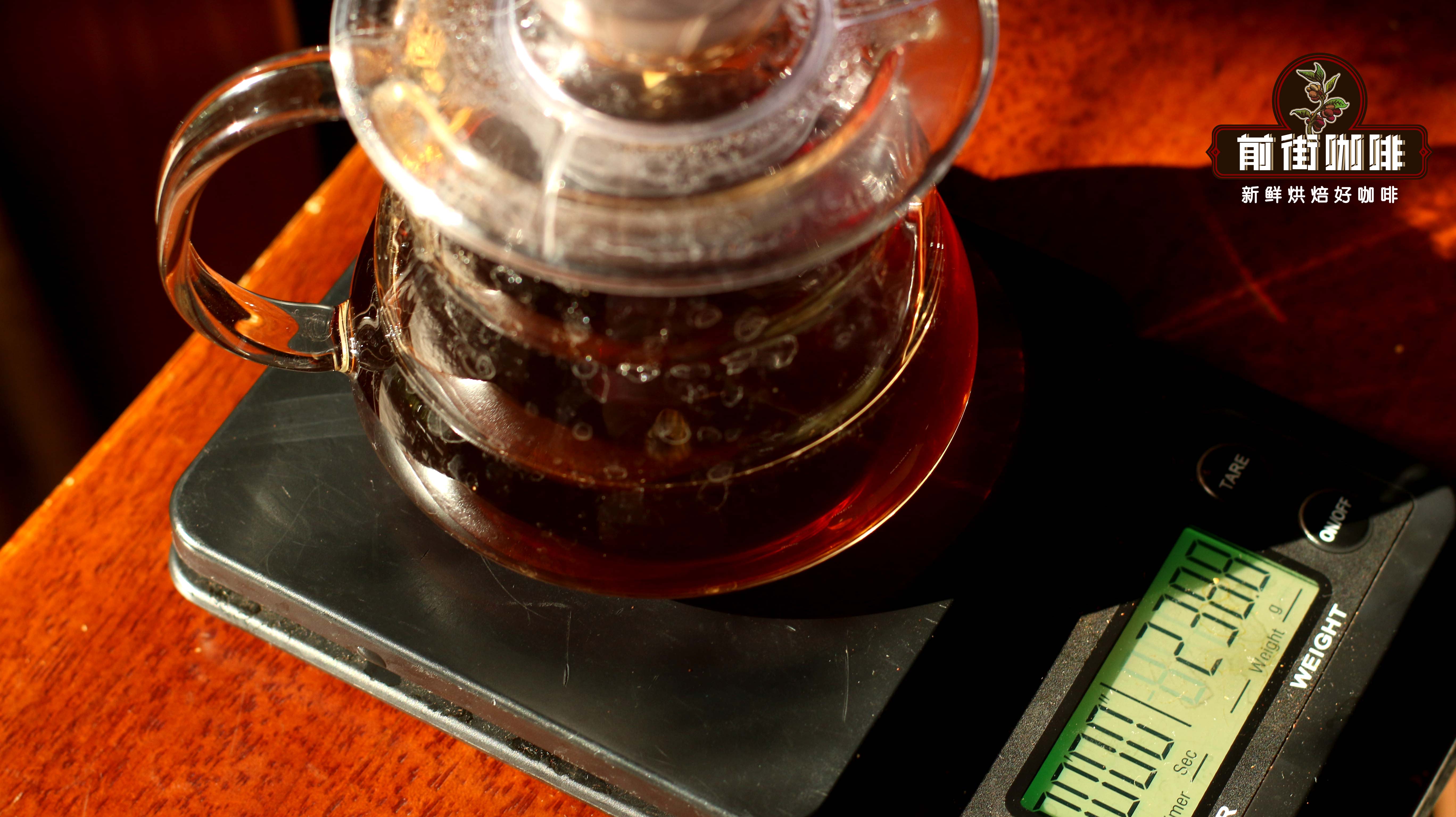
Flexible application techniques of staged pouring: when encountering unstable pouring speed, a progressive pouring method of "30+95+100" can be adopted—after the first stage of 30 grams for blooming, the second stage of 95 grams is poured within 1 minute, and the final 100 grams is completed within the following 1 minute 10 seconds. This rhythm both maintains a reasonable flow rate and gives the coffee grounds sufficient space to expand. When observing the flow rate, the seepage speed of a healthy coffee bed should be similar to hot tea dripping; too fast or stagnant is a signal for adjustment.